Vue normale

  • ✇The Kyiv Independent
  • Russian cannibal soldier ate his own comrade, leaked audio from Ukraine's HUR claims
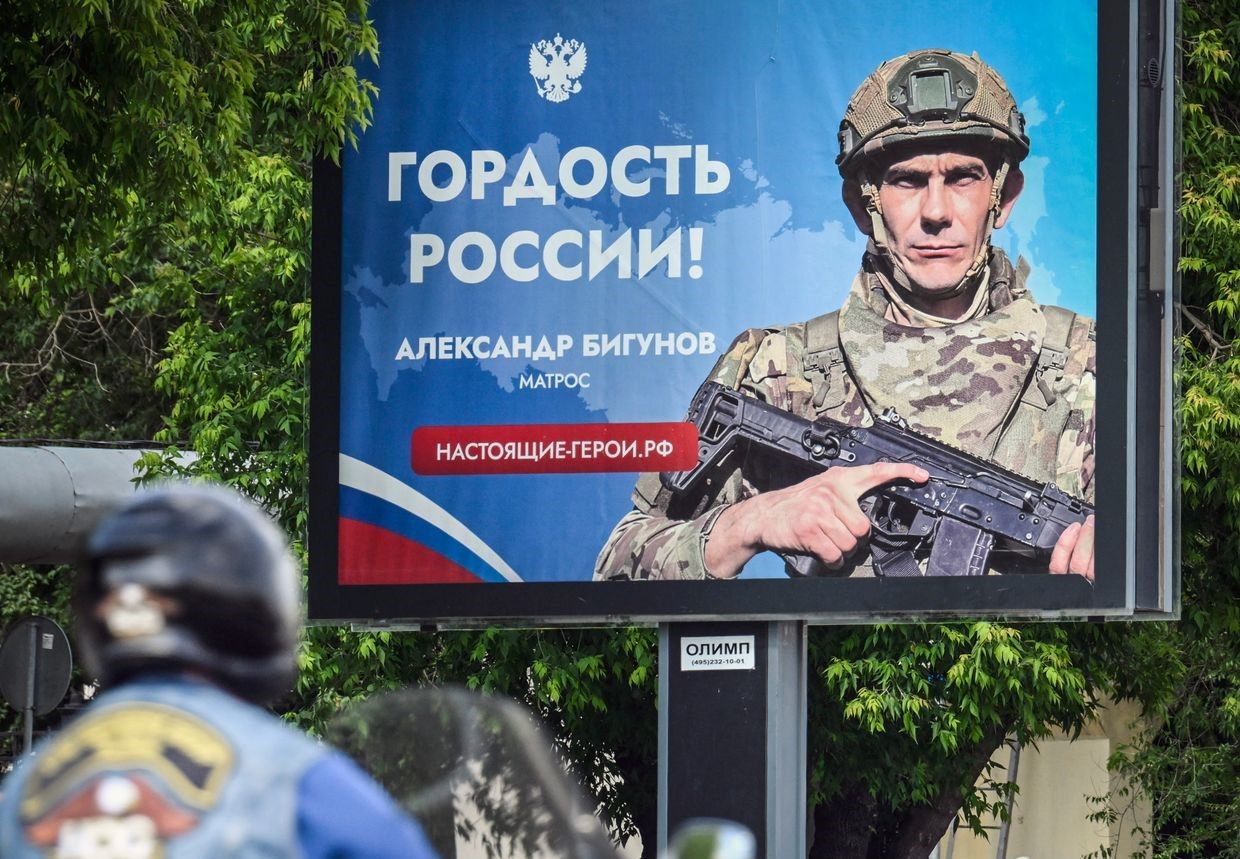
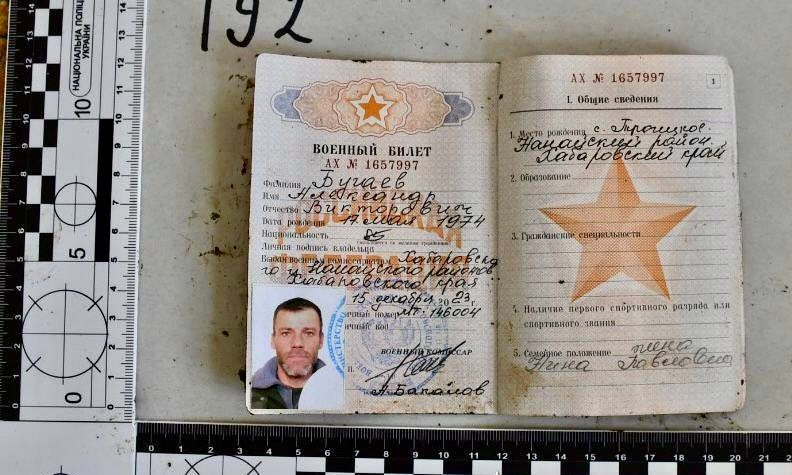
    A Russian soldier deployed in Ukraine may have been involved in an act of cannibalism, audio intercepted by Ukraine's military intelligence agency (HUR) and released on June 20 suggests. In the recording posted by HUR on Telegram, a Russian commander is heard telling a subordinate that one soldier, referred to by the call sign "Brelok," killed and consumed his fellow service member "Foma" over a two-week period.Ukraine's military intelligence described the alleged incident as further evidence of
     

Russian cannibal soldier ate his own comrade, leaked audio from Ukraine's HUR claims

20 juin 2025 à 08:59
Russian cannibal soldier ate his own comrade, leaked audio from Ukraine's HUR claims

A Russian soldier deployed in Ukraine may have been involved in an act of cannibalism, audio intercepted by Ukraine's military intelligence agency (HUR) and released on June 20 suggests.

In the recording posted by HUR on Telegram, a Russian commander is heard telling a subordinate that one soldier, referred to by the call sign "Brelok," killed and consumed his fellow service member "Foma" over a two-week period.

Ukraine's military intelligence described the alleged incident as further evidence of what it called the "moral and psychological collapse" of Russian forces.

"Nobody ran away. 'Brelok' took him out and then ate him for two f*cking weeks," a speaker identified by HUR as a commander of a reconnaissance unit from Russia's 68th Motorized Rifle Division can be heard saying in the intercept.

According to HUR, both soldiers served in the 52nd Separate Reconnaissance Battalion, which is reportedly operating near the villages of Zapadne and Lyman Pershyi in the Kupiansk direction of Kharkiv Oblast.

The intercepted speaker adds that "Brelok" was later found dead himself.

"They say he was a 200 (military slang for a killed soldier), f*ck. Well, he ate his comrade, so that's something to think about," the voice says.

The Kyiv Independent cannot independently verify the authenticity of the leaked recording or confirm the events described in it. No visual or documentary evidence has been presented to support the claims, which are based solely on the intercepted audio provided by HUR.

But Russia's recruitment system for the war in Ukraine has heavily relied on the country's prisons as a source of manpower, leading to its ranks being filled by all manner of criminals, even cannibals.

Moscow has been recruiting convicts for its war since the summer of 2022, first under the auspices of the Wagner Group and later under the Russian Defense Ministry.

Initially, prisoners, even those convicted of violent crimes, were promised a pardon after completing a six-month military contract. Since January 2024, Russian army recruits drawn from prisons no longer receive pardons but are released on parole, and are expected to fight until the war is over.

In May 2024, the Moscow Times reported that Russian cannibal Dmitry Malyshev, who was sentenced to 25 years in prison for murder and several other serious crimes, joined one of Russia’s Storm V penal military units.

Malyshev was reportedly recruited to the army together with serial killer Aleksandr Maslennikov, sentenced to 23 years in prison for the "double murder and dismemberment of women."

Previously, Ukraine said there were cases of mistreatment and breakdown of discipline within Russia's own ranks. A group of Russian soldiers fighting near Kursk Oblast surrendered to Ukrainian paratroopers in May, saying abuse within their own units was "worse than captivity," according to a video posted by Ukraine's Airborne Assault Forces.

The soldiers said they had been subjected to inhumane treatment, psychological pressure, and threats while still inside Russian territory.

Reporting by investigative outlets, the Insider and Foreign Policy, has documented systemic abuse of Russian troops throughout the full-scale invasion.

These include so-called "punishment squads," beatings, confinement pits, and hazing that borrows heavily from Soviet-era gulag practices.

‘Unwanted by their homeland’ — Ukraine confirms Russia returned bodies of its soldiers disguised as Ukrainian
“This is yet another proof of how Russia treats its people with contempt,” Interior Minister Ihor Klymenko said.
Russian cannibal soldier ate his own comrade, leaked audio from Ukraine's HUR claimsThe Kyiv IndependentTim Zadorozhnyy
Russian cannibal soldier ate his own comrade, leaked audio from Ukraine's HUR claims
  • ✇The Kyiv Independent
  • Baltics, Nordics, Poland propose Schengen ban for Russians who fought in Ukraine
    Editor's note: This story has been updated to include the joint statement issued by the ministers of the Baltic states, Nordic countries, and Poland.A coalition of European Union countries is pushing to bar Russian citizens who participated in the war against Ukraine from entering the Schengen Area, citing serious security concerns,  Estonian broadcaster ERR reported on June 19.The call comes as Russia increased its hybrid operations targeting the European Union. EU security agencies have repeat
     

Baltics, Nordics, Poland propose Schengen ban for Russians who fought in Ukraine

20 juin 2025 à 04:23
Baltics, Nordics, Poland propose Schengen ban for Russians who fought in Ukraine

Editor's note: This story has been updated to include the joint statement issued by the ministers of the Baltic states, Nordic countries, and Poland.

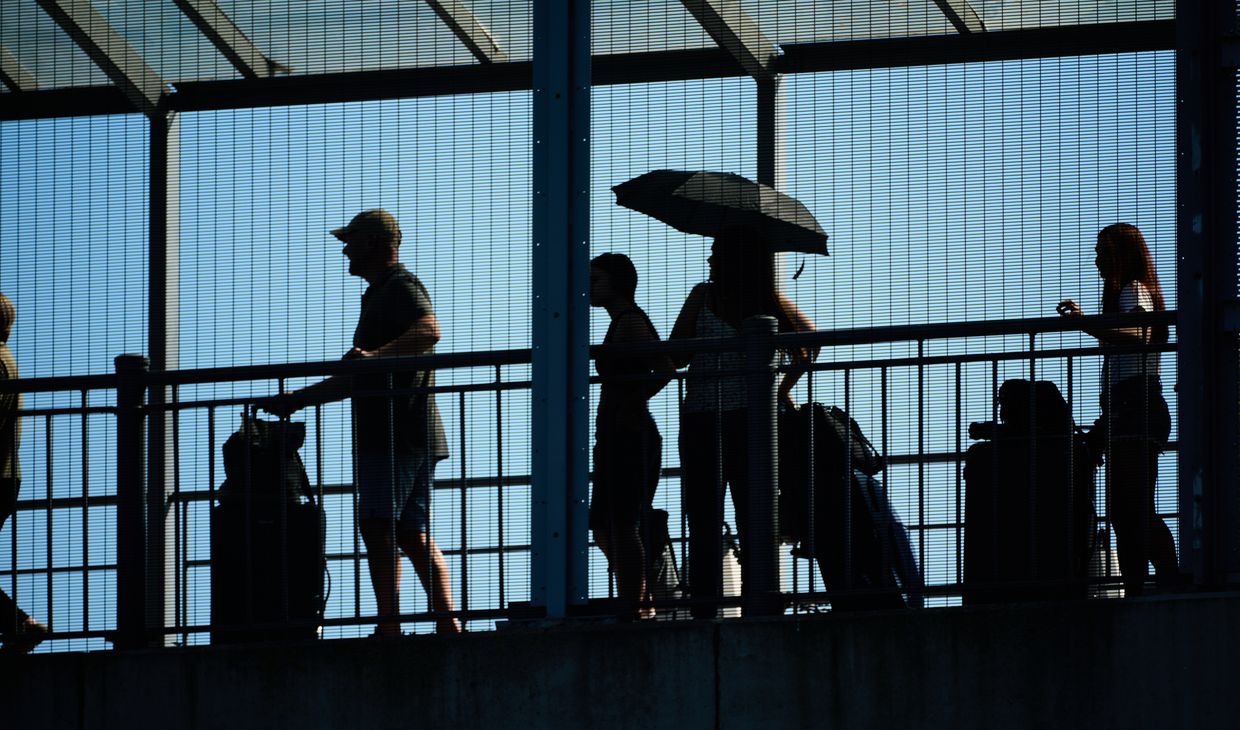
A coalition of European Union countries is pushing to bar Russian citizens who participated in the war against Ukraine from entering the Schengen Area, citing serious security concerns,  Estonian broadcaster ERR reported on June 19.

The call comes as Russia increased its hybrid operations targeting the European Union. EU security agencies have repeatedly warned of Russian-linked sabotage operations, including arson attacks, orchestrated by Moscow as part of hybrid warfare strategies.

Interior ministers from the Baltic states, Nordic countries, and Poland met in Tallinn on June 19, where they issued a joint statement confirming their intent to prevent entry into the visa-free Schengen zone for Russians who took part in the war against Ukraine, ERR reported.

"There are hundreds of thousands of Russian citizens who have fought against Ukraine," Estonian Interior Minister Igor Taro said following the meeting. "We must take a clear stance; these individuals cannot freely travel across Schengen."

"We will not issue them residence permits or visas," he added. "This group, which has been killing and destroying, poses a very significant security threat to all of us."

The ministers emphasized that this restriction should remain in place even after active hostilities cease in Ukraine.

"Member States should take all necessary measures to ensure that individuals who are or have been contracted by the Russian armed forces or other armed groups acting on behalf of the regime are not allowed to undermine our security or move freely within the Schengen Area," the joint statement read.

The high-level meeting also included European Commissioner for Home Affairs and Migration Magnus Brunner, as well as representatives from the EU border agency Frontex.

The Schengen Area allows for visa-free travel across 29 European countries for up to 90 days in any 180-day period. While several EU member states have imposed national restrictions on Russian travelers, others continue processing applications, keeping access routes open.

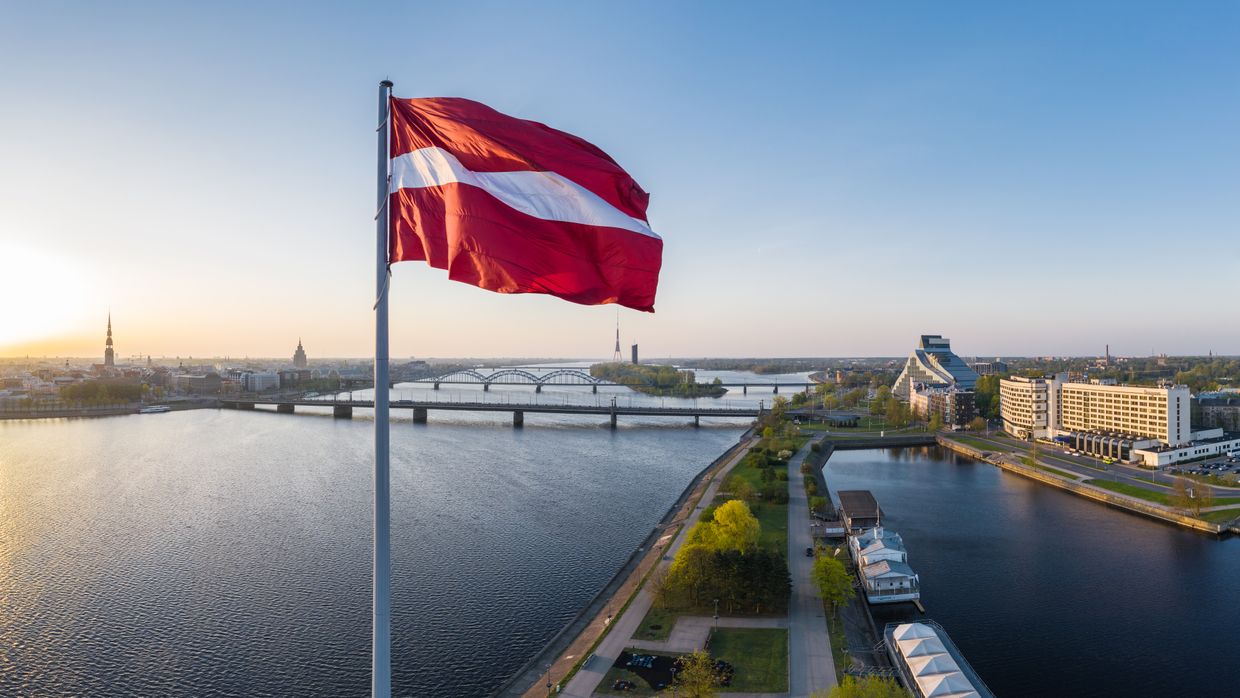
Latvia has been among the most vocal proponents of stricter visa policies for Russian nationals. Latvian Foreign Minister Baiba Braze urged on May 25 all EU countries to suspend visa issuance to Russians, citing escalating security threats from Moscow.

"Latvia calls on the EU countries to halt visa issuance for Russian citizens, citing security concerns," Braze wrote on X. She noted that Schengen visa approvals for Russian nationals had surged by 25% in 2024 compared to 2023.

Latvia imposed entry restrictions in September 2022 as part of a coordinated effort with Lithuania, Estonia, and Poland. Czechia followed suit in October 2022.

Concerns over the abuse of Schengen visas and diplomatic privileges have intensified amid a wave of suspected Russian sabotage and espionage on EU soil. Polish and Czech authorities have recently led an effort to limit the movement of Russian diplomats within the bloc, targeting individuals allegedly working under diplomatic cover for Russian intelligence services.

Latvia prohibits Russian, Belarusian citizens from purchasing real estate
The bill — which carves out exceptions for EU and Latvian permanent residence holders, Belarusian refugees, and repatriates — establishes the new restrictions under the pretenses of protecting the country’s national security.
Baltics, Nordics, Poland propose Schengen ban for Russians who fought in UkraineThe Kyiv IndependentDmytro Basmat
Baltics, Nordics, Poland propose Schengen ban for Russians who fought in Ukraine
  • ✇The Kyiv Independent
  • Ukrainian military denies NYT claims about Russian presence in Dnipropetrovsk Oblast
    There is no confirmed information that Russian troops have entered Ukraine's Dnipropetrovsk Oblast, spokesperson Victor Tregubov of the Khortytsia group of forces told Ukrainian media outlet Suspilne on June 13, refuting earlier claims published by the New York Times (NYT).The NYT cited Ukrainian military sources claiming that Russian troops crossed the administrative boundary into Dnipropetrovsk Oblast for the first time since the war began.The reporting also referenced a map by the Institute f
     

Ukrainian military denies NYT claims about Russian presence in Dnipropetrovsk Oblast

13 juin 2025 à 11:41
Ukrainian military denies NYT claims about Russian presence in Dnipropetrovsk Oblast

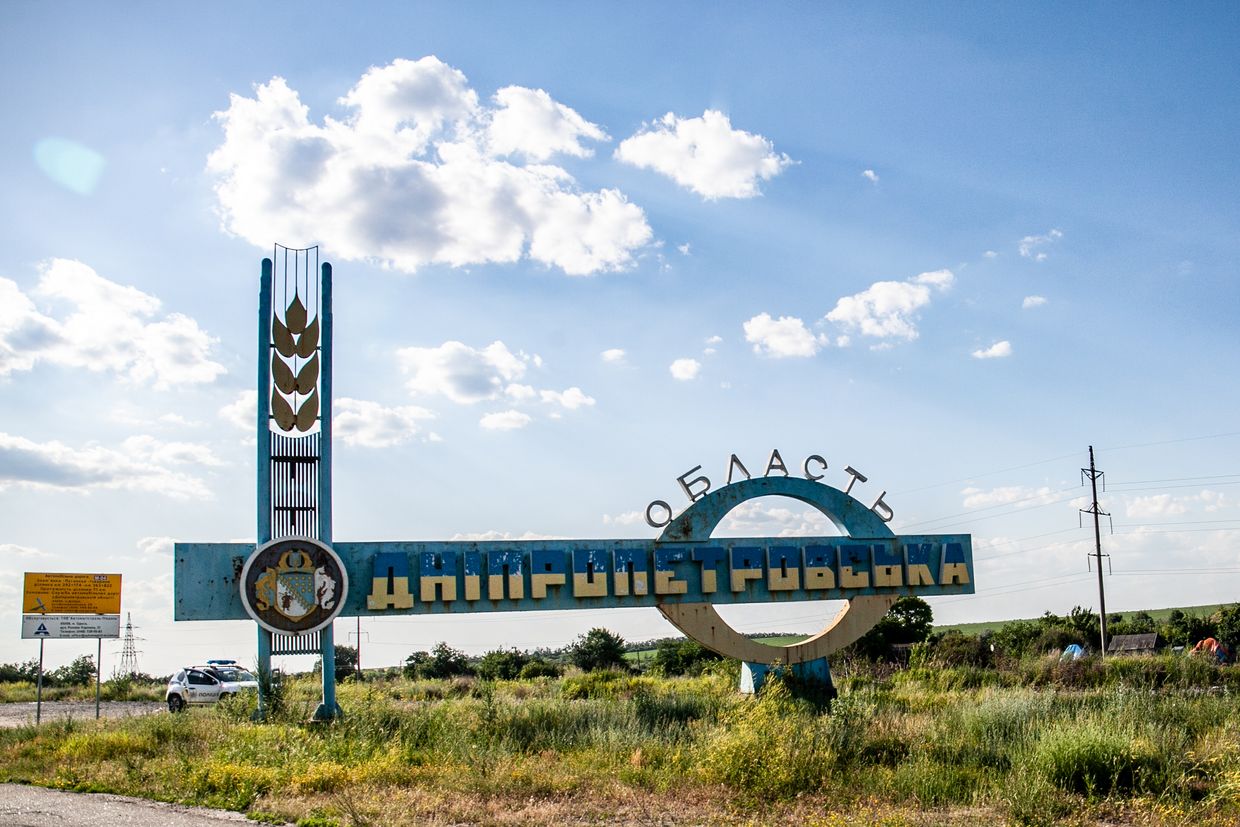
There is no confirmed information that Russian troops have entered Ukraine's Dnipropetrovsk Oblast, spokesperson Victor Tregubov of the Khortytsia group of forces told Ukrainian media outlet Suspilne on June 13, refuting earlier claims published by the New York Times (NYT).

The NYT cited Ukrainian military sources claiming that Russian troops crossed the administrative boundary into Dnipropetrovsk Oblast for the first time since the war began.

The reporting also referenced a map by the Institute for the Study of War (ISW) indicating that Russian forces advancing in the region had allegedly secured a foothold.

Tregubov said the situation remains unchanged as of June 13. He indicated that no information suggests Russian forces have crossed the administrative border, but he noted that updated intelligence may be available later in the day.

Andrii Zadubiny, press officer of the Khortytsia forces, also rejected the claims.

"No enemy incursion into Dnipropetrovsk Oblast has been recorded. We refute this information," he told Suspilne. He suggested that ISW might be relying on Russian sources.

On June 8, Russia's Defense Ministry claimed that its forces had entered Dnipropetrovsk Oblast, a claim that has not been substantiated by Ukrainian authorities.

The Ukrainian monitoring group DeepState also reported no evidence of Russian forces entering the oblast. A map depicting Russian-occupied areas of Ukraine indicates that the Russian troops are only a couple of kilometers from the border.

To date, Dnipropetrovsk Oblast — a major industrial region in central Ukraine — has not seen confirmed Russian ground incursions, though it has remained under constant threat from missile and drone attacks.

In late April, Ukrainian authorities began mandatory evacuations of families with children from four front-line villages — Kolona Mezhova, Novopidhorodne, Raipole, and Sukhareva Balka — located just kilometers from Russian positions.

The latest developments come amid growing pressure on Ukrainian defenses across multiple fronts and continued failure of U.S.-mediated negotiations to produce a ceasefire agreement.

After Israel’s strikes, Ukraine says Iran ‘source of problems’ but warns against destabilization
Ukraine on June 13 expressed concern over the security situation in the Middle East after Israeli air strikes against Iran, but stressed that Tehran remains a “source of problems” in the region “and beyond.”
Ukrainian military denies NYT claims about Russian presence in Dnipropetrovsk OblastThe Kyiv IndependentMartin Fornusek
Ukrainian military denies NYT claims about Russian presence in Dnipropetrovsk Oblast
  • ✇The Kyiv Independent
  • Russia preparing strategic reserves for conflicts beyond Ukraine, Ukraine warns
    Foreign Minister Andrii Sybiha warned on June 13 that Russia has begun preparing strategic military reserves, signaling plans for military operations that may extend beyond Ukraine."According to our intelligence, Russia has started to prepare strategic reserves, which indicates plans for combat operations not only in Ukraine," Sybiha said during the Globsec conference in Prague, calling for urgent diplomatic and economic pressure. "Allies need full diplomatic mobilization to stop this war. This
     

Russia preparing strategic reserves for conflicts beyond Ukraine, Ukraine warns

13 juin 2025 à 08:51
Russia preparing strategic reserves for conflicts beyond Ukraine, Ukraine warns

Foreign Minister Andrii Sybiha warned on June 13 that Russia has begun preparing strategic military reserves, signaling plans for military operations that may extend beyond Ukraine.

"According to our intelligence, Russia has started to prepare strategic reserves, which indicates plans for combat operations not only in Ukraine," Sybiha said during the Globsec conference in Prague, calling for urgent diplomatic and economic pressure.

"Allies need full diplomatic mobilization to stop this war. This is not just a question for Ukraine. (Russian President Vladimir) Putin only understands strength, and right now it's crucial to apply sanctions in a timely manner, using them as economic weapons to pressure Russia," Sybiha said.

The comments come as Russia intensifies its military offensives and missile strikes across Ukraine, despite participating in two recent rounds of peace talks in Istanbul. The first talks were held on May 16, followed by a second meeting on June 2. While both rounds produced agreements on prisoner exchanges, they failed to secure a ceasefire.

President Volodymyr Zelensky said in a June 12 interview with Germany's Bild newspaper that Russia is using the talks to delay tougher U.S. sanctions, while continuing to escalate attacks on Ukrainian cities.

Russia also continues to issue nuclear threats to Western countries. Putin claimed on June 11 that Russia possesses the world's most advanced nuclear systems, with 95% of its strategic nuclear forces reportedly made up of modern equipment.

Putin emphasized the need to significantly strengthen Russia's ground forces. Russian defense spending has surged to 6.3% of GDP, the highest level since the Cold War, as Moscow continues to ramp up its military investment amid the ongoing war.

What Russia’s 1 million casualties mean for Ukraine
The Kyiv Independent’s Chris York sits down with George Barros, team lead for the Russia and Ukraine portfolio at the Institute for the Study of War, to discuss what Russia’s approaching one million casualties mean for its war effort in Ukraine. They explore how the Kremlin might generate more forces — and what impact this could have on Russia’s economy.
Russia preparing strategic reserves for conflicts beyond Ukraine, Ukraine warnsThe Kyiv IndependentChris York
Russia preparing strategic reserves for conflicts beyond Ukraine, Ukraine warns
  • ✇The Kyiv Independent
  • Over 100,000 Russian families seek missing soldiers through Ukrainian project, Kyiv says
    More than 100,000 Russian families have contacted a Ukrainian-run initiative in search of information about missing Russian soldiers, Ukraine's Coordination Headquarters for the Treatment of the Prisoners of War (POWs) said on June 12.The announcement comes as Russia and Ukraine are conducting a series of the most extensive prisoner exchanges since the beginning of the large-scale war in 2022. The latest phase of the exchange occurred on June 12.The initiative, called "I Want to Find" (Russian:
     

Over 100,000 Russian families seek missing soldiers through Ukrainian project, Kyiv says

12 juin 2025 à 09:00
Over 100,000 Russian families seek missing soldiers through Ukrainian project, Kyiv says

More than 100,000 Russian families have contacted a Ukrainian-run initiative in search of information about missing Russian soldiers, Ukraine's Coordination Headquarters for the Treatment of the Prisoners of War (POWs) said on June 12.

The announcement comes as Russia and Ukraine are conducting a series of the most extensive prisoner exchanges since the beginning of the large-scale war in 2022. The latest phase of the exchange occurred on June 12.

The initiative, called "I Want to Find" (Russian: "Хочу найти"), has received 100,324 requests from Russian citizens seeking answers about relatives who vanished while serving in Russia's military, the Coordination Headquarters said.

The actual number of missing Russian troops is believed to be significantly higher. Since launching its full-scale invasion of Ukraine in February 2022, the Kremlin has largely concealed the scale of its military losses, forcing many families to search independently, Ukrainian officials said.

In May 2025 alone, the project received a record 12,320 inquiries — the highest monthly figure since the program began in January 2024.

Through the project, families can verify whether their relatives have been captured or killed, which may enable them to pressure Russian authorities to pursue prisoner exchanges. As of June, Ukraine has confirmed 2,415 Russian soldiers held in captivity, with 1,126 of them already exchanged for Ukrainian defenders, the Coordination Headquarters said.

"Many more Russians remain in captivity, but not all families know about the program or have submitted requests," the agency added.

A detailed analysis of the requests revealed that some of Russia's most severely depleted units include the 15th Separate Motorized Rifle Brigade (Military Unit 90600), which accounts for 2,277 missing personnel — the highest of any single unit. Of the 20 most-affected units, 17 are motorized rifle brigades, often deployed in Russia's most brutal infantry assaults, commonly referred to as "meat grinder" tactics.

The data also showed that 26% of missing soldiers were under the age of 30. The youngest reported missing was 18, and the oldest was 67.

The project has also uncovered a shift in public sentiment, claiming 75% of those submitting requests said they do not support Russia's war in Ukraine.

According to the Ukrainian General Staff, Russia has lost over 1 million troops since the start of its invasion — a figure reported for the first time on June 12, with 1,140 casualties recorded in just one day. The total reported Russian losses stand at 1,000,340 as of that date.

The Kremlin has not commented on the figures.

As Russian losses in Ukraine hit 1 million, Putin faces an economic time bomb
Russian losses in Ukraine hit a massive, and grim milestone on June 12 — 1 million Russian soldiers killed or wounded during the 39-month-long full-scale war, according to figures from Kyiv. Although hugely symbolic, the number is unlikely to prompt a change in tactics from Moscow as it gears up for
Over 100,000 Russian families seek missing soldiers through Ukrainian project, Kyiv saysThe Kyiv IndependentChris York
Over 100,000 Russian families seek missing soldiers through Ukrainian project, Kyiv says
❌