Ukrainian drones have increasingly targeted warehouses belonging to Wildberries, which many Russians rely on as the country’s largest e-commerce business.
Ukrainian drones have increasingly targeted warehouses belonging to Wildberries, which many Russians rely on as the country’s largest e-commerce business.
Russia's biggest online retailer is trying to stop its own workers from filming air defenses. From 3 August, Wildberries has allowed warehouse employees to bring only button mobile phones without cameras to work, a decision taken after staff began filming drones and the aftermath of their strikes and spreading the material, Russian Telegram channels reported.
The ban is a reaction to Ukrainian strikes. On 31 July, employees received a message stating that photo and vide
Russia's biggest online retailer is trying to stop its own workers from filming air defenses. From 3 August, Wildberries has allowed warehouse employees to bring only button mobile phones without cameras to work, a decision taken after staff began filming drones and the aftermath of their strikes and spreading the material, Russian Telegram channels reported.
The ban is a reaction to Ukrainian strikes. On 31 July, employees received a message stating that photo and video recording during air-raid alerts at the warehouses supposedly poses a security threat, could reveal the location of air-defense forces, and violates Russian law, according to "Ostorozhno, novosti".
Wildberries said that after workers were allowed to bring smartphones onto warehouse grounds, cases of filming drones and their attacks, and sharing that footage, were recorded.
The camera ban follows a month of burning warehouses
The timing ties the ban directly to Ukraine's campaign. Ukrainian drones destroyed eight Wildberries warehouses in July, about 15.4% of the marketplace's total storage, killing one employee at its Elektrostal facility.
Workers inside those facilities filmed the strikes as they happened, and the footage spread across social media, documenting the fires and the damage in real time. The camera ban is Wildberries' answer to remove the phones that turned its own employees into witnesses.
The stated reason is security, the effect is silence
Wildberries framed the ban as protection. To "eliminate such risks," from 3 August, only button phones without cameras are allowed at logistics centers, the company said, adding that such devices let workers stay in touch with family while meeting security requirements.
The security rationale doubles as information control. Footage of burning warehouses is evidence of a campaign hurting a flagship Russian company, and by stripping cameras from the workforce, Wildberries removes the most direct source of that evidence. The move is a quiet admission of how much the strikes have landed: a company does not confiscate its workers' phone cameras over attacks that are not doing damage.
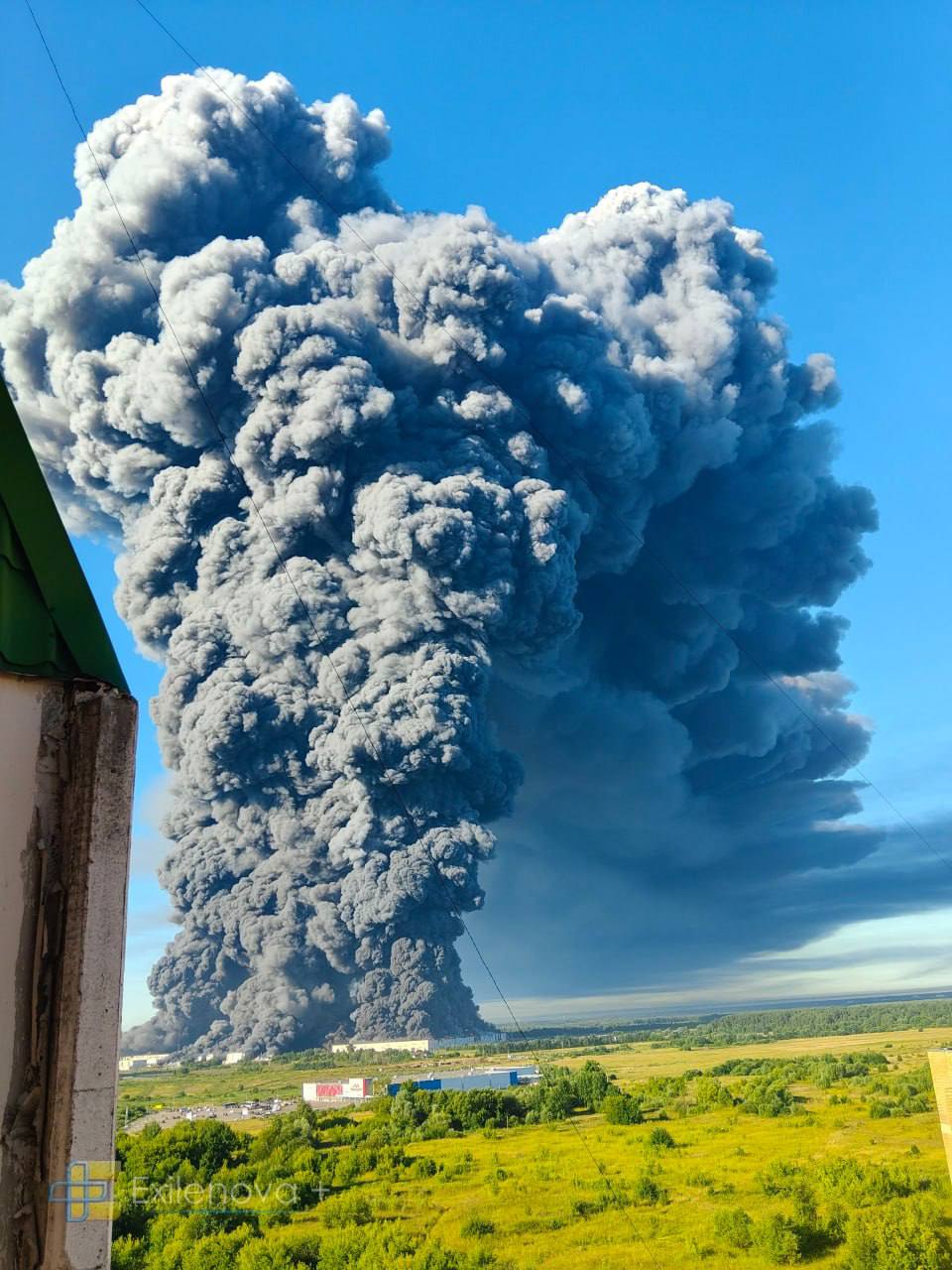
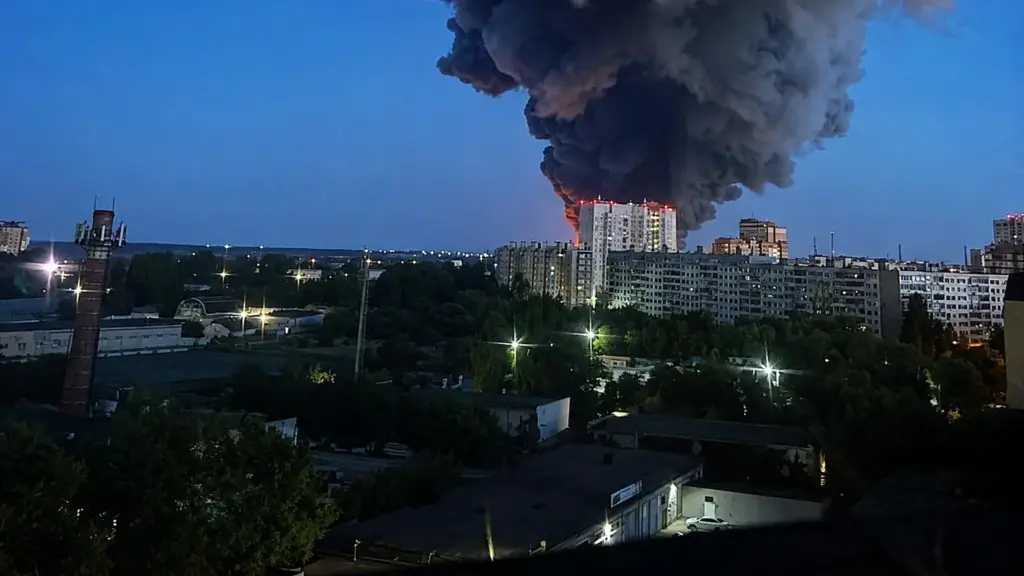
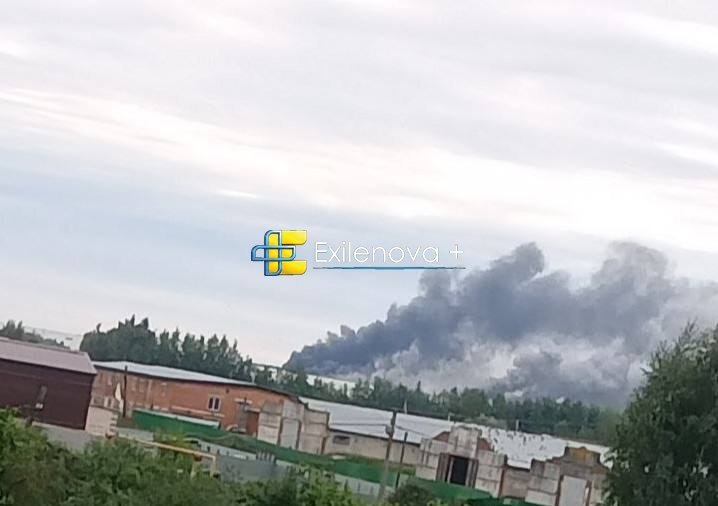
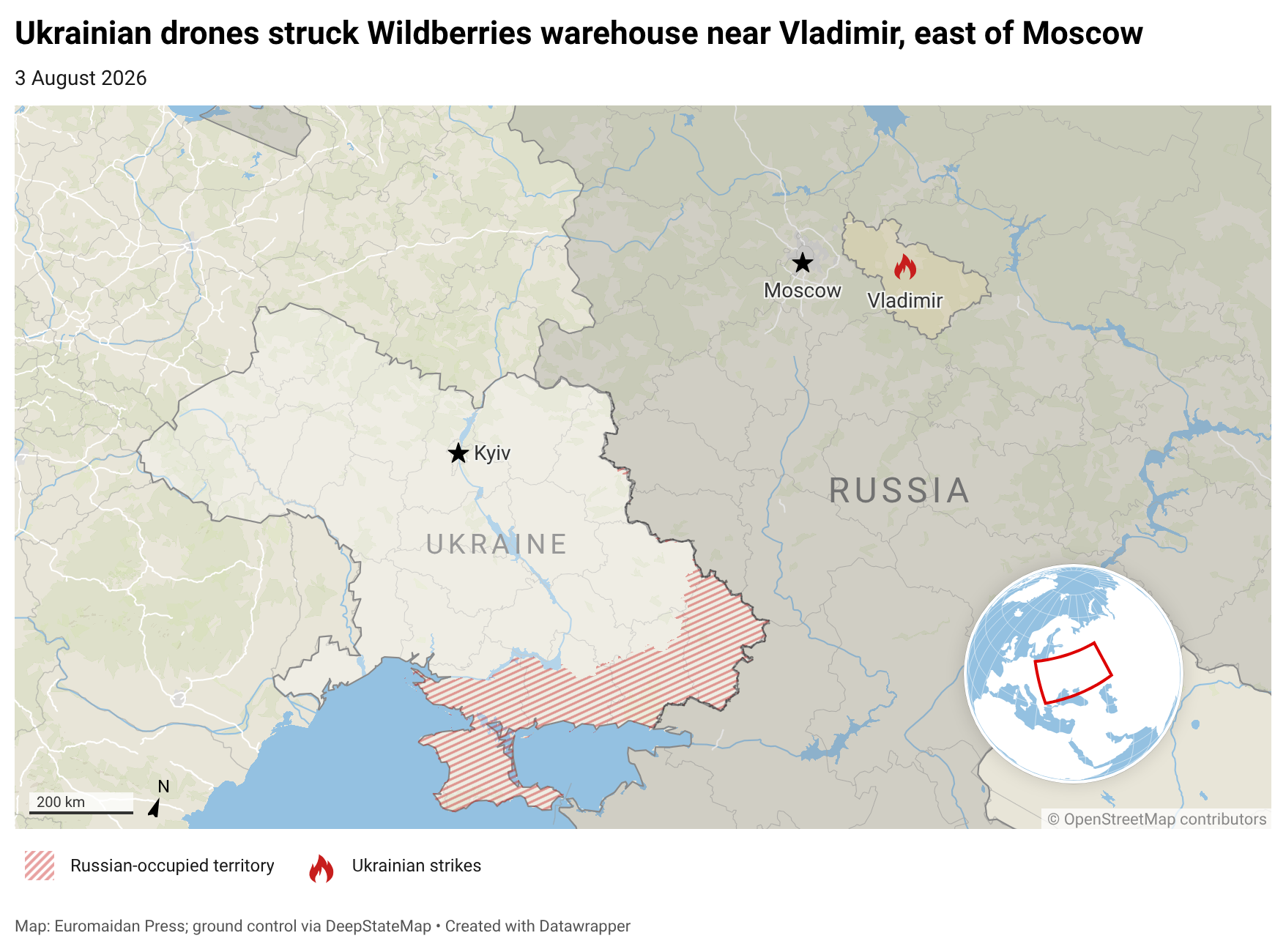
Ukrainian drones set fire to one of the largest warehouses of Russia's biggest online retailer on the morning of 3 August, according to the Ukrainian monitoring Telegram channel Exilenova+ and local authorities. The strike hit a Wildberries logistics hub in Russia's Vladimir Oblast, hundreds of kilometers from Ukraine, and touched off a fire that Russian officials and the company confirmed.
It widened a two-week Ukrainian campaign against the retail network that helps
Ukrainian drones set fire to one of the largest warehouses of Russia's biggest online retailer on the morning of 3 August, according to the Ukrainian monitoring Telegram channel Exilenova+ and local authorities. The strike hit a Wildberries logistics hub in Russia's Vladimir Oblast, hundreds of kilometers from Ukraine, and touched off a fire that Russian officials and the company confirmed.
It widened a two-week Ukrainian campaign against the retail network that helps keep Russia's war economy running. For the first years of its invasion, Russia treated its interior as a safe rear. Ukraine's long-range drones have turned that rear into a target set, striking the fuel and freight networks hundreds of kilometers from the front that keep the war supplied.
Ukrainian drones burned a hub built to hold 120 million items
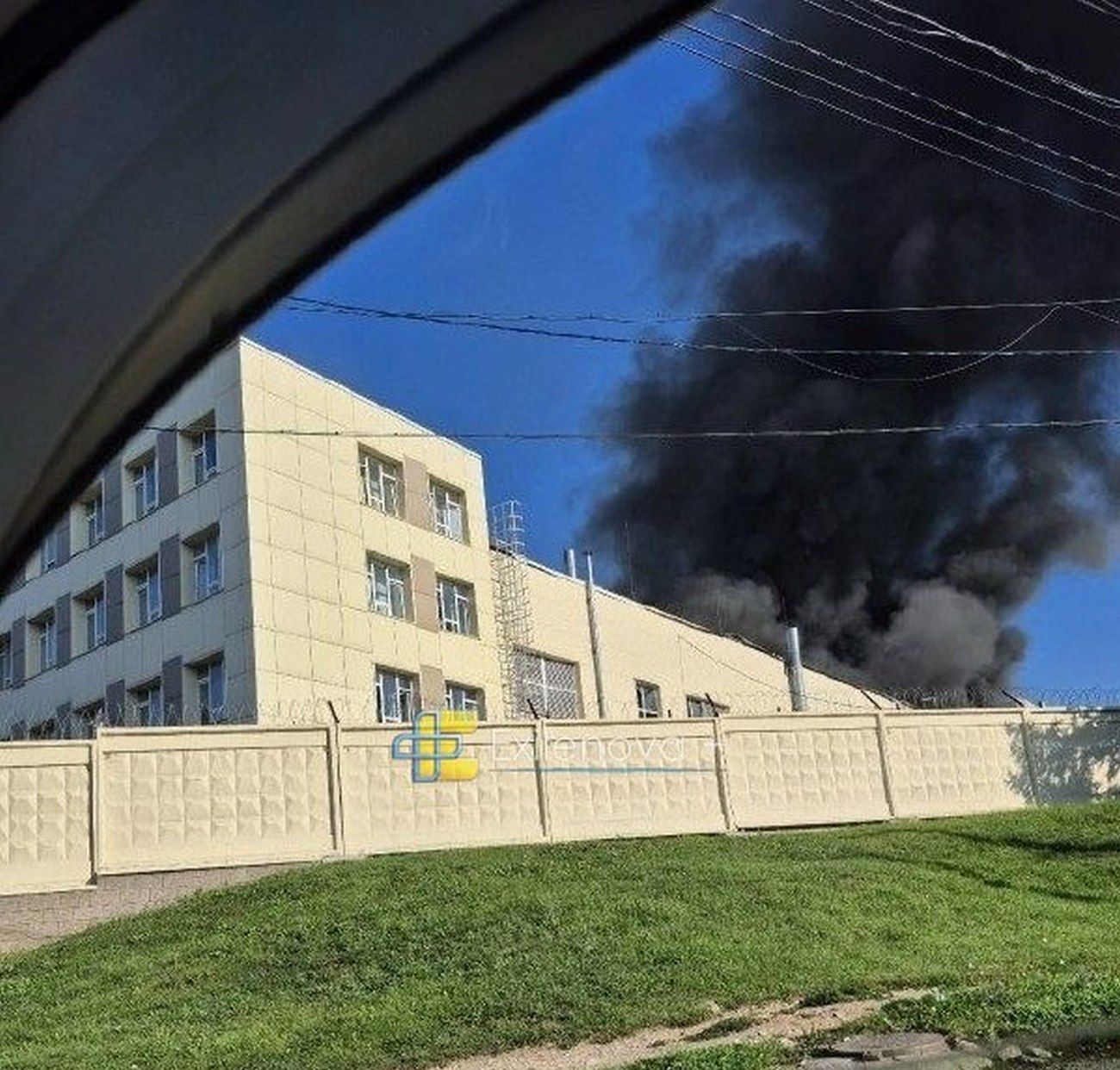
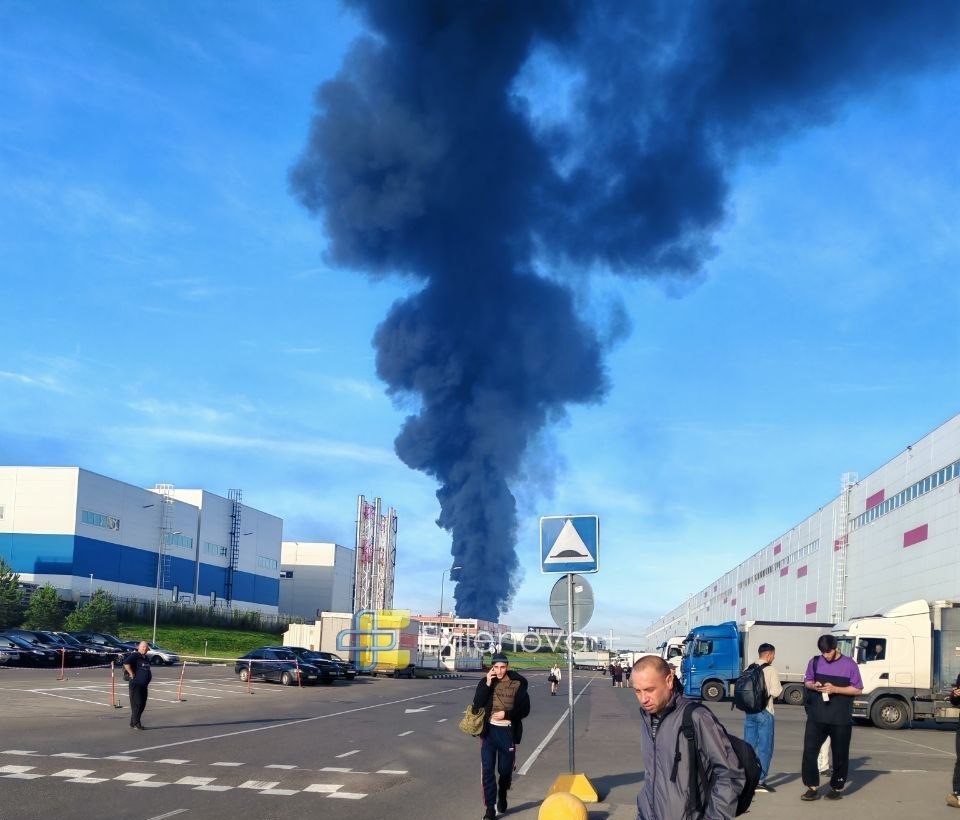
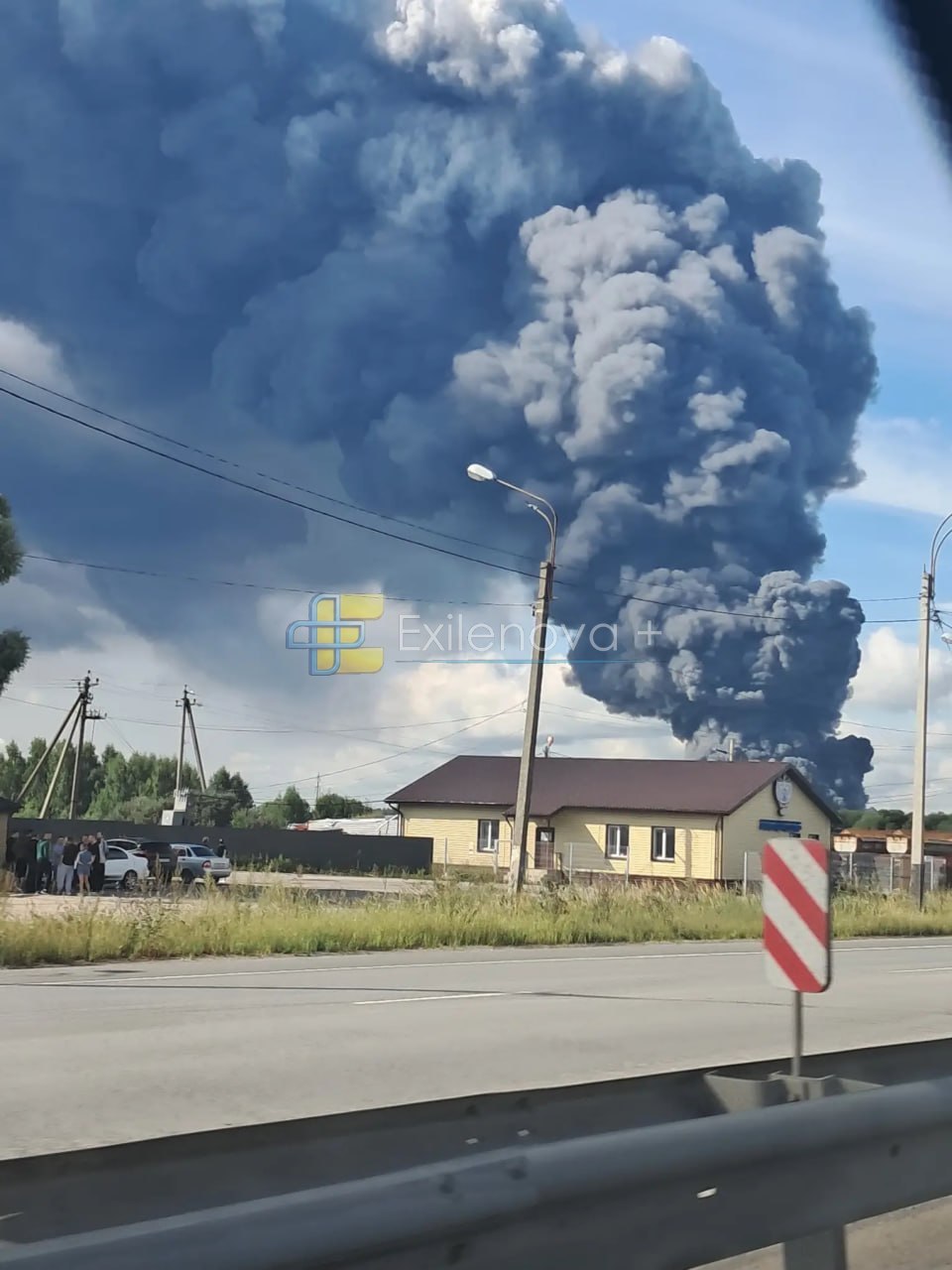
Ukrainian FP-1 attack drones struck the Wildberries logistics center in the village of Khryastovo, in Vladimir Oblast's Sobinsky district, on the morning of 3 August. Exilenova+ began reporting an ongoing attack around 07:00 local time, then geolocated videos and photos of the fire. The site sits about 580 kilometers from Ukraine's border.
The complex is one of Wildberries' largest. It spans 171,900 square meters and moves goods between the Moscow region and central, northwestern, and northern parts of European Russia. Built for more than 120 million items, it was meant to reach roughly 175,000 square meters at full capacity.
A column of black smoke towers over Khryastovo, Vladimir Oblast, Russia, seen from a roadside after a Ukrainian drone strike set a Wildberries logistics center ablaze, 3 August 2026. Photo: Exilenova+
Footage captured the moment an FP-1 drone slammed into the warehouse. The smoke rose over the site and was visible for tens of kilometers. The Ukrainian firm Fire Point, which makes the FP-1 long-range strike drone, said Ukraine's Defense Forces hit the hub with its drones. Vladimir Oblast Governor Alexander Avdeyev confirmed the strike.
Vladimir's Wildberries ablaze
This morning, drones struck another warehouse of Russia's e-commerce giant in Khryastovo, Vladimir Oblast, about 150 km east of Moscow and 580 km northeast of Ukraine.
Wildberries also confirmed a fire at the logistics center and said it had moved order intake and shipping to other sites. The Russian news Telegram channel Astra reported that one of Wildberries' largest warehouses in Vladimir Oblast halted operations after the attack and fire.
The strike extends a campaign against Russia's Amazon clone
Ukraine has spent two weeks burning the warehouses of Wildberries, Russia's biggest online retailer and its answer to Amazon. The campaign began on 18 July with strikes on hubs in Elektrostal near Moscow and Kotovsk in Tambov Oblast.
The day before the Khryastovo strike, on 2 August, Ukrainian drones hit another Wildberries hub in Samara Oblast. Ukrainian drones destroyed eight of the retailer's warehouses in July, about 15.4% of its storage, and later raids hit sites in Volgograd and Tatarstan.
The Boyle Heights neighborhood of Los Angeles is still dealing with foul odor and fears over possible toxins over a month after a cold-storage facility burst into flames.
The Boyle Heights neighborhood of Los Angeles is still dealing with foul odor and fears over possible toxins over a month after a cold-storage facility burst into flames.
The nearly 500,000-square-foot facility burst into flames on June 17, blanketing the neighborhoods of Boyle Heights and East Los Angeles in thick smoke for days.
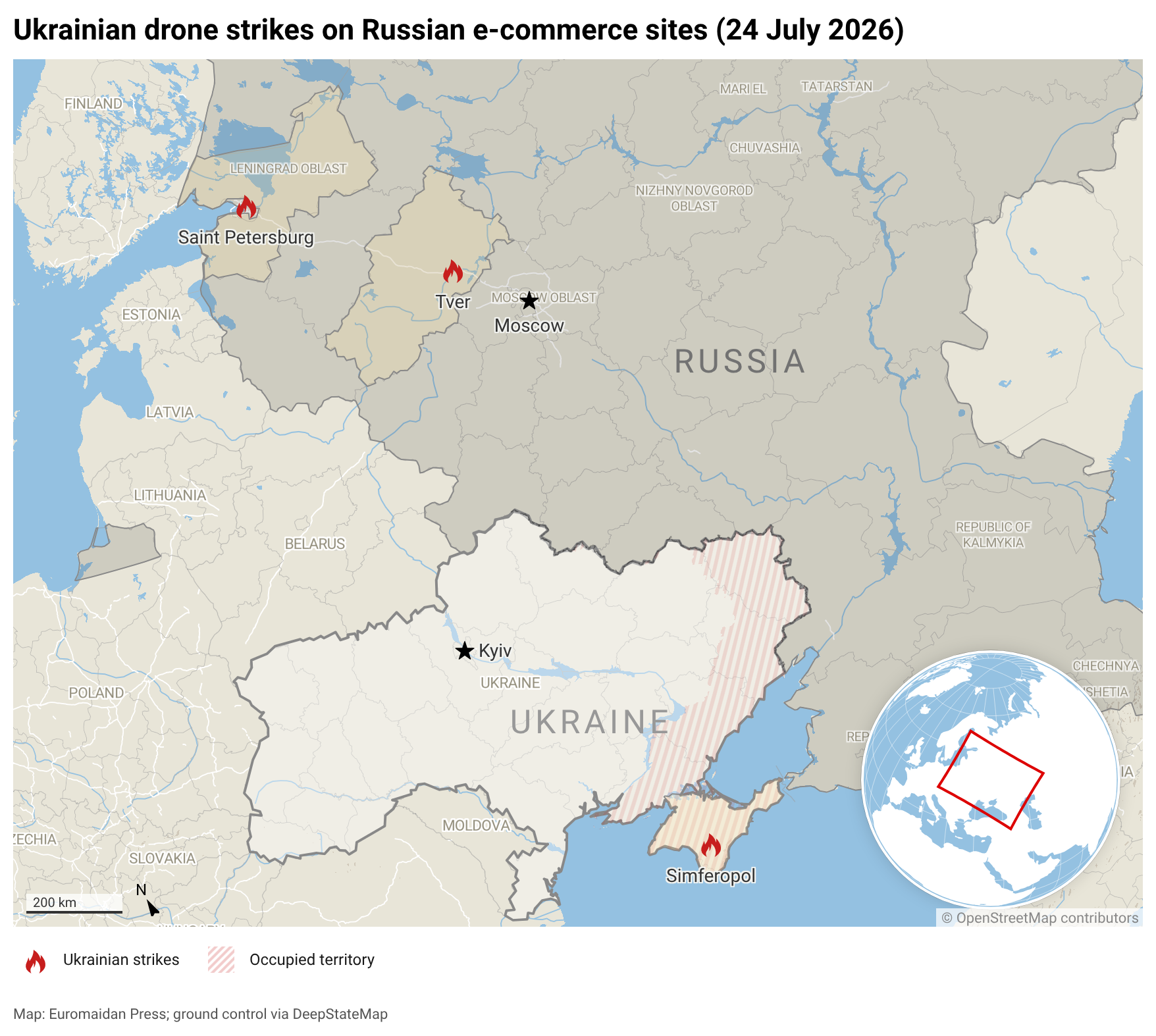
Ukrainian long-range drones struck warehouses of Russia's biggest online retailer overnight and into the morning of 24 July, hitting occupied Crimea and Russia's second-largest city, according to Ukrainian and Russian monitoring channels. Fires broke out at Wildberries logistics sites, and the company suspended operations near St. Petersburg while evacuating its sorting center in occupied Simferopol. Another—less successful—strike occured in Tver. Russia scrambled fight
Ukrainian long-range drones struck warehouses of Russia's biggest online retailer overnight and into the morning of 24 July, hitting occupied Crimea and Russia's second-largest city, according to Ukrainian and Russian monitoring channels. Fires broke out at Wildberries logistics sites, and the company suspended operations near St. Petersburg while evacuating its sorting center in occupied Simferopol. Another—less successful—strike occured in Tver. Russia scrambled fighter jets and claimed dozens of drones downed, but the warehouses burned.
Ukraine's long-range drone units have spent the summer turning Russia's rear-area commercial and fuel logistics into a repeat target, part of a widening deep-strike campaign that has hit warehouses and depots deep inside Russian territory.
Fires from occupied Crimea to the Baltic coast
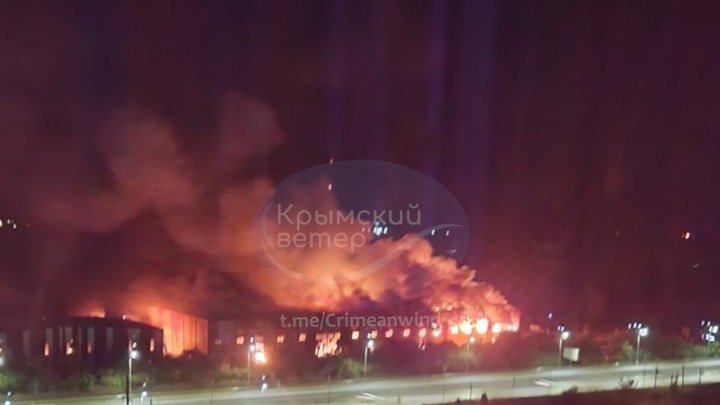
The night's strikes began over occupied Simferopol. The monitoring Telegram channel Krymsky Veter logged explosions from 23:55, pointing to a likely hit on a thermal power plant and a Wildberries warehouse, and later noted a fire at a substation in the Feodosia district. Ukrainian monitoring channel Exilenova+ also reported the Simferopol strike, while the Astra Telegram channel said the sorting center there was attacked overnight.
Fire at a Wildberries warehouse after a Ukrainian drone strike in occupied Simferopol, Crimea, 24 July 2026. Photo: Krymsky Veter
Wildberries confirmed it, saying it evacuated staff from the Simferopol center at 01:40 "in line with safety requirements." Founder Tatyana Kim later confirmed the warehouse had been hit.
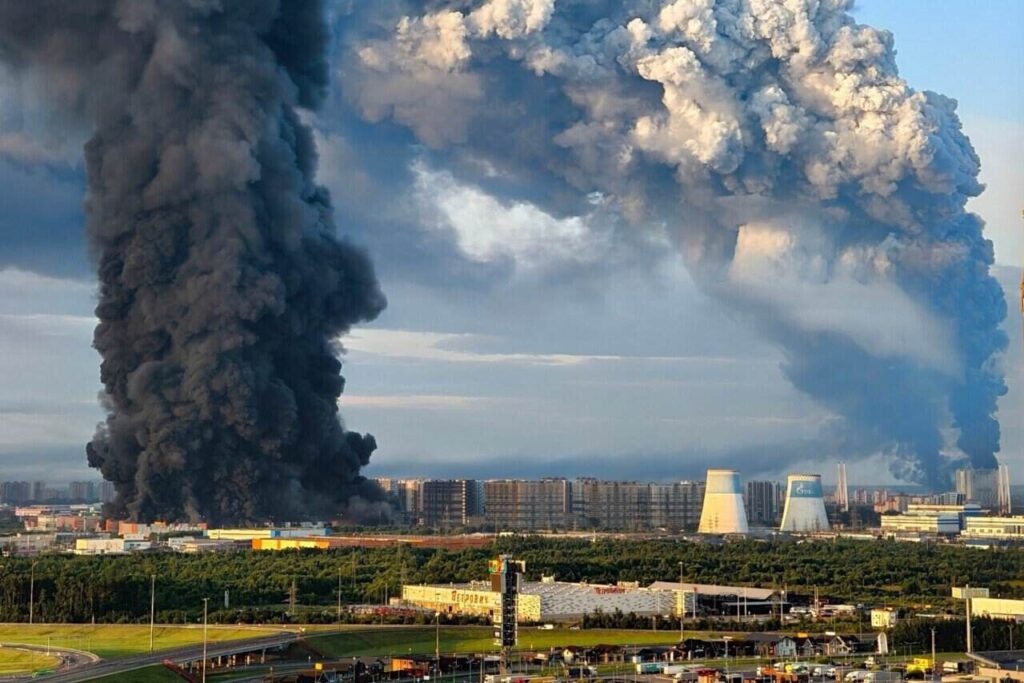
By morning, the drones struck the St. Petersburg area. Videos published by Exilenova+ and reports cited by Astra documented two logistics centers on fire — one at Shushary in the city's Pushkinsky district, a roughly 106,000-square-meter complex among the retailer's largest in northwest Russia, and one at Utkina Zavod in the village of Novosaratovka, just across the city's administrative line.
Astra reported the Novosaratovka blaze. Wildberries said it had temporarily halted work at both. Ukraine's Defense Forces used long-range FP-1 drones made by Fire Point.
Russia's Amazon clone is burning again, and now its rival has joined it
Overnight strikes hit the Shushary complex inside Saint Petersburg, about 106,000 m² and one of Wildberries' biggest distribution centers in northwest Russia, along with the sprawling Utkina Zavod logistics… pic.twitter.com/8t0Cvnz8Yd
Ukraine's drone-force commander Robert Brovdi, call sign "Madyar," wrote on Facebook:
"Today from Simferopol to Piter" — Piter being the Russian nickname for St. Petersburg.
Leningrad Oblast Governor Aleksandr Drozdenko claimed air defenses shot down 59 drones. He also confirmed a hit on the Novosaratovka Wildberries warehouse that injured three people, and said drones struck a storage building at the "Severnaya" poultry farm in Sinyavino, collapsing part of one structure. St. Petersburg Governor Aleksandr Beglov acknowledged a drone hitting a "civilian infrastructure object."
A fire also broke out at a logistics-center administrative building in Tver after a drone attack, which the acting regional governor said was already put out—one version held it was also a Wildberries warehouse.
Explore further
One plant makes the seats that save Russian pilots—Ukraine’s Flamingo missile torched it 1,200 km from home
Another week of strikes on the retailer
The day before, Ukrainian drones hit a Wildberries distribution center in Voronezh Oblast, where the governor acknowledged roof damage, and tried to reach a warehouse in Kazan, where locals said air defenses downed them.
Over the past week, Ukrainian drones struck about 10% of Wildberries' logistics network and knocked out 8% of its warehouses, Russian business daily Kommersant calculated from open data. Rebuilding the lost storage space alone, without equipment, was estimated at about $450 million, and company sources warned some sites may need full reconstruction.
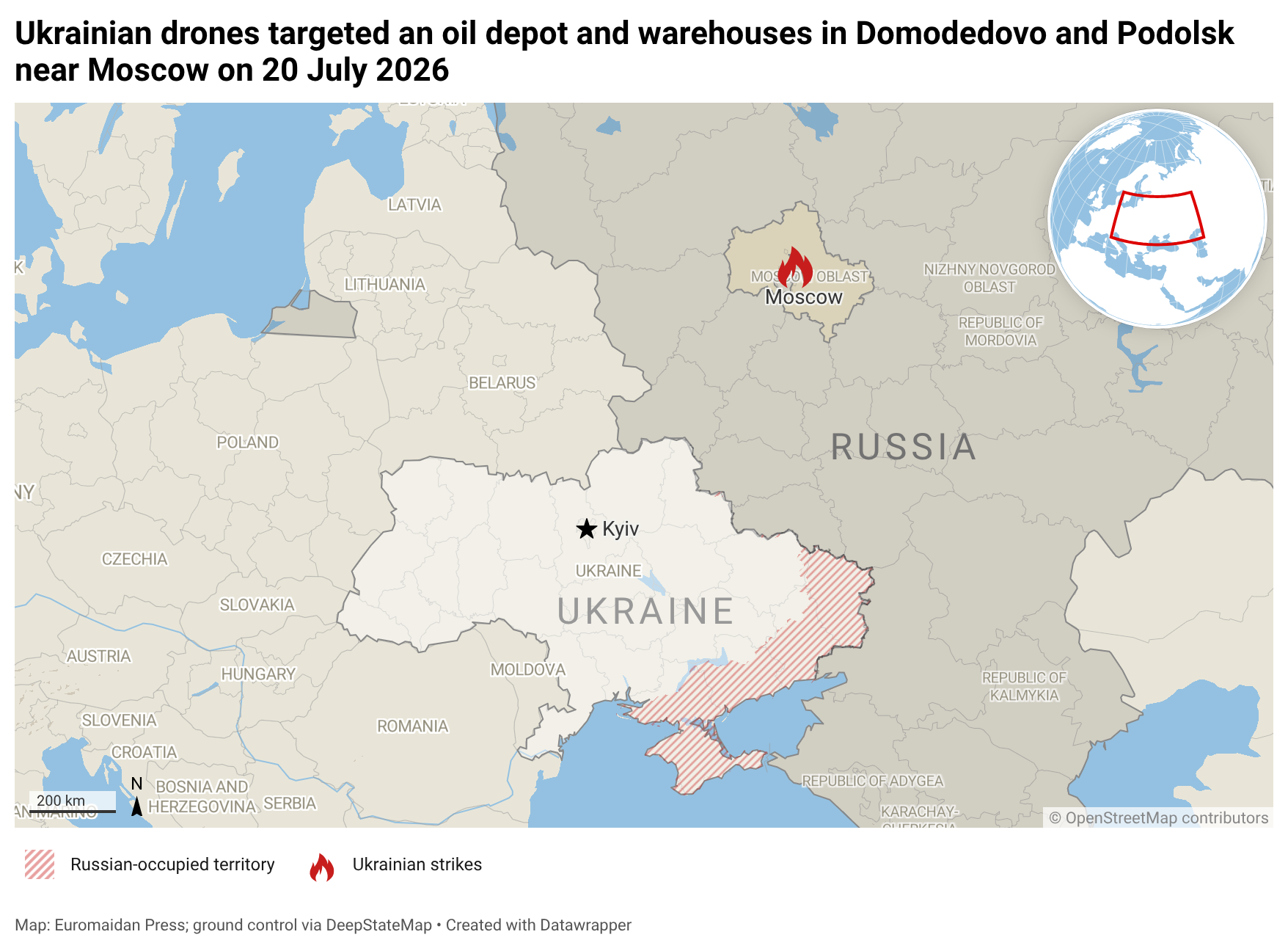
Ukrainian drones struck logistics warehouses and an oil depot deep in Russia's Moscow Oblast overnight, setting off a wave of fires, monitoring channels reported. President Volodymyr Zelenskyy later confirmed the strikes. Russian authorities acknowledged the attack while claiming their air defenses had beaten back most of it.
Russia continues its daily strikes on Ukrainian residential areas and civilian infrastructure. It has spent the war battering Ukraine's postal hub
Ukrainian drones struck logistics warehouses and an oil depot deep in Russia's Moscow Oblast overnight, setting off a wave of fires, monitoring channels reported. President Volodymyr Zelenskyy later confirmed the strikes. Russian authorities acknowledged the attack while claiming their air defenses had beaten back most of it.
Russia continues its daily strikes on Ukrainian residential areas and civilian infrastructure. It has spent the war battering Ukraine's postal hubs, supermarkets, and warehouses, and Ukraine has answered by pushing its long-range drones ever deeper toward Moscow and as far as the Ural region — a campaign treating the logistics and fuel network sustaining Russia's war economy as fair game.
Monitors tracked the strike and at least five fires
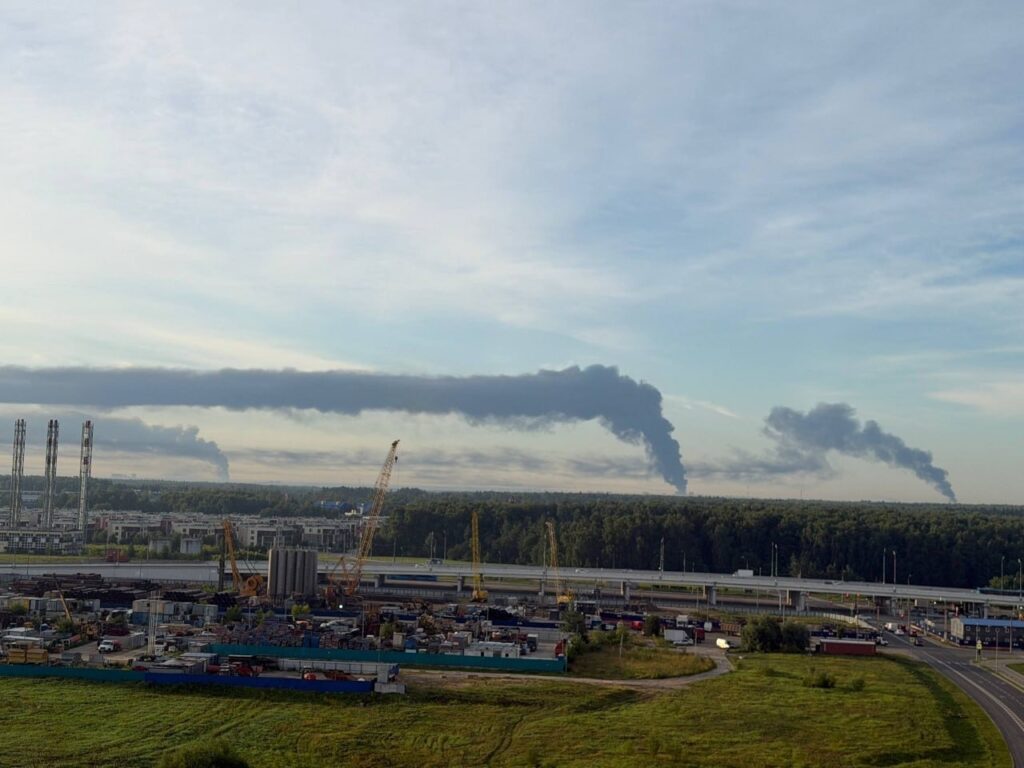
The Ukrainian monitoring Telegram channel Exilenova+ reported the attack and the first fires from around 3 a.m. on 20 July, sharing photos and video through the night. Ukrainian Defense Forces drones hit an oil depot and four logistics warehouses near Moscow, Militarnyi reported, adding that local residents recorded at least five separate fire sites.
At least five fires broke out across Moscow's suburbs after Ukrainian drones struck
Among the targets were an oil depot in Podolsk and a warehouse at the Yuzhnye Vrata logistics park near Domodedovo, one of the largest warehouse complexes in the region.
The oil depot sat in Podolsk, roughly 46 km south of Moscow, holding 10 tanks with a combined 19,400 cubic meters. NASA's FIRMS satellite system flagged an abnormal heat spike there at 04:05.
A warehouse fire also broke out at the Yuzhnye Vrata logistics park near Domodedovo, a complex used by Wildberries, Yandex Market, Alibaba Group, Decathlon and other firms. The Russian news Telegram channel Astra placed that blaze from eyewitness footage, and Domodedovo authorities later acknowledged it.
Drones also struck the Gryvno logistics park in the Podolsk district, a site used by Ozon.
Astra put a fifth fire in Podolsk's Klimovsk area, about 200 meters from a Russian small-arms research institute.
Black smoke rises over a logistics area in Russia's Moscow Oblast on 20 July 2026, at a site Ukrainian monitoring channels identified as the Wildberries terminal in Koledino, after a Ukrainian drone strike. Photo: Exilenova+
Drones hit a Wildberries hub, the company denied it
Militarnyi said drones hit the Wildberries sorting center in Koledino, one of the company's largest, partially destroying two warehouses. Monitoring channels identified the drones as FP-1s. Wildberries — Russia's largest online retailer and its answer to Amazon — denied any damage in a statement carried by the pro-war Russian Telegram channel Two Majors, saying it had evacuated staff as a precaution and the complex was working normally. Astra said it could not confirm a fire at the site.
A drone struck the top floor of a residential building in Domodedovo, damaging the facade without starting a fire, local authorities claimed. The Domodedovo hospital reported six people brought in with blast injuries, while Moscow Oblast Governor Andrei Vorobyov said at least 10 were wounded across the region.
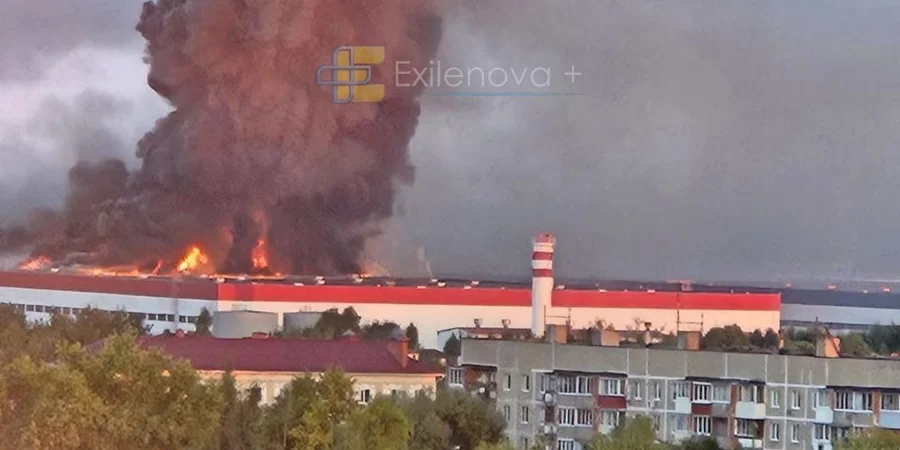
A warehouse burns after a Ukrainian drone strike in Russia's Moscow Oblast on the morning of 20 July 2026. Photo: Exilenova+
Vorobyov claimed the attack had been repelled, citing damage in Odintsovo, Podolsk, and Domodedovo. Moscow Mayor Sergei Sobyanin stated more than 400 drones flew toward the region between 20:30 Sunday and 5:00 Monday, and that 85 were downed near the Russian capital.
Explore further
“When karma works”: Ukraine torched 188,000-square-meter warehouse of Russia’s biggest online retailer after years of strikes on leading logistics company
Ukraine casts the strike as an answer to Russia
Zelenskyy confirmed that the Unmanned Systems Forces, intelligence, missile and artillery troops, and Special Operations Forces had struck logistics facilities and an oil depot more than 400 kilometers from the border. Ukrainian forces also hit two shadow-fleet tankers and four dry-cargo ships in the Black Sea the same night, he said.
"We fairly respond to every Russian strike on our cities and communities," Zelenskyy said. "This war must be ended, and that is only possible by increasing pressure on the sole cause of this war — Russia."
The attack was the second on Russian logistics terminals in days, following fires at a Wildberries center in Elektrostal and an oil depot in Noginsk on 18 July. Ukraine's drones have reached the capital region repeatedly throughout the summer.
After the 18 July attack, a Wildberries founder offered sellers loans rather than compensation, saying the marketplace was not obligated to pay for goods lost in the fires.

 Connexion



 Exilenova+