Vue normale

  • ✇Euromaidan Press
  • Ukrainian AI targeting module placed third among 60-plus entries in NATO contest
    A Ukrainian company has placed third in a NATO contest to find ways of keeping an enemy's airfields shut down over time. Its artificial-intelligence targeting module finished among the top three of more than 60 entries in the Persistent Airfield Denial Innovation Challenge, Ukraine's Defense Ministry said. The challenge was run jointly by NATO Allied Command Transformation and the NATO-Ukraine Joint Analysis, Training and Education Center, the first jointly staffed NATO
     

Ukrainian AI targeting module placed third among 60-plus entries in NATO contest

7 septembre 2026 à 16:20

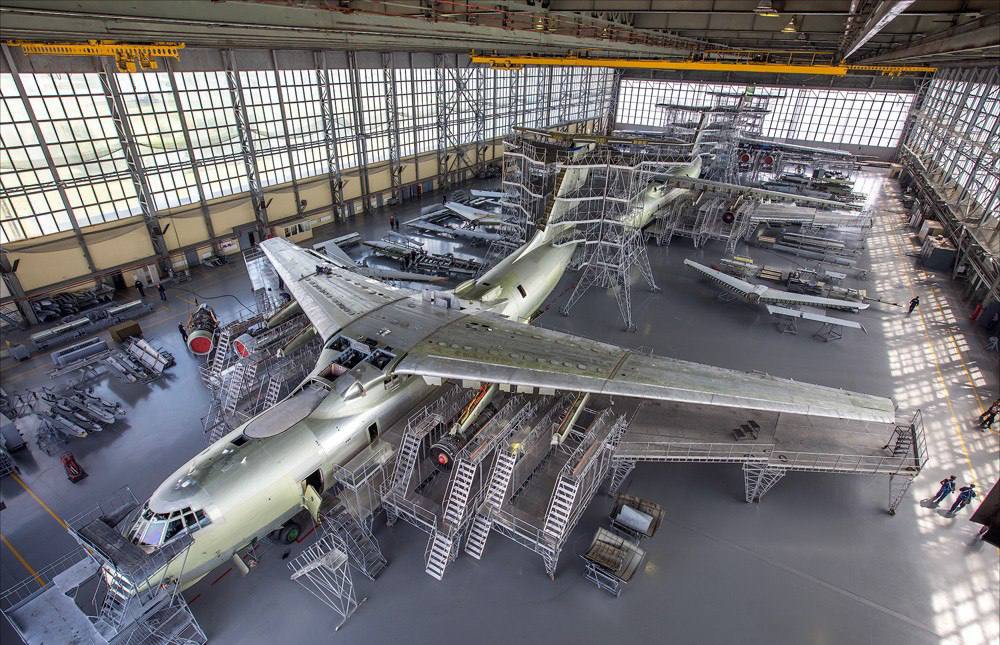
The 123rd Aircraft Repair Plant in Staraya Russa, Novgorod Oblast, Russia, targeted by Ukrainian drones overnight on 17 March 2026. Illustrative photo via Exilenova+

A Ukrainian company has placed third in a NATO contest to find ways of keeping an enemy's airfields shut down over time. Its artificial-intelligence targeting module finished among the top three of more than 60 entries in the Persistent Airfield Denial Innovation Challenge, Ukraine's Defense Ministry said.

The challenge was run jointly by NATO Allied Command Transformation and the NATO-Ukraine Joint Analysis, Training and Education Center, the first jointly staffed NATO-Ukraine body. The result shows NATO is building a direct channel for Ukraine's combat-tested technology into its own capability development.

On the NATO side, the finalists' proposals were evaluated by representatives of the Alliance's Commands, as well as the NATO Defense Innovation Accelerator DIANA.

An AI module lands third place

Organizers received more than 60 applications and brought nine finalists to Warsaw. The Ukrainian team took third place with a module designed to enhance the autonomy and accuracy of strike systems. The Ukrainian Defense Ministry did not name the developer.

A Czech firm, LPP Holding, won with a long-range system designed to work with minimal outside control, and a Polish team came second with a plan for the pre-planned destruction of key airfield infrastructure.

JATEC feeds Ukraine's lessons to NATO

Ukrainian experts helped define the problem and judge the entries, including officers from the Air Force Command, the Unmanned Systems Forces, and the National Guard's Omega unit.

The challenge, which carried up to €250,000 in prize funding, was the second of the two bodies to run together, after a 2025 round that fast-tracked European firms to counter Russian glide bombs.

In July 2026, Russian aviation used approximately 8,000 guided aerial bombs against Ukrainian cities.

The winning solutions now move to testing and combat validation, which the Defense Ministry said will show how well they work and whether they can scale.
From HQ to the zero line: Ukraine’s Hrafit system answers one important question on an ordinary phone in a trench and on the road

5 septembre 2026 à 07:49

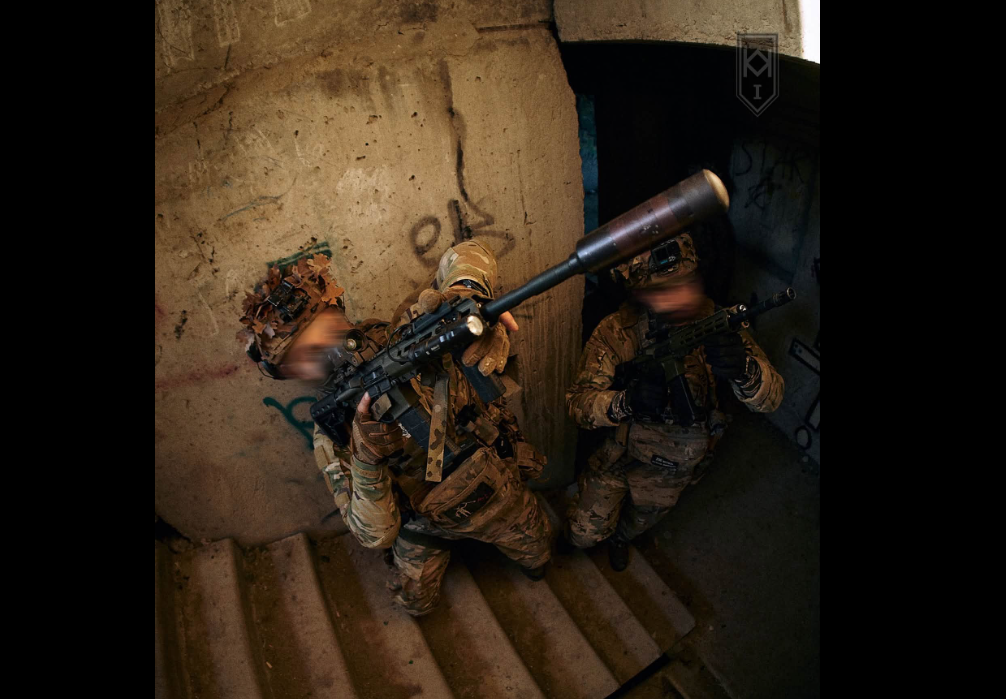
Ukrainian soldiers. Source: The Third Separate Assault Brigade of the Ukrainian Ground Forces

A Ukrainian soldier in a trench or in a vehicle can now get a short alert on their phone the moment a Russian FPV drone or glide bomb starts closing in. The system behind it, Hrafit (Graphite), pulls together data from nearly all available radio-technical intelligence and surveillance into a single picture, ArmyInform reported.

The threat no longer stops at a command post. The warning reaches the soldier at an observation point, the sector command, and the commander-in-chief at once. To use it in a position, a soldier needs only a protected smartphone and satellite internet, including Starlink, and on the ground, it comes down to one short push notification.

Hrafit answers one question: Is the sky clear?

In modern combat, a second's hesitation can be enough for an infantry soldier in a trench or a crew in a vehicle to be caught by an FPV drone or a guided glide bomb. Hrafit is the Ukrainian answer, moving situational awareness onto an ordinary phone.

Military programmers built it for Ukraine's Defense Forces to answer the one question that matters most in the field: is the sky clear? Militarnyi reported that the system is being supplied to the Armed Forces, the National Guard, the Security Service, and the Border Guard Service.

It tracks drones and glide bombs

Working in real time, Hrafit flags a wide range of incoming threats:

  • FPV drones, both kamikaze and loitering types
  • tactical quadcopters such as the DJI Mavic, which are often used to direct fire
  • winged Russian drones like the Molniya and Privet
  • guided glide bombs and other aerial munitions

Three versions run from HQ to the trench

Hrafit runs on Android, iOS, and the web, in three versions.

The full version, for analysts, commanders, and electronic warfare and air defense operators, adds reporting, filters, frequency-band analysis, and a global map of the fighting.

For instance, Hrafit Lite strips down the interface for troops on the zero line, showing only the local area, so nothing distracts from the fight.

A third module, Sova (Owl), is built for logistics crews, drivers, and medical evacuation: it runs during a drive, moves its monitoring sector across the map with the vehicle, and warns of danger along the way.

Soldiers can learn the system through an official online course in the Army+ app, which teaches them to operate and configure Hrafit and issues a completion certificate.

❌