Ukraine's Security Service (SBU) detained a Ukrainian Air Force major suspected of spying for Russian Federal Security Service (FSB), the agency reported on July 3.The alleged spy, arrested during a special operation in Lviv Oblast, was reportedly recruited through his ex-wife, a former military officer now cooperating with Russian forces in occupied Melitopol.According to the SBU, the officer was gathering coordinates of operational airfields, logistics hubs, and maintenance centers used by Ukr
Ukraine's Security Service (SBU) detained a Ukrainian Air Force major suspected of spying for Russian Federal Security Service (FSB), the agency reported on July 3.
The alleged spy, arrested during a special operation in Lviv Oblast, was reportedly recruited through his ex-wife, a former military officer now cooperating with Russian forces in occupied Melitopol.
According to the SBU, the officer was gathering coordinates of operational airfields, logistics hubs, and maintenance centers used by Ukrainian combat aircraft. If successful, Russia intended to launch missile and drone strikes on those locations.
The SBU said the operation was coordinated with Ukraine's Commander-in-Chief and that the agent was supervised by Aleksandr Belodedov, an officer in the FSB's Alpha special operations unit.
Authorities said they intercepted the agent before any damage was done, documenting his communication with Russian intelligence and securing military sites at risk.
The suspect has been charged with high treason committed during wartime by a group of individuals under Ukraine's Criminal Code. He remains in custody and faces life imprisonment with asset seizure.
His ex-wife was also charged in absentia for treason during wartime.
Editor's note: This is a developing story and is being updated.A deputy commander of Russia's navy has been killed in a Ukrainian strike in Kursk Oblast, a Russian official confirmed on July 3.Major General Mikhail Yevgenyevich Gudkov was killed alongside his deputy and several other Russian soldiers, Oleg Kozhemyako, governor of Russia's Primorsky Krai, said in a post on social media.According to Russian milbloggers, 22 people in total were killed as a result of a Ukrainian HIMARS strike in Rus
Editor's note: This is a developing story and is being updated.
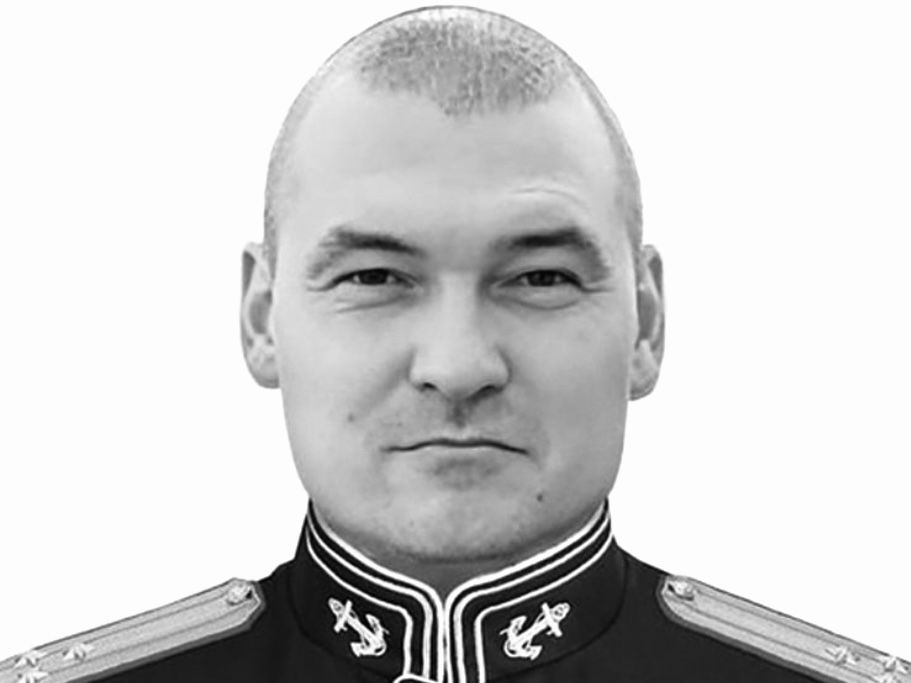
A deputy commander of Russia's navy has been killed in a Ukrainian strike in Kursk Oblast, a Russian official confirmed on July 3.
Major General Mikhail Yevgenyevich Gudkov was killed alongside his deputy and several other Russian soldiers, Oleg Kozhemyako, governor of Russia's Primorsky Krai, said in a post on social media.
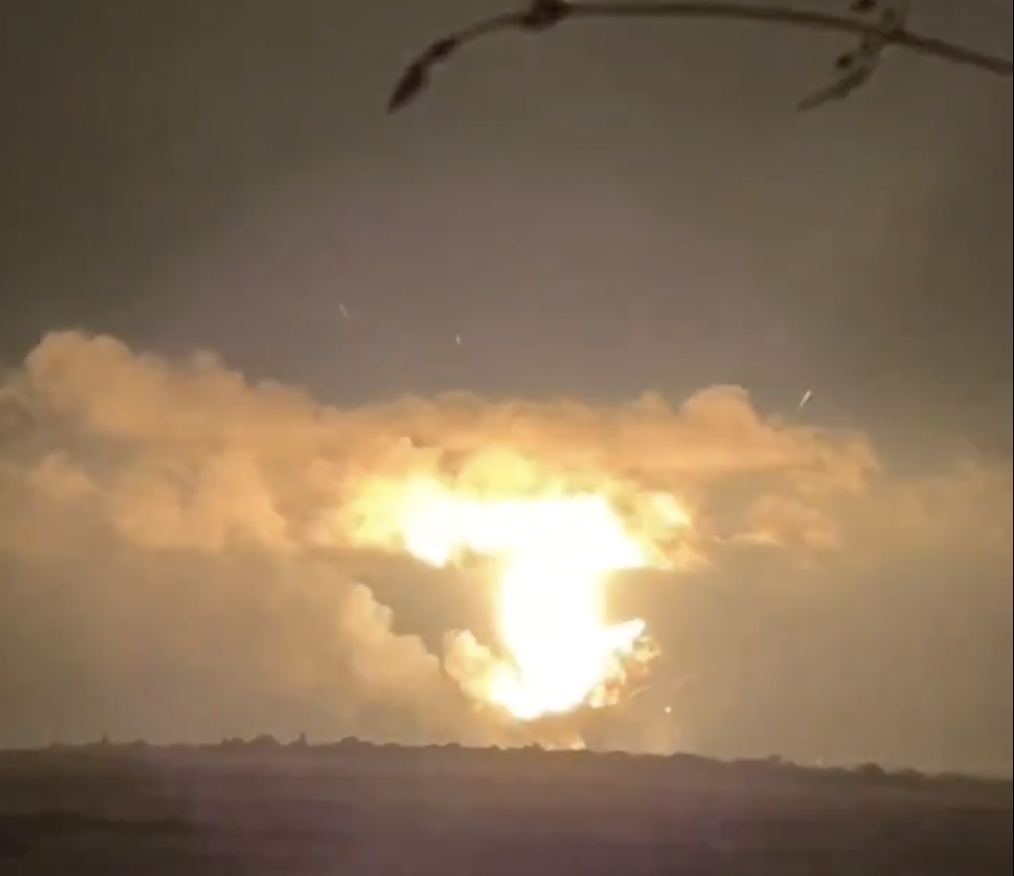
According to Russian milbloggers, 22 people in total were killed as a result of a Ukrainian HIMARS strike in Russia's Kursk Oblast bordering Ukraine. Kyiv has yet to comment on the attack.
Gudkov was appointed deputy commander-in-chief of the Russian Navy in March 2025. Prior to that, he led the 155th Separate Marine Brigade, which has been involved in combat operations against Ukraine.
Ukraine has accused the 155th Separate Marine Brigade of committing numerous war crimes. According to the country's Air Assault Forces, members of the brigade are responsible for executing prisoners of war and humiliating captured Ukrainian soldiers.
Gudkov held the titles of Hero of Russia and Hero of Primorye, Russia's far eastern region where he previously served, Kozhemyako said.
HIMARS, whose prowess became a popular motif of internet memes, was a game-changer for Ukraine when they first arrived in the summer of 2022.
Initially supplied with GMLRS rockets with a range of around 70 kilometers, they allowed Ukraine to target Russian forces on the other side of the front line far more accurately than they had previously.
In the fall of 2023, the U.S. began supplying Kyiv with an older model of ATACMS – fired from HIMARS launchers – with a range of around 165 kilometers, greatly increasing the range that Ukraine could strike within.
Russia's high-ranking military officials have been killed on a regular basis throughout the full-scale invasion — a recent report from BBC Russia identified ten generals 10 generals and 524 lieutenant colonels and colonels.
Ukrainian forces launched a cross-border incursion into Russia's Kursk Oblast in August 2024, making it the first large-scale invasion of Russian territory by foreign troops since World War II. The move was intended to disrupt a planned Russian offensive targeting Ukraine's Sumy Oblast and to relieve pressure on the Donetsk front.
Since then, Ukraine claims it has inflicted 63,402 Russian troop casualties in the oblast, including 25,625 killed and 971 captured. Ukrainian forces also say they have destroyed or damaged over 5,664 pieces of Russian military equipment in the area.
Russia retook most of the lost territory during a renewed offensive in March 2025, supported by North Korean troops.
At least three people were killed and 34 injured across Ukraine in Russian drone and missile attacks, Ukrainian regional officials reported on July 3. Ukraine's Air Force reported that Russia used 52 drones launched from several directions, including Oryol, Millerovo, and Primorsko-Akhtarsk. Air defenses destroyed 40 of them, including 22 shot down and 18 jammed electronically. In Donetsk Oblast, three people were killed and at least nine injured in multiple settlements, Governor Vadym Filashkin
At least three people were killed and 34 injured across Ukraine in Russian drone and missile attacks, Ukrainian regional officials reported on July 3.
Ukraine's Air Force reported that Russia used 52 drones launched from several directions, including Oryol, Millerovo, and Primorsko-Akhtarsk. Air defenses destroyed 40 of them, including 22 shot down and 18 jammed electronically.
In Donetsk Oblast, three people were killed and at least nine injured in multiple settlements, Governor Vadym Filashkin said. Damage was reported to residential buildings, cars, and utility infrastructure across Pokrovsk, Kostyantynivka, and other towns.
In Kherson Oblast, Russian forces shelled over 30 towns and villages, wounding nine civilians, Governor Oleksandr Prokudin said. Strikes hit both residential neighborhoods and critical infrastructure. One person was hospitalized in Kherson city after being hit by a drone.
In Dnipropetrovsk Oblast, seven civilians were injured, including a 17-year-old girl, as Russia used artillery and drones to strike Nikopol and Synelnykove districts, Governor Serhii Lysak said. Fires broke out in wheat fields, and residential buildings and infrastructure were damaged.
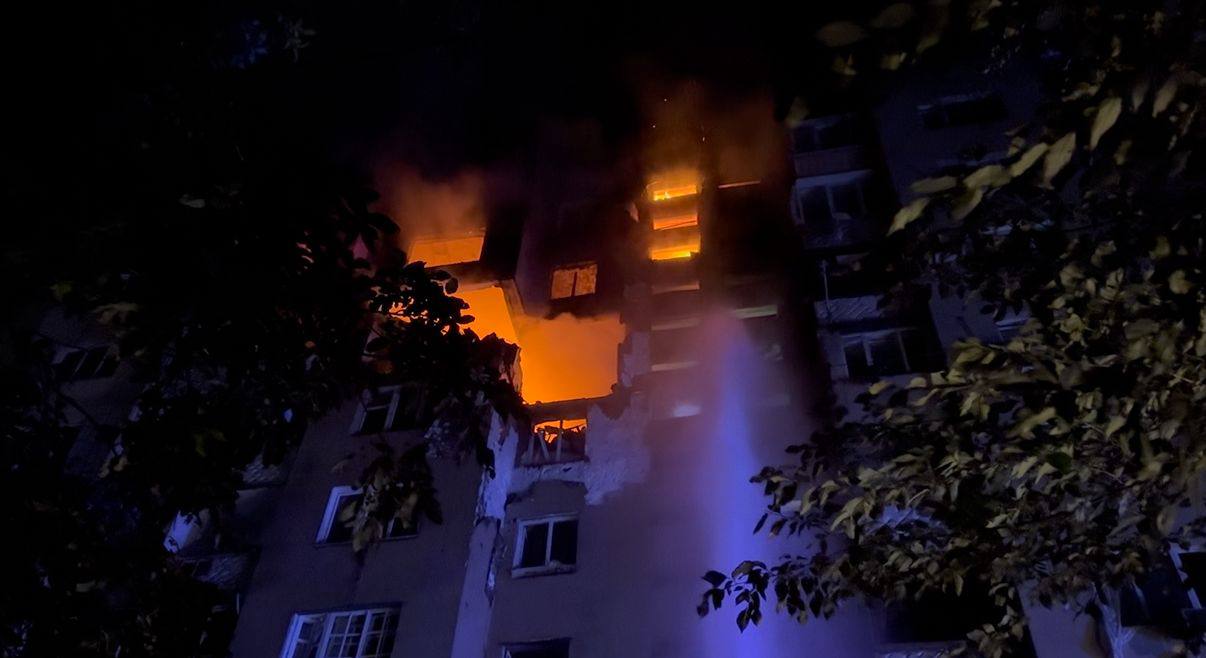
In Odesa, five people were injured, including two children aged 7 and 9, in a Russian drone strike on a residential building, Governor Oleh Kiper reported. Several apartments were destroyed or damaged.
In Zaporizhzhia Oblast, one person was injured and nine settlements were struck over 430 times in the past 24 hours, Governor Ivan Fedorov said. The attacks included airstrikes, FPV drones, and artillery, causing damage to houses and infrastructure.
In Kharkiv Oblast, two people were injured in separate strikes, Governor Oleh Syniehubov said. Civilian infrastructure was damaged in multiple areas, including houses and vehicles.
Editor's note: This item has been updated to include the statement from Ground Forces spokesperson Vitalii Sarantsev. A Russian strike on Poltava, central Ukraine, killed two people and injured 47 others on the morning of July 3, local and military officials said.The attack, which occurred around 9 a.m. local time, sparked fires and damaged civilian infrastructure, according to Governor Volodymyr Kohut and Ukraine's Ground Forces.The State Emergency Service reported that 84 emergency workers, in
Editor's note: This item has been updated to include the statement from Ground Forces spokesperson Vitalii Sarantsev.
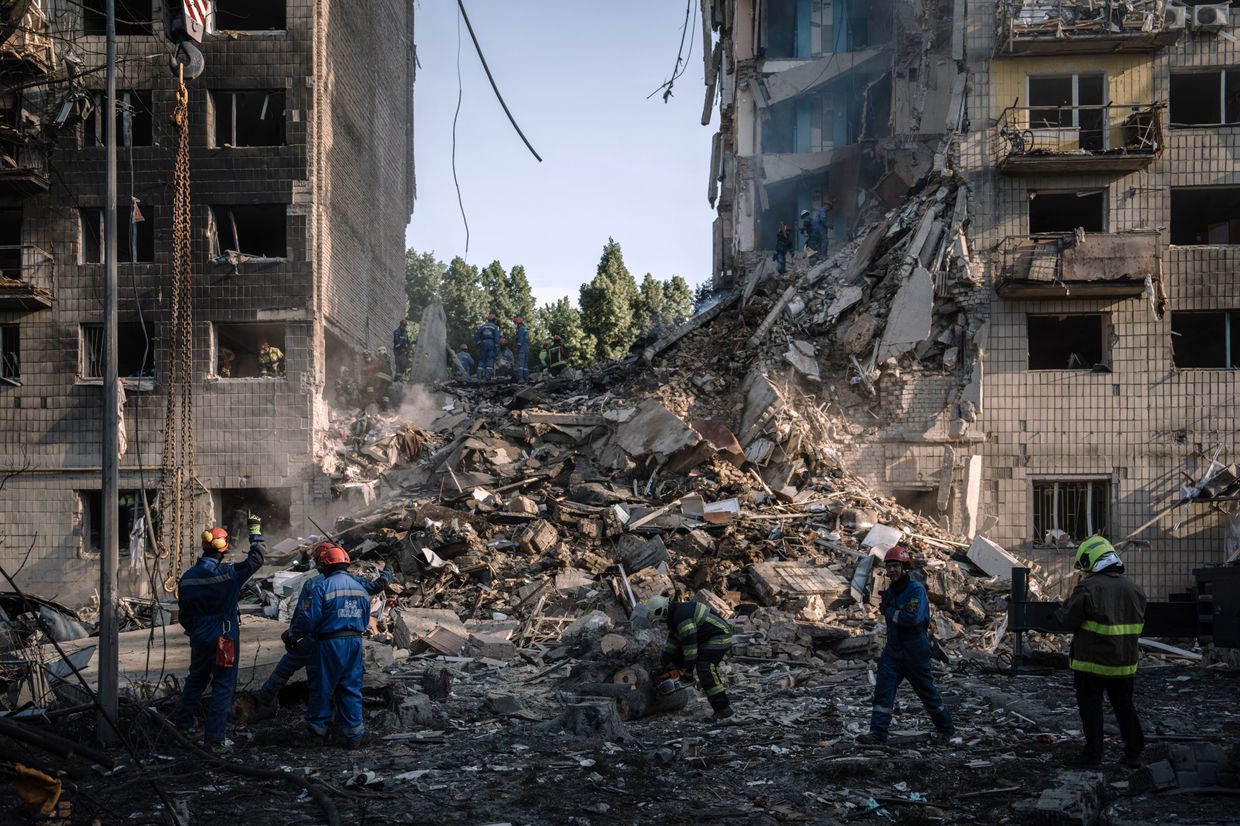
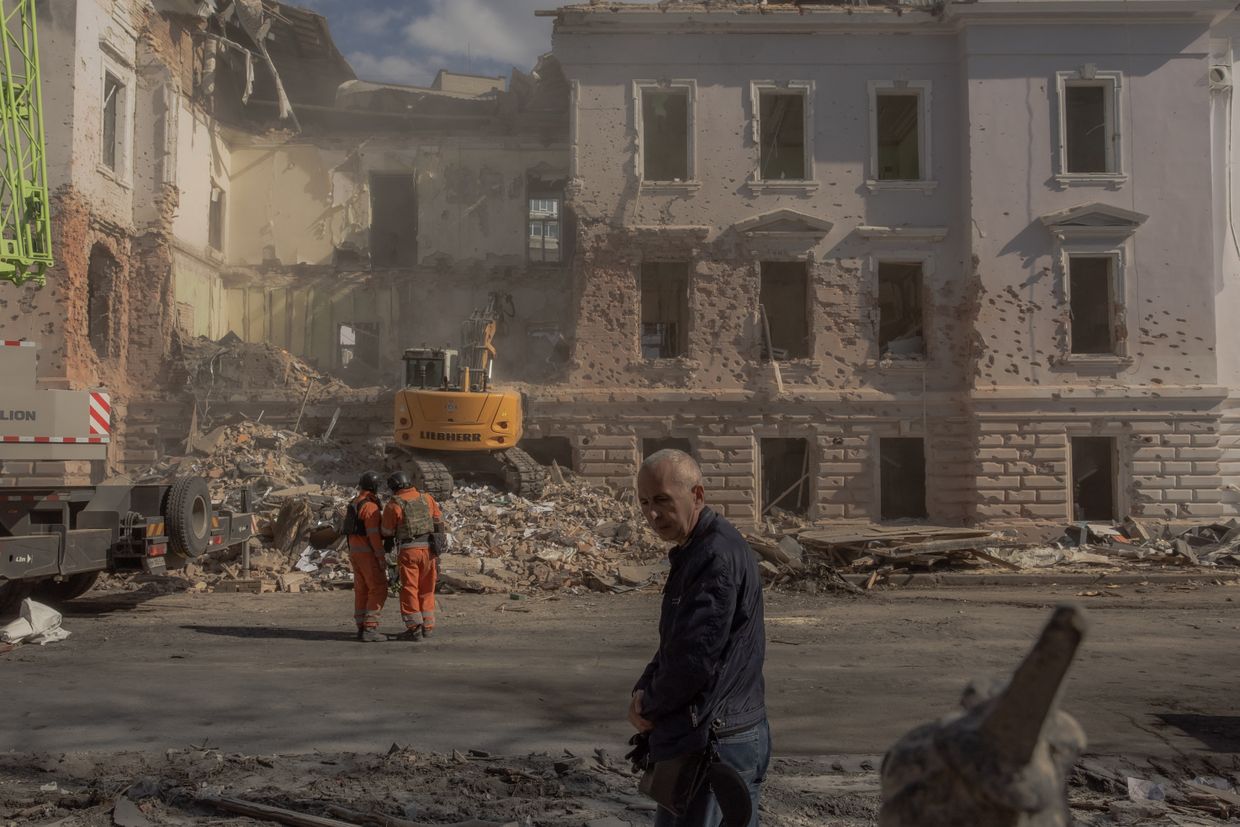
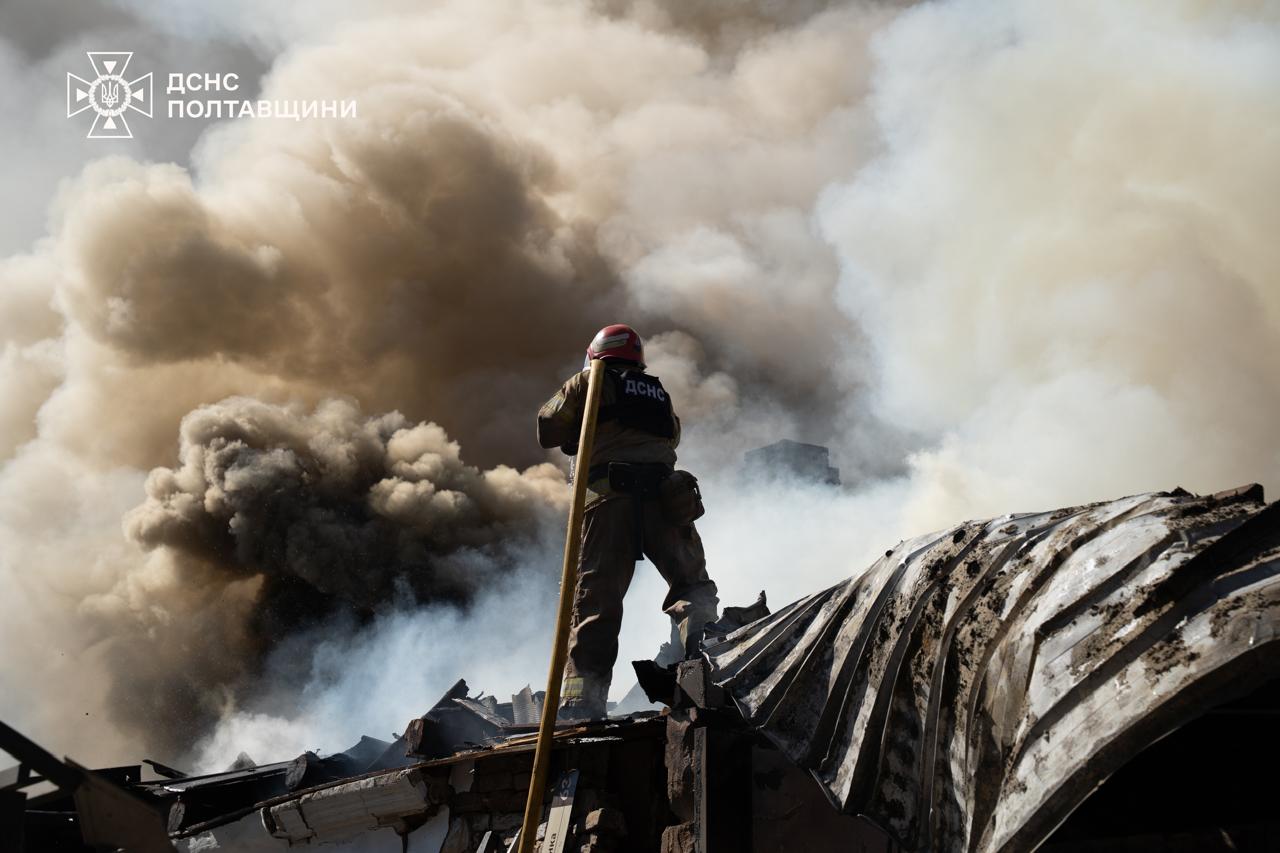
A Russian strike on Poltava, central Ukraine, killed two people and injured 47 others on the morning of July 3, local and military officials said.
The attack, which occurred around 9 a.m. local time, sparked fires and damaged civilian infrastructure, according to Governor Volodymyr Kohut and Ukraine's Ground Forces.
The State Emergency Service reported that 84 emergency workers, including psychologists, pyrotechnicians, and medics, were deployed at the site of the attacks. Firefighters extinguished the fires, cleared the rubble, and rescued 10 people from the damaged buildings.
According to the statement of Ukraine's Ground Forces, one of the strikes caused a fire at the Poltava conscription office, a local military facility. A separate strike near the Poltava conscription office set fire to a private residential property, authorities said.
Speaking on national television, Ukraine's Ground Forces spokesperson Vitalii Sarantsev said that Russia was deliberately targeting conscription offices to disrupt Ukraine's mobilization efforts.
"We will continue to strengthen our army, train our troops, and involve more people in defense to deliver a strong response to the enemy," Sarantsev said.
This wasn't the first time Russia has been linked to such attacks. Back in February, Moscow recruited the man who carried out a deadly bombing at a military enlistment office in the city of Rivne in northwestern Ukraine.
U.S. weapons already in Poland en route to Ukraine have been halted, including advanced air defense systems and precision missiles, the Wall Street Journal reported on July 2.The Pentagon confirmed the halt in a July 2 briefing, citing an ongoing "capability review" aimed at ensuring U.S. military assistance "aligns with its strategic defense priorities."The shipment in Poland includes over two dozen PAC-3 Patriot missiles, more than two dozen Stinger air-defense systems, Hellfire air-to-ground
U.S. weapons already in Poland en route to Ukraine have been halted, including advanced air defense systems and precision missiles, the Wall Street Journal reported on July 2.
The Pentagon confirmed the halt in a July 2 briefing, citing an ongoing "capability review" aimed at ensuring U.S. military assistance "aligns with its strategic defense priorities."
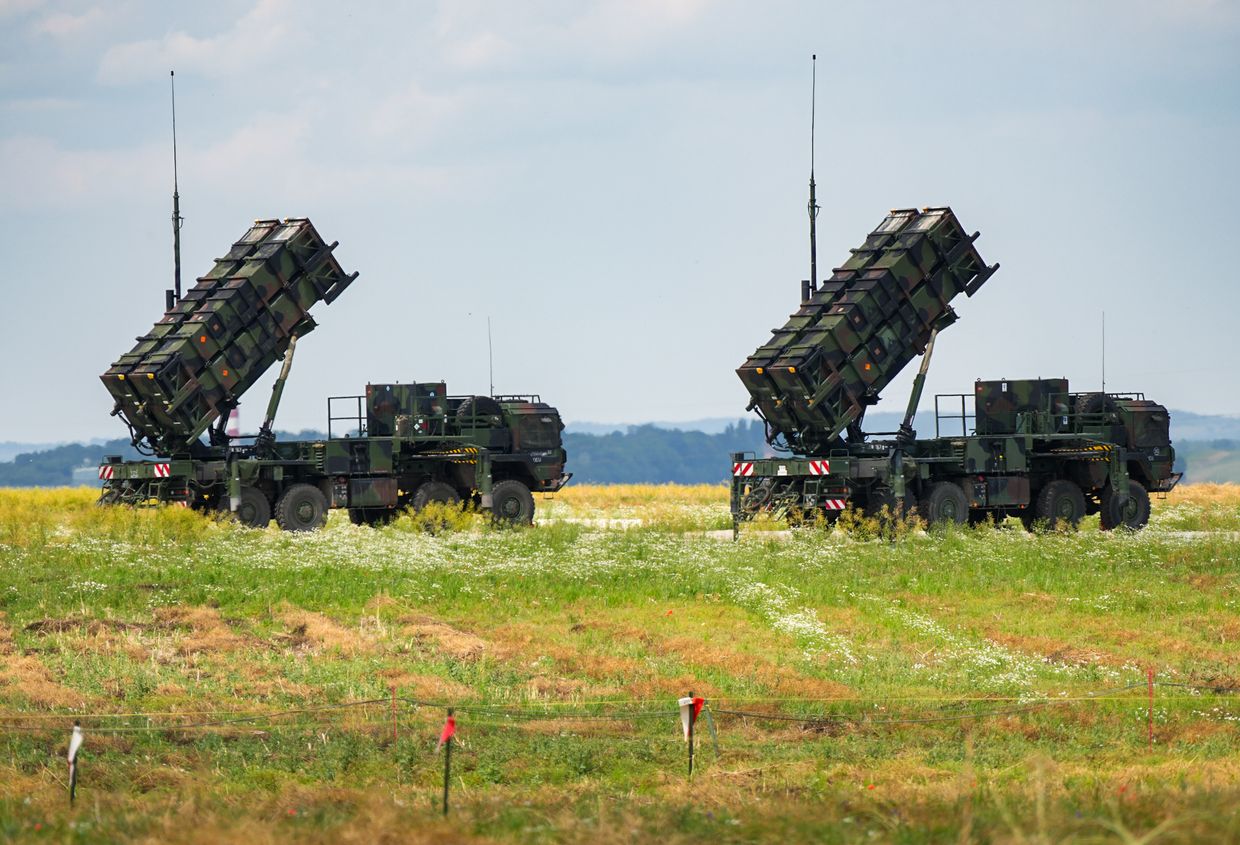
The shipment in Poland includes over two dozen PAC-3 Patriot missiles, more than two dozen Stinger air-defense systems, Hellfire air-to-ground missiles, and over 90 AIM air-to-air missiles intended for use with Ukraine's F-16 fighter jets, according to U.S. administration and congressional officials cited by the Wall Street Journal.
"We see this as a common-sense, pragmatic step towards having a framework to evaluate what munitions are sent and where," Pentagon spokesperson Sean Parnell said.
The decision has sparked backlash from both sides of the political aisle in Washington. Republican Rep. Brian Fitzpatrick, co-chair of the Congressional Ukraine Caucus, called the pause "unacceptable," while Democratic Senator Richard Blumenthal labeled it "fallacious and maybe even disingenuous."
The pause comes at a critical moment for Ukraine, which faces intensified Russian missile and drone strikes. On June 29, Russia launched the largest aerial assault against Ukraine since the start of its full-scale invasion in February 2022, targeting civilian infrastructure and cities far beyond the frontline.
NATO Secretary General Mark Rutte, speaking on July 2, emphasized the urgency of continued Western support for Kyiv. "I totally understand that the U.S. always has to make sure its interests are covered," he said. "But in the short term, Ukraine cannot do without all the support it can get."
The Pentagon has not provided a timeline for when the held-back shipments might resume.
Polish President Andrzej Duda has signed legislation designating July 11 as the National Day of Remembrance for Poles who were victims of Volyn massacres, the Polish outlet RMF24 reported on July 2.The law passed both houses of Poland's parliament with reportedly near-unanimous support. Lawmakers said victims of the massacres deserve a permanent place in the nation's collective memory.The law states that from 1939 to 1946, members of the Organization of Ukrainian Nationalists (OUN), the Ukrainia
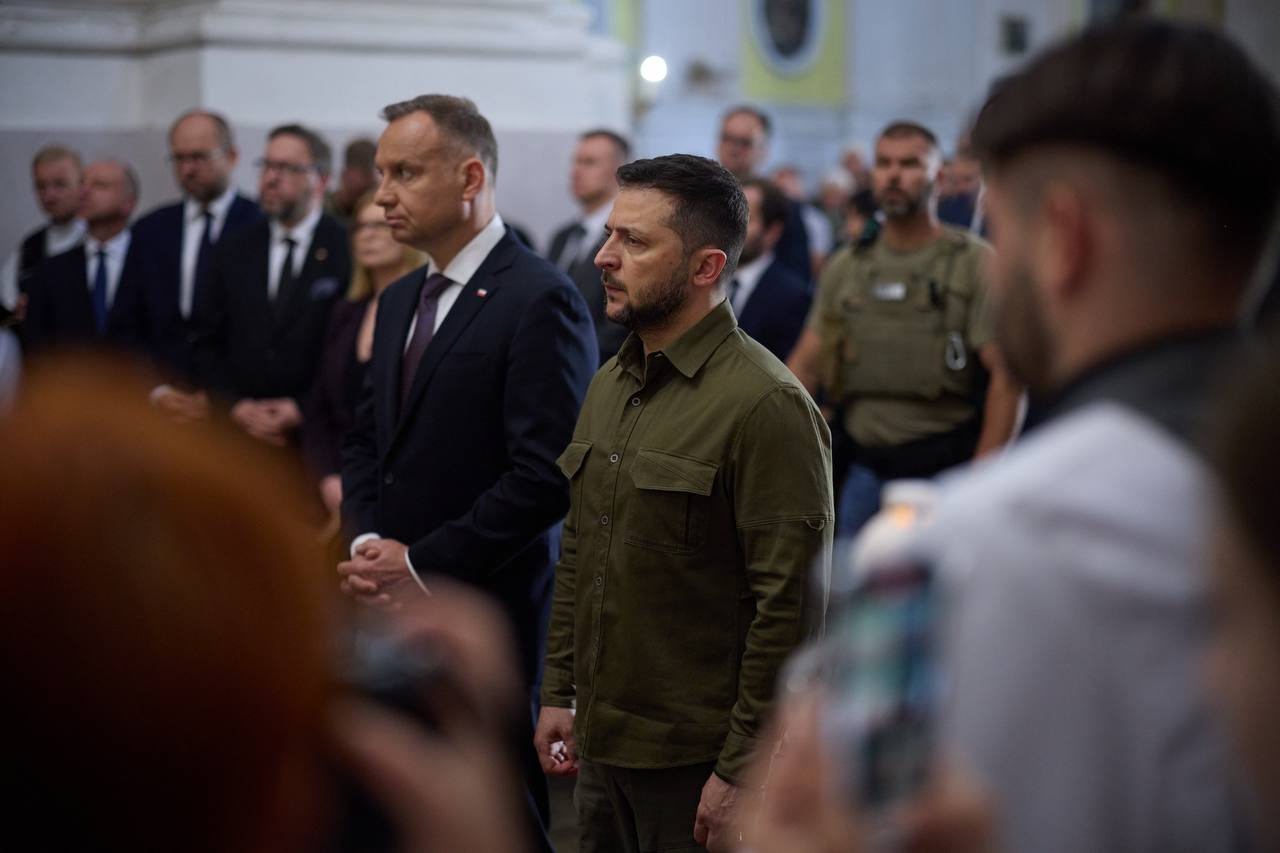
Polish President Andrzej Duda has signed legislation designating July 11 as the National Day of Remembrance for Poles who were victims of Volyn massacres, the Polish outlet RMF24 reported on July 2.
The law passed both houses of Poland's parliament with reportedly near-unanimous support. Lawmakers said victims of the massacres deserve a permanent place in the nation's collective memory.
The law states that from 1939 to 1946, members of the Organization of Ukrainian Nationalists (OUN), the Ukrainian Insurgent Army (UPA), and other nationalist groups carried out mass killings of Polish civilians in the Volyn region, now part of modern-day Ukraine.
The Volyn massacres remain a deeply sensitive and divisive issue in Polish-Ukrainian relations. In April, a team of Polish and Ukrainian researchers resumed the first exhumation in western Ukraine since 2017 — a symbolic breakthrough following years of tension. The moratorium had been imposed by Ukraine after a wave of vandalism targeting Ukrainian memorials in Poland.
The excavation began at the destroyed village of Puzhnyky in Ternopil Oblast, where UPA fighters are believed to have killed between 50 and 120 Poles in February 1945.
In recent months, the Polish and Ukrainian governments have made efforts to resolve the issue of the Volyn exhumations, with Poland's Prime Minister Donald Tusk announcing a "breakthrough" in January.
Last year Polish officials, including Deputy Prime Minister Wladyslaw Kosiniak-Kamysz and former Deputy Foreign Minister Pawel Jablonski, warned that Ukraine's progress toward EU accession could be blocked unless Kyiv fully addresses the legacy of the Volyn massacre and allows further exhumations of Polish victims.
Poland's Institute of National Remembrance estimates that approximately 100,000 Poles were killed during the Volyn massacres. Ukrainian historians argue that thousands of Ukrainians were also killed in retaliatory actions and insist that the conflict be viewed as mutual ethnic violence rather than genocide.
In 2016, the Polish Parliament officially recognized the events as genocide. Ukrainian and many Western scholars, however, classify them as ethnic cleansing, and debate continues over both the terminology and historical responsibility.
Despite close cooperation in defense and diplomacy since Russia's full-scale invasion of Ukraine, the legacy of Volyn remains a potential stumbling block in Ukraine's integration with Europe.
July 11 will now be commemorated annually in Poland.

 Connexion

 The Kyiv IndependentKollen Post