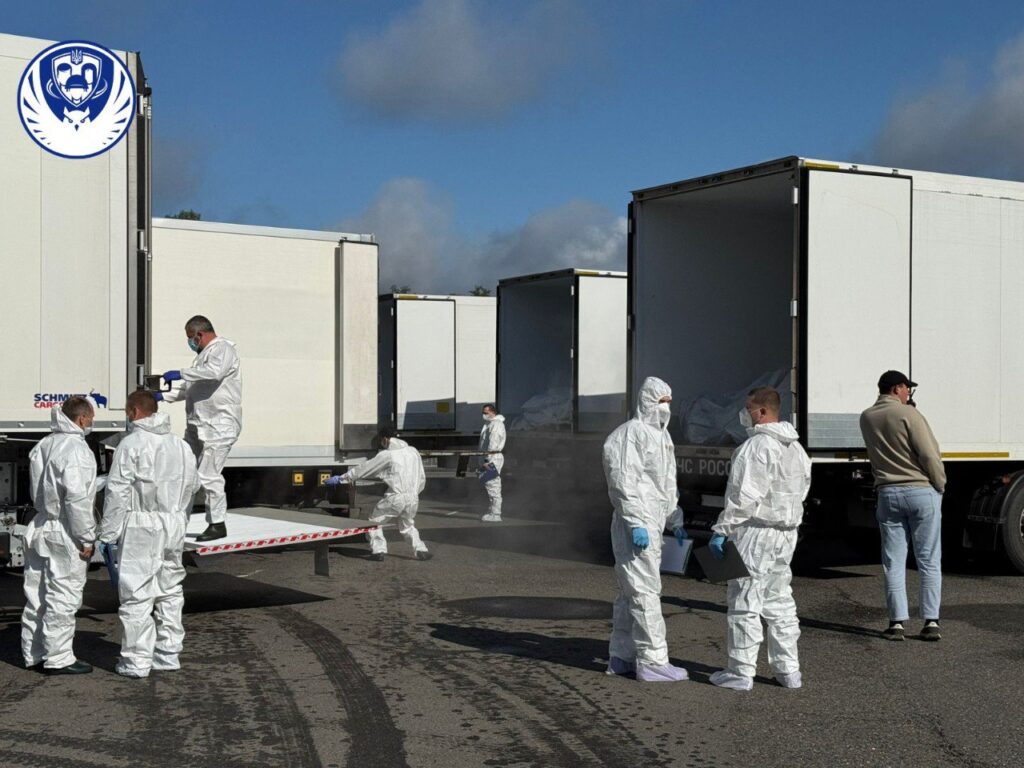
Ukraine has repatriated the bodies of 501 people whom Russia says may be Ukrainian service members, the Coordination Headquarters for the Treatment of Prisoners of War announced on 16 July.
The transfer is one of the latest in a series of wartime repatriation operations between Ukraine and Russia, allowing Ukrainian authorities to begin the process of identifying the dead and eventually return them to their families.
Identification process begins
The Coordination
Ukraine has repatriated the bodies of 501 people whom Russia says may be Ukrainian service members, the Coordination Headquarters for the Treatment of Prisoners of War announced on 16 July.
The transfer is one of the latest in a series of wartime repatriation operations between Ukraine and Russia, allowing Ukrainian authorities to begin the process of identifying the dead and eventually return them to their families.
Identification process begins
The Coordination Headquarters said the remains will undergo forensic examination by Ukrainian investigators and experts to establish their identities.
The headquarters noted that Russia identified the bodies as potentially belonging to Ukrainian military personnel.
Ukrainian authorities will independently verify each identity through forensic procedures. The process can take weeks or months, particularly when remains are fragmented or degraded, and often relies on DNA analysis and other forensic methods.
Coordinated repatriation effort
According to the headquarters, the operation involved the Coordination Headquarters for the Treatment of Prisoners of War, the Security Service of Ukraine's Joint Center, the Armed Forces, the Interior Ministry, the Office of the Parliamentary Commissioner for Human Rights, the Commissioner for Persons Missing Under Special Circumstances, the State Emergency Service, and other security agencies.
The headquarters also thanked the International Committee of the Red Cross for assisting with the repatriation.
Part of ongoing humanitarian exchanges
Since the start of Russia's full-scale invasion, Ukraine and Russia have periodically exchanged the bodies of fallen soldiers alongside prisoner-of-war swaps.
Once repatriated, the remains are transferred to specialized state institutions, where forensic experts work to identify the deceased before they can be returned to their families for burial.
The Ukrainian partisan movement Atesh says Russia is responding by pulling scarce military units—including operators from its elite Rubicon (also spelled Rubikon) drone center—off other duties to guard the tankers. This comes as Ukraine struck 147 vessels of Russia's sanctions-dodging shadow fleet between 6 and 16 July, collapsing maritime traffic in the Sea of Azov and pushing the campaign into the Black Sea.
Russia's "shadow fleet" is a network of 1,400+ aging tankers use
The Ukrainian partisan movement Atesh says Russia is responding by pulling scarce military units—including operators from its elite Rubicon (also spelled Rubikon) drone center—off other duties to guard the tankers. This comes as Ukraine struck 147 vessels of Russia's sanctions-dodging shadow fleet between 6 and 16 July, collapsing maritime traffic in the Sea of Azov and pushing the campaign into the Black Sea.
Russia's "shadow fleet" is a network of 1,400+ aging tankers used to move Russian oil in violation of Western sanctions and the G7 price cap. The ships fly flags of convenience, use opaque ownership structures, and engage in ship-to-ship transfers designed to obscure the oil's origin.
Oil is Russia's largest export earner and the financial foundation of its war. The shadow fleet is how Moscow keeps that revenue flowing despite sanctions—and, increasingly, how it moves fuel to Russian forces in occupied Ukraine, including Crimea, amid the fuel crisis Ukrainian strikes have created.
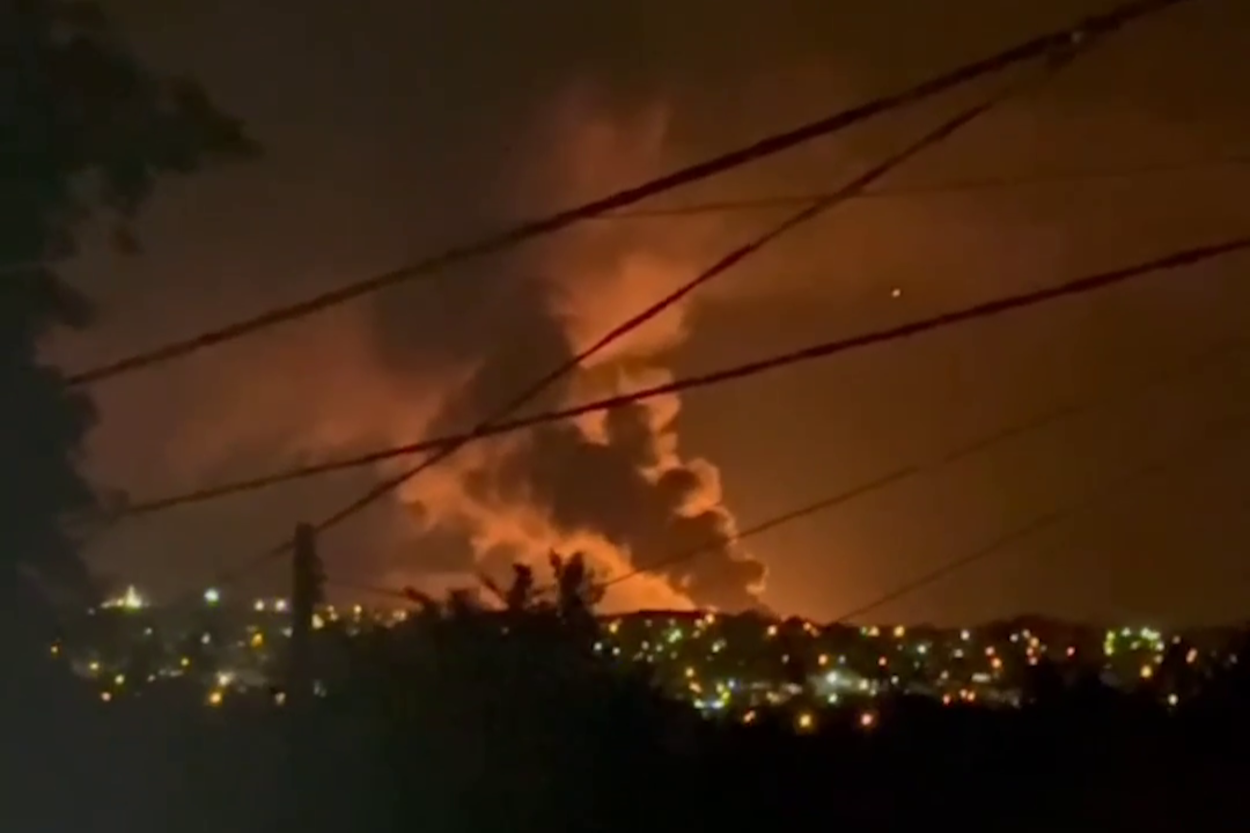
Through 2026, Ukraine has turned cheap drones into a blockade of that revenue at both ends—the refineries that turn oil into cash, and the tankers that move it. Between 6 and 15 July, Ukrainian drones struck 136 vessels of the shadow fleet across the Sea of Azov and the Black Sea, according to Unmanned Systems Forces commander Robert "Madyar" Brovdi. The past 24 hours added 11 more ships to the tally, according to the SBS' scoreboard.
Ship movements in the Sea of Azov dropped from 132 vessels on 6 July to 43 by 12 July, synthetic-aperture-radar imagery cited by the open-source channel Oko Gora showed.
The partisans inside Russia's own ranks
Atesh—"fire" in Crimean Tatar and Turkish—is a partisan movement of Ukrainians and Crimean Tatars operating inside Russia and Russian-occupied territory. It gathers intelligence on Russian military movements, recruits agents within Russian ranks, and passes targeting data to Ukraine's Defense Forces.
Explore further
Crimea occupation officials pack up as some reportedly flee to Russia on state fuel as Ukrainian strikes intensify, ATESH claims
Russia's best drone unit, reportedly set to guard tankers
An Atesh agent embedded at the Black Sea Fleet headquarters reportedly said Russia plans to redeploy scarce, high-value military units to protect its tankers in the Black and Azov seas. Among the units named are the operators from the Rubicon drone center, the 51st Air Defense Division, and the 1096th Anti-Aircraft Missile Regiment of the Black Sea Fleet.
According to the report, Russia plans to assign up to three service members to each tanker, armed with twin machine guns, man-portable air-defense systems (MANPADS), and anti-aircraft drones to repel Ukrainian drone attacks. Atesh framed the reported redeployment as evidence of the Russian command's alarm at the pace of losses:
"The reason for the command's panic is obvious," the group wrote, citing more than the 136 vessels struck in just over a week.
If accurate, the redeployment would carry a cost for Russia beyond the ships themselves. Rubicon— Russia's Center for Advanced Unmanned Technologies—is one of Moscow's most effective drone formations, built to disrupt Ukrainian logistics and hunt down drone operator teams. It has been a central element of Russia's pressure on the Pokrovsk axis. Pulling Rubicon operators to guard tankers would divert a scarce, specialized capability from the front line to defensive maritime duty—a reallocation Ukraine's campaign would have forced.
Ukraine built a sea denial with no navy
Ukraine has no conventional navy in the Black Sea. It has instead built sea denial from nothing, using unmanned systems alone—first driving the Russian Black Sea Fleet out of Sevastopol, now hunting the commercial fleet that funds the war. The shadow-fleet campaign extends that logic from warships to the economic infrastructure behind them.
Ukraine's drones hit 11 more shadow-fleet ships in a single day, pushing the 10-day total to 147
Ukraine's Unmanned Systems Forces (SBS) struck 11 vessels of Russia's sanctions-dodging shadow fleet on 16 July, commander Robert "Madyar" Brovdi said. The day's haul, in the Black… pic.twitter.com/4iZPIjoT2B
The strategic effect is already visible in Russia's export data: roughly 135 million barrels of Russian oil are now sitting in floating storage, loaded but undelivered, as buyers slow their liftings and tankers idle for weeks. Whether or not Russia specifically redirects Rubicon, the campaign has forced Moscow into a defensive posture over a maritime supply chain it previously treated as low-risk—assigning armed crews, escorts, and air defense to civilian tankers that were never built to be defended.
"The shadow fleet will go to the bottom, following the Black Sea [Fleet]." Atesh closed its report

 Connexion