Connexion
Ukraine’s ousted defense minister took drone contracts away from the generals. Now they may take them back
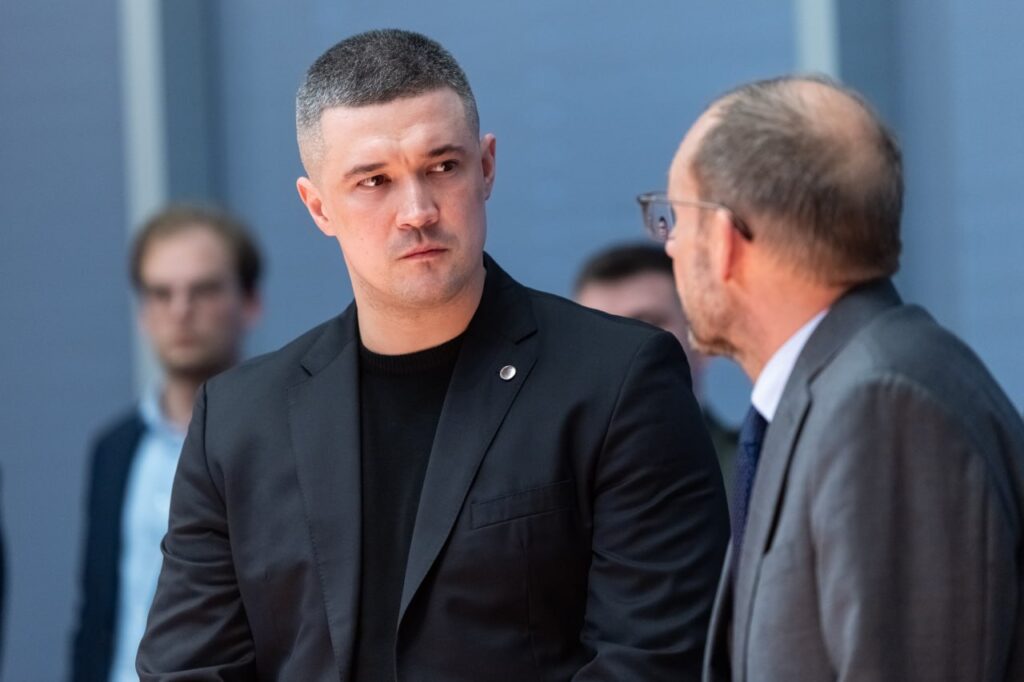
For most of the war, a circle of generals decided which companies got paid to arm Ukraine. They named the suppliers, they named the models, and the money followed the list.
Then the defense minister Mykhailo Fedorov took that power away and made the companies compete on price and on how their weapons performed at the front. Three weeks ago, the minister was fired. Now, the people who did well under the old list are pushing to get it back.
What makes this more than a lobbying fight is that its two loudest voices agree on almost nothing else: Fedorov, who says he believes the overhaul cost him his job, and an anti-corruption watchdog who owes him no favors. Both say the reform may not outlast him.
What rides on it is real money, and Ukraine has little to spare. It now pours almost all its own revenue into defense, while the West covers nearly the entire civilian budget, roughly $50 billion in 2026. Every dollar lost to a rigged contract is one that never reaches a front already too short of soldiers to absorb the waste.

Ukraine’s defense minister explained how the country buys weapons—after he was sacked
They describe it from opposite corners. Fedorov told Ukrainska Pravda on 30 July he believes his removal was tied to the procurement overhaul—the restructuring, he said, “sparked significant dissatisfaction” among powerful people who then leaned on President Volodymyr Zelenskyy.
Fedorov is not a neutral witness: he has said he would take the job back tomorrow. He does not have to be neutral to be right about what he built.
Ukraine is about to discover that it built less of an institution than it thought.
Four days later, Tetiana Nikolaienko told Radio NV what the fight looks like from inside. Anonymous Telegram channels attacking one drone maker, then the next. Investigators searching companies’ offices. A loud public argument over which drones are overpriced.
These are not separate quarrels, said Nikolaienko, deputy head of the public anti-corruption council that watches Defense Ministry spending—they are the opening moves of a scramble to grab a bigger share of the weapons money, now that the man who set the rules is gone.
What the reform actually changed
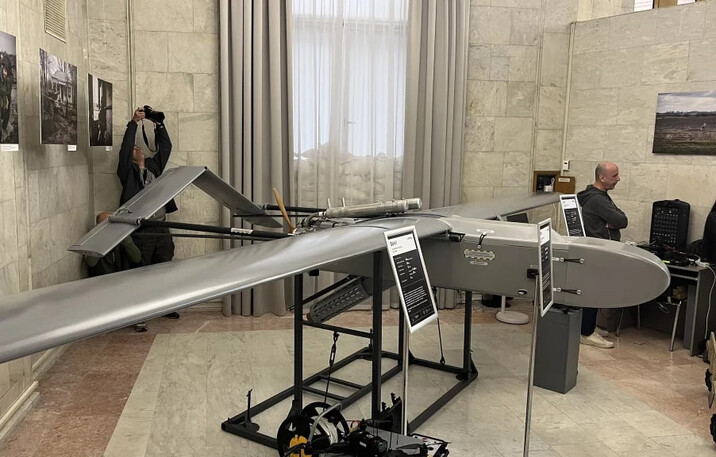
What they are describing is the unwinding of one specific change. Fedorov took the power to pick winners away from the General Staff, which had named the exact companies and models the state would buy, and made the ministry buy instead on open competition and combat performance.
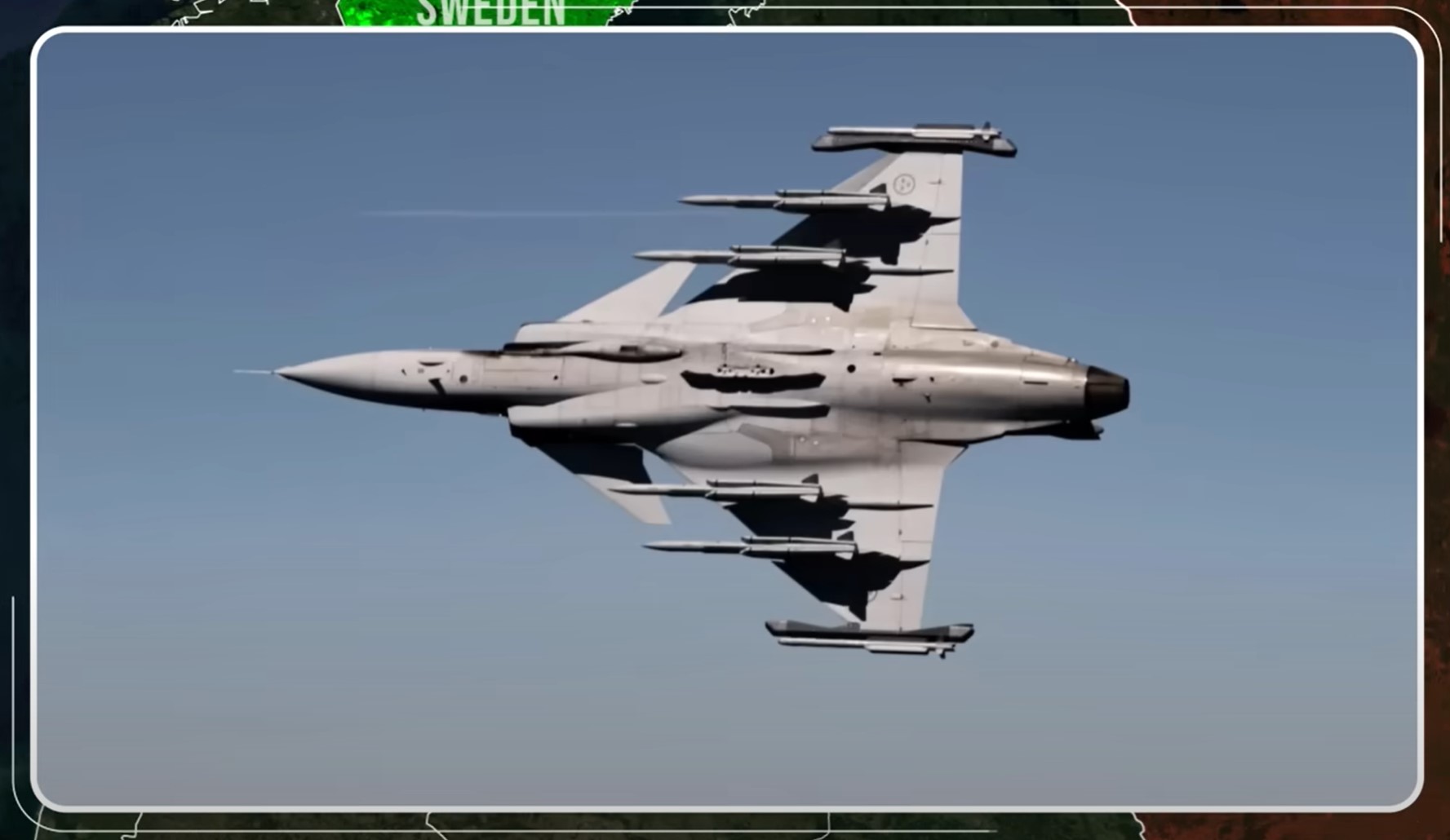
That widened the field of who could win a contract. It also cut the guaranteed business of the suppliers who had thrived on the old list—among them Fire Point, whose drones account for roughly 60 percent of Ukrainian long-range strikes inside Russia.
This is not a tale of one honest reformer against thieves. Fedorov’s overhaul was unfinished: only about a fifth of drone purchases were conducted through open competition when he left. And he had staffed the ministry with his own people.
Fedorov was not the spotless auditor the street protests made him out to be. But an unfinished reform can still be worth keeping, and the people fighting it are not fighting to finish it.
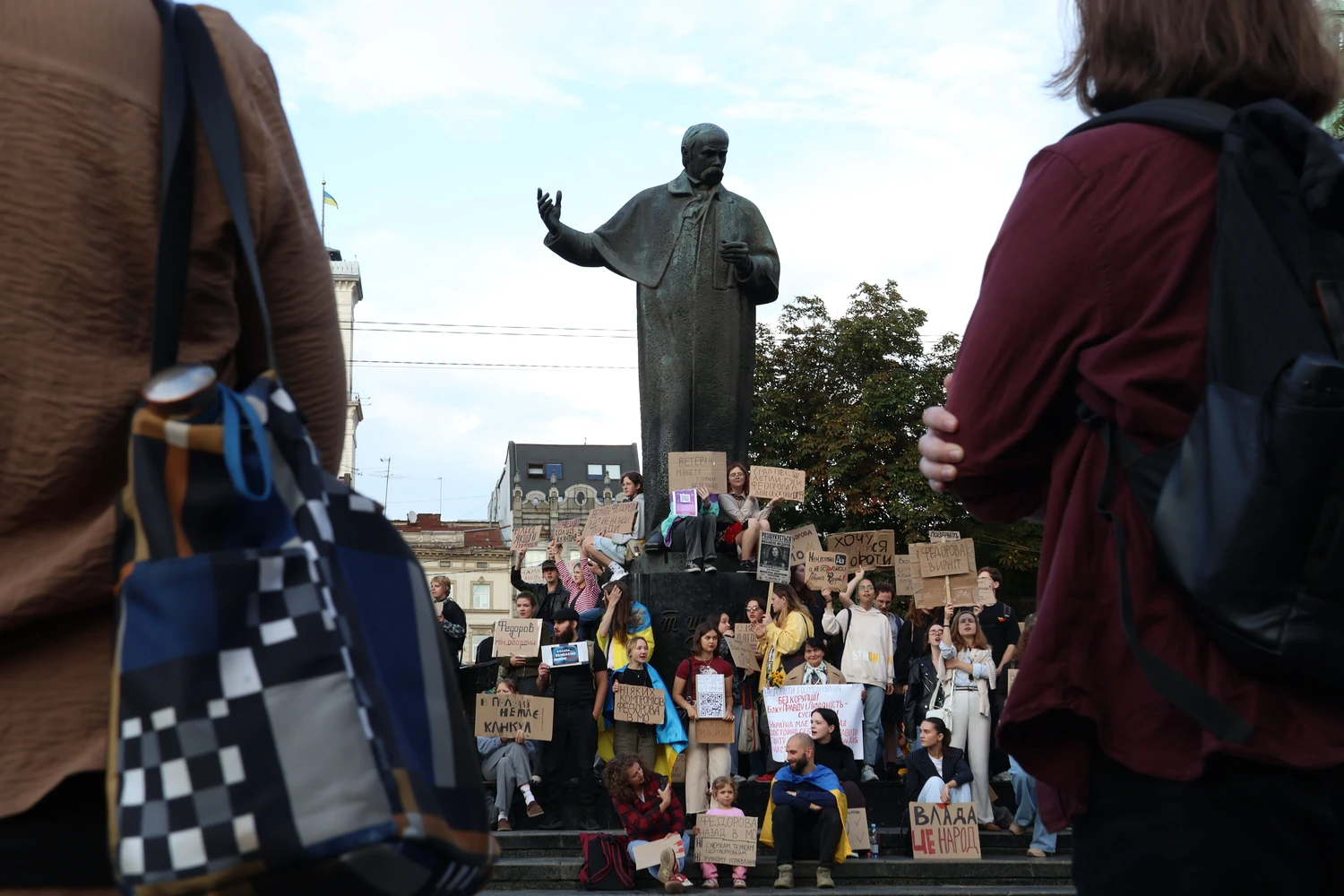
Ukraine’s Gen Z protested for their anti-corruption agencies last year. Now they’re protesting for one man
What survives, and what leaves with him
What survives comes down to a plain distinction: what Fedorov wrote into Ukraine’s rules, and what was only his practice. The register of approved arms suppliers exists because of a government decree, and a decree does not walk out when a minister does. That part will most likely hold.
The part that made the reform actually bite was never set down that hard. The open competitions, the public figure showing how much buying was contested rather than quietly handed out, the team that enforced both—those were Fedorov’s way of running the ministry, not Ukraine’s law, and they are exactly what Nikolaienko says is now under pressure.
So Ukraine is about to discover that it built less of an institution than it thought. The paperwork stays, but the part that really worked walks out with one man, when Ukraine can least afford the loss.