Connexion
US Senate took first step toward Graham sanctions bill on Russia. It gives Trump power to impose 500% tariffs on Russian oil
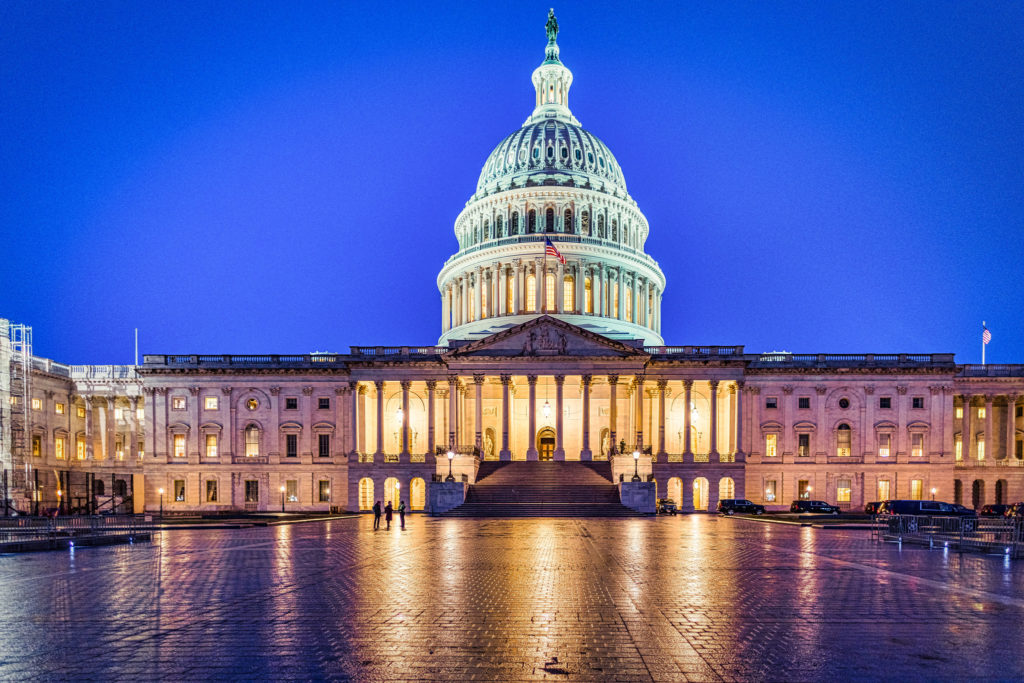
The US Senate turned a Russia sanctions vote into a memorial for the senator who wrote it. The Senate voted by an overwhelming margin to advance a package of sanctions on Russia inspired by the late Senator Lindsey Graham of South Carolina, hours after his funeral service in Washington, which Ukraine's president attended, USA Today reported.
The legislation passed the procedural vote, the first of several steps before it can become law, 86 to 12, with 11 Democrats and one Republican, Senator Rand Paul of Kentucky, voting against it.
Graham, who died on 11 July of an aortic rupture at 71 and was among Ukraine's most forceful allies in the US Congress, had secured President Donald Trump's support for a version of the bill before his sudden death. His sister, Darline Graham, appointed to his Senate seat, is the lead author of the legislation, now renamed the Lindsey O. Graham Sanctioning Russia and Iran Act of 2026. President of Ukraine Volodymyr Zelenskyy, in Washington for the funeral, watched the vote from the Senate floor.
"There is no greater way to honor Senator Graham's legacy than to move forward with this bipartisan agreement," Darline Graham and the bipartisan group of senators backing the bill said in a joint statement before the vote.
What the bill would do
The legislation is built to attack Russia's war revenue at its source. It gives the president new authority to sanction Russian officials, foreign nationals, and financial institutions tied to the country's war machine, and it requires Trump to impose a 500% tariff on all Russian imports, including Moscow's oil, petroleum, and natural gas.
The bill gives the president more power to punish ships that try to evade the energy sanctions imposed by the US and Ukraine's other partners, targeting the shadow fleet Russia uses to move oil around Western restrictions.
"This legislation is designed to cut off Vladimir Putin's most important resource in his war against Ukraine: his money," said Senator Jeanne Shaheen of New Hampshire, a co-author of the bill, on the Senate floor.
The measure also extends sanctions on Iran.
The vote was symbolic, and the path ahead is long
The vote was mainly symbolic, and the Senate was set to leave Washington on 7 August for a month. The Senate must still vote several more times to formally pass the bill.
The legislation would then also have to clear the House of Representatives, which is away until 31 August, before it can be sent to Trump. In June, the House passed its own version of a sanctions-and-Ukraine-aid package over Republican leadership, so a version exists in both chambers, but reconciling them and getting the result to the president's desk will not take place until the fall at the earliest.
Democrats objected to handing Trump tariff power
The 12 votes against the bill were accompanied by a specific complaint about whom the legislation empowers. Democrats who opposed the package said they were concerned about the tariff provisions, which would delegate too much authority to Trump.
"Essentially, this would be a wholesale delegation of Congress's tariff authority to the executive," Senator Peter Welch of Vermont said on the Senate floor.
The objection is notable because it splits the pro-Ukraine coalition not over whether to pressure Russia, but over how much unilateral power to give a president who has spent months pursuing a negotiated settlement with Moscow rather than escalating economic pressure.
Zelenskyy threaded the day between mourning and lobbying
Ukraine's president spent the day moving between the funeral, the White House, and the Senate. After a closed-door meeting with Trump at the White House, Zelenskyy went to Capitol Hill for a bipartisan meeting with senators, then watched them cast their votes, seated at one point between Senator John Barrasso, the majority whip, and Senator Roger Wicker, chair of the Senate Armed Services Committee.
He was one of three world leaders who came to the United States for Graham's funeral at the Washington National Cathedral. Zelenskyy called Graham a "true friend" of Ukraine in a social media post thanking the US for its firm support during more than four years of war against Russia's full-scale war.
Read Also
-
Ukraine orders nationwide bomb shelter inspection as more head underground amid rising ballistic missile threat
-
“There is no sky that is 100% safe”: Poland to consider sending more Patriot missiles to Ukraine after Russian missile crashes on its territory
-
Russia likely used North Korean missile in strike that killed Ukrainian family