
 Connexion
Russia keeps striking Ukraine’s energy system. Winter resilience plans are less than half complete
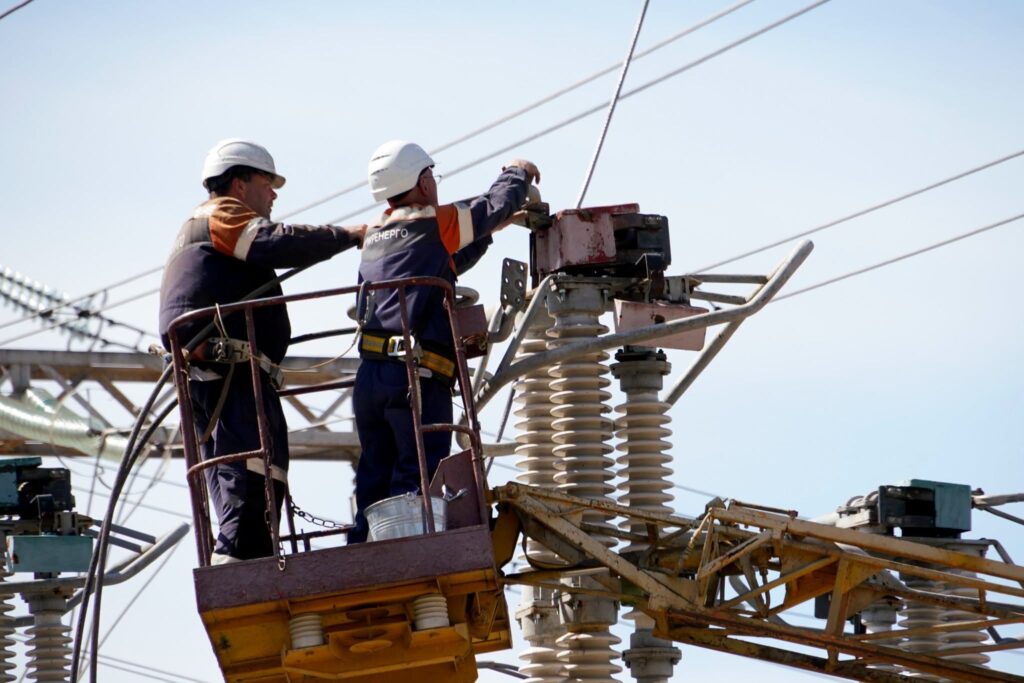
Russia keeps striking Ukraine’s energy system before winter, while Ukraine’s regional resilience plans were only 47% complete when audited.
Prime Minister Serhii Koretskyi told parliament on 21 August that some regions were ahead, others behind, and some deadlines would slip. The public transcript does not say when the audit was conducted.
The parliamentary audit covered regional resilience plans. The ministry’s preparation figures measure two separate things: routine heating-season maintenance and backup power at heat and water facilities.
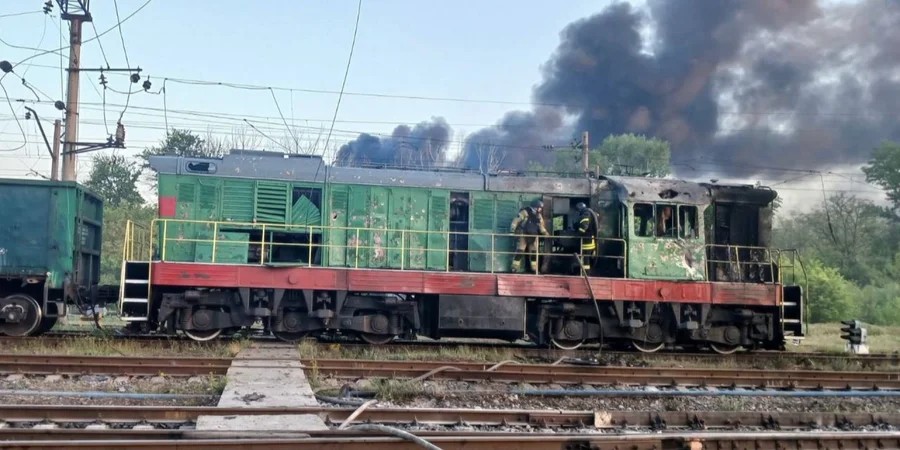
Russia had damaged more than 250 Ukrainian locomotives over six months and nearly 500 since the full-scale invasion began.
Almost 300 megawatts still missing
The latest nationwide preparation figures showed that around three in five residential buildings, boiler houses, and social facilities had completed their scheduled winter work by 1 August.
By 12 August, heat and water facilities had 920 megawatts of backup power against a need of 1,215 megawatts—a shortfall of almost 300 megawatts. The ministry expects all scheduled preparations to be completed by 1 October.
An August funding allocation brought the government’s stated total for resilience and infrastructure protection to 63 billion hryvnias ($1.4 billion). The announcement says where the money was allocated, but not how much had already been contracted or spent.
Energy Minister Denys Shmyhal told parliament that 1.8 gigawatts of small gas-fired generation was operational nationwide. Another 1.1 gigawatts was being installed or prepared by communities and state companies.
The 1.8-gigawatt total includes generation beyond the heat and water facilities facing the 300-megawatt backup-power shortfall.
A July energy assessment found that generators and cogeneration units still require working connections, fuel, maintenance, trained operators, and full-load testing. Utilities also need compatible spare parts and repair crews for prolonged outages.
President Volodymyr Zelenskyy’s decree requires regions to increase the backup-power capacity specified in their resilience plans by 20%. Local governments must also keep enough fuel on hand to operate essential services for at least two weeks.
The published decision gives no figure for how many facilities already meet the fuel requirement. It orders the government to revise the plans according to what can realistically be completed before the heating season and to seek additional financing.
New locomotives will not arrive before winter
The same presidential decision also makes damaged locomotives part of Ukraine’s winter preparations. It directs the government to consider state aid, international financing, faster procurement, and the purchase or lease of used locomotives.
Russia had damaged more than 250 Ukrainian locomotives over six months and nearly 500 since the full-scale invasion began. Some were beyond repair.
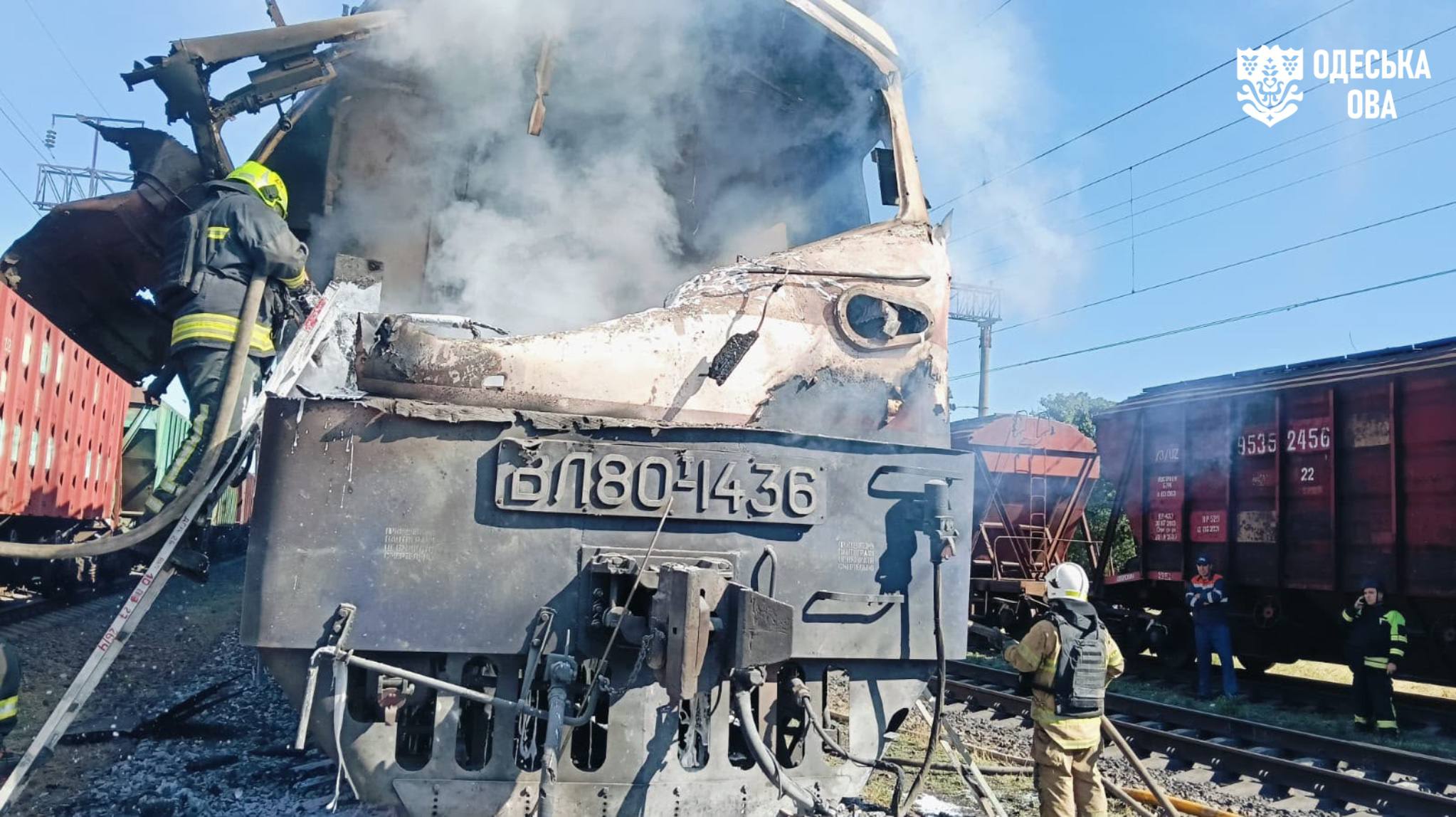
The losses reach beyond passenger services. Russian attacks have reduced commercial traffic through Ukraine’s Black Sea ports, increasing pressure on rail and Danube routes that carry agricultural exports. Neither has enough capacity to replace the deep-water ports.
Ukrzaliznytsia’s published delivery schedule shows that the first of 55 new Alstom freight locomotives will arrive only in early 2027. Deliveries will continue through 2029, leaving repairs, used purchases, and leases as the short-term options.
