Vue normale

  • ✇Euromaidan Press
  • Russia’s Shaheds cost $10,000 each. Ukraine just unveiled drone that kills them for $2,000
    Ukraine has unveiled a $2,000 interceptor drone capable of hunting Russian unmanned aerial vehicles on its own. The ZIRKA drone integrates automatic target detection, tracking, and terminal guidance, defense outlet Militarnyi reports. ZIRKA enters a Ukrainian interceptor market where unit price has become as decisive as capability. President Volodymyr Zelenskyy has publicly cited a per-Shahed cost to Russia of roughly $10,000, compared with Ukrainian interceptor drone c
     

Russia’s Shaheds cost $10,000 each. Ukraine just unveiled drone that kills them for $2,000

1 juillet 2026 à 10:32

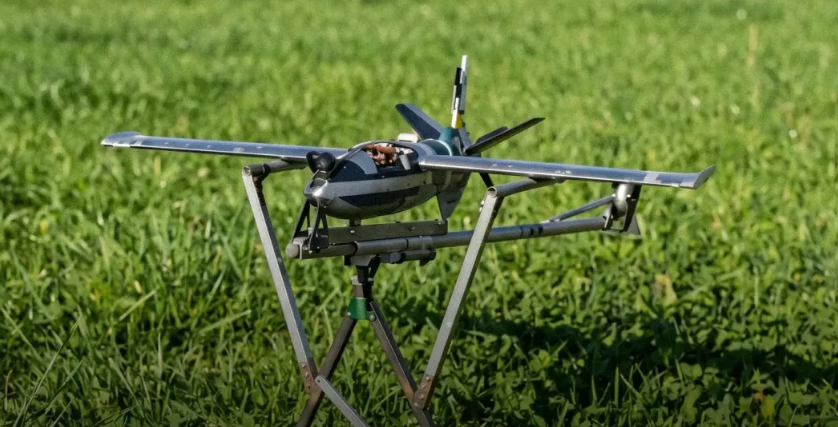
Interception drones ZIRKA in 2026. Photo: Vyriy Industries

Ukraine has unveiled a $2,000 interceptor drone capable of hunting Russian unmanned aerial vehicles on its own. The ZIRKA drone integrates automatic target detection, tracking, and terminal guidance, defense outlet Militarnyi reports.

ZIRKA enters a Ukrainian interceptor market where unit price has become as decisive as capability. President Volodymyr Zelenskyy has publicly cited a per-Shahed cost to Russia of roughly $10,000, compared with Ukrainian interceptor drone costs of $3,000–$5,000, and $4 million for a US-made Patriot missile.

The claim of a $2,000 fully-automated interceptor places ZIRKA at the price floor of the current Ukrainian interceptor market.

Auto-detection, tracking, terminal guidance at 340 km/h

ZIRKA integrates three automation layers: automatic target detection, tracking, and terminal guidance onto the target. That combination — detection through terminal-phase homing at the claimed price — is what NOCTIS and Vyriy Industries cite as the basis for the "lowest cost in class" claim among similar systems with equivalent automation.

The drone's 340 km/h speed places it in the same performance class as Germany-funded STRILA (355 km/h.

That speed is sufficient against standard Iranian-designed Shahed-136 attack drones. But it is below the burst speed of Russia's newer jet-propelled Shahed variants, which cruise at 300–350 km/h and can burst to 500–600 km/h.

NOCTIS as developer, Vyriy Industries as scaling partner

NOCTIS handles ZIRKA's interception technology, software, and automation. At the same time, Vyriy Industries provides investment support and a manufacturing partnership to scale.

The engineering team drew on combat experience from the Darknode anti-Shahed battalion, a sub-unit of the 412th Nemesis Unmanned Systems Brigade.

Ukraine's interceptor market: 40,000 delivered in January alone

Ukraine's Ministry of Defense took delivery of approximately 40,000 interceptor drones in January 2026 alone, and Zelenskyy has said Ukraine could scale to 2,000 per day with sufficient funding. 

Ukrainian interceptor prices have been dropping across the market as production has scaled. Skyfall's P1-Sun destroyed more than 3,000 Shaheds at roughly $3,000 per unit in the first half of 2026. Wild Hornets' Sting interceptor became the first drone control system approved to NATO standards in Ukraine in June 2026, with the platform having destroyed more than 600 aerial targets. 

  • ✇Euromaidan Press
  • One more entry in fast-filling interceptor lineup: Ukraine’s new Talion can kill drone or be drone
    Ukraine's new Talion drone can intercept Russian UAVs or destroy ground targets. The Ukrainian Ministry of Defense says it has codified and authorized its operational use, describing the system as both an air-defense interceptor and a loitering munition capable of striking ground targets. The Talion codification extends Ukraine's interceptor-industry consolidation, which has accelerated through 2026 as Russia scales its drone-and-missile campaigns. Ukrainian interceptors de
     

One more entry in fast-filling interceptor lineup: Ukraine’s new Talion can kill drone or be drone

30 juin 2026 à 18:12

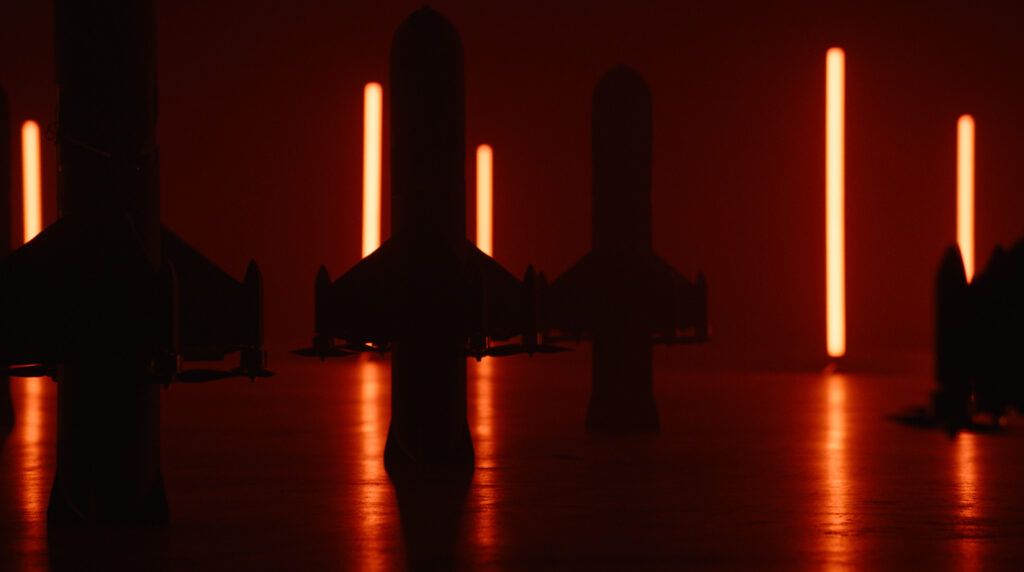
Ukraine has codified the Talion drone for service. Source: Ukraine's Defense Ministry

Ukraine's new Talion drone can intercept Russian UAVs or destroy ground targets. The Ukrainian Ministry of Defense says it has codified and authorized its operational use, describing the system as both an air-defense interceptor and a loitering munition capable of striking ground targets.

The Talion codification extends Ukraine's interceptor-industry consolidation, which has accelerated through 2026 as Russia scales its drone-and-missile campaigns. Ukrainian interceptors destroyed a record 33,000 Russian UAVs in March 2026 alone.

The Talion joins F-Drones' Litavr, codified earlier in June, alongside the General Cherry AIR, Wild Hornets' Sting, STRILA, Octopus, and other Ukrainian interceptor families now in active service. 

Dual-role design: air-defense interceptor and ground-attack loitering munition

The Talion's primary role is intercepting enemy UAVs as a kamikaze drone, the Ministry of Defense said.

The drone operates in either manual or semi-automatic mode. 

Its altitude envelope enables engagement against "practically all types of enemy drones," covering both low-flying Shahed-class strike drones and higher-altitude reconnaissance platforms.

Beyond air-defense missions, the Talion can be deployed as a strike drone against ground targets and for other tactical missions in the enemy rear. Long airtime enables patrol and aerial reconnaissance, providing operational units with current situational awareness.

"By combining the functions of an aerial target interceptor and a conventional loitering munition, the system will enhance the capabilities of Ukrainian units in countering enemy unmanned aerial vehicles," the ministry reports. 

Codification gates procurement: Ukraine's interceptor industry consolidates

Ministry of Defense codification under Ukraine's NATO-aligned procurement framework converts prototype interceptors into systems eligible for serial procurement by Defense Forces units.

Wild Hornets' Sting interceptor received NATO-standard codification of its HORNET VISION Ctrl control system in June 2026, the first NATO-standard drone control system approved in Ukraine, with the platform having already destroyed more than 600 aerial targets.

The Talion enters a market where Ukrainian interceptor production has scaled rapidly. In 2026, Germany funded 15,000 units of the STRILA interceptor capable of 355 km/h and featuring GPS-free targeting, while orders for Octopus interceptors reached 8,000 units in April 2026. 

  • ✇Euromaidan Press
  • Ukrainian drone that downed Russia’s rarest spy UAV just bagged its anti-drone interceptor too
    Ukraine has destroyed Russia's new anti-drone interceptor for the first time. The 57th Separate Motorized Infantry Brigade says it has used a General Cherry AIR interceptor drone to down a Russian Sokol-I anti-drone UAV.  The destruction came roughly one month after Russia first unveiled the Sokol-I as an anti-aircraft drone built to counter Ukrainian strike and reconnaissance UAVs. The shootdown validates the early skepticism Ukrainian and Western defense analysts voice
     

Ukrainian drone that downed Russia’s rarest spy UAV just bagged its anti-drone interceptor too

30 juin 2026 à 17:26

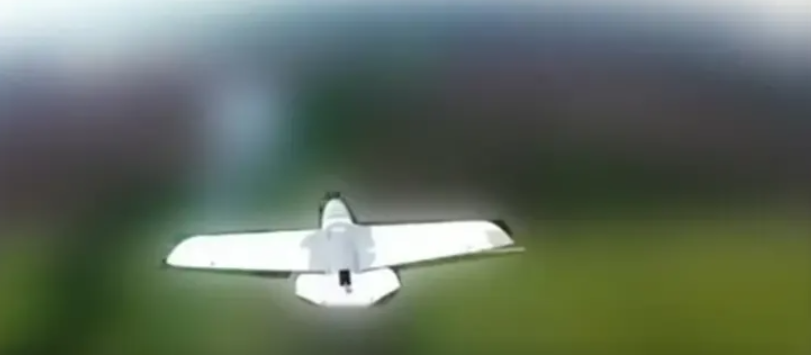
The Russian Sokol-I anti-drone UAV. Source: The 57th Separate Motorized Infantry Brigade

Ukraine has destroyed Russia's new anti-drone interceptor for the first time. The 57th Separate Motorized Infantry Brigade says it has used a General Cherry AIR interceptor drone to down a Russian Sokol-I anti-drone UAV. 

The destruction came roughly one month after Russia first unveiled the Sokol-I as an anti-aircraft drone built to counter Ukrainian strike and reconnaissance UAVs.

The shootdown validates the early skepticism Ukrainian and Western defense analysts voiced when Russia first unveiled the Sokol-I. Russian-published specifications listed a 150 km/h top speed, which is identical to the Ukrainian Hornet's cruise speed and below the Hornet's 200 km/h terminal-phase approach, meaning the Sokol-I might not be able to catch the very drones it was built to stop

General Cherry AIR: Interceptor that downed Russia's rarest spy drone

The General Cherry AIR is one of Ukraine's most documented interceptor drone platforms. The same system was used to down Russia's "Knyaz Veshchiy Oleg" reconnaissance drone, one of Russia's rarest and most advanced spy UAVs, with a single-system cost above $100,000 in 2025. 

Ukrainian defense-tech company General Cherry (Chereshnia) carried out 11,473 strikes in March 2026 alone, taking out 43% of Russia's Molniya drones.

Russia has been adjusting drone tactics in response to mounting interceptor losses: Russian strike drones now fly with escort UAVs, while Russian reconnaissance drones increasingly conduct high-altitude or brief in-and-out missions to avoid Ukrainian interceptor engagement zones.

Sokol-I specifications: foam-plastic body, kinetic-ramming option

Per Russian Armed Forces data cited by the 57th Brigade, the Sokol-I drone's body is built from foam plastic, a low-cost material common to expendable drones, and its warhead is either remote-detonated or kinetic, designed to ram targets directly.

The 57th Brigade is part of Ukraine's growing inventory of front-line units operating interceptor drones at scale. Ukraine fielded twice as many interceptor drones in the first months of 2026 as in all of 2025, with at least 29 Ukrainian companies licensed for serial interceptor production and orders for systems like the Octopus interceptor alone totaling 8,000 units.

  • ✇Euromaidan Press
  • Russia’s strike drones now fly with escorts – as Ukraine’s interceptors tear through stocks
    Russian forces are increasingly relying on cheaper reconnaissance drones and introducing escort tactics for strike UAVs in response to losses from Ukrainian interceptor systems, according to Militarnyi. Ukraine’s interceptor drone units are becoming more consistent and coordinated in engaging Russian UAVs along the front, increasing interception rates and tightening the conditions under which Russian reconnaissance drones can operate. A Ukrainian anti-aircraft drone
     

Russia’s strike drones now fly with escorts – as Ukraine’s interceptors tear through stocks

20 juin 2026 à 09:43

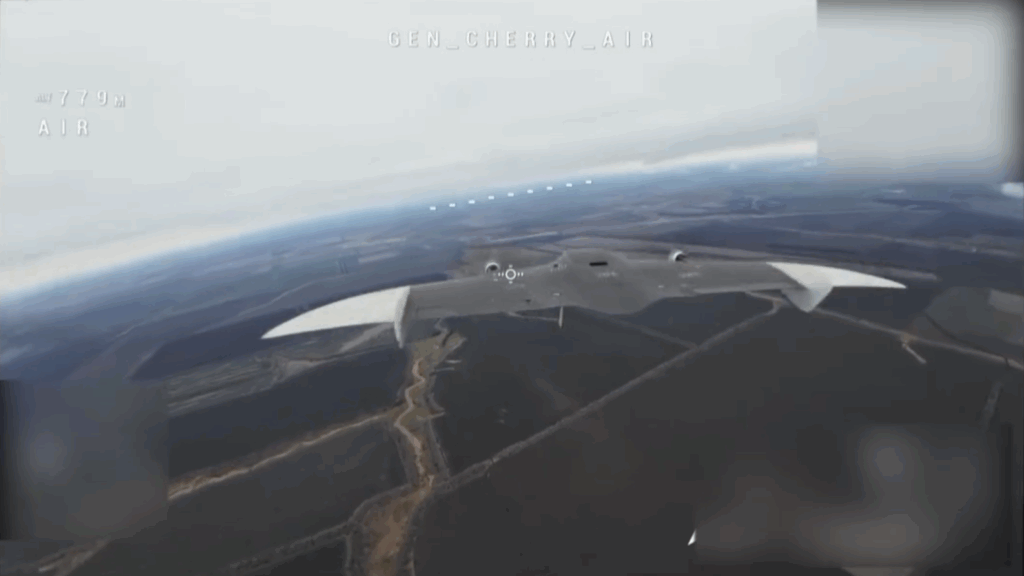
Russian "Knyaz Veshchiy Oleg" reconnaissance drone as seen from a Ukrainian "General Cherry AIR" interceptor drone, just before strike. Screenshot from video: General Cherry

Russian forces are increasingly relying on cheaper reconnaissance drones and introducing escort tactics for strike UAVs in response to losses from Ukrainian interceptor systems, according to Militarnyi.

Ukraine’s interceptor drone units are becoming more consistent and coordinated in engaging Russian UAVs along the front, increasing interception rates and tightening the conditions under which Russian reconnaissance drones can operate.

A Ukrainian anti-aircraft drone unit commander told Militarnyi that Russian reconnaissance drones now rarely cross the line of contact in the same way as earlier in the war, with activity sharply reduced due to interception losses.

Escorting strike drones with interceptors

The commander describes a new practice of pairing strike drones with additional UAVs designed to engage Ukrainian interceptor drones during attack runs.

These escort drones are intended to disrupt interception attempts and increase the chance that strike UAVs reach their targets. The result is a layered formation combining reconnaissance, strike, and counter-interception roles within a single mission package.

Recon drones forced into high-altitude, short-duration flights

Russian reconnaissance UAVs are now operating at higher altitudes and for shorter periods when crossing into Ukrainian-controlled airspace.

Systems such as the Orlan-10, once widely used for frontline reconnaissance, are now used more cautiously, often limited to brief “in-and-out” missions or high-altitude passes above the effective engagement range of interceptor drones.

According to the report, crews increasingly treat deeper reconnaissance flights as near-expendable, with a high probability of being shot down once they cross deeper into contested airspace.

Shift toward lower-cost UAVs

Militarnyi reports a growing shift toward cheaper reconnaissance platforms, including systems such as “Knyaz Veshchiy Oleg” and reconnaissance versions of the Molniya-2 strike drone.

These systems are being used more widely as Russian forces adapt to sustained losses, prioritizing volume and affordability over survivability and range.

Higher-end drones such as ZALA systems are still in use, but are described as more difficult to intercept due to improved maneuvering and signal-awareness capabilities.

Adaptation under sustained losses

Militarnyi frames these changes as a direct response to increased Russian UAV losses caused by Ukrainian interceptor drones.

Rather than restoring previous reconnaissance reach, Russian forces are adapting through lower-cost platforms, higher drone volumes, and protective escort tactics – maintaining operational output while operating in a more contested and constrained air environment.

❌