
 Connexion
Washington just removed seven more Russians, two ships, and two Turkish firms from its sanctions blacklist
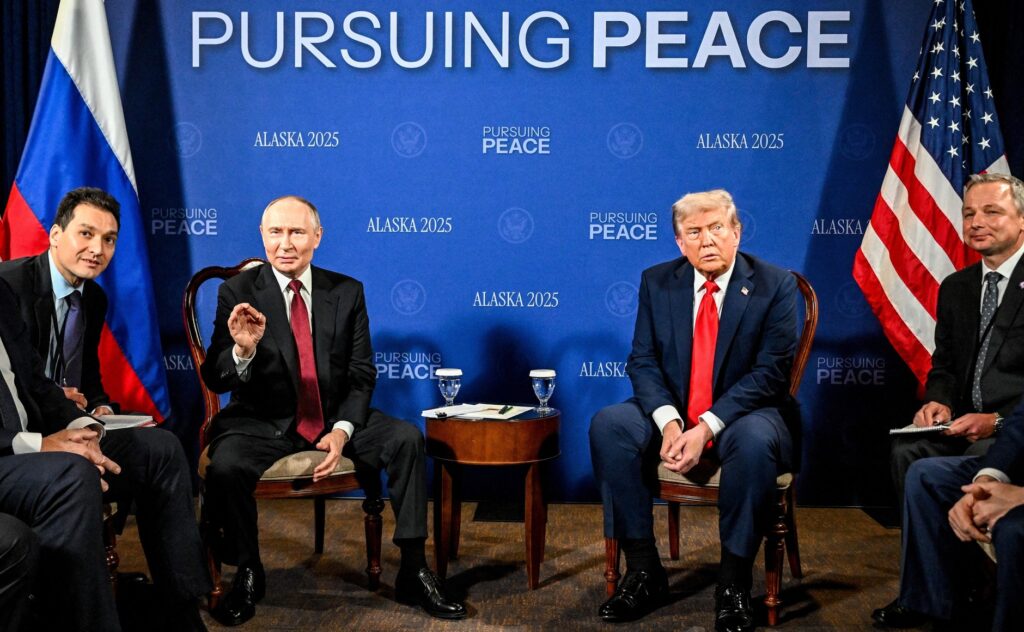
The United States has quietly trimmed its Russia sanctions list, clearing a group of Russians, ships, and foreign companies, according to the US Treasury's Office of Foreign Assets Control (OFAC). The agency gave no public reason for the move. It adds to a months-long run of unexplained American delistings tied to Russia's war on Ukraine.
Who came off the list
On 24 June, OFAC—the federal office that runs US sanctions by freezing assets and barring American firms from dealing with targets—deleted names from its Specially Designated Nationals (SDN) list, the roster of parties Americans cannot do business with.
The cleared parties include:
- Seven Russian nationals, among them Ivan Potanin, son of Vladimir Potanin, the oligarch who controls the metals giant Norilsk Nickel, plus several executives of the sanctioned banks Novikombank, Sovcombank, and Bank Otkritie
- Two Russian-flagged cargo ships, the Vyacheslav Arshinov and the Gennady Egorov, both linked to Russia's State Transport Leasing Company
- Two Turkish companies, including the elevator maker IDA Asansor
All had been designated under Executive Order 14024, the main legal authority behind US penalties on Russia's war.
A firm once accused of arming Russia
One Turkish name stands out. IDA Asansor had been flagged for evading sanctions and supplying goods to Russia's defense industry, the original US listing alleged. Now that the listing is gone. The step echoes a removal last December, when Washington cleared firms accused of supplying Russia's military and offered no explanation then either.
Read also
-
US sanctions 13 Iran-Belarus-China entities supplying Iran’s IRGC. That’s three of four “Axis of Upheaval” states
-
US sanctions don’t work: Russian tankers shipped $11 billion in oil last year. That’s enough to bomb Ukrainian cities for eight months
-
“We remember everyone who is in captivity” – Ukraine brings home 160 defenders held since 2022
