‘Even if AI supercharged the economy, its impact on the government’s finances would be muted’
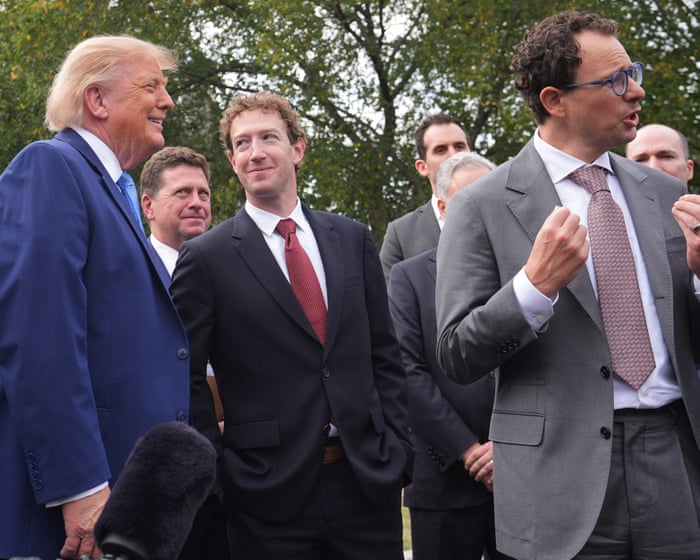
Back through political history to the age of Ronald Reagan, Republicans have repeatedly promised the US public that tax cuts would pay for themselves, firing up economic growth and filling the government’s coffers.
The promise never really panned out. From the Gipper’s day on, the Republicans’ tax cuts inevitably increased the budget deficit. Despite its failure, though, the promise is back, coated in a fine new layer of artificial intelligence pixie dust. It will fail again.
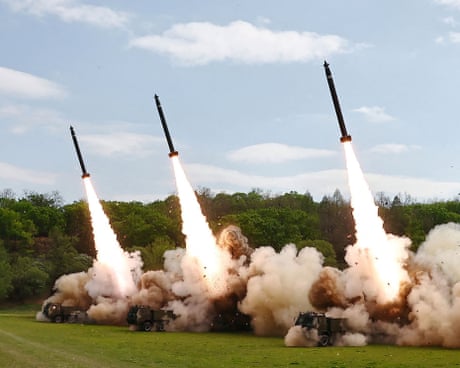
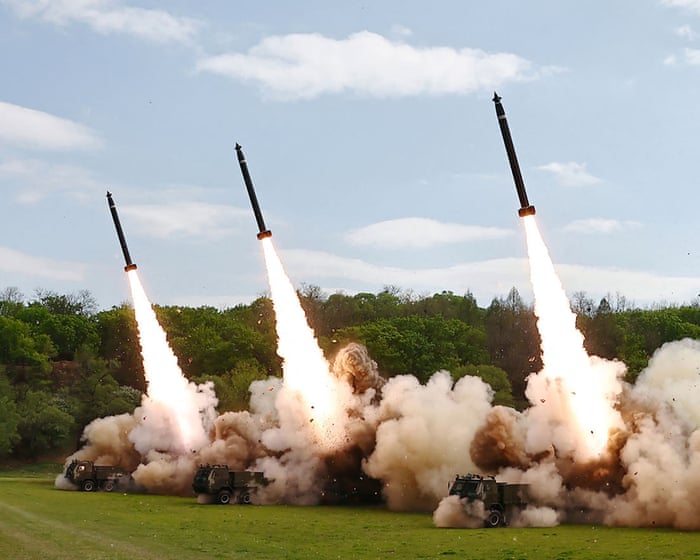
This is no scoffing matter. The accelerating proliferation of advanced nuclear weapons is bringing ‘end times’ closer by the day
Humankind has fearfully and sometimes joyfully anticipated the end of the world ever since it began. The Bible’s Book of Revelation speaks of “end times”, a period of tribulation, war, famine, plague, floods and environmental catastrophe that may seem a less absurd prospect today than perhaps it once did. Islam, too, posits a fateful day of judgment or day of reckoning. Christian evangelicals believe that, in the final rapture, a chosen few – the righteous or the “elect” – will be saved while sinners burn. It’s a minority view. Matthew’s gospel predicts most people will defy, ignore or ridicule warnings of imminent Armageddon. Peter, another of Jesus’s disciples, agreed: “In the last days, scoffers will come, scoffing and following their own evil desires.” Yet such worldly scepticism does not mean a universal cataclysm is less likely. It may make it more probable.
Donald Trump’s blanket denials of the dangers ostensibly posed by artificial intelligence, whose uncontrolled development is seen by some as the latest harbinger of apocalypse, could be interpreted as fulfilling Peter’s prophecy. This US president, the nearest thing the world has to a one-man doomsday machine, is a great one for scoffing and evil desires. In Robert Harris’s 2019 novel, The Second Sleep, a worried scientist lists half a dozen ways the world might end. They include devastating climate change, pandemic disease, a giant asteroid collision with Earth, or some other overwhelming calamity. Few heed the fictional scientist’s fears. In the event, what destroys him and almost everybody else is a disturbingly plausible cyber crash – a global digital and internet meltdown.
Simon Tisdall is a Guardian foreign affairs commentator

 Connexion