Connexion
Italy’s largest arms maker had no plans for a Ukraine factory—a year later, it has a Kyiv subsidiary
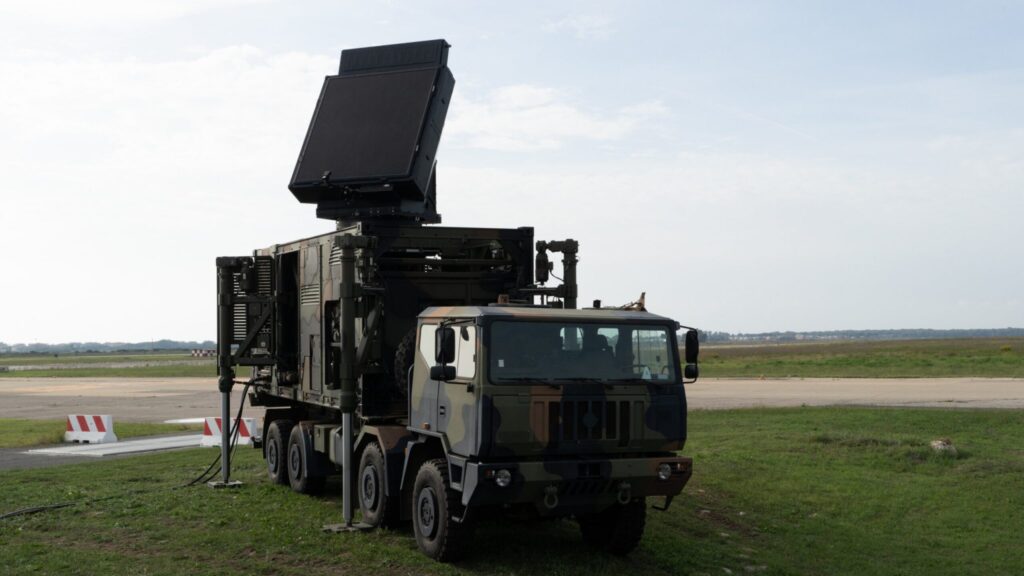
Italian defense giant Leonardo has quietly registered a research subsidiary in Kyiv, planting a direct corporate flag in Ukraine's wartime defense ecosystem, Euractiv reported. The move reverses the company's previous public stance against opening operations in Ukraine.
European defense firms are quickly embedding inside Ukraine's defense industry, as Ukraine's wartime manufacturing base has become a draw rather than a risk for Western capital.
Kyiv-based R&D company
Leonardo Ukraine appeared in Ukraine's business register on 20 May, but the company disclosed the step only in its H1 2026 financial report at the end of July. The subsidiary's share capital stands at about $125,000. Leonardo International wholly owns it.
"We have completed the legal process to begin operations. The new company will be used to work in this region," a Leonardo spokesperson said.
The subsidiary will focus on R&D covering communications and navigation systems, software, IT services, and electronic and optical technologies. The step brings Leonardo closer to Ukraine's drone and missile industry, which has expanded rapidly during the war.
Italy wants continental defense alliance, including Ukraine. Kyiv already out-produces all of NATO on drones
From no factory to a Kyiv office
Just over a year ago, then-CEO Roberto Cingolani said that Leonardo had no plans to open a factory in Ukraine, as Reuters reported. At the same time, Cingolani pledged to test Leonardo's Michelangelo Dome air defense system in Ukraine. The Italian government did not reappoint him in April 2026. Lorenzo Mariani took over as CEO in May.
The subsidiary is not a factory. But it gives Mariani a registered legal presence inside Ukraine's defense innovation ecosystem, positioned near the drone and electronic warfare sectors Leonardo wants to tap.

Leonardo is not the first major European defense firm to set up inside Ukraine. Germany's Quantum Systems established three joint ventures and made the country its second-largest international base. Rheinmetall is building an ammunition plant there. Ukrainian defense companies, in turn, have opened production facilities across Europe.
Read Also
-
One pilot, five bombers: Ukraine’s Lasar’s Group ties whole raid to single operator to save manpower
-
Evacuation is “force majeure that no one is ready for” in most Ukrainian units, and robots are too slow to fix it, commander says
-
From Warsaw to New York, Ukrainians will form human chains on Independence Day