
 Connexion
Ukraine’s government reshuffle followed the letter of the Constitution. But did it follow its spirit?
Ukraine completed a wholesale government reshuffle in just four days, with every constitutional requirement observed—formally. But according to a leading Ukrainian constitutional expert, the sequence of events tells a different story.
Instead of the parliament choosing a prime minister and the president acting on that decision, Volodymyr Zelenskyy appeared to settle the outcome.
But according to a leading Ukrainian constitutional expert, the sequence of events tells a different story. Instead of the parliament choosing a prime minister and the president acting on that decision, Volodymyr Zelenskyy appeared to settle the outcome first, leaving parliament to ratify what had already been decided.
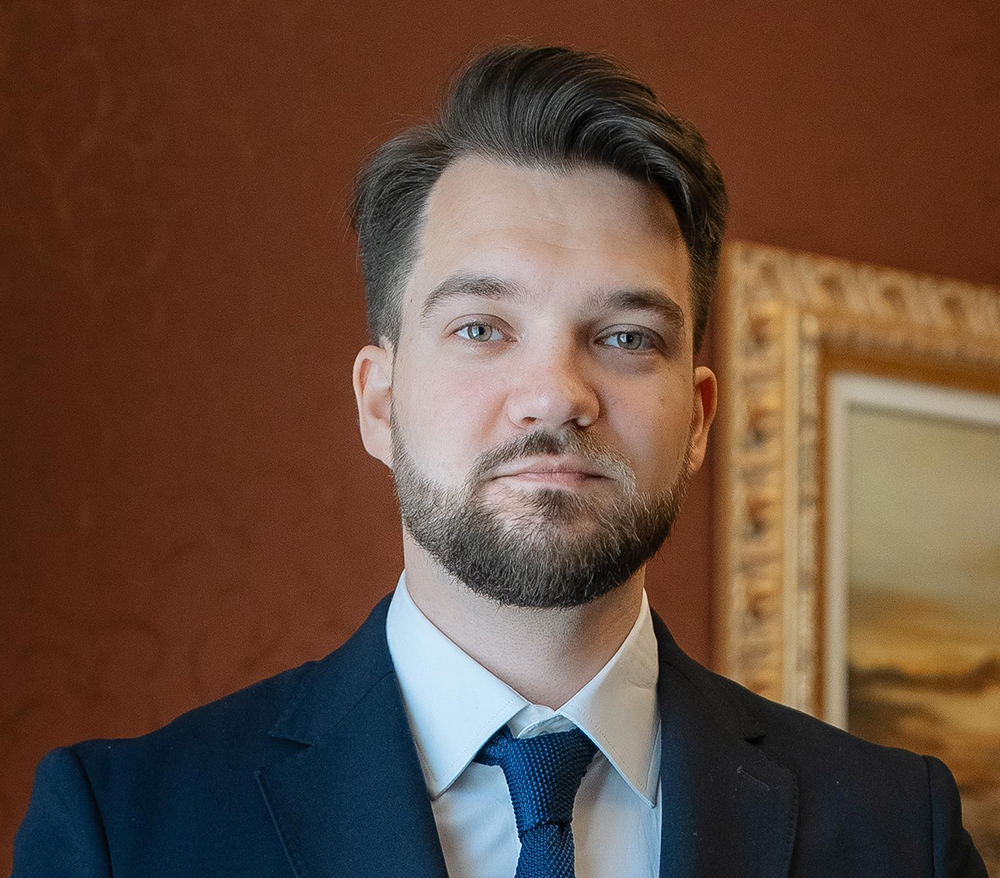
“Politically, however, it looked as though the decision had already been made by the Presidential Office,” says Andrii Biletskyi, a lawyer and criminologist who serves as administrative director of the Anti-Corruption Research and Education Centre (ACREC) at the National University of Kyiv-Mohyla Academy.
It raises questions about transparency, constitutional practice, and the growing concentration of power in wartime Ukraine. And it could very well damage Ukraine’s international reputation.
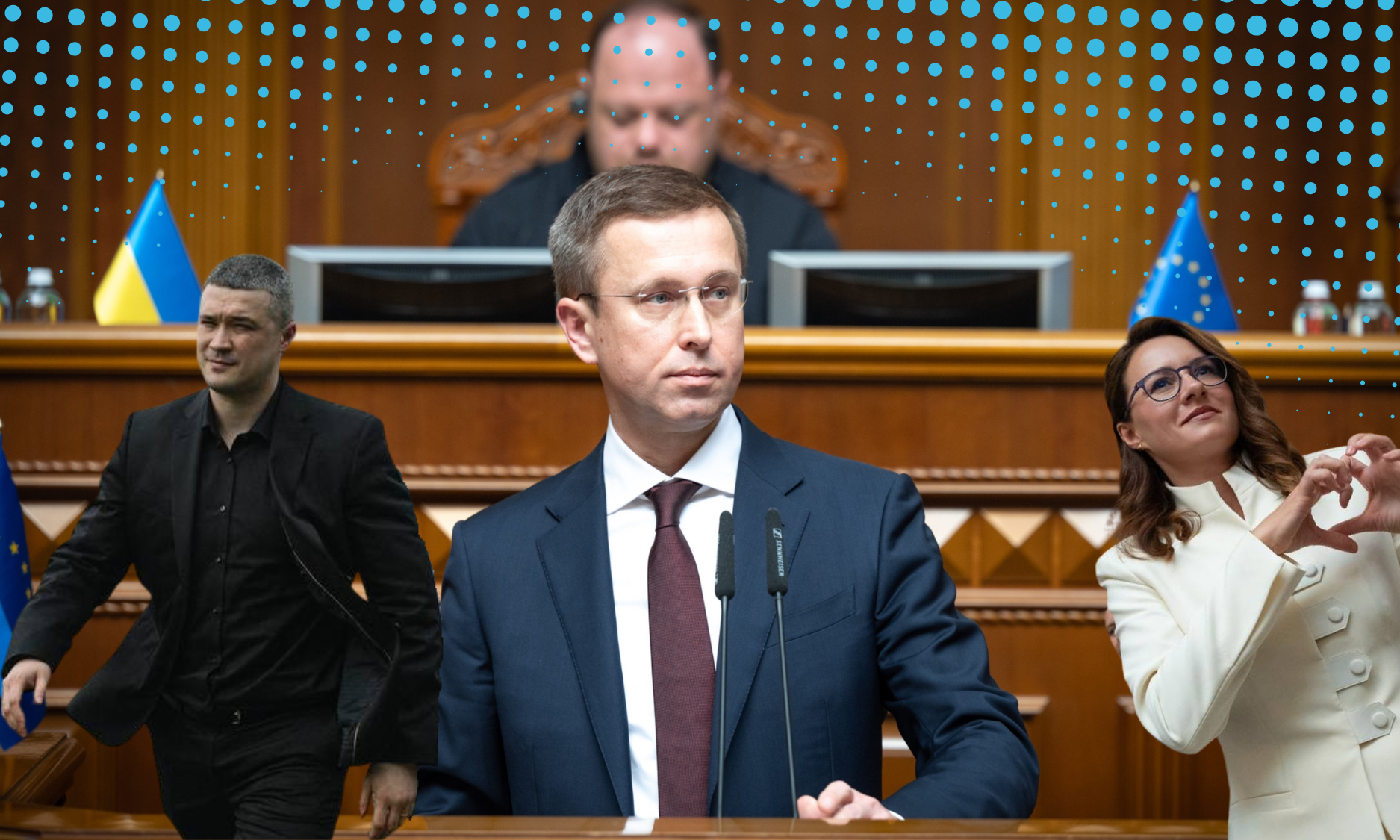
“They removed the auditor, not the thieves”: why Ukrainians are protesting Zelenskyy’s reshuffle
The sequence ran backward
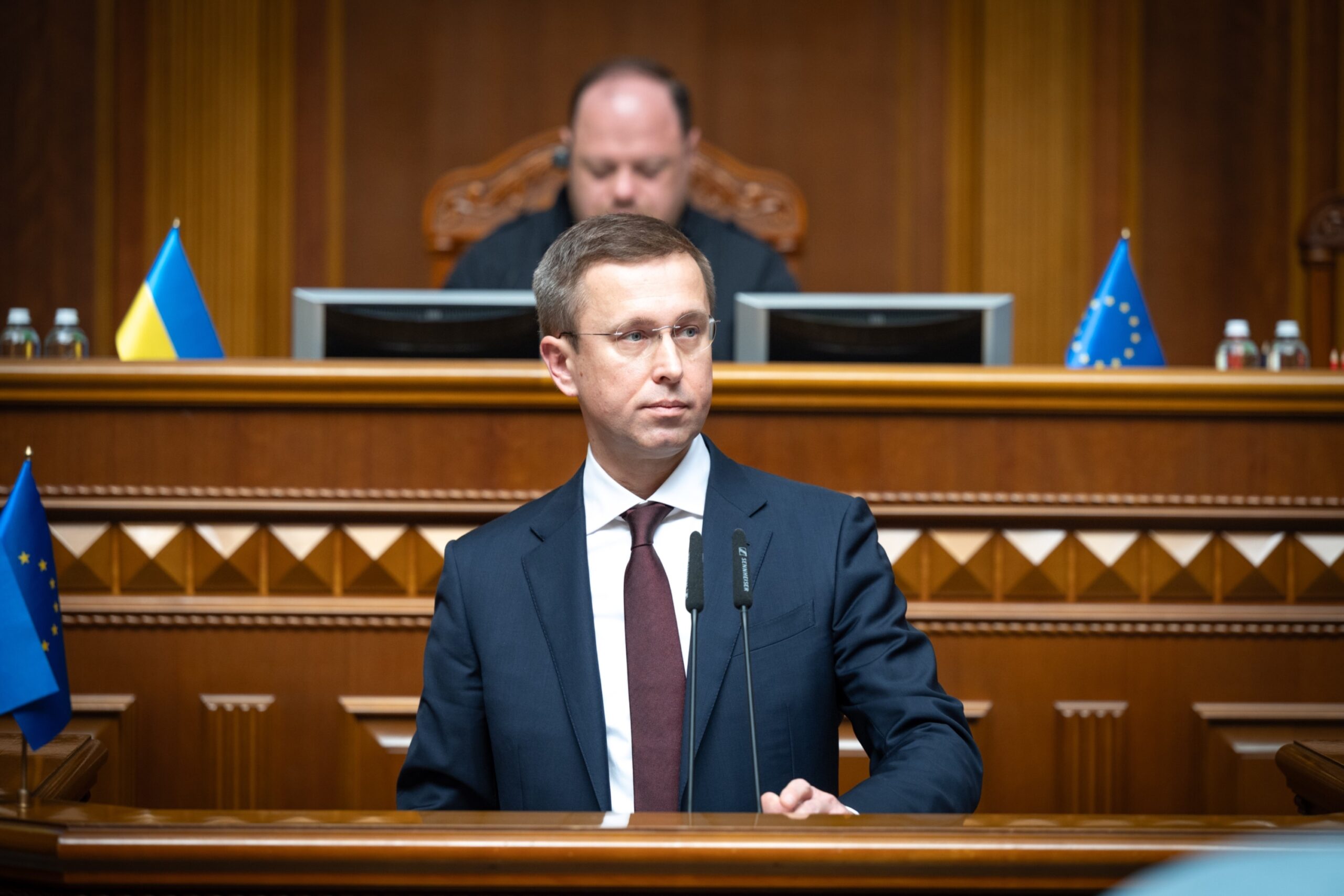
On 12 July, Zelenskyy announced the government “reset”, and the same day, Prime Minister Yuliia Svyrydenko confirmed that she would step down. Parliament voted her out on 14 July, dissolving the entire Cabinet with her. On 15 July, the president told journalists that Serhii Koretskyi was “surely the most prepared candidate for the post of prime minister of Ukraine.”
Under Article 114 of the Constitution, parliament appoints the prime minister on the president’s submission.
The formal submission reached parliament the same day, registered as Draft Resolution No. 15414, its subject of legislative initiative listed as the President of Ukraine.
“Formally, the constitutional procedure was followed,” says Biletskyi.
Under Article 114 of the Constitution, parliament appoints the prime minister on the president’s submission, which should rest on a proposal from the parliamentary majority.
“Politically, it looked as though the decision had already been made by the Presidential Office.”
“However, in practice, the sequence of events looked different,” Biletskyi said in comments shared exclusively with Euromaidan Press. The president announced Svyrydenko’s departure—though formally her resignation should have been her own initiative—and publicly indicated Koretskyi’s name before the parliamentary majority had officially nominated him.
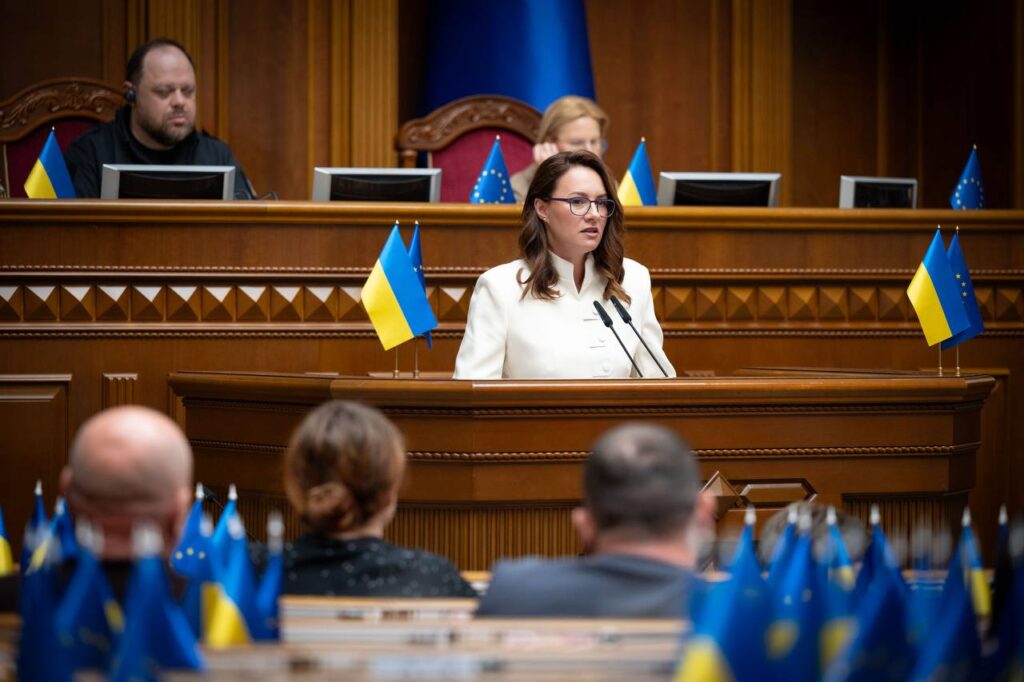
“Legally, parliament’s role was preserved because MPs still voted on the appointment. Politically, however, it looked as though the decision had already been made by the Presidential Office, while parliament simply confirmed it,” Biletskyi said.
A parliament that confirms rather than chooses
In Biletskyi’s assessment, “parliament’s role has become largely formal.” The Constitution assigns the Verkhovna Rada a central role in appointing and overseeing the government; in reality, he says, most key political decisions appear to be made by the president and the Presidential Office, with parliament approving them afterwards.
“The system of checks and balances works best when parliament acts independently rather than simply endorsing decisions that have already been made elsewhere.”
The war explains part of the concentration of power in the executive. Still, “the system of checks and balances works best when parliament acts independently rather than simply endorsing decisions that have already been made elsewhere.”
The pattern continued past the vote. Hours after the new Cabinet was approved on 16 July, Zelenskyy appointed Yevhenii Khmara, head of the Security Service of Ukraine (SBU), as acting defense minister, saying he would seek parliamentary approval afterward. Appointment first, ratification after.
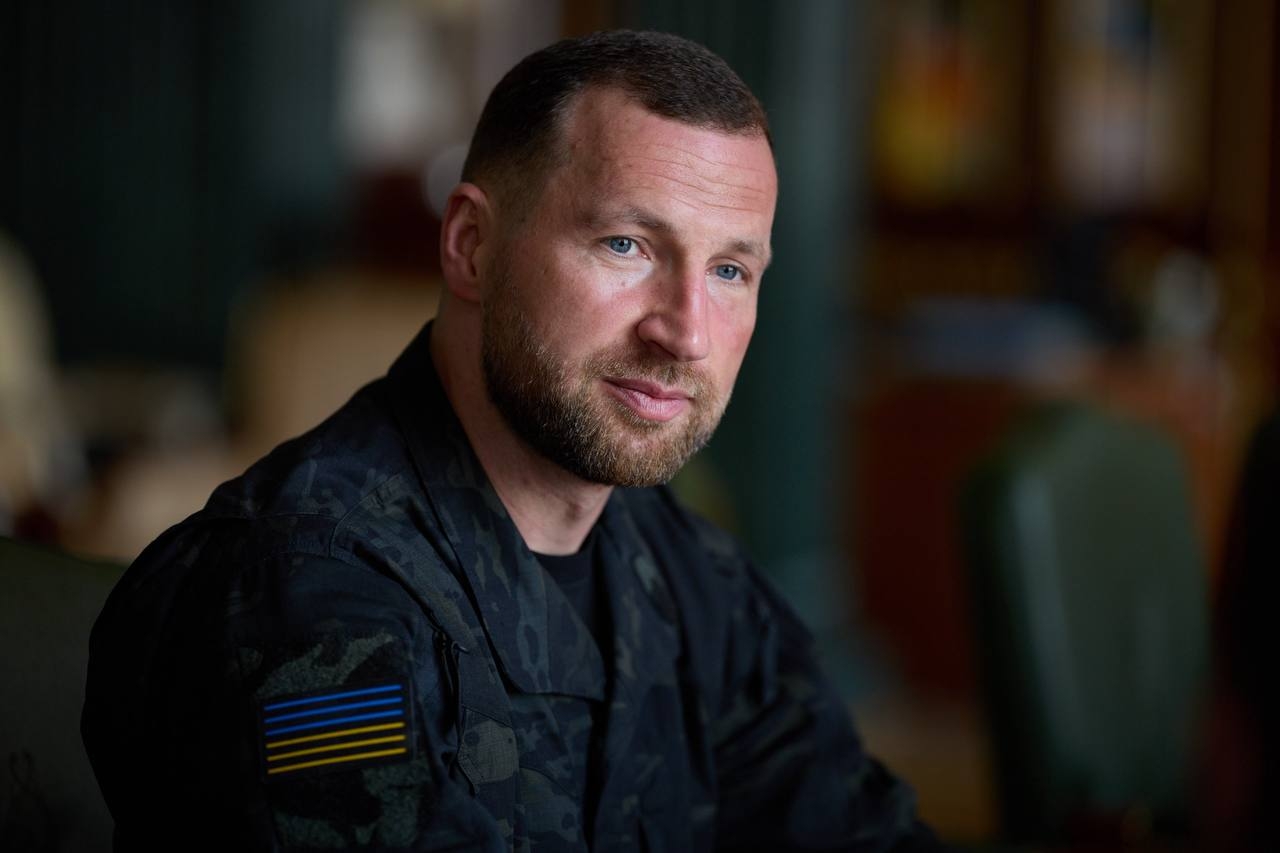
That appointment carries a legal problem of its own, Biletskyi notes: Khmara is a serving military officer—a major general—while Ukraine’s Law on National Security requires the defense minister and his deputies to be civilians. A serving soldier or security service officer must leave active service before he can be formally appointed.
“Once the necessary legal procedures have been observed, I will turn to parliamentarians for support.”
Parliament, meanwhile, has dispersed until 18 August, MP Yaroslav Zhelezniak wrote on Telegram. Zelenskyy appeared to acknowledge the hurdle himself: “Once the necessary legal procedures have been observed, I will turn to parliamentarians for support of Yevhenii Khmara for the post of Minister of Defense of Ukraine,” he said in a statement. Until then, Ukraine’s Defense Ministry is run by a man the law does not yet permit to run it.
What martial law allows
No rule bars replacing a government in wartime, Biletskyi says. Article 10 of Ukraine’s law on the legal regime of martial law states that the Cabinet’s powers may not be terminated while martial law is in force. But the provision reads together with Article 115 of the Constitution, which expressly allows the prime minister to resign, and provides that the resignation brings down the entire Cabinet.
The outgoing government must then keep working until the new one starts. That is what happened: Svyrydenko’s ministers stayed on in acting capacity until the 16 July votes.
What the EU can and cannot do
The EU cannot tell Ukraine who should be prime minister or how its government should be formed—“those are decisions for Ukraine’s constitutional institutions,” Biletskyi says. But Brussels does expect “candidate countries to have strong democratic institutions and an effective system of checks and balances.”
“The biggest consequences are likely to be reputational.”
“When major political decisions are made without a clear public explanation, it raises questions about transparency and the concentration of power,” he said. The EU has few practical tools to intervene in what is essentially an internal political matter: “The biggest consequences are likely to be reputational. A government reshuffle without a convincing public explanation can undermine trust, both inside Ukraine and among its European partners.”
The dismissal of Defense Minister Mykhailo Fedorov, folded into the same Cabinet dissolution, drew thousands of protesters into the streets.
The explanation gap remains open. Zelenskyy tied the change to winter preparation and an updated political strategy; government sources told Suspilne the president was satisfied with Svyrydenko’s work and had no complaints. The dismissal of Defense Minister Mykhailo Fedorov, folded into the same Cabinet dissolution, drew thousands of protesters into the streets of Kyiv, Kharkiv, Odesa, Lviv, and other cities.
