
 Connexion

The winter fog has arrived. Expect Russian tanks.

- The winter fog has arrived over eastern Ukraine, and with it: fresh Russian mechanized assaults
- The Russians rolled out tanks and armored personnel carriers on foggy 13 November for an attack toward Dobropillia
- How far the Russians advanced, if at all, is unclear as long as the for persists
The weather is getting worse across eastern Ukraine. For Russia, that's an opportunity to attack. Thick winter fog can obscure vehicles and troops from overhead drones.
A year ago, the Russian Center Group of Forces took advantage of winter fog to rush troops and vehicles into the ruins of Pokrovsk, a front-line city in Donetsk Oblast where Ukrainian forces had mounted a stubborn defense. The fog signaled Pokrovsk's fall—and the subsequent fall, a few months later, of neighboring Myrnohrad. In capturing those two cities, the Russians positions themselves for this year's offensive toward Kramatorsk and Sloviansk, the last free cities in Donetsk.
This year's fog could help the Russians advance much closer to the free cities, whose outskirts lie around 20 km north of the disputed gray zone along either the T0514 or H20 highways. The easiest route for the Russians may be through the town of Dobropillia, which sits astride the T0514. Their first good opportunity to attack under the fog came on 13 November. "It's the foggy day at Dobropillia that Russia has been waiting for," mapper Vitaly warned.
It's the foggy day at Dobropillia that Russia has been waiting for.
— Vitaly (@M0nstas) November 13, 2026
GSUA reported 47 attacks by evening, while SBS reportedly hit 4 tanks and 10 APCs in the area.
Russia is trying to repeat the final push into Dobropillia under the same conditions as a year ago at Pokrovsk. https://t.co/wTRH3X1s4b
As expected, the Russian Center Group of Forces attacked hard, even deploying armored vehicles including tanks. Mechanized assaults have become vanishingly rare since 2025 as the danger from Ukrainian drones has intensified and the Russians continue tinkering with various anti-drone protections including layers of add-on armor and so-called "active defenses" including vehicle-mounted, radar-cued projectors that shoot tiny missiles at incoming drones.
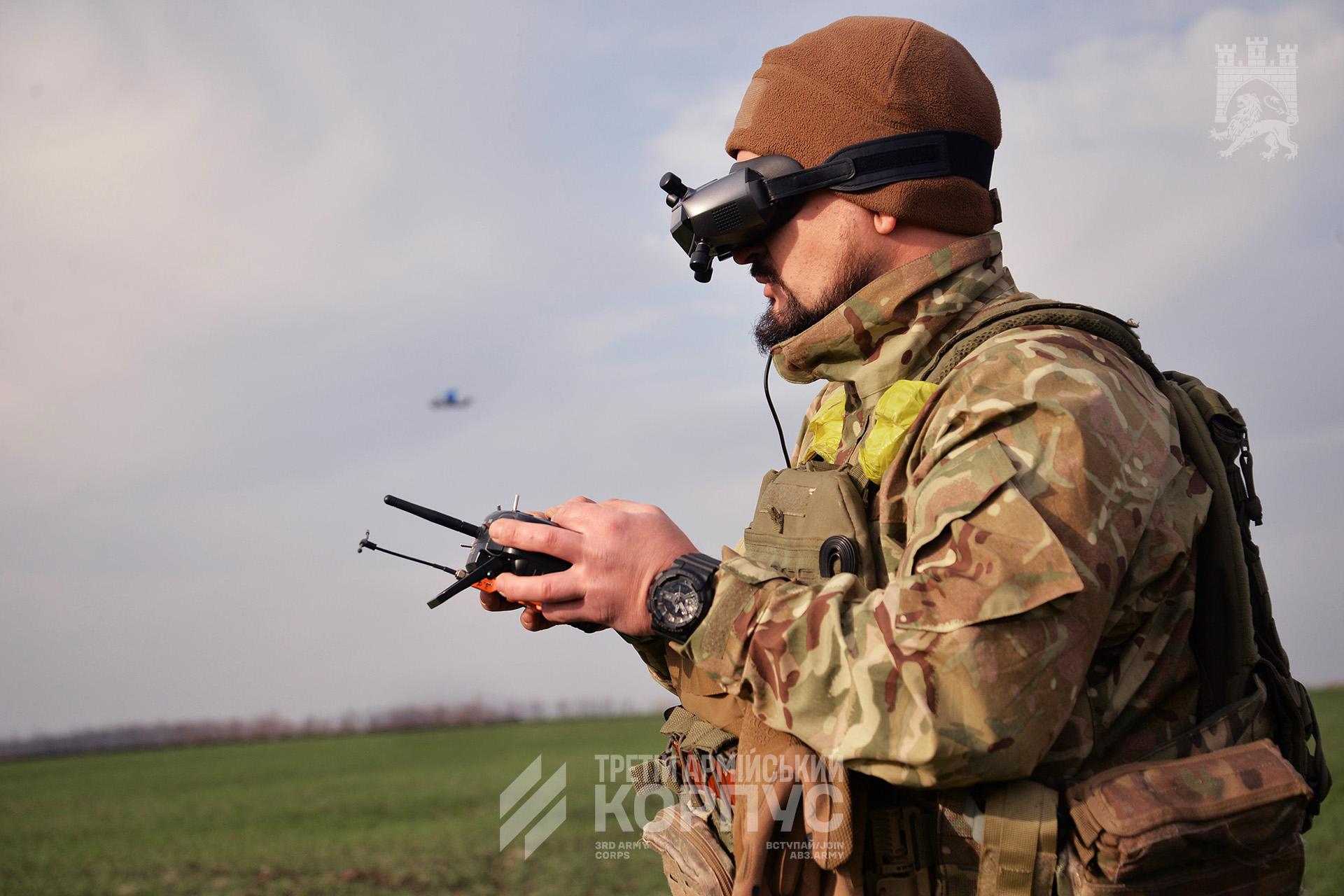
The anti-drone defenses aren't yet foolproof, so the Russians tend to attack on foot. That is, until a fog teases a largely drone-free day. Most first-person-view drones on both sides of the wider war still have simple daylight cameras that can't see very well through the fog. Drones with thermal cameras that can see through fog are pricier and therefore rarer.
As the fog thickened on 13 November, the Russians rolled out tanks and armored personnel carriers. The apparent goal: to force the road routes toward disputed Dobropillia and seize new positions in or around the town, potentially allowing follow-on forces to push through Dobropillia and ride the T0514 north toward Kramatorsk.
Daily Ukraine map thread for Friday 13th November 2026
— Ukraine Control Map (@UAControlMap) November 13, 2026
A rather foggy day in the Dobropillya direction, where another Russian mechanised assault seemingly took place. The SBS reports 10 AFVs and 4 tanks struck.
Elsewhere, the damage from the 11th November strikes on the… pic.twitter.com/NRTDjkFQHa
Big mechanized attack
The scale of the 13 November attack is apparent from the reported losses. Ukrainian forces claimed they struck 14 Russian vehicles include four tanks and 10 armored personnel carriers. Whether any tanks or APCs got past the drones and dropped off any infantry in new positions is unclear. We may have to wait until the fog clears to assess any Russian gains.
Even if the 13 November attacks failed, expect the Russians to keep attacking in the same area at every foggy opportunity. The Ukrainian 3rd Army Corps' successful Operation Vivaldi counteroffensive has pushed Russian forces back along their likeliest northern approach toward Sloviansk and Kramatorsk. That leaves the southern approaches along the T0514 (through Dobropillia) and along the H20 (through Kostiantynivka) as the best bets for the increasingly desperate Russian command.
The T0514 may be more attractive than the H20, however, given how much the Russians have struggled to clear the last stubborn Ukrainian defenders from Kostiantynivka after a year of trying.
Also expect more vehicular assaults. The winter strips the leaves from the trees, depriving Russian infantry of their best overhead cover during footborne assaults. But the same winter brings the fog, and new cover for vehicles speeding along the paved roads. Mechanized attacks became noticeably more frequent earlier this week when the Russian 8th Combined Arms Army deployed several up-armored BMP-3 infantry fighting vehicles for a fresh push toward Dobropillia.
Those BMPs didn't enjoy the same thick fog the Russian vehicles enjoyed on 13 November, and they didn't get far. Ukrainian drones spotted the vehicles on the T0514 40 km by road from Dobropillia. It's likely the Russians got much closer to Dobropillia on foggy 13 November.
As the weather improved on 14 November, Vitaly scoured social media for evidence of Russian gains. "No [Ukrainian] positions were lost," he reported. But he cautioned that "some" of the Russian infantry who rode into battle under the previous day's fog "may still be hiding behind the line."
