Vue lecture

Fed chair says delivering ‘stable prices’ is central bank’s job as inflation persists

However, Kevin Warsh didn’t say if interest rates would change in coming months, as inflation remains stubborn

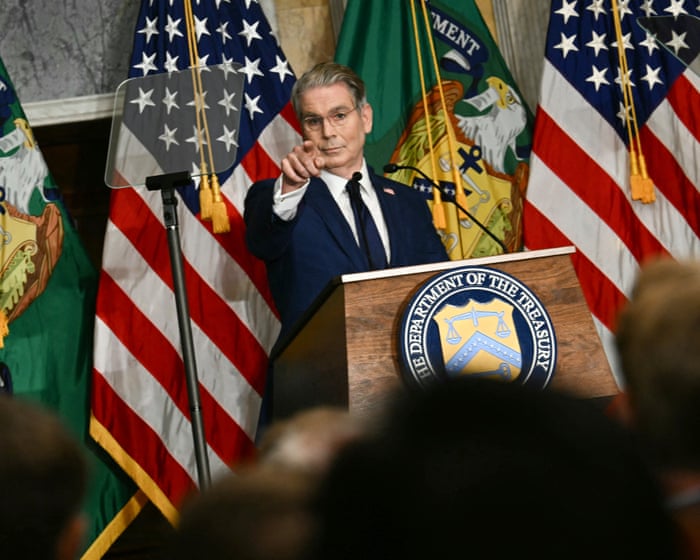
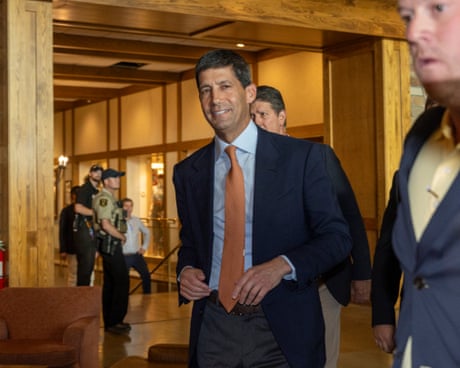
The US Federal Reserve is not done fighting high inflation, its chair, Kevin Warsh, said in his first major speech in the role on Friday, emphasizing that it was “the Fed’s job to deliver stable prices”.

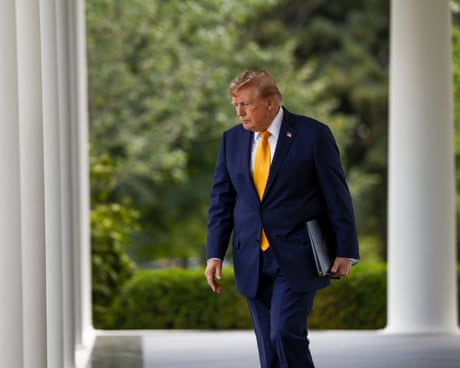
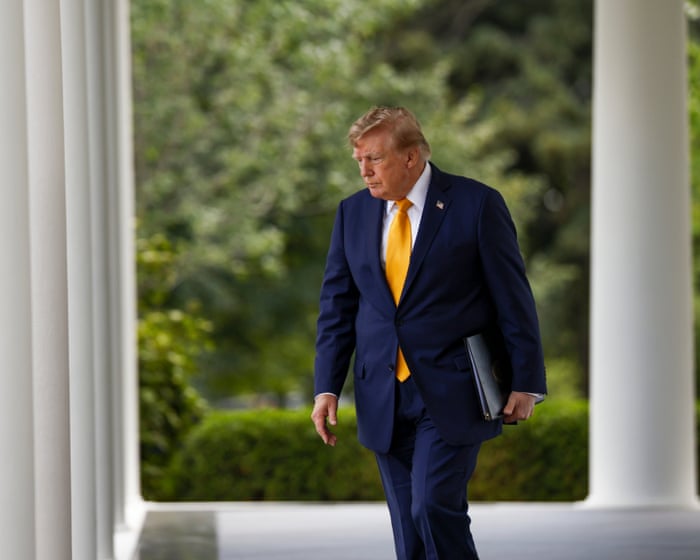
Warsh did not indicate where the Fed will take interest rates in the coming months, despite US inflation remaining stubbornly above the central bank’s 2% target amid the war in Iran. But his speech was taken by markets as a signal that rates may rise in the coming months, a move that may put him at odds with Donald Trump, who has aggressively called for rates to be cut.

Continue reading...

© Photograph: Natalie Behring/Getty Images
© Photograph: Natalie Behring/Getty Images
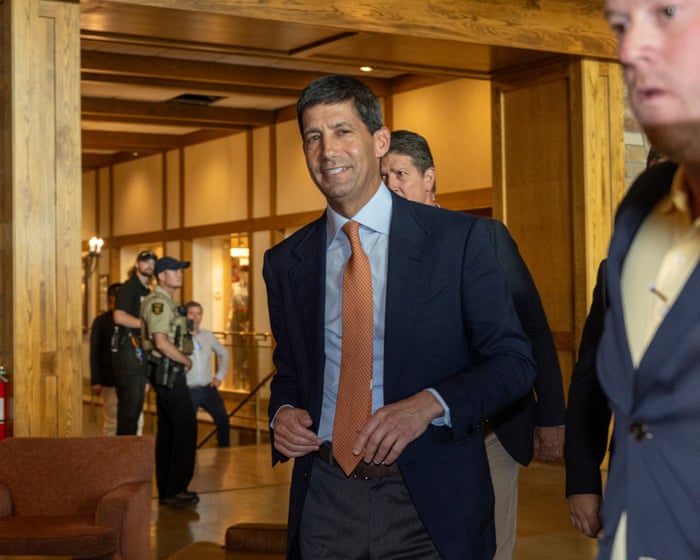
© Photograph: Natalie Behring/Getty Images

  •  

Is the Trump Treasury panicking over the level of US debt?

With the federal deficit near 6% of GDP and the national debt over $40tn, America’s fiscal position looks increasingly precarious

Are we seeing the first signs of panic in Donald Trump’s Treasury? The US is by far the world’s biggest debtor, and the steady rise in global long-term interest rates – which I have long argued was inevitable – is starting to cause real pain.

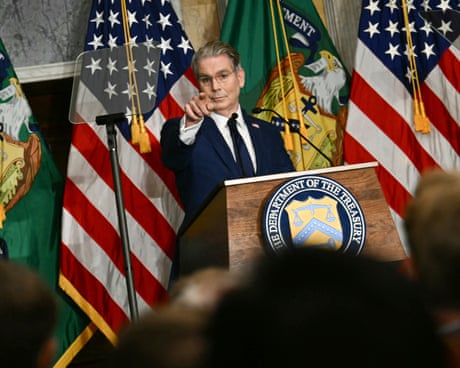
Until now, the Treasury secretary, Scott Bessent, has dismissed concerns about US debt, which recently surpassed $40tn, as a big nothingburger. Growth, in his telling, will be so spectacular the US will easily be able to meet its interest obligations without any significant tax rises or spending cuts, while the rest of the world will happily keep feeding it money. But if Bessent really believes that, why is he trying to strong-arm the bond market by fiddling with the maturity structure of government debt?

Continue reading...

© Photograph: Kent Nishimura/AFP/Getty Images

© Photograph: Kent Nishimura/AFP/Getty Images

© Photograph: Kent Nishimura/AFP/Getty Images

  •  

The Guardian view on Trump’s economic threats: bullies can overplay their hand | Editorial

Par : Editorial

Tariffs on Canada, threats against Iran’s partners and bond market intervention show a president weaponising US power while making Americans poorer at home

Three moves in the last week have exposed the limits of Donald Trump’s economic bullying. The US slapped 50% tariffs on another $20bn of Canadian goods – then threatened the same rate on the cars, trucks, parts and steel that America Inc depends on. On Monday, the Treasury secretary, Scott Bessent, menaced Iran’s trading partners with exclusion from the US financial network, hoping that coercion can deliver what months of war have not. And as the costs of war, tariffs and pro-billionaire tax cuts helped send US bond yields higher, the Treasury stepped in to tame long-term rates. These are not contradictory policies but a gamble: that US economic power can be repeatedly weaponised without reducing others’ willingness to depend on it.

The Trump administration’s “D-day” sanctions are potentially the most consequential because they expose the scaffolding of American financial power. While markets shrugged off the immediate threat, that calculation might change were the US to target a major Chinese refinery or bank. Such an escalation could spark a trade war with Beijing. The US has leverage. But China has pressure points – especially farmers in Republican states – that make using it costly. In the long run, there is a price to pay. Nations hold one another’s currencies partly because they trust the political relationship. Mr Trump is testing what happens when they don’t.

Continue reading...

© Photograph: Will Oliver/UPI/Shutterstock

© Photograph: Will Oliver/UPI/Shutterstock

© Photograph: Will Oliver/UPI/Shutterstock

  •  
❌