Connexion
Three Ukrainian units received kit that makes an uncrewed vehicle out of whatever they’re already driving
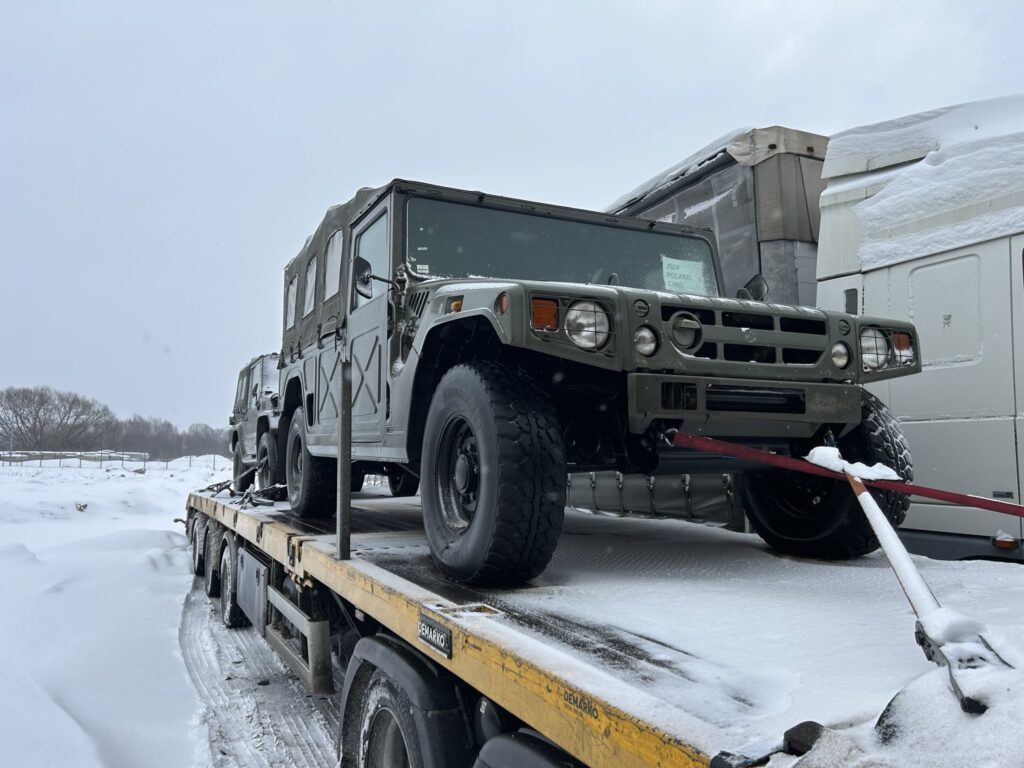
Ukraine is turning ordinary cars into robots instead of building them from scratch. Three units of the Armed Forces received the Kaban remote-control system, which converts vehicles into uncrewed ones, developer Drone Fight Group told Defender Media.
Ground robots have become a daily part of Ukraine's front. Ukrainian units ran 16,676 logistics and evacuation missions with them in June, up 122 percent since January, and the military has contracted more than 22,000 ground robots for 2026, nearly double the 2025 total. Most are purpose-built platforms. Kaban takes the opposite route, converting vehicles that a unit already has.
The developers say Kaban was passed to the 3rd Army Corps, the 429th Separate Unmanned Systems Regiment "Akhilles", and the 49th Brigade of the Armed Forces.
The system bolts on without modification
Kaban installs on a vehicle without altering its construction and works with different models, Drone Fight Group said. It lets the operator switch between remote and manual control.
The operator navigates on a digital map, plotting routes and setting markers. Manual correction is built in for GPS spoofing cases. The system predicts its trajectory and can automatically stop the vehicle if the connection is lost.
Starlink carries the control link
The main communication channel is Starlink, and the system also supports analog video transmission and radio control, according to the developers. A vehicle can be fitted with thermal cameras if needed.
Kaban provides two-way audio and remote control of lights, infrared illumination, and searchlights, and it can pull data from the vehicle's onboard computer. Among the optional add-ons, the developers list net launchers and platforms for launching drones.
Combat testing came before the handover
Kaban is developed with support from the Brave1 cluster, and the system has already passed combat trials, according to the developers. Work continues to refine it using feedback from military units.
Read also
-
Ukrainian robot commander calls ground robots “Persian elephants.” What army really needs are “Arabian steeds”, he says
-
Russia destroyed last of Kherson’s heat and power equipment on 26 August. Ukraine’s new defense minister arrived days later
-
Partisans say Russian recruiters in occupied Donetsk are taking drunk men from bars straight to enlistment offices
Read also
-
Ukraine has wrecked more than 100,000 Russian vehicles by hitting the roads, and this new drone is built exactly for that job
-
Ukrainian robot commander calls ground robots “Persian elephants.” What army really needs are “Arabian steeds”, he says
-
Russia destroyed last of Kherson’s heat and power equipment on 26 August. Ukraine’s new defense minister arrived days later