Vue lecture

Ukraine’s army has some brigades starved of soldiers and others overstaffed. New commander is now auditing why
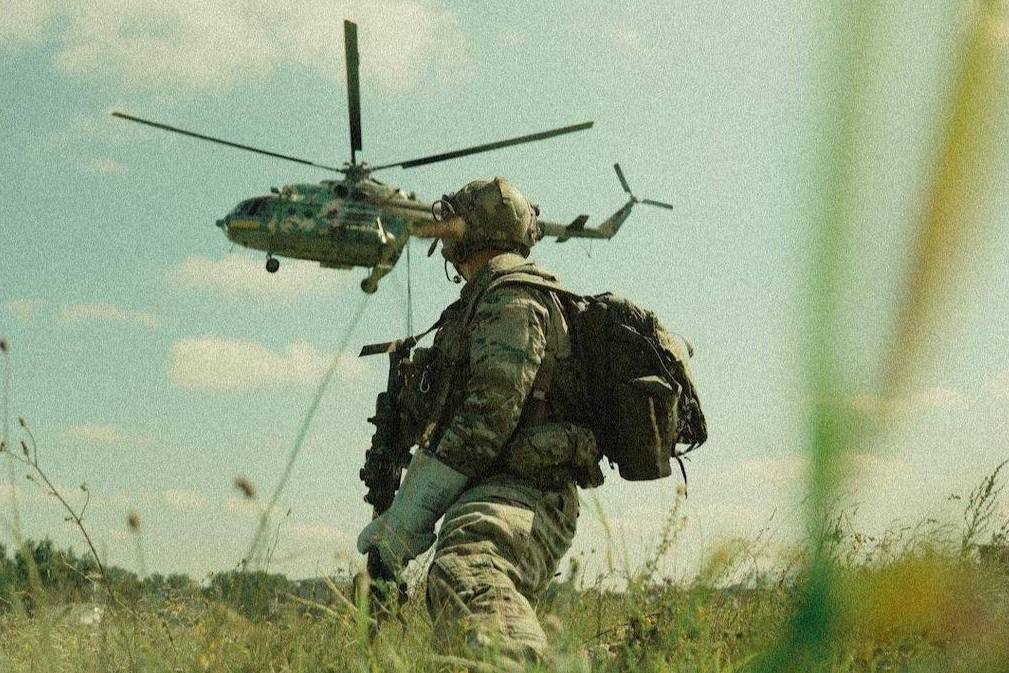
A Ukrainian soldier. Source: The 8th Special Purpose Regiment of the Special Operations Forces named after Prince Iziaslav Mstyslavych

Ukraine's army is checking whether it spreads its soldiers fairly. The General Staff announced on 29 July that it had begun a review of how military units are manned and whether people are distributed fairly among them.

The review is part of the changes brought in by new Commander-in-Chief Mykhailo Drapatyi, though its results are not yet known. This personnel audit is one of his first substantive moves, and it targets a long-standing problem in the Ukrainian army: some units are hollowed out while others are overstaffed.

According to the General Staff, the key goal of the review is to assess the actual manning levels of brigades, regiments, and corps, analyze how effectively soldiers are distributed among units, and identify directions for improving personnel provision. It specifically evaluates the effectiveness and fairness of personnel distribution, taking into account the needs of units conducting combat tasks across different sectors of the front.

The problem is real and long-documented

The audit addresses an imbalance that soldiers and analysts have described throughout the war. Ukraine's infantry shortage is acute on the front line, yet manpower is unevenly spread, with some assault brigades chronically undermanned while rear and support structures hold people who could be redeployed.

Drapatyi has moved on exactly this before. As Land Forces commander, he oversaw a 60% reduction in the size of the General Staff, with released personnel redeployed to combat units. In the same logic, this audit applies force-wide: find where people are sitting away from the fight and move them toward it.

The reform sits inside a larger manpower overhaul

The distribution audit is one piece of the largest restructuring of Ukraine's wartime force. It follows the contract system Fedorov intended to launch before his dismissal, which, for the first time, could allow soldiers to sign for a fixed term, 10 to 14 months in infantry-assault roles, with a guaranteed deferral from mobilization when the contract ends, replacing open-ended service.

The framing points at the reform's stated philosophy

The General Staff wrapped the announcement in the language of Drapatyi's approach.

"Any systemic changes in the army begin with a change in attitude toward the person," the General Staff said.
  •  

“I’m not agreeing to any other position”: Ukraine’s fired defense minister says only return to his former job will help end army procurement corruption

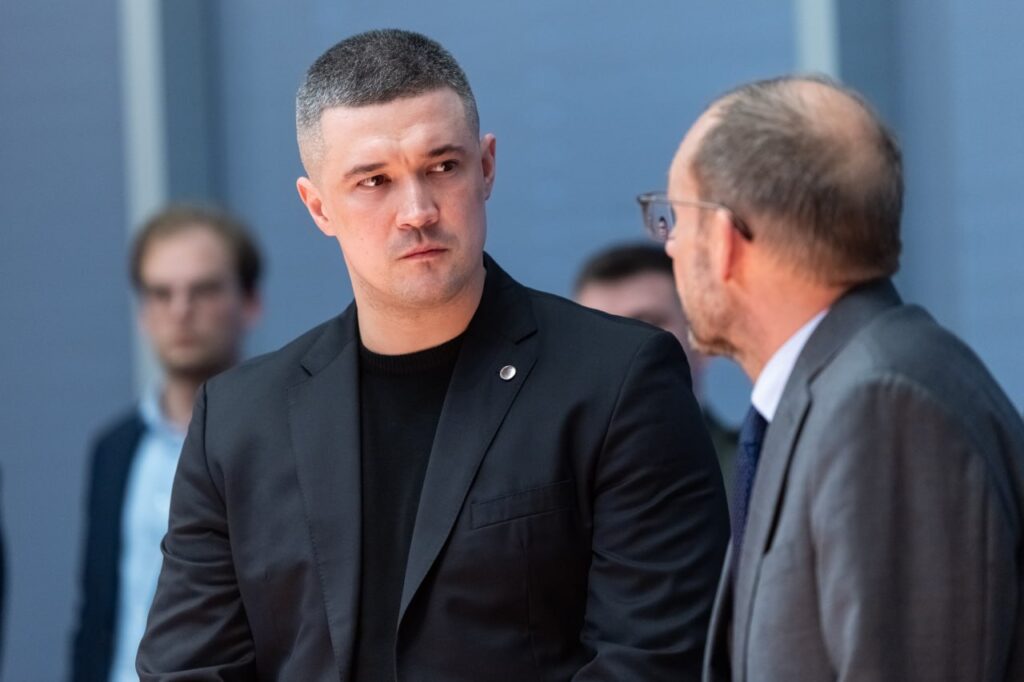
Ukrainian Defense Minister Mykhailo Fedorov in Germany, on 15 April 2026. Source: Fedorov

The former Ukrainian defense minister says he will only take back his old job, not another role. Mykhailo Fedorov explains that he is refusing every position Ukrainian President Volodymyr Zelenskyy has offered him in the state sector, because only the defense minister is among the roles that "really determine the course of the war," Suspilne reported.

His words came amid the fallout from a reshuffle that had run for over a week. Zelenskyy dismissed Fedorov on 15 July, per his own announcement, triggering six days of protests in Kyiv and at least 16 other cities that demanded his reinstatement.

Fedorov said he is grateful to Zelenskyy for the proposed ways to keep working for Ukraine, but that only three positions, apart from the soldiers on the battlefield, actually shape the war: the president, the defense minister, and the commander-in-chief.

"That is why I am not agreeing to any position other than that of the defense minister," he said.

No other post, in his view, has the real authority to defeat corruption in procurement, complete the army transformation he began, plan asymmetric operations against the enemy, and root out what he called a culture of lies and irresponsibility within the system.

Fedorov names the plan he says he was hired to finish

Fedorov grounded his refusal in unfinished work. He recalled that he came to the Defense Ministry in January 2026 at Zelenskyy's invitation, with a team and "a concrete plan for how to end the war."

That plan he called AIR-LAND-ECONOMY: defend the sky, halt the front, and strike the enemy's economy.

"Over six months, we consistently implemented exactly this plan. For the first time in recent years, Ukraine began to seize the initiative," Fedorov said.

The results, he argued, created something that had not existed before — a window of opportunity to force Russia to peace through strength — "and it cannot be lost."

Stance corners president

Fedorov's all-or-nothing position converts public sympathy into leverage. A Rating Group poll conducted on 20 and 21 July found that 72% of Ukrainians opposed his dismissal and 5% supported it, while 55% backed the removal of then-Commander-in-Chief Oleksandr Syrskyi.

President Volodymyr Zelenskyy has granted the demand with less public backing, Syrskyi's removal, and stalled on the one with more, Fedorov's return.

Now Fedorov has removed the middle option. By refusing any role other than the defense minister, he leaves President Volodymyr Zelenskyy two choices: reinstate the minister he fired a week ago, or leave out of government the official three-quarters of Ukrainians wanted kept.

  •  
❌