
 Connexion
Ukraine hits railways of Bryansk, Russia’s launchpad for strikes on Kyiv: downed bridge and 28 derailed cars, region’s governor says
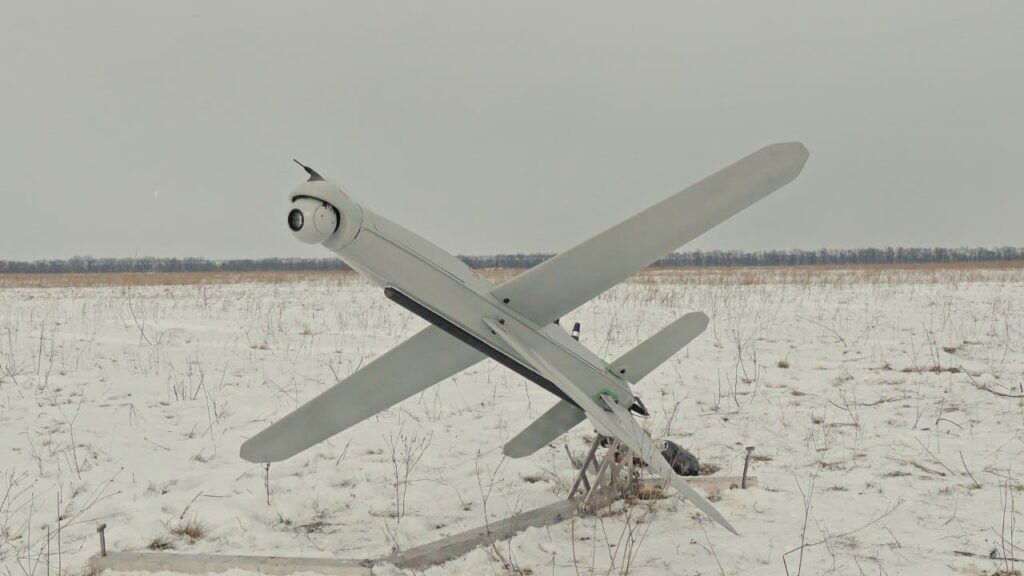
Ukraine is carrying out strikes on Russia's railways, the acting governor of Bryansk Oblast says. Yegor Kovalchuk claims that Ukrainian drones collapsed part of a bridge and derailed dozens of rail cars across the region, in a post on Telegram.
Bryansk is the main launchpad for Russia's drone and ballistic strikes on Kyiv and on the Chernihiv and Sumy oblasts, and its lines likely carry supplies that feed those attacks. For nearly a month, Russian jet-powered drones have been striking Kyiv from the region.
Kovalchuk reports damage in three districts but adds that no one was hurt in those drone attacks.
The launchpad's railways take hits
On the Dyatkovo–Lyudinovo line, a drone attack brought down part of a bridge and derailed 10 cars, Kovalchuk says. In the Unecha district, 18 empty gondola cars derailed. In the Navlia district, a strike damaged the track without stopping trains.
Repairs will begin, he notes, once the National Guard has inspected the sites.
Russia's campaign dwarfs it
Ukraine's strikes on Bryansk are modest beside what Russia is doing to Ukraine's railways. In the first eight months of 2026, Ukraine's state operator logged more than 1,600 attacks on its rolling stock and infrastructure, Oleh Holovashchenko of Ukrzaliznytsia tells DW.
Russia has damaged more than 500 locomotives since the invasion, over half of them this year, and has increasingly hunted moving trains to sever the corridors that carry Ukraine's exports and supplies.
A drone finds a train near Poland
The campaign even reaches Ukraine's western edge. On 13 September, a Russian jet Geran struck the locomotive of a passenger train at the Yahodyn crossing in Volyn, two kilometers from the Polish border.
A dispatcher spotted the drone in time to evacuate the passengers, among them former CIA director David Petraeus, and a diplomatic train carrying former British prime minister Boris Johnson had left early.
Read also
-
New Vivaldi tactic: Ukraine’s ground robots, each carrying two Bullspike grenade launchers, attack Russian positions and then detonate inside their shelters
-
Russian troops enter homes and threaten starving Oleshky residents for food and alcohol, officials say
-
Russian mercenaries blew off African prisoners’ legs to practice battlefield medicine, Wagner fighter says
Read also
-
Russian troops enter homes and threaten starving Oleshky residents for food and alcohol, officials say
-
Russian mercenaries blew off African prisoners’ legs to practice battlefield medicine, Wagner fighter says
-
Mavic vs Slavic: Ukrainian developers adapt reconnaissance drones to the modern battlefield

