Connexion

Kyiv plans new National Guard center to recruit foreigners. Front-line commander wants it built fast: half of them still come on donations
Yurii Butusov, a drone-company commander in the 23rd Assault Regiment, said that despite a deepening manpower shortage, Ukraine’s Defense Ministry pays little attention to recruiting foreign volunteers. According to him, about half of those who arrived in 2026 came on private donations rather than state money, he told Apostrophe TV.
Foreign volunteers have fought for Ukraine since 2022, but who brings them in, trains them, and pays for it has largely been left to the units and to private donors. It matters as Ukraine struggles to fill its ranks and leans on every available source of troops, even as, Butusov says, neither the ousted reform team nor the current minister has shown up to help.
A regiment that fights on foreign volunteers, with no one from the ministry in sight
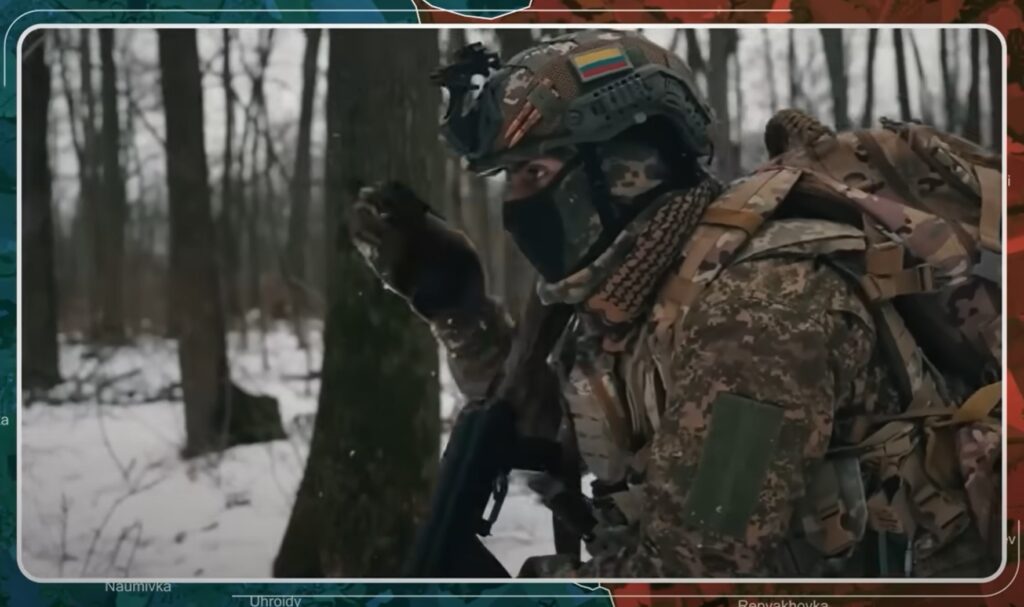
Butusov pointed to his own unit as the example: the 23rd Assault Regiment, he said, is the largest assault unit fighting with foreign volunteers, yet no one has come to it either from the team of ousted defense minister Mykhailo Fedorov, who had planned reforms on recruiting foreigners, or from the current minister, Yevhenii Khmara.
“Every day, for many months, we have been conducting assault operations with foreign assault groups across a wide front. We had no representatives, not from Fedorov’s team, which was planning the reforms on bringing in foreigners, however unfunny that looks. And there are still no representatives from Khmara,” Butusov said.
The ministry, he argued, neither treats the matter as a priority nor grasps how much foreign volunteers could add to the Defense Forces.
Brought in on donations, not state money
Despite the strain on mobilization, Butusov stressed that the Ukrainian military leadership is not taking the steps needed to draw in foreign volunteers and alleviate the shortage of Ukrainians in the army.
“To this day, half of the foreigners brought in in 2026 were brought in with private money, with donations from Ukrainian volunteers and philanthropists. Not with state funds,” he said.
He added that he hopes decisions already taken by the Supreme Commander-in-Chief’s Headquarters, Ukraine’s top wartime command body, will be carried out: they set the task of standing up a new recruiting center for foreigners in the National Guard, as fast as possible, and funding it.
Read also
-
Four boats, two soldiers each, under cover of fog: Russia’s first attempt to land troops in Kherson ended with one dead and three captured
-
Norway, Denmark and Sweden teams refuse to play with Russia at 2027 Ice Hockey World Cup
-
$400 billion US tech giant helping Ukraine is now facing backlash on both sides of Atlantic