The beloved high school TV show is returning in a different political climate. I’m skeptical that Ryan Murphy has the nuance this moment needs
For months, Ryan Murphy has been discussing Glee. In July, he expressed his love for the musical comedy drama he created. In September, he said that he had finished writing a pilot for a potential reboot, adding that he had reached out to some of the cast about a reunion. And now it isofficial: Disney+ and Hulu have commissioned a Glee revival.
Glee, which ran for six seasons between 2009 and 2015, was a cultural juggernaut during its initial tenure. The show won six Emmys, four Golden Globes and made stars of actors including Lea Michele, Jonathan Groff, Chris Colfer, Darren Criss and the late Cory Monteith and Naya Rivera. Centred on the trials of New Directions, a scrappy show choir at the fictional McKinley high school in Ohio, the show became known for its peppy covers of show tunes, 80s power pop hits such as Journey’s Don’t Stop Believin’ (a Glee signature), 2010s chart-toppers and some truly baffling mashups (the amalgamation of Scissor Sisters’ Let’s Have a Kiki and Turkey Lurkey Time from Promises, Promises remains … a choice).
With You Can See Everything, Holmes joins other such high-profile subjects as Lance Armstrong, Imelda Marcos and Anthony Weiner to allow film-makers to document their lives. But do they ever come out well?
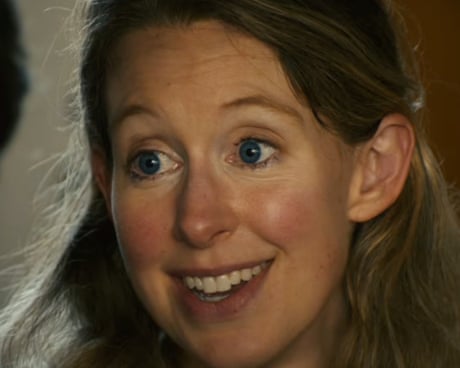
In You Can See Everything, convicted fraudster Elizabeth Holmes invites film-makers Nathan Fielder and Lance Oppenheim into her home in a supposed act of “radical transparency”. Holmes is filmed, along with her partner, Billy Evans, and their two young children, in the weeks before starting a prison sentence for defrauding Theranos investors. “The best way for people to see who she is,” Evans says, “is to give as much access as possible into our daily lives”. It may also be the best way to market “Theranos 2.0”, which the couple are working on during filming. But the documentary questions whether Holmes is presenting her authentic self or a manufactured persona. Fielder speaks for the audience when he asks Holmes in a tense exchange whether she’s “being real” with him. “I’m always being real,” she says.
That question of authenticity is at the heart of documentary film-making. You Can See Everything is as much about the ambiguous relationship between film-maker and subject as it is about Holmes herself. There is often a power struggle over narrative control in documentaries, with both sides of the dynamic wanting different outcomes from the final film. Watching You Can See Everything inevitably prompts the question: why would Holmes, days before she heads to jail, invite the scrutiny of a film crew?
The once heroic boxer showcases a frankness in this compelling new series but also an unwillingness to take accountability for his darkest moments
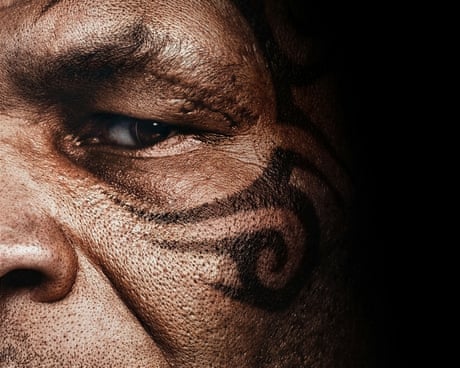
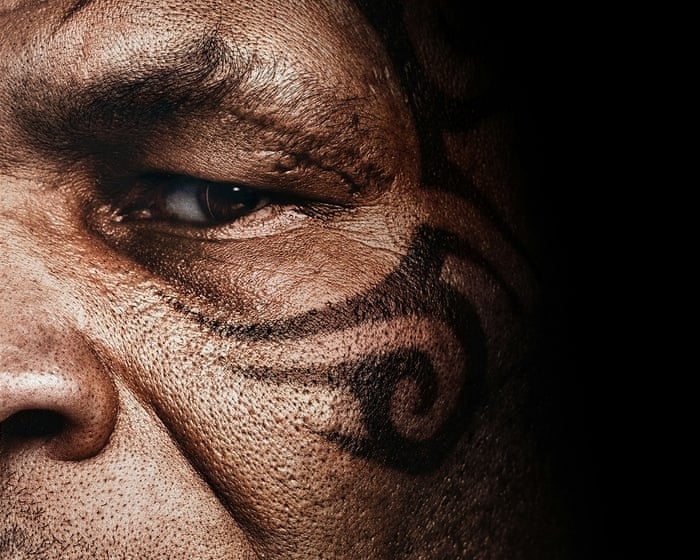
Mike Tyson never envisioned old age. And yet here he still is, having outlived his parents, Brooklynites of ill repute who died when he was a teenager, and the Brownsville tough guys who teased him for being scrawny and having a lisp. Here he is after doing hard time for rape in his prime, winning and losing great fortunes and battling addiction to drink, drugs and fame. Here he still is, 60 years old and a grandfather now, mixing it up with Jake Paul in the ring, opening up to manosphere-adjacent podcasters, bobbing into an impromptu White House press briefing – Māori face-tattoo unmistakably in the frame – while on a DC visit to buck up his old pal as his party faces a bleak midterm forecast. “I don’t have to exist,” the champ says in Tyson, the latest four-part vanity project on his turbulent life and times. “Some reason, something allowed me to exist.”
In his heyday, Tyson was a mesmerizing sporting event unto himself – the ruthless knockout machine who struck fear into opponents at first sight, felled them in seconds and looked back on the carnage with cool nonchalance. His darkest episodes – the combustive relationship with actor Robin Givens, the six-year prison sentence for rape, biting off Evander Holyfield’s ear – only deepened the public fascination with him, adding to the lore of boxing’s baddest man. In the winter of his life, Tyson’s self-reflection, so deep it tips into self-parody, is the enthralling spectacle now. And if generations of Black comedians have proved anything, it’s that the appetite for Mike Tyson impersonations is inexhaustible.

 Connexion