Sum of $500,000 has been increased as death toll passes 1,000 but specialists decry Trump dismantling of USAID
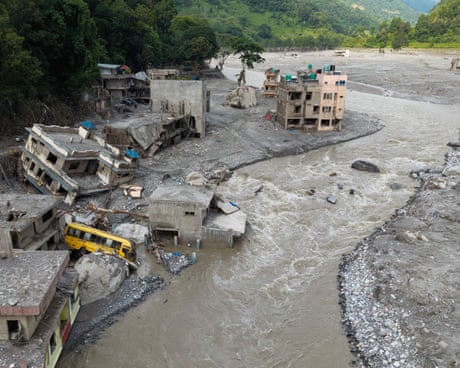
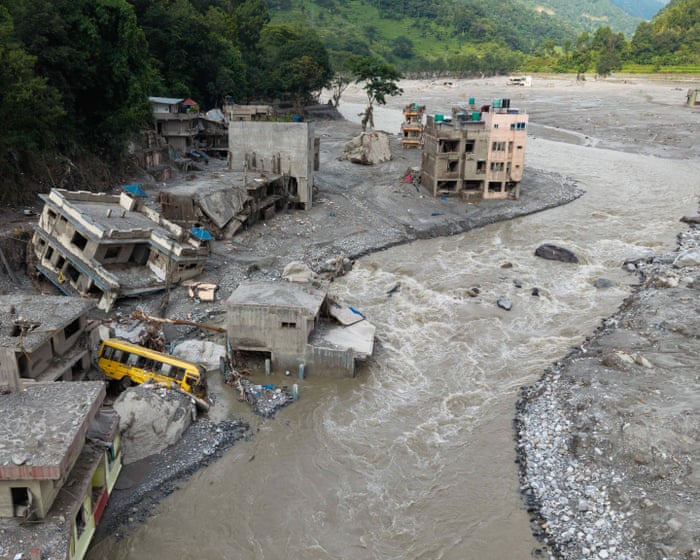
Aid experts have denounced the US’s “embarrassing” and “pitiful” initial response to the Nepal flood disaster after the US state department announced it was releasing $500,000 in emergency funds to help the relief effort.
The modest sum – which has since been increased – allocated in response to the devastation caused by mudslides in the mountainous Asian country was mocked on social media, where users contrasted it with the amount spent on other Trump administration priorities.
The deluge capped a summer of extreme climate events, from deadly heatwaves to wildfires. We must take action now
For millennia, the high peaks of the Himalayas were held together by an invisible, frozen cement – permafrost and glacial ice that bound ancient rock into seemingly unshakable fortresses. But as the planet continues to warm, this alpine glue is liquefying.
The glacial collapse and deluge in Nepal and Tibet was not a freak weather event; it was the structural failure of a mountain itself, nature’s latest commentary on the deadly consequences of human-caused planetary warming. And it was the exclamation point on a summer of extremes, illustrating with a sole unnatural disaster the apocalyptic future that lies in store if we fail to take dramatic climate action.
Death toll from unprecedented deluge of ice, rock, mud and debris now stands at more than 900. Plus, was it a mistake to take away Pluto’s planet status?
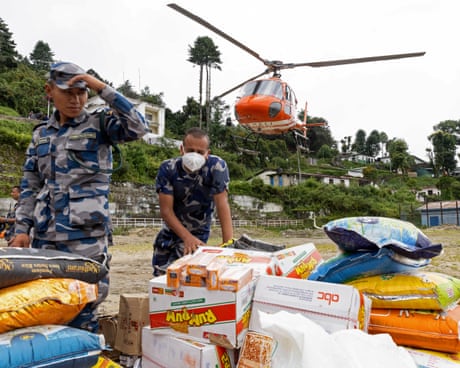
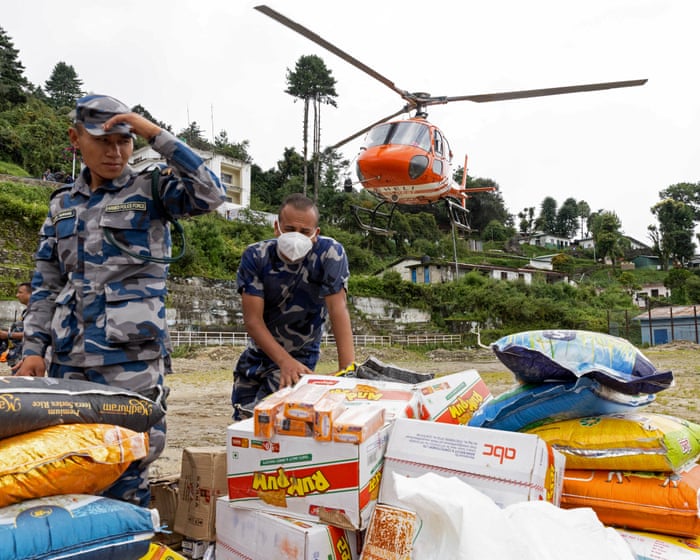
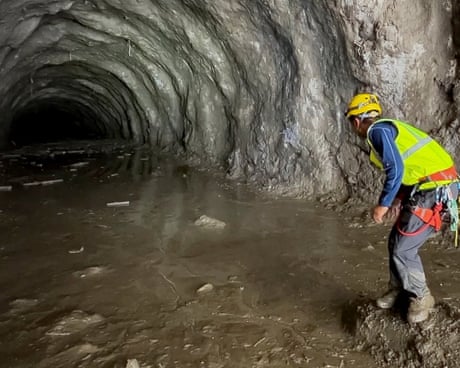
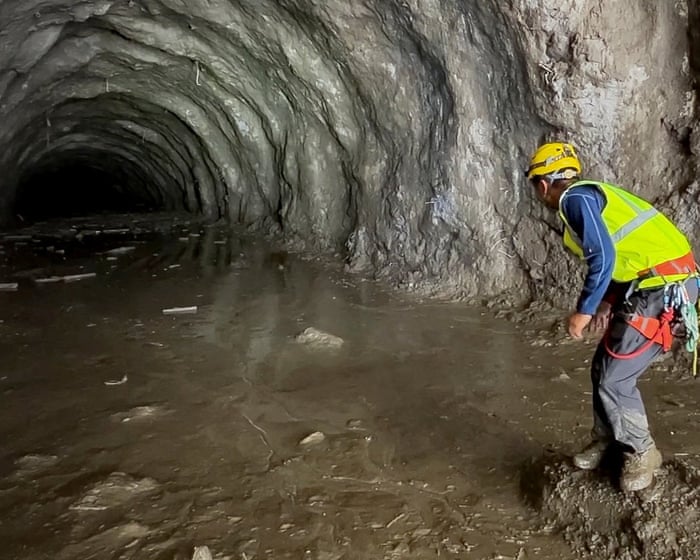
Good morning. Rescue teams are working to reach hundreds of people feared trapped in the tunnels and underground areas of half a dozen hydropower projects in Nepal as more than 900 workers were reported missing after the devastating flash floods.
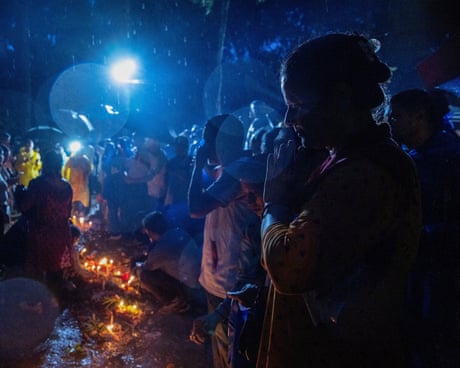
The death toll from the unprecedented deluge of ice, rock, mud and debris that crashed through valleys of Nepal on Wednesday last week has risen to 903 people, with 16 reported dead on the Tibet side of the border. More than 4,000 are missing in Nepal, with another 500 in Tibet. Hundreds of bodies, many unidentified, have been buried in shallow graves.
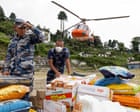
How large is the rescue operation? Nepal’s prime minister, Balendra Shah, said almost 21,000 security personnel were involved in the rescue operations, besides civilian workers and volunteers. China’s state-run CCTV reported that Beijing had mobilised more than 2,100 rescue workers. The Red Cross has estimated that more than 90,000 people are likely to have been affected by the disaster, which China and some experts linked to the effects of the climate crisis.
Why has the disaster sparked a racism row in Australia? A slew of racist social media comments have been made towards missing Australians. Most of them were on pilgrimages, including to Mount Kailash in Tibet. Mainstream media outlets including News Corp, Channel 7, Channel 10 and Nine have been hit with highly offensive and discriminatory comments on Facebook articles identifying the missing Australians.
What has Donald Trump claimed US forces are doing? Hours after the attacks, the US president, Donald Trump, claimed in a social media post that Iran’s energy hub of Kharg Island was being “blown to smithereens” but gave no further details. The White House and the US defense department did not immediately respond to requests for comment. Attacking Kharg, which handled 90% of Iran’s oil exports before the war, would severely disrupt the Islamic republic’s energy trade and put huge pressure on its economy.
Richer countries might have more resources to deal with catastrophe, but this problem grips the entire planet, however much leaders may want to deny it
Climate breakdown is happening on one Earth, but two different worlds. In one, its impacts increasingly encroach on everyday life; longer periods of discomfort and shorter periods of sharp pain. Endless, hotter summers, and within them sudden wildfires, evacuations, homes burned to cinders in a matter of hours. In another, catastrophe. This summer has been a snapshot of that split-screen. The hottest day on record in parts of Europe, and a wave of water, mud and ice in Nepal that so far has claimed more than 750 lives. Thousands of people are still missing.
The difference is also one of resources. The climate crisis has an economic cost, but some places can absorb it better than others. Responses to this summer of wildfires in Europe included a rapid scrambling by the French government to provide everything from tax breaks for businesses affected by the fires to relocation costs and aid to rebuild homes. The UK government had deployed almost £100m before the summer to strengthen wildfire resilience.

 Connexion