Connexion

Ukraine buils 6-kilometer tunnel under Russia’s drone kill zone
Ukraine’s army has dug a six-kilometer tunnel to move beneath the drones. Its military engineers have built the underground passage between two settlements in Donetsk Oblast to carry troops, motorbikes and quad bikes, ammunition and supplies, Colonel Dmytro Pishko of the Air Assault Forces Command told Ukrinform.
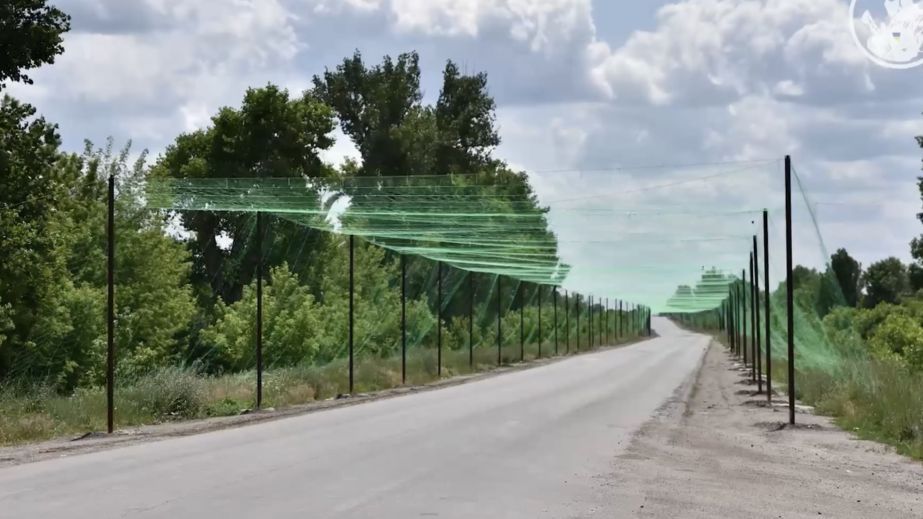
Drones and constant surveillance have turned the surface into what soldiers describe as a roughly 30-kilometer “death zone", where moving in the open can draw a strike within minutes. Ukraine and Russia have pushed troops, vehicles, and supply lines below ground in response, hiding armor in bunkers.
A six-kilometer underground road
“Another achievement of our engineering ingenuity was an underground tunnel almost six kilometers long, which was set up between two settlements in Donetsk Oblast,” Pishko said.
The engineering structure ensures uninterrupted, concealed movement of personnel, motor vehicles, and quad bikes, the delivery of provisions and ammunition, as well as medical evacuation. All of this allows various units to successfully carry out combat tasks.
The passage keeps men and machines off roads that Russian drones watch around the clock, turning a deadly run across open ground into a walk out of sight.
When a blown bridge meant a ferry
Ukrainian engineers have improvised below and around the water before. In 2023, after Russia destroyed a car bridge toward Lyman and the detour ate up time the wounded did not have, the 81st Separate Airmobile Brigade spent a whole winter using a PTS-2 amphibious transporter for medical evacuation, Pishko recalled.
The road bridge toward Lyman in Donetsk Oblast was blown up, and the detour took a lot of time. Instead, with the PTS-2 floating transporter, Ukrainian defenders gained 30 to 40 minutes. For the wounded, that is very significant.
“That winter the guys made 86 runs this way,” he said.
Ukraine took the tunnel fight to Russia
The underground turn has gone on the offensive, too. Last month, on the Kupiansk axis in Kharkiv Oblast, the Khartiia Corps said its forces advanced more than 15 kilometers through underground utility tunnels into the Russian rear in an operation it called Veles.
The operation came after Russian troops had repeatedly crawled through gas pipelines to slip behind Ukrainian lines around the city. Ukraine, the corps said, studied the tactic and went underground itself.
Read also
-
Oleshky’s evacuation was called a success, but some residents didn’t make it out. Now, the aid is still not reaching them
-
Police find missing woman alive four days after Russian bombing of Komyshuvakha underground school. Death toll rises to 43.
-
Crimea’s lights go out again—and Ukraine says two more Pantsirs were hit