Connexion
Russia just copied Ukraine’s cleverest drone hunter
- Ukrainian forces armed a civilian-style transport plane with interceptor drones
- It's such a good idea that Russian forces have copied it
- Russian training planes and transports hauling cheap interceptors could help fill gaps in Russian air defenses
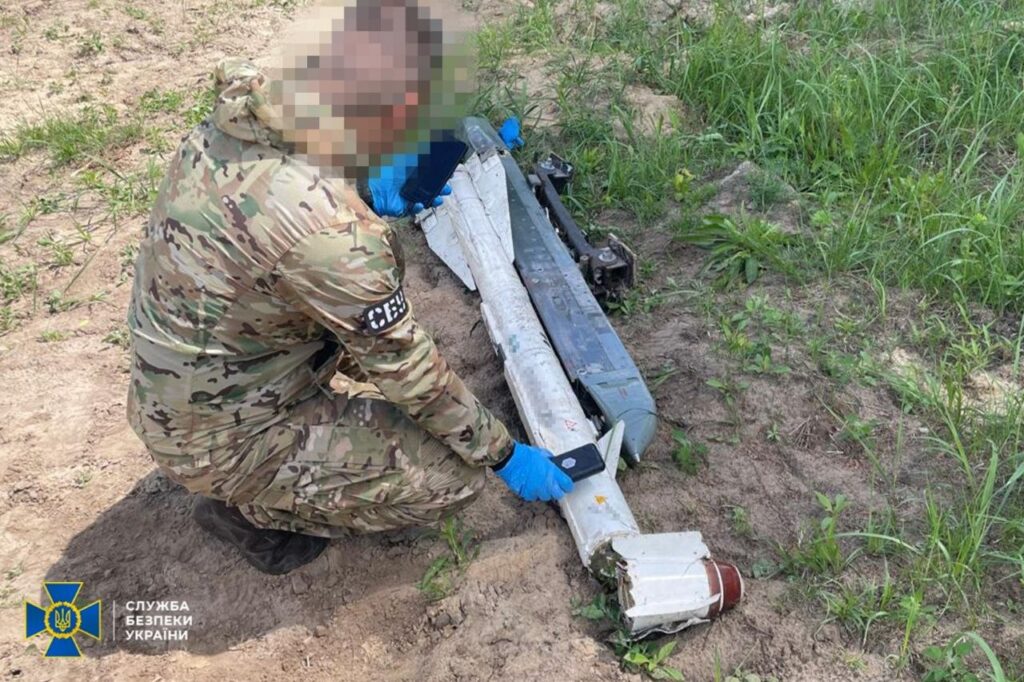
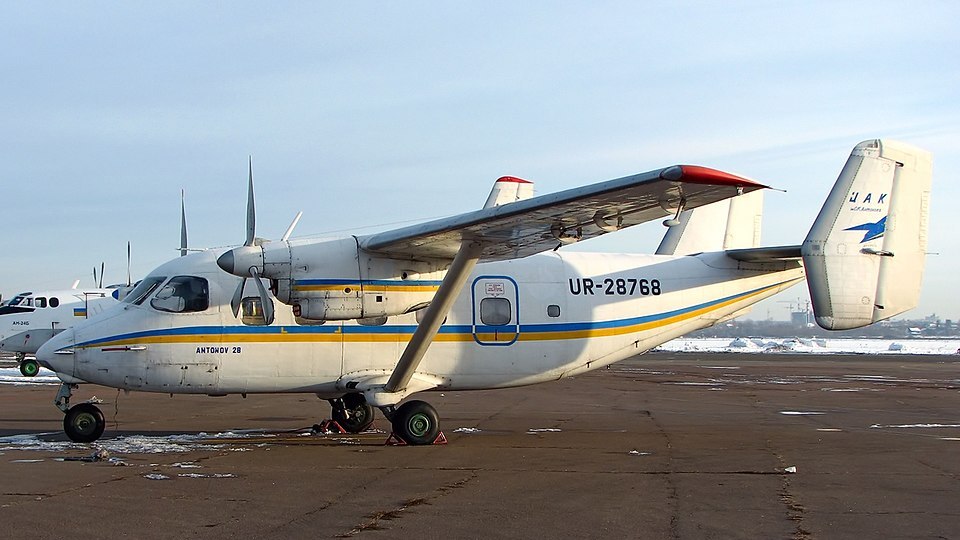
Sometime late last year, some enterprising Ukrainian volunteers mounted a 7.62-millimeter minigun to the port fuselage hatch of an Antonov An-28 turboprop transport—and went hunting for Russian Shahed attack drones.
Months later, in April, the same crew added much heavier armament to their Shahed-killing gunship—in the form of inexpensive interceptor drones hanging from the old transport's wings. Interceptor drones normally launch from the ground before slamming into their Russian targets. But low clouds can blind them. Launching from an airborne An-28 means the interceptors can get above the clouds—and continue their hunt in all but the worst weather.
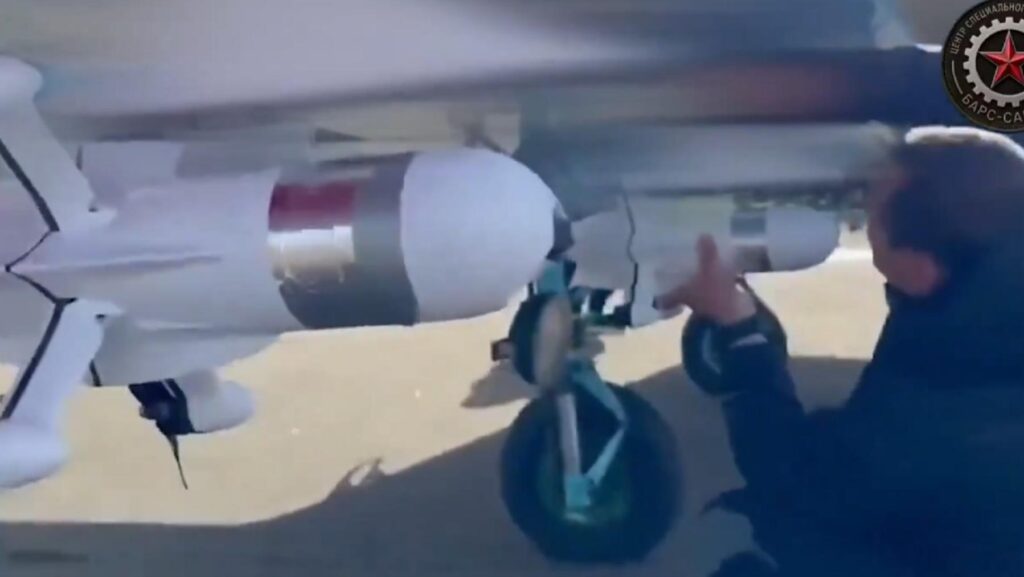
It's such a good idea that Russian forces have copied it. A new video that circulated online depicts Russian aircrew arming an Antonov An-2 biplane and a Yakovlev Yak-52 turboprop training plane with underwing interceptor drones. The Ukrainians also use Yak-52s for air defense against drones, albeit with a gun-armed shooter in the back seat.
Video from Russia’s BARS Sarmat Center of Yak-52 and An-2 aircraft used to launch UAS interceptors. https://t.co/flo1vqqHUK pic.twitter.com/UrT8vEaSJ8
— Rob Lee (@RALee85) July 19, 2026
The An-2 was designed in the 1940s. It cruises at barely 250 km/hr. The 1970s-vintage Yak-52 is slightly faster at 285 km/hr. But both types are stable and maneuverable and cheap to operate. They may not be able to take down the highest and fastest aerial targets, but they don't have to. They're for the lower, slower targets.
In other words, the An-2s and Yak-52s complement surface-to-air missiles and missile-armed fighters. They don't replace them. "This is the low-cost way if providing area air defense," wrote Michael Bohnert, an analyst with the California think tank RAND.
The interceptor drones hanging under the An-2 and Yak-52's wings function as inexpensive air-to-air missiles, helping the old planes hit Ukrainian drones from potentially 10 km away or farther. The concept is simple. The biplane or trainer takes off, maneuvers between incoming Ukrainian drones and their target and launches its underwing interceptors, most likely one at a time.
A crew member in the cabin of the An-2 or the back seat of the Yak-52 sees what the interceptor sees on a handheld console, and steers the interceptor to a collision with a Ukrainian drone. Some interceptors drones have a small explosive payload, but they don't normally need it: the impact alone should take down a drone.
Enviable concept
It's obvious why the Russians copied the Ukrainian gunship concept. Ukrainian drones struck no fewer than 1,000 Russian air defense systems and related facilities just between June and March, according to Ukrainian analysis group Tochnyii. The resulting gaps in Russian air defenses helped more Ukrainian drones reach strategic targets such as munitions factories and oil refineries.
Now the Ukrainians are launching more than 11,000 one-way attack drones a month at targets in occupied Ukraine and Russia itself, steadily bleeding the Russian war effort through thousands of pinpricks. Russia needs more air defenses, fast. The cheaper the better as it scrambles to replace destroyed missile batteries and plug gaps in the overall air defense network.
Old turboprop planes costing just a few thousand dollars and hour to fly, and carrying interceptor drones also costing just a few thousand dollars, are just the thing. An-2s and Yak-52s could fly over Moscow or other cities in western Russia, swatting down incoming Ukrainian drones and freeing up higher-end air defenses to focus on harder targets such as Ukraine's Fire Point FP-5 cruise missiles.
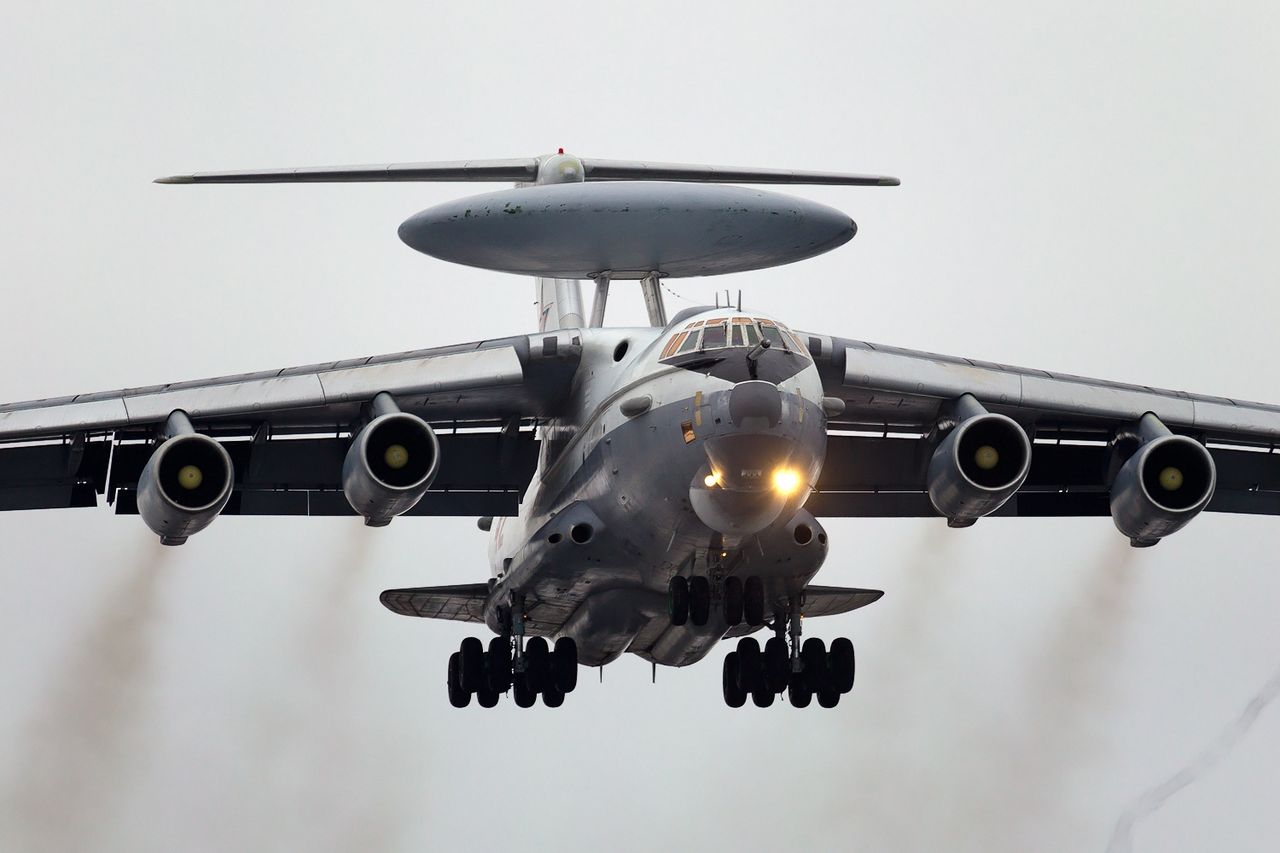
Where a propeller-driven attack drone cruising at just 200 km/hr is vulnerable to an interceptor drone speeding along at 350 km/hr or faster, an FP-5 jetting along at 950 km/hr is too fast to intercept with a drone. It's not that the Russians can't shoot down an FP-5—they can and do—but it's apparent they usually do so with missiles costing hundreds of thousands of dollars apiece or more.
Those missiles are in increasingly short supply in Russia, just as they are in Ukraine. The Russians are keen to save them for the hardest targets. And that means taking down the easiest targets with something like an old transport plane lugging $2,000 interceptor drones.
The Russians' improvised gunships aren't foolproof, of course. Russian forces adapted to Ukrainian forces' gunships by acquiring more jet-propelled Shaheds that can outrun the gunships. The Ukrainians could adapt in the same way: adding more jet drones to their attack mix in order to thwart the Russian gunships.