❌

Vue lecture

Cops can creep on Airbnb

Cops can creep on Airbnb

Good Monday morning! Today's big story is an investigation from Joseph about cops and an AI tool that takes data from sites like Airbnb and Zillow and identifies specific properties. The internet is full of photos of the interiors of people's homes, from real estate and rental listings to short-term stays, and that data is in the hands of law enforcement.

And in other news, a very interesting interview with the whistleblower subject of Sorkin's new movie, some big legislative impact, and what caught my eye over the weekend around the web. Let's get into it.
Cops can creep on Airbnb
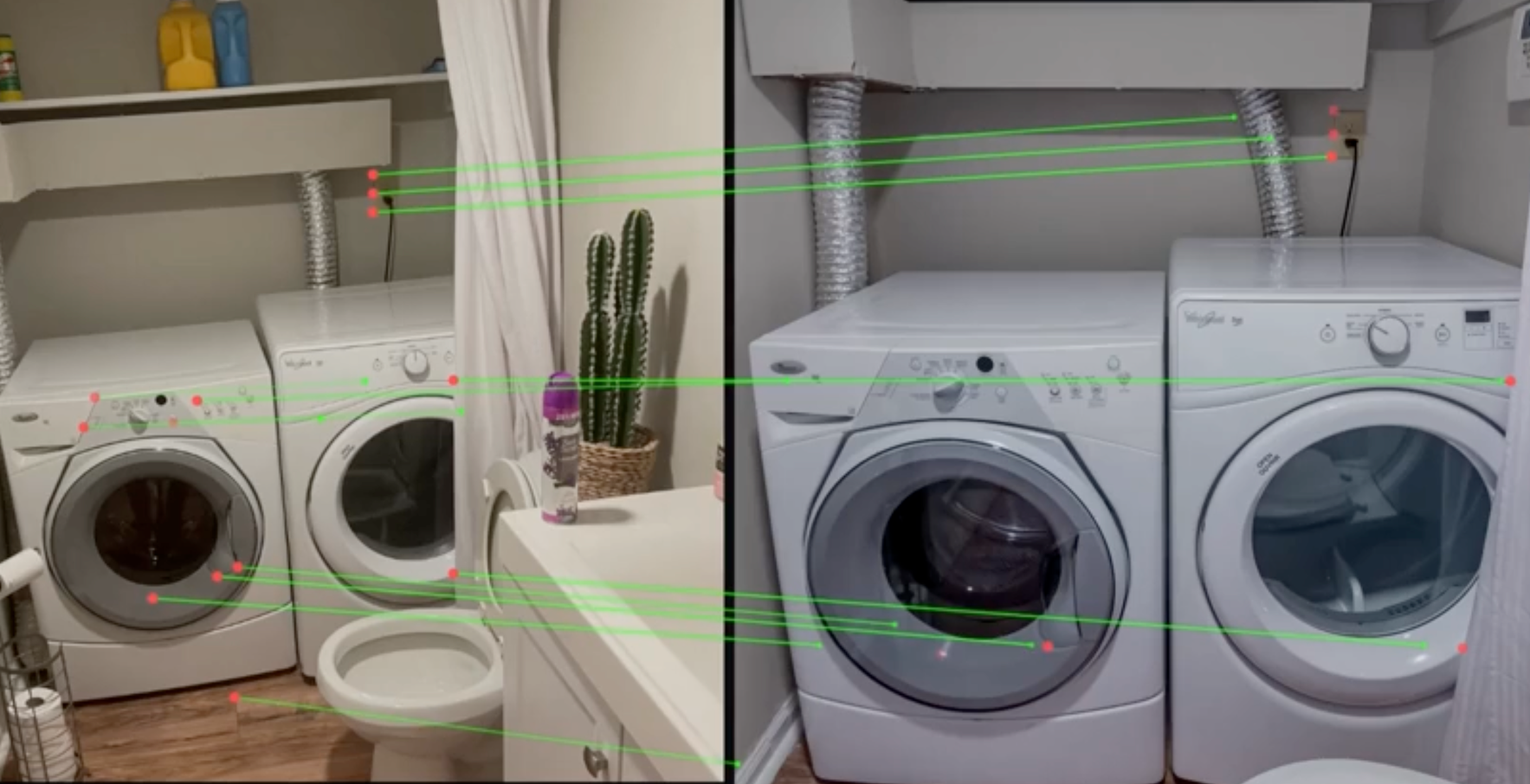
A screenshot from a Raven promotional video on LinkedIn.

AI Company Lets Cops Pinpoint Specific Houses Based on a Single Interior Photo

An AI company now lets cops take a photo and nearly instantly figure out what specific home it was taken in, using only clues in the photo itself, and is clearly pulling data from sites like Zillow and Airbnb. 

The tool, called Raven, shows the increasing power of AI capabilities available to local law enforcement agencies. 404 Media previously reported that both the Los Angeles Police Department and Miami-Dade Sheriff’s Office (MDSO) have bought access to Raven, which was previously called GeoSpy. Now, Raven, made by a company called Graylark Technologies, has added features that let cops analyze the interior of homes.

In a post on LinkedIn earlier this month, Graylark CEO Daniel Heinen wrote the company was introducing “the ability to geolocate interior images across millions of short-term rental units worldwide.” An accompanying demo video shows someone taking a photo from X of a washer/dryer unit inside a building. They upload it to Raven, select “Find Property: Interior and exterior property geolocation,” and then choose a region to search.

After a couple of seconds, the map interface zooms in on an area in Charlotte, North Carolina. On the right hand side, the screen displays a list of results. The top one reads, “Renovated! Walk Uptown/located in 2 Hot Spots!” That result directly quotes the language on a specific Airbnb listing in Charlotte, and the photos in the Airbnb listing show the same property.

Read the rest of this story here.

MORE FROM 404 MEDIA 

Spoilers ahead for “The Social Reckoning.” Did you catch this week’s interview episode? Jason talked to former Facebook employee Frances Haugen, who became one of the most important tech whistleblowers in 2021 when she exposed how Facebook’s algorithm was pushing people toward hate groups, showed Instagram was making teen girls feel worse about themselves, and showed that the company knew about its detrimental impacts on society. Haugen’s story is the basis for Aaron Sorkin’s new movie “The Social Reckoning,” which follows her evolution from model employee to leaker to formal whistleblower. Jason and Frances discuss what the movie got right about journalist-source relationships and how AI is supercharging privacy concerns. 

Listen to the weekly podcast on Apple Podcasts, Spotify, or watch the convo on YouTube.

  •  

Behind the Blog: What Would the Pope Do?

Behind the Blog: What Would the Pope Do?

This is Behind the Blog, where we share our behind-the-scenes thoughts about how a few of our top stories of the week came together. This week, we discuss AI and spirituality.

JASON: I think we’ve generally carved out a pretty good lane for ourselves in the broader AI debate, writing about its current capabilities, its current harms, and the fact it was trained on stolen content without saying that it will never be able to do anything of use. We are often tinkering with AI so that we can write about it from an informed perspective, and so every once in a while, while I’m working on a story I will see something where it feels like AI could possibly be useful for some specific part of the reporting. 

  •  

'Undue emotional weight'

'Undue emotional weight'

Howdy, it's hump day and we're rolling along. Today we've got an update on a very strange case involving a man whose image was resurrected from the dead via AI and made to appear in front of a judge to announced "forgiveness" of his murderer. 404 Media contributor Matthew Gault had a long conversation with the man's sister, who wrote the words and generated the video, and she said that swaying the judge was the entire point.

'Undue emotional weight'

THE BIG STORY

Her AI-Generated Video Swayed the Judge. The Court Said it Carried 'Undue Emotional Weight'

A man convicted of manslaughter in Arizona will be resentenced because an AI-generated video of his victim speaking from beyond the grave was ruled to have carried “undue emotional weight” as an impact statement. An appellate court in Arizona ruled that the manslaughter charge will remain, but the judge must reconsider the length of the man’s prison term because of AI.

In 2021, Gabriel Horcasitas shot and killed Christopher Pelkey during a road rage incident. A jury found him guilty of manslaughter. During Horcasitas’ sentencing hearing, Pelkey’s sister Stacey Wales played an AI-generated video of her brother as part of her victim’s impact statement. In the video, which she scripted with her own words that she made an AI generated likeness of Pelkey say, the AI avatar of Pelkey forgives his killer and said they “could have been friends” in another life. 

“I loved that video,” the judge said while handing down the maximum sentence of 10 and a half years.

Wales told 404 Media that her intent with the video was to sway the judge. “Isn’t that what you want human connection to be?” she said. “Do you ever come out of a movie and say: ‘Well, that was too emotional. That was too powerful. Human connection is powerful, and trying to convey that to somebody that's never known another person, this person on the earth, to convey their lifetime of 37 years down to a two-hour sentencing event is hard to do, and I think that victims and victims' families should be afforded every opportunity.”

Read the rest of this story here.

MORE FROM 404 MEDIA

A flock of new laws incoming. Several recently introduced pieces of legislation would, if passed, dramatically curb federal agencies’ access to Flock cameras, with the lawmakers referencing reporting by 404 Media in their explanations for why the legislation is needed. “At a time of growing concern about the unchecked power of artificial intelligence, Flock is eviscerating the very notion of privacy by installing tens of thousands of cameras in communities across America without their consent,” Bernie Sanders said.

  •  
❌