❌

Vue normale

  • ✇404 Media
  • 'Everything but censorship'
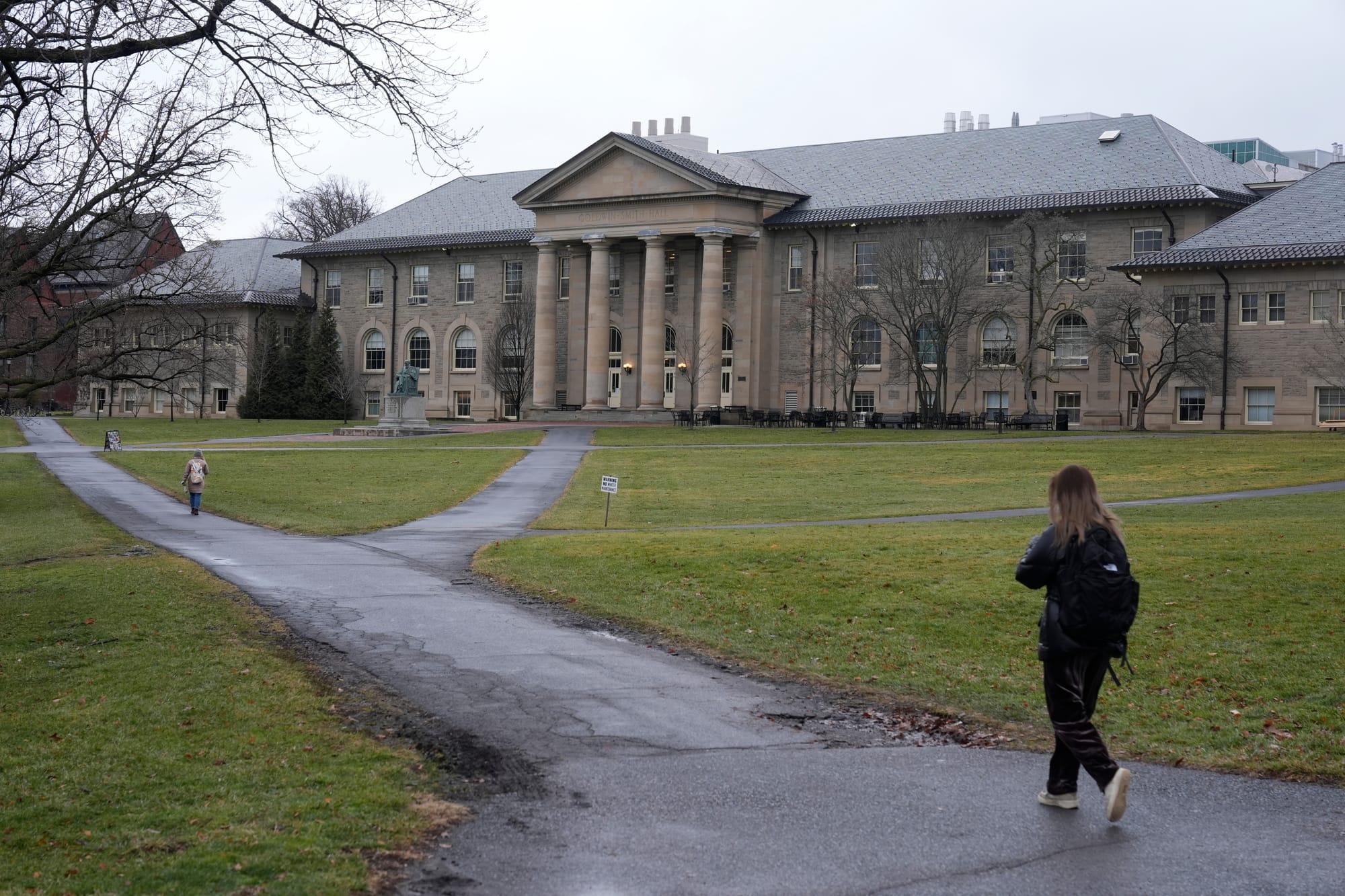
    Student journalists meet the moment, as we’ve seen most recently this week. As the Cornell University sexual abuse case highlights the importance of student journalism, public records reveal how schools try to censor on-campus news outlets. Claire Woodcock talked to students and legal experts about how censorship from above impacts their work. “One of the biggest things we’ve certainly found with censors over the years is they want to be called everything but a censor,” one expert said. “What
     

'Everything but censorship'

1 octobre 2026 à 10:31
'Everything but censorship'

Student journalists meet the moment, as we’ve seen most recently this week. As the Cornell University sexual abuse case highlights the importance of student journalism, public records reveal how schools try to censor on-campus news outlets. Claire Woodcock talked to students and legal experts about how censorship from above impacts their work. “One of the biggest things we’ve certainly found with censors over the years is they want to be called everything but a censor,” one expert said. “What they’re doing is everything but censorship.” 
'Everything but censorship'
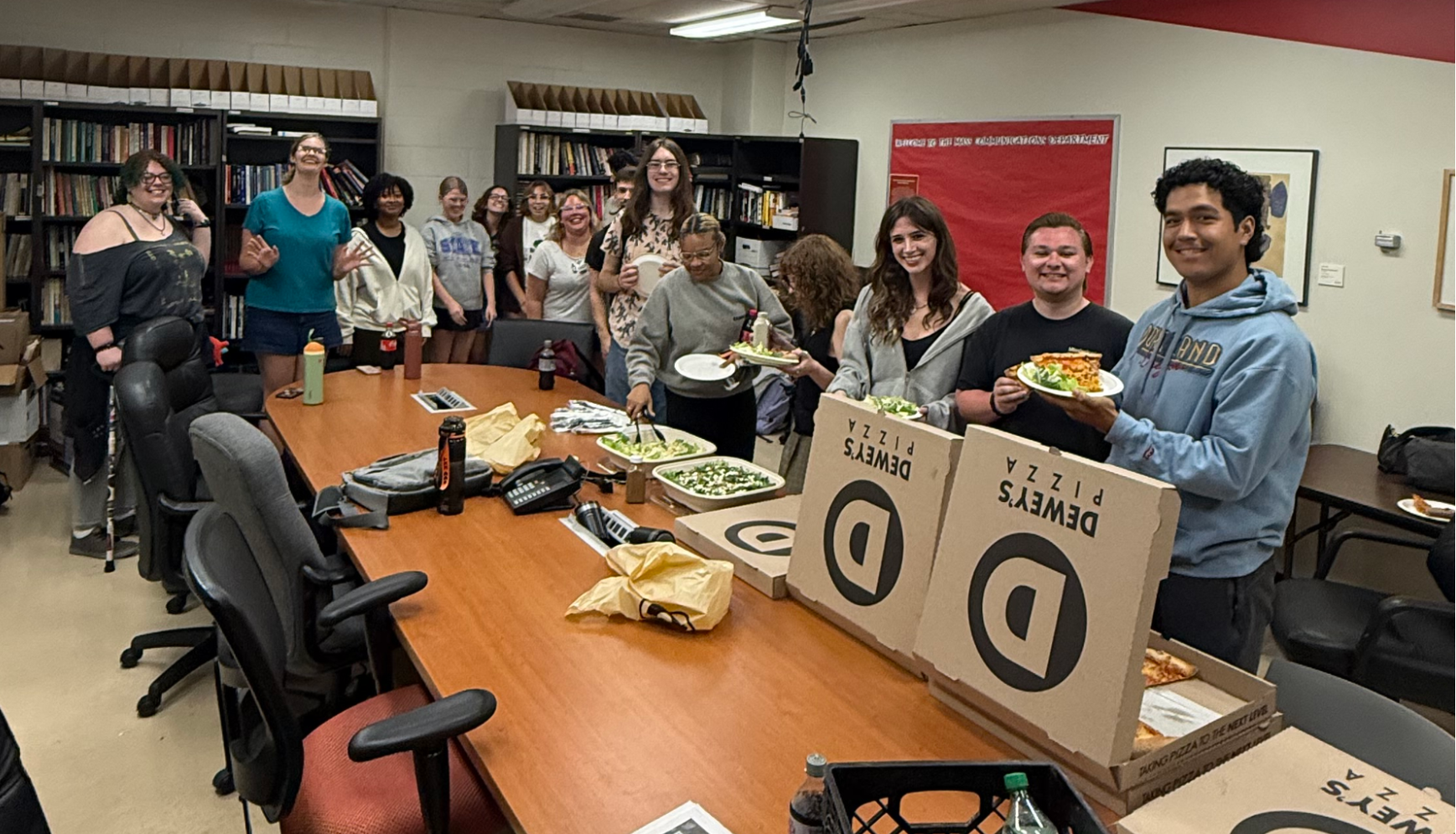
Staff of The Alestle. Photo via Marie McMullan.

How Schools and Universities Try to Censor Student Journalists

Student journalists, their advisors, and legal advocates say colleagues and administrators are attempting to undermine student reporting on Jeffrey Epstein, Gaza, and other issues that public institutions would rather not have their reputations connected to.

Public records obtained by 404 Media show administrators taking meetings with parents and alumni when they take issue with student reporting and asking advisors to compromise their professional ethics. They also show escalating tensions between student newsroom staff and administrators, prompting more legal aid requests to advocacy groups. 

This comes as student journalists at The Cornell Daily Sun earned recognition for breaking the “Cornell Seven” story regarding the lawsuit filed in New York’s trial court last month by a Jane Doe accusing current and former Cornell University students of drugging and sexual abuse. The student journalists told The Cut this week that a vague university and campus police statement from nearly two years ago prompted more questions than answers. Such is the basis for most accountability journalism on college campuses. 

The cases we reviewed involved the phase of the reporting process that comes later, where a factual dispute the newsroom has defended or a complaint where the person doesn’t bother to explain what is allegedly wrong with the students’ reporting. 

Read the full story here.

MORE FROM 404 

Look at my lawyer dawg. A New Mexico attorney used ChatGPT to generate briefs that included completely made-up witnesses and testimony while representing a man accused of shooting his wife. When the judges caught him, the lawyer blamed it on his own “stupidity.” I'll say.
  • ✇404 Media
  • How the Feds Get Your Data
    Surveillance isn’t just about who is collecting the data. Surveillance is, of course, also about who that data ends up with. A great story from Jason today looks at that with Flock and other automatic license plate reader (ALPR) data: some local cops are being forced to feed their ALPR data into obscure federal systems where that data may be kept for much longer than usual, and searched by many more people and agencies than the residents being surveilled probably realize.And, we now know which b
     

How the Feds Get Your Data

30 septembre 2026 à 10:50
How the Feds Get Your Data

Surveillance isn’t just about who is collecting the data. Surveillance is, of course, also about who that data ends up with. A great story from Jason today looks at that with Flock and other automatic license plate reader (ALPR) data: some local cops are being forced to feed their ALPR data into obscure federal systems where that data may be kept for much longer than usual, and searched by many more people and agencies than the residents being surveilled probably realize.

And, we now know which birds are the two loudest on the planet. Maybe. Welcome back to our new experiment with daily newsletters. If you like this, subscribe here.

How Cities Are Forced to Funnel License Plate Data to a Massive Federal Surveillance Program

The Trump administration is using an anti-drug trafficking grant program from the 1980s to force cities around the country to funnel their ongoing collection of automated license plate reader data into large federal surveillance centers that fall under the White House’s jurisdiction, according to public records and court documents reviewed by 404 Media.

  • ✇404 Media
  • Surveillance Finds a Way
    A thing I’ve been saying over and over is that surveillance companies can’t be trusted to regulate themselves or to make privacy decisions themselves, because one company’s red line is another company’s business opportunity. Today we’re investigating a company that saw Flock was not offering facial recognition and saw a challenge. Also: Some dudes are letting ChatGPT drive a car in a parking lot in San Francisco, a data center company promises to cut people big checks if their data center gets a
     

Surveillance Finds a Way

29 septembre 2026 à 10:05
Surveillance Finds a Way

A thing I’ve been saying over and over is that surveillance companies can’t be trusted to regulate themselves or to make privacy decisions themselves, because one company’s red line is another company’s business opportunity. Today we’re investigating a company that saw Flock was not offering facial recognition and saw a challenge.

Also: Some dudes are letting ChatGPT drive a car in a parking lot in San Francisco, a data center company promises to cut people big checks if their data center gets approved, and the Muse backlash has begun. Welcome back to our new experiment with daily newsletters. If you like this, subscribe here. -Jason

Surveillance Company Wants to Add Facial Recognition to Flock Cameras

As Flock continues to be the center of a nationwide conversation about automatic license plate reading cameras, the company has said that it doesn’t, and won’t, do facial recognition: “We will not add facial recognition to our devices,” Flock CEO Garrett Langley said in a recent video. But other, third-party companies are telling cops that they are willing to add facial recognition to data gathered by Flock cameras in order to “close that gap.” 

A company called VIDIZMO is advertising the capability to export footage from FlockOS to its own platforms that do facial recognition, behavior prediction, and racial and gender analysis on live camera feeds. VIDIZMO is a several decades-old video analysis and database company that has started offering facial recognition technology to cops within the last six months. In a May email to Johnson City, Tennessee, deputy police chief Michael Adams, a salesperson from VIDIZMO wrote that the company’s product could do facial recognition on both Flock and Axon data in “one searchable platform.”

❌