Since Madagascar’s October 2025 coup, Russian military personnel have joined the parliament speaker’s security detail, and Russian instructors have begun training Malagasy soldiers, RFE/RL reported. OSINT investigators traced a flight carrying a senior Russian military intelligence officer and 40 of Russia's Africa Corps members to the island on 20 December 2025.
Madagascar’s new leadership has welcomed Russian military assistance, while Moscow has pursued media projects, energy talks, and the possible recruitment of Malagasy workers. RFE/RL says the prospective destination is Alabuga, a plant producing drones used against Ukraine. Elsewhere in Africa, Russia has sent troops, sought access to resources, and opened cultural centers.
Major General Andrei Averyanov, who oversees Russian military intelligence operations in Africa, was on the December flight. He traveled with members of Africa Corps, a Russian Defense Ministry unit that absorbed some Wagner forces. Madagascar's National Assembly speaker Siteny Randrianasoloniaiko announced the unit’s arrival that month.
Russian intelligence officer Anton Papshev attended the January launch of training for Madagascar’s 1st Airborne Battalion. The program also included a transfer of Russian weapons, though RFE/RL did not specify which ones. In February, interim President Michael Randrianirina met Vladimir Putin in Moscow and welcomed wider cooperation on defense, energy, and other areas.
Russian authorities signed a deal with Randrianasoloniaiko to open a Russia House, a Kremlin cultural center. Ukraine’s military intelligence said Moscow plans to expand the network across Africa to influence young people. Madagascar also authorized a branch of African Initiative, a Russia-linked media organization that helped National Radio launch a “Russ-Mada” program.
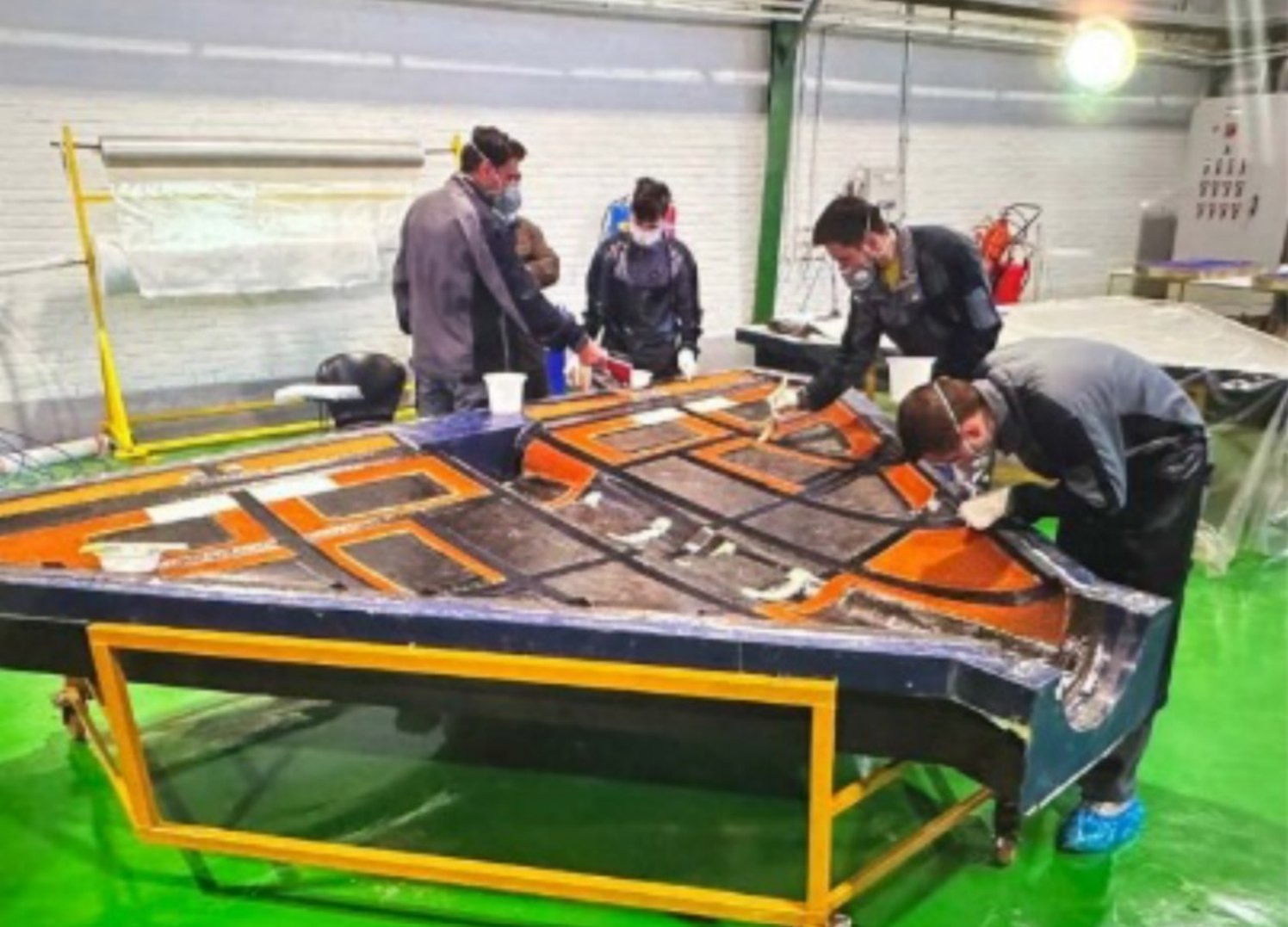
RFE/RL said Russian authorities appear to intend to recruit Malagasy workers for Alabuga, a drone assembly plant in Russia’s Tatarstan region.
The plant has recruited thousands of workers, mainly young women from Africa and Central and South Asia, for relatively high-paying jobs. Richard Rakotonirina, head of Madagascar’s Friends of Russia association, visited Alabuga in February. RFE/RL did not establish that any Malagasy workers had been recruited.
Explore further
Moscow recruits African women to produce drones in horrific conditions — investigation exposes large-scale fraud
During a visit to Moscow, Madagascar’s prime minister discussed Russian fuel supplies, oil storage on the island, and military training.
A Russian delegation also visited an abandoned naval base that Madagascar and France had already agreed to study restoring. RFE/RL did not report any agreement giving Russia access to the base.
Russia’s wider reach in Africa
Madagascar’s emerging ties resemble security arrangements Moscow has built elsewhere in Africa. In the Central African Republic, Russian mercenaries guarded officials and trained troops in exchange for access to gold, diamonds, and timber, RFE/RL reported. Russia's Africa Corps protects the Republic of the Congo’s president, Denis Sassou-Nguesso, who has ruled since 1979, apart from a brief interruption.
In Mali, the force backs a military government and has deployed a drone of a type developed for Russia’s war against Ukraine. Residents and a rights group told RFI that Russian and Malian forces killed four civilian herders. Ukrainian drone specialists are reportedly supporting forces fighting Russian troops there.

 Connexion