Connexion
Future wars will be won not only by those who have the best technological systems, Ukraine’s former top general says in London
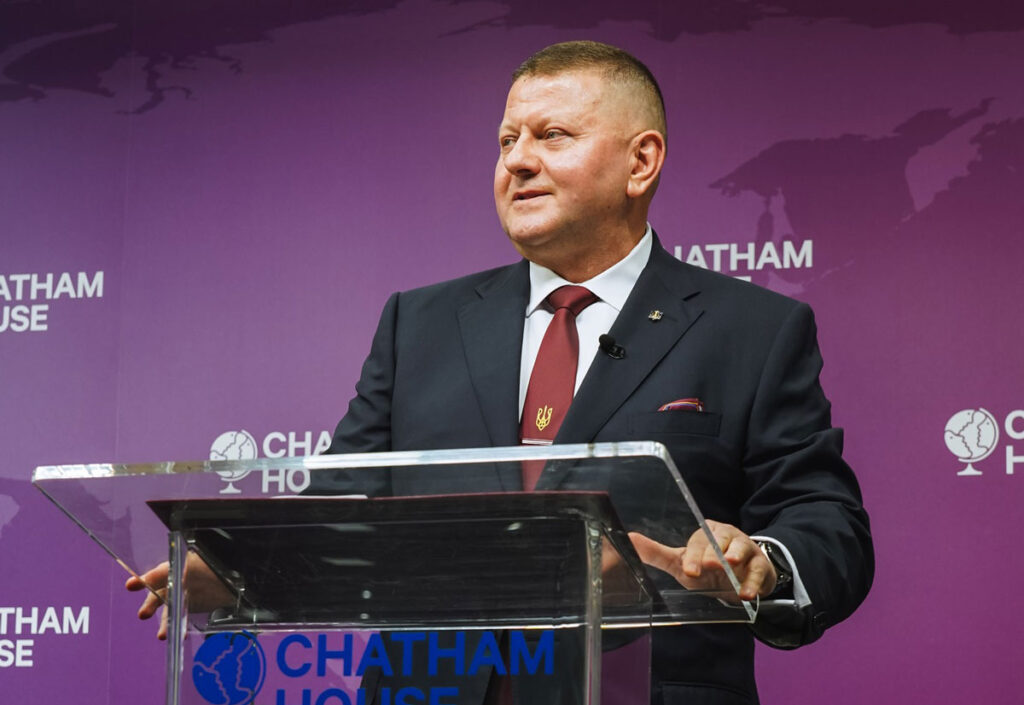
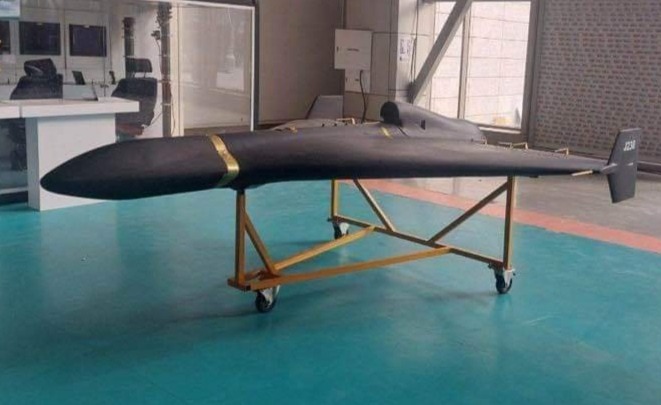
Ukraine's former top general, now its ambassador to Britain, says Russia's jet-powered Geran drone is a glimpse of where war is heading, where high technology keeps getting cheaper. Valerii Zaluzhnyi told a London defense-technology showcase that an expensive Cold War missile had evolved into a cheap weapon that can be fired in bulk, Interfax-Ukraine reports.
During his tenure as Commander-in-Chief, Zaluzhnyi acknowledged that it had been a mistake to believe that the sheer number of casualties inflicted on Russia could bring the war to a halt, per UkrInform. By 2025, he had turned that lesson into a doctrine. Given Ukraine’s population, he argued, it cannot win a war of attrition and can wage only a high-tech war of survival. His doctrine was later echoed by former minister Mykhailo Fedorov and the current Yevhen Khmara.
The drone has become a missile in all but name, Zaluzhnyi said, and that is the point. Now, such missiles are affordable to any side, not only to wealthy countries.
The jet Geran flips the economics
The danger such cheap weapons pose is financial as much as military: if a country spends far more on each interceptor than the enemy spends on each target, its defense cannot scale, and the rich risk losing to the poor, Zaluzhnyi believes.
Future wars, he argued, will be decided less by who fields the more sophisticated systems than by who can turn them out cheaply and in volume.
Ukraine needs its own component base
Ukraine has already built much of a modern defense industry on exactly that logic, Zaluzhnyi continued, with combat driving its makers to develop the unmanned systems that now do much of the killing on the ground.
"No other country can offer more relevant experience for developing new weapons, modernizing them, and the ways of using them," he said.
The bottleneck, he added, is components: much of the parts base for Ukrainian weapons still sits abroad, capping how far production can scale and modernize.
He urged partners to pour long-term private investment into Ukrainian defense production, framing it as a two-way deal. Backing Ukraine's makers, he argued, both weakens Russia and builds the partners' own defenses, with Ukraine's battlefield experience as the foundation for weapons fit for the wars to come.
Read also
-
“Credit to the Russians, they know how to scale,” Ukrainian military spokesperson says. Ukraine’s jet-drone interceptors show early promise, but harder job ahead
-
He had survived Mariupol, Russian captivity and took over Ukraine’s Azov grouping in Donetsk. Now Brigadier General Prokopenko warns Russia may mobilize up to 600,000 for its next offensive
-
Belarus trains troops to fight saboteurs as Minsk puts its military on a war footing
Read also
-
He had survived Mariupol, Russian captivity and took over Ukraine’s Azov grouping in Donetsk. Now Brigadier General Prokopenko warns Russia may mobilize up to 600,000 for its next offensive
-
Belarus trains troops to fight saboteurs as Minsk puts its military on a war footing
-
Russian strikes will cost Ukraine’s economy up to $10 billion this year, ministry says