Vue normale

  • ✇US news | The Guardian
  • The Guardian view on rare earths: it’s common sense to secure essential supply chains | Editorial
    Outsourcing the industry to China cannot continue, but Europe knows it can no longer count on the US for a solutionThe alarm sounded 16 years ago. In 2010, China blocked exports of key rare earths to Japan in a row over disputed islands in the East China Sea. The critical minerals are essential to everything from advanced weaponry and iPhones to electric vehicle batteries and wind turbines, so the rest of the world took note. But it didn’t take much action. China still accounts for about 70% of
     

The Guardian view on rare earths: it’s common sense to secure essential supply chains | Editorial

Par : Editorial
30 août 2026 à 12:30

Outsourcing the industry to China cannot continue, but Europe knows it can no longer count on the US for a solution

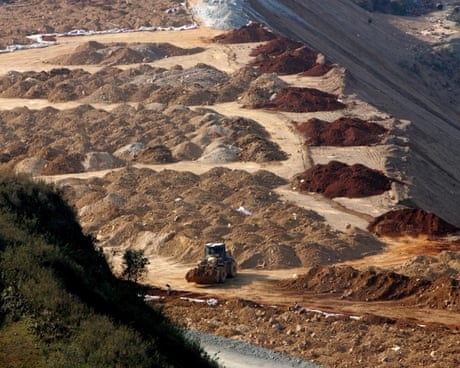
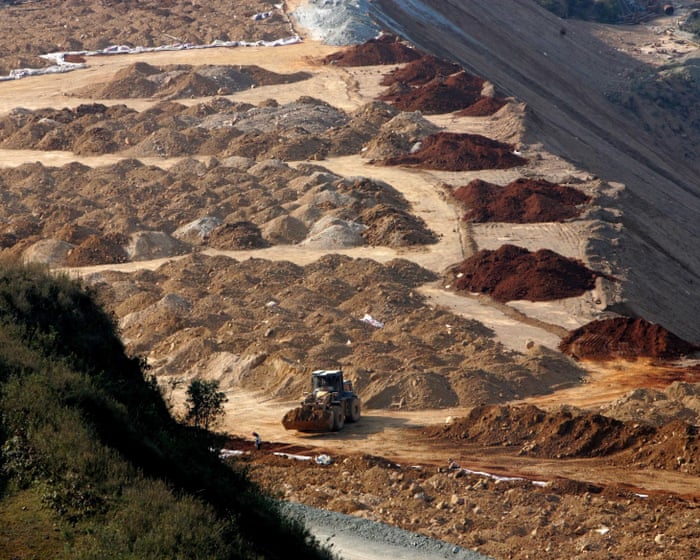
The alarm sounded 16 years ago. In 2010, China blocked exports of key rare earths to Japan in a row over disputed islands in the East China Sea. The critical minerals are essential to everything from advanced weaponry and iPhones to electric vehicle batteries and wind turbines, so the rest of the world took note. But it didn’t take much action. China still accounts for about 70% of rare-earth mining globally and 90% of separation and processing.

Then, last year, Beijing forced Donald Trump to back away from his trade war – not with its retaliatory tariffs, but the curbing of rare-earth exports. A scramble for new supplies began in earnest. The year-long trade truce is due to expire in November. The price of erbium, an element essential to communications infrastructure, has already jumped because of fears that export controls will soon be renewed.

Continue reading...
© Photograph: Imaginechina Limited/Alamy
© Photograph: Imaginechina Limited/Alamy
© Photograph: Imaginechina Limited/Alamy

  • ✇US news | The Guardian
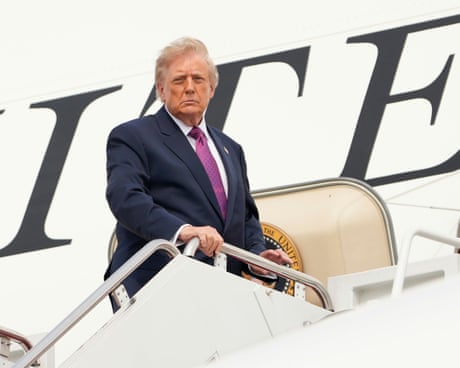
  • Trump’s ‘economic D-day’ against Iran risks driving the stakes even higher | Sina Toossi
    As with its approach to Hormuz, the US has mistaken applying pressure for an actual strategy. But Tehran has chips of its own to playDonald Trump has found a new way to promise victory over Iran. After months of war have failed to force Iran’s capitulation or collapse, his administration has unveiled what the US Treasury secretary, Scott Bessent, calls Operation Economic Outcast: an effort to cut it off from what remains of the global economy and threaten foreign governments, banks and companies
     

Trump’s ‘economic D-day’ against Iran risks driving the stakes even higher | Sina Toossi

30 août 2026 à 03:00

As with its approach to Hormuz, the US has mistaken applying pressure for an actual strategy. But Tehran has chips of its own to play

Donald Trump has found a new way to promise victory over Iran. After months of war have failed to force Iran’s capitulation or collapse, his administration has unveiled what the US Treasury secretary, Scott Bessent, calls Operation Economic Outcast: an effort to cut it off from what remains of the global economy and threaten foreign governments, banks and companies with sanctions if they continue doing business with Tehran.

There is no question that Iran is vulnerable. Its economy has been battered by years of sanctions, war and a months-long US naval blockade. Iranian officials acknowledge that oil exports and access to foreign currency have been severely constrained. Ordinary Iranians are already enduring high inflation, currency depreciation and worsening living standards. Further economic strangulation will inflict significant additional hardship.

Sina Toossi is a senior non-resident fellow at the Center for International Policy, where his work focuses on US-Iran relations, US policy toward the Middle East and nuclear issues

Continue reading...

© Photograph: Mark Schiefelbein/AP

© Photograph: Mark Schiefelbein/AP

© Photograph: Mark Schiefelbein/AP

China Says 261 Foreigners From 23 Countries Are Missing in Tibet Flood

30 août 2026 à 10:09
The disclosure offered one of the clearest pictures yet of the disaster on the Chinese side of the border, where authorities have released few details.

© Atul Loke for The New York Times

An aerial view of the muddy Trishuli River winding through Rasuwa District in Nepal on Thursday.
❌