Vue normale

Ukraine says it hit an Iskander launcher near the border—part of a dedicated hunt for Russia’s ballistic launch sites
23 août 2026 à 06:44

ukraine says hit iskander launcher near border—part dedicated hunt russia’s ballistic launch sites · post russian missile under ukrainian drone attack taganrog russia 30 2026 1st separate center unmanned systems

Ukraine has struck a Russian Iskander launcher near its border as part of a dedicated operation against nearby ballistic-missile launch positions, Ukrainian President Volodymyr Zelenskyy told journalists, according to Ukrinform

Russia continues using ballistic missiles against Ukrainian cities while Ukraine has rationed Patriot interceptors and warned of acute shortages, pushing Kyiv to combine interception with strikes on the systems and positions used to launch those missiles.

President says Ukraine hit an Iskander launcher

President Zelenskyy described the strike as a success but said the sensitivity of the operation prevented him from providing many details.

We struck an Iskander launcher near our borders,” he said. “I am grateful to our warriors who are carrying this out. This is our operation to hunt their systems positioned nearby.”

The president, however, didn't disclose where the launcher was located or what weapon Ukrainian forces used to hit it.

Zelenskyy said strikes on launchers are one way Ukraine is trying to counter Russian ballistic attacks when anti-ballistic interceptor stocks are limited.

When our anti-ballistic missile stocks are at a minimum, there is another tactic. It is more difficult, and we developed it,” he said. “It is hunting their nearby positions from which ballistic missiles are launched.

He described the effort as a separate program and operation. Euromaidan Press could not independently verify the reported strike.
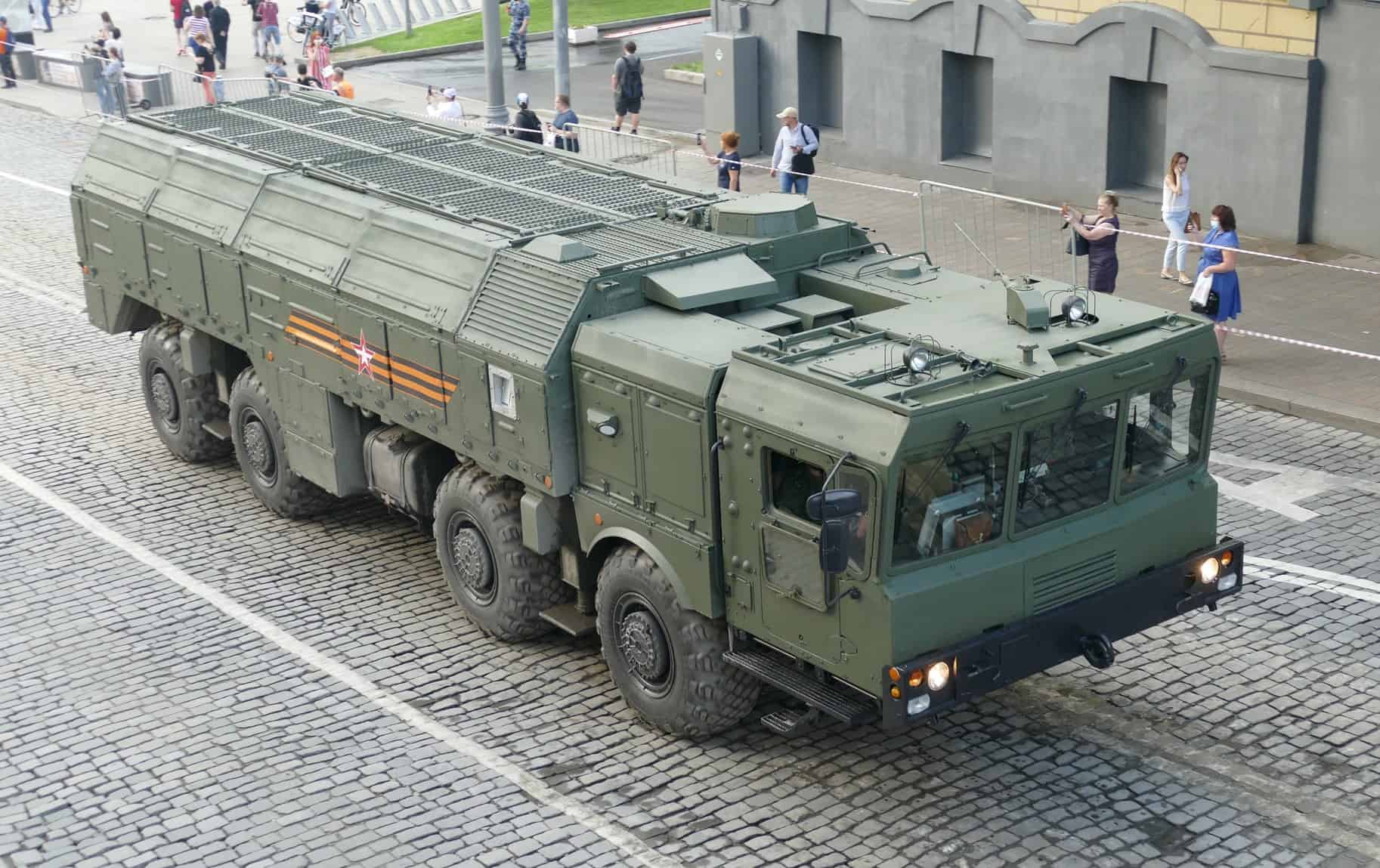
Russian Iskander-M missile system, 2020. Illustrative photo. Photo from Russian government sources via Militarnyi

Ukraine has already targeted Russian ballistic missile infrastructure in several operations this year. In April, Ukrainian drone forces reported strikes on two bases linked to Iskander systems in occupied Crimea.

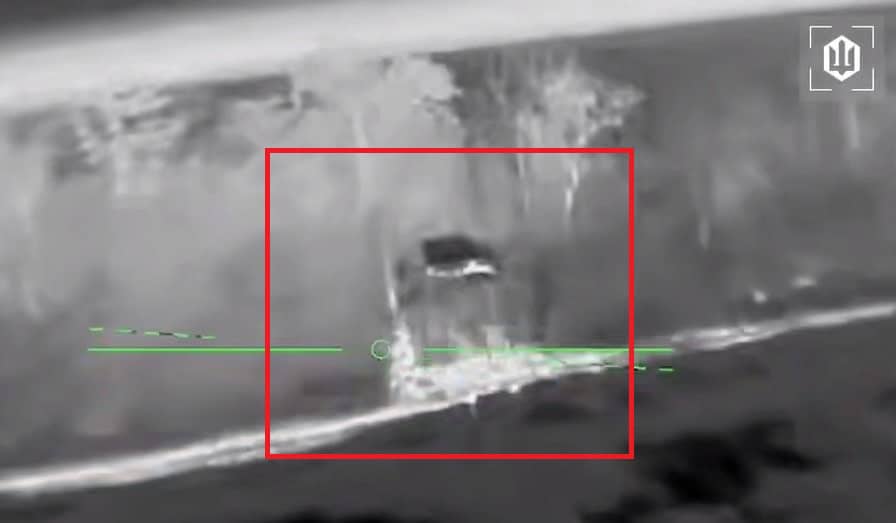
On 30 May, Ukraine’s Unmanned Systems Forces said they destroyed an Iskander system at a launch position near Taganrog in Russia’s Rostov Oblast.
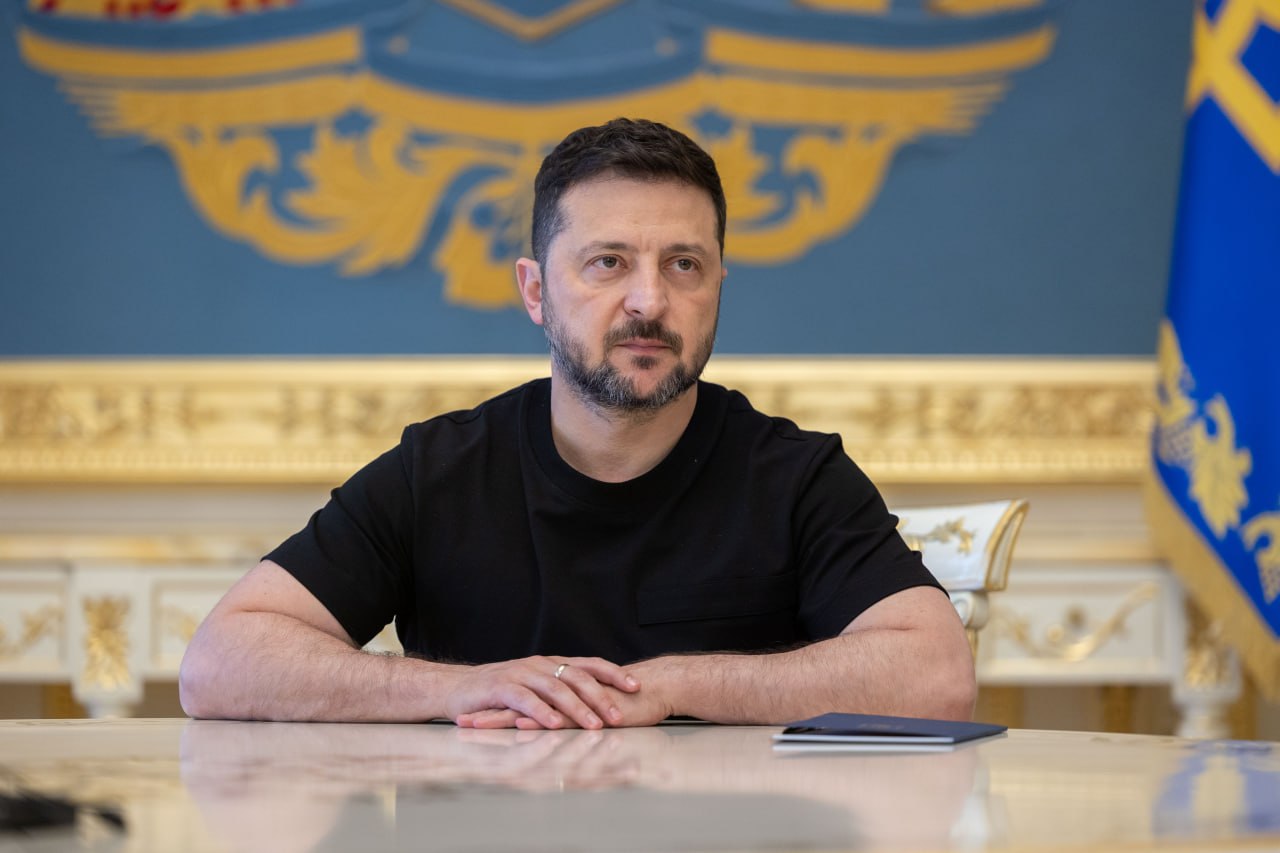
Ukrainian President Volodymyr Zelenskyy, 7 July 2026. Photo: Zelenskyy / Telegram
Explore further

5% of US Patriot stocks gets Ukraine through winter, 10% ends the ballistic threat — and Zelenskyy has just 1%, he tells CNN

SpaceX rejected Ukraine’s request to use Starlink inside Russia

The launcher strike comes as Ukraine is also looking for better ways to operate long-range drones against military targets in Russia. Zelenskyy said SpaceX ultimately refused to let Ukraine use Starlink inside Russia because of escalation concerns.

Kyiv had wanted Starlink to work over Russian territory for defense operations, including drone strikes on Russian ballistic-missile launchers near the border. The Defense Ministry asked him in the first half of 2026 to raise the issue with US President Donald Trump, Zelenskyy said. Zelenskyy said Trump relayed that decision to him at a later meeting. Ukraine continues discussing the issue with the US side.

Ukraine and European partners are separately developing the FREYJA anti-ballistic system, with Kyiv seeking a prototype capable of demonstrating practical results by mid-2027. The project is intended to combine Ukrainian missile technology with European radars, sensors, and command systems.

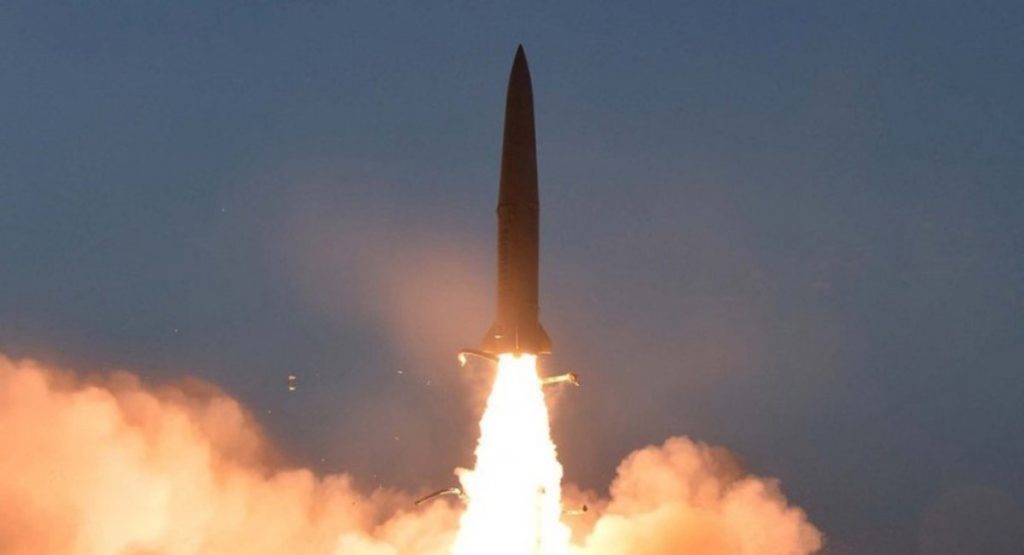
Reports credit North Korea’s newest missile of terror with 2.5-ton warhead and 900-km range. Expert explains why those numbers can’t both be true

23 août 2026 à 02:17

ballistic missiles north korea

Russia may soon get 150 more missiles from North Korea, and their inaccuracy is precisely what makes them dangerous to civilians. This characteristic makes them above all weapons of terror, military expert and Defense Express director Serhii Zghurets said on Espreso.

The particular danger may carry the KN-30, credited with a range of up to 900 kilometers and a 2.5-ton warhead. For comparison, the warhead in Russia's Kalibr cruise missile is 450 kilograms, as in the Iskander ballistic missile, and even those destroy large objects. A missile carrying anything near five times that payload would hit far harder than any weapon already devastating Ukrainian cities.

The claimed specs don't add up

Zghurets urged skepticism toward the most hyped missile. The KN-30's credited figures can hardly be combined in one missile, he said. Physics forces a trade-off.

"If we are talking about a missile that can fly 900 km, then it has a significantly smaller warhead weight. If we are talking about 2.5 tons, then the range will be much shorter," Zghurets explained.

Either version remains dangerous, but the claims as advertised describe a missile that likely does not exist.

A 150-missile delivery is under discussion

North Korea keeps feeding Russia's arsenal. Pyongyang continues to strengthen Russia's military potential with missiles of several types, including the KN-23, KN-24, and KN-30, and a possible supply of about 150 North Korean missiles to Russia is now actively discussed, Zghurets said.

Even if the missiles' real characteristics differ from the claims, such a number would be a substantial addition to the Russian arsenal, he noted, more missiles for the campaign Russia fires at Ukrainian cities regardless of how well each one performs.

Inaccuracy makes them terror weapons

The missiles' precision is their defining flaw. By one estimate, Zghurets cited, missiles flying about 800 kilometers can deviate from their target by 18 kilometers, an error radius wider than most cities.

That rules out military precision but not harm.

"There is definitely no talking about any accuracy with these missiles. But as a weapon of terror that supplements the Russian arsenal, the Russians will of course need it now," Zghurets said.

A missile that can land anywhere within 18 kilometers of its aim point cannot reliably hit a military target, but if fired at a city, it will hit something, which is how Russia has used North Korean missiles against Ukrainian civilians.

Both sides get what they want from the axis

Moscow's interest goes beyond missiles. Russia is also interested in bringing in North Korean troops, which would free part of its own forces for combat against Ukraine, Zghurets said.

Pyongyang is paid in money and technology. North Korea seeks military-technological advantages from the cooperation, including improving its submarine-launched ballistic missile technology, and over the years of the war, may have received about $20 billion from Russia, Zghurets estimated.

The Moscow-Pyongyang military alliance is a serious challenge for the West, he said, though it is hard to predict how actively the US will try to limit the two countries' cooperation.

❌