Connexion
Russia starves most Ukrainian POWs, then “fattens” a few for exchange so they look normal, Ukrainian official says

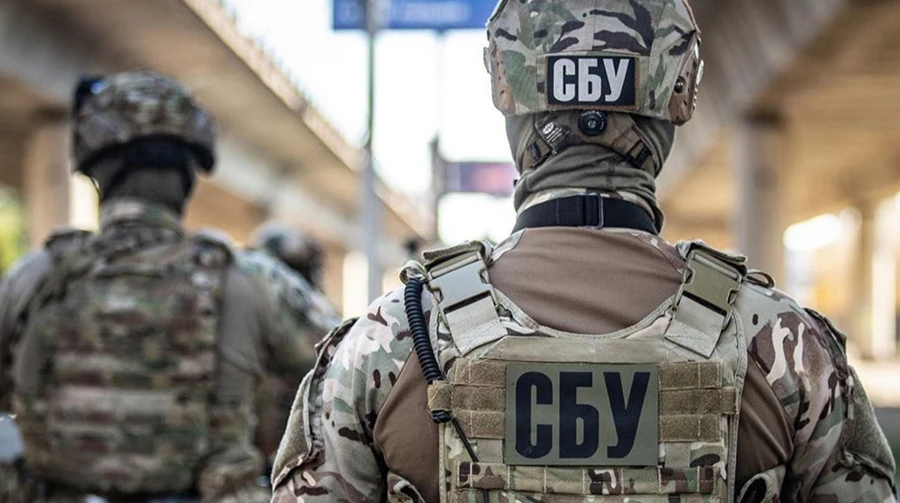
Russia is forcing Ukrainian prisoners into its own army and starving others while "fattening" a few for show, Andrii Pasternak of the SBU's Joint Center for coordinating the search and release of prisoners says. Ukrainian intelligence also has information about Moscow creating battalions from Ukrainian prisoners of war (POWs), UkrInform reports.
As of May 2026, approximately 7,000 Ukrainian service members were held in Russian captivity, while the number of civilian detainees is estimated at between 10,000 and 20,000, according to Vice Speaker of the Ukrainian Parliament Olena Kondratiuk.
Russia is forming units from Ukrainian prisoners
Pasternak described the POW battalions as confirmed and monitored.
"We know about such battalions. Together with our colleagues from foreign intelligence and military intelligence, we track and record this. Such facts exist," he stated.
Forcing prisoners of war to serve in the captor's forces is itself a war crime. The Geneva Conventions prohibit compelling a POW to fight against their own country, and turning captured Ukrainian soldiers into Russian units, if confirmed at scale, would be a grave violation on top of the coercion required to make men fight the country they were defending.
Russia feeds up some prisoners and starves others
The coordinator also pointed to a practice of staging appearances before exchanges. Knowing whom it will hand over, Russia brings those prisoners, including civilians, into "normal form" through a process he called "fattening," drawing on testimony from released Ukrainian defenders and returned civilians.
The starvation behind it is deliberate and selective. Pasternak characterized it as an element of torture: some prisoners are deliberately not fed, while others are fed up so they look more or less normal for the swap. Ukraine's negotiators note at every meeting that the two sides' prisoners differ starkly, he added. The returning Ukrainians are almost all very thin, with only a few in decent condition, while the Russian POWs Ukraine hands back are genuinely well-fed.
Read also
-
Russia banned the scholars documenting Stalin’s starvation of Ukraine. They put their course out anyway—as Moscow repeats the famine.
-
Ukraine puts controversial Skelia regiment under Azov command as Drapatyi pushes military reforms
-
From “easy money” to murder: Russia escalates recruitment of Ukrainians for terrorist attacks inside Ukraine, police warn
Read also
-
Ukraine puts controversial Skelia regiment under Azov command as Drapatyi pushes military reforms
-
From “easy money” to murder: Russia escalates recruitment of Ukrainians for terrorist attacks inside Ukraine, police warn
-
Finland backs €28.5 million power plant project as Ukraine braces for Russia’s next winter energy assault