Vue normale

  • ✇Euromaidan Press
  • Russian-occupied Crimea imposes electricity restrictions after grid breakdowns amid Ukrainian strikes
    A Russian-installed energy authority in occupied Crimea said on 21 June that electricity consumption limits are being introduced across the peninsula following what it described as “accidents” on the local power grid. The measures come amid continued Ukrainian strikes on occupied Crimea targeting logistics, transport, and energy infrastructure. In recent days, Ukrainian forces have reported attacks on transport routes, fuel facilities, and infrastructure used to support
     

Russian-occupied Crimea imposes electricity restrictions after grid breakdowns amid Ukrainian strikes

21 juin 2026 à 14:34

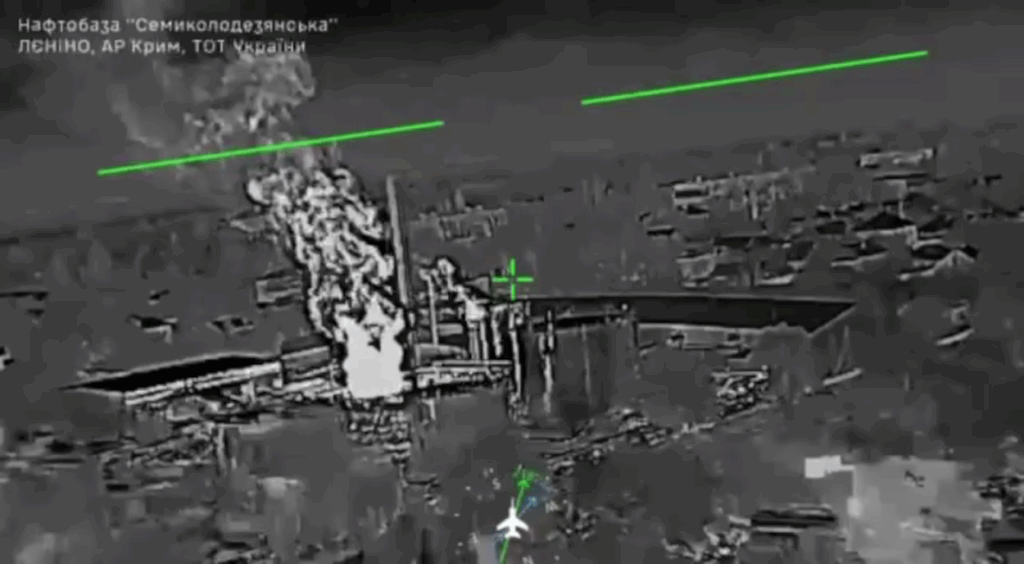
Semikolodezyanska oil depot in Yedi-Quyu (Lenine), occupied Crimea, amid a Ukrainian drone attack. Screenshot from video: Ukraine's Special Operations Forces

A Russian-installed energy authority in occupied Crimea said on 21 June that electricity consumption limits are being introduced across the peninsula following what it described as “accidents” on the local power grid.

The measures come amid continued Ukrainian strikes on occupied Crimea targeting logistics, transport, and energy infrastructure. In recent days, Ukrainian forces have reported attacks on transport routes, fuel facilities, and infrastructure used to support Russian military supply chains across the peninsula.

In a statement published by “Krymenergoinform,” residents were told that rolling restrictions on electricity use will be introduced across different regions of Crimea.

The announcement did not provide details on the cause or location of the reported grid disruptions.

Strikes reported near Crimean Bridge supply routes

On the morning of 21 June, strikes were reported on logistics infrastructure linked to the Crimean Bridge crossing between Crimea and Russia, including fuel handling and transport nodes on the Russian side of the Kerch Strait.

The Crimean Bridge remains a key logistics artery connecting occupied Crimea with Russia and a central component of Russian supply routes into the peninsula and onward to occupied territories and frontline positions in southern Ukraine.

Ukrainian drones struck infrastructure linked to the Crimean Bridge overnight, hitting fuel and transport targets on both sides of the crossing in a coordinated operation targeting Russia’s key supply route into occupied Crimea.

According to Ukrainian officials, the strikes hit… pic.twitter.com/kUVZk7LDZb

— Euromaidan Press (@EuromaidanPress) June 21, 2026

Pressure grows on Crimea’s logistics system

Ukrainian officials say the broader campaign aims to weaken Russia’s ability to sustain military operations in southern Ukraine by disrupting Crimea’s role as a logistics hub. Defense Minister Mykhailo Fedorov has said sustained pressure on these supply routes could significantly affect Russia’s operational capacity in the region.

He said Crimea’s transport and supply network plays a key role in supporting Russian forces across occupied southern Ukraine. Ongoing strikes on logistics infrastructure are intended to reduce the flow of fuel, equipment, and military supplies into frontline areas.

Analysts say Ukraine’s expanding strike capability is increasing pressure on Russian rear-area infrastructure, forcing adjustments to logistics networks and creating persistent disruption across occupied southern territories.
Ukraine hits both ends of the Crimean Bridge corridor, targeting Russia’s logistical grasp on the occupied peninsula

21 juin 2026 à 06:34

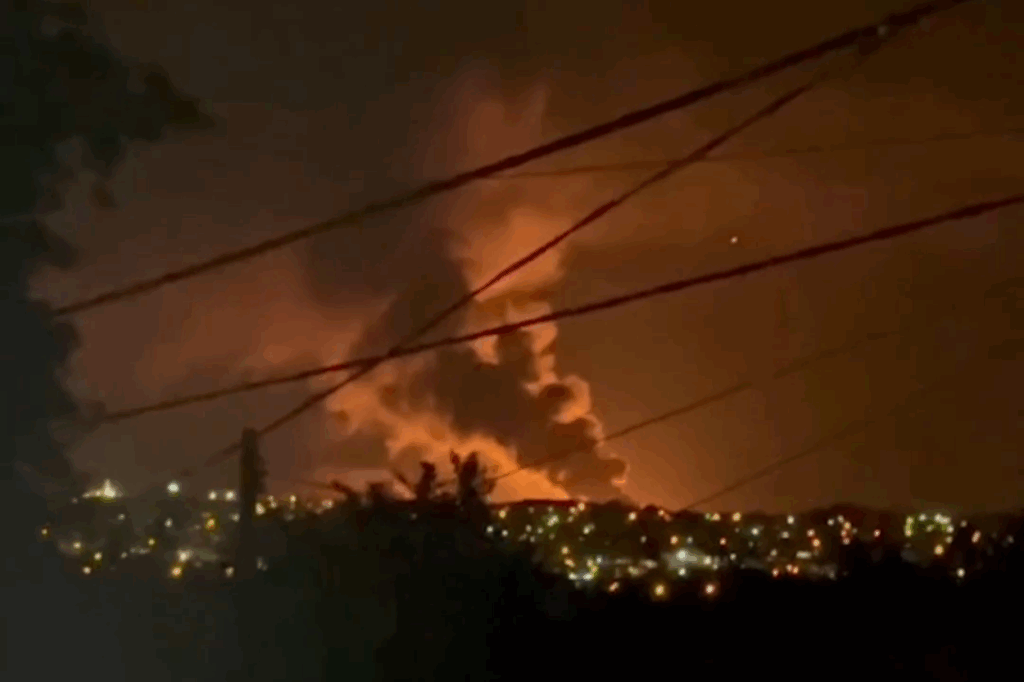
Smoke rising from the site of a Ukrainian strike somewhere around the Crimean Bridge, 21 June 2026. Screenshot from video: Zelenskyy

Ukrainian long-range drones struck infrastructure linked to the Crimean Bridge overnight, hitting targets on both sides of the crossing in an operation aimed at disrupting the main logistics corridor connecting occupied Crimea with Russia.

The Crimean Bridge serves as a critical supply artery linking occupied Crimea with Russia’s mainland and remains central to Russian logistics into the peninsula.

In recent weeks, Ukraine’s broader campaign against Crimea has ramped up, targeting the peninsula’s transport and supply network as a whole, including road and rail corridors, fuel depots, ports, and air defense systems supporting Russian operations in southern Ukraine. 

Fuel and port infrastructure targeted on both sides of the bridge

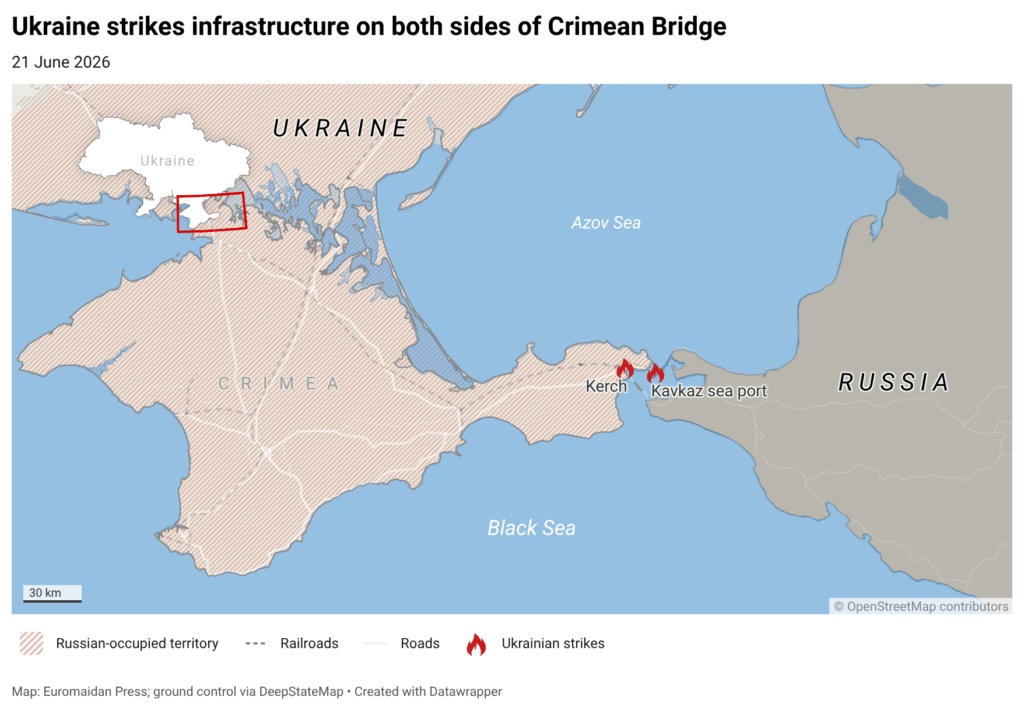
According to Ukrainian officials, the strikes focused on facilities tied to transport and fuel flows around the Crimean Bridge. In occupied Kerch, Ukrainian drones hit the “TES-Terminal-1” fuel storage site, where petroleum products are handled for local and military supply chains.

On the Russian side of the crossing, Ukrainian forces also struck the “Kavkaz” sea port in Krasnodar Krai, a key oil transshipment hub used to move fuel toward Crimea. Fires were reported at storage and handling areas following the attack.

Air defense systems protecting key logistics corridor also hit

The Security Service of Ukraine (SBU) said the operation also targeted air defense assets deployed to protect the Crimean Bridge, including four radar stations associated with S-400 systems and two Pantsir units positioned near the crossing.

Ukrainian President Volodymyr Zelenskyy said the overnight strikes were part of coordinated long-range operations targeting military logistics, oil infrastructure, and air defense systems at a distance of roughly 300 kilometers from the front line. 

He credited units from the Security Service of Ukraine, the Unmanned Systems Forces, military intelligence (HUR), and Special Operations Forces.

Kyiv views Crimean Bridge as part of Russian military logistics system

The Crimean Bridge was built by Russia after its occupation of Crimea in 2014, without Ukraine’s consent. Kyiv considers it an illegal construction on occupied territory and has consistently viewed it as part of Russia’s military logistics system. 

Because the bridge is used to move fuel, equipment, and personnel into occupied Crimea and onward to Russian forces in southern Ukraine, Ukraine treats it as a legitimate military target under international law.

❌