Ukraine's military intelligence agency (HUR) released on July 1 video footage showing domestically produced drones striking multiple Russian air defense assets and a fighter jet in occupied Crimea in what it described as a successful special operation.The undated footage shows the combat use of UJ-26 drones, commonly known as Bober (Beavers), targeting high-value Russian military systems."These reliable weapons in the hands of HUR special forces are turning critically important Russian targets i
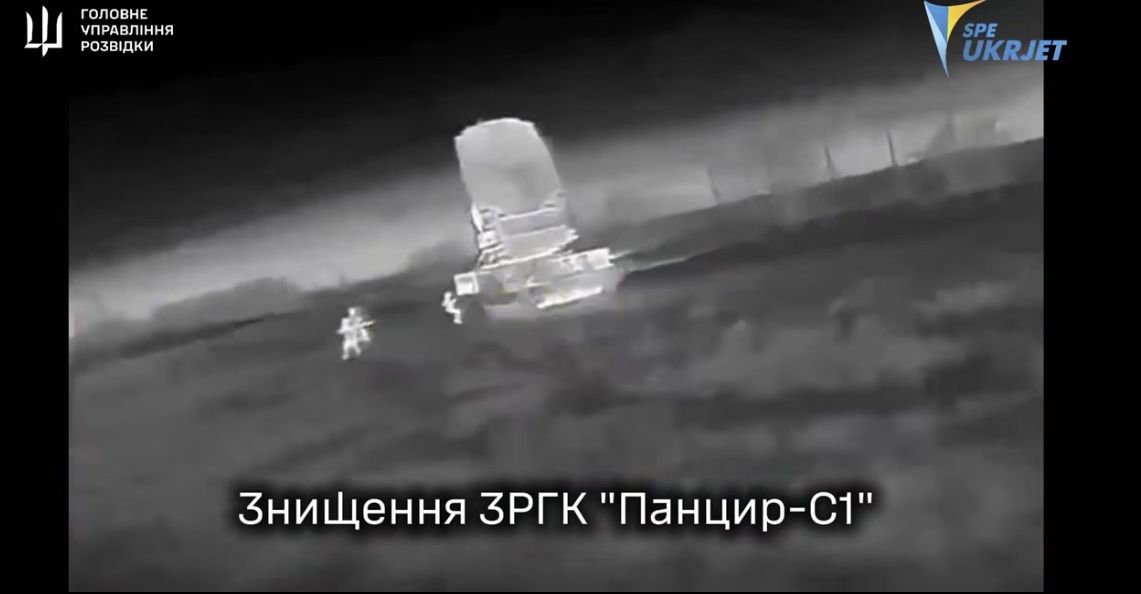
Ukraine's military intelligence agency (HUR) released on July 1 video footage showing domestically produced drones striking multiple Russian air defense assets and a fighter jet in occupied Crimea in what it described as a successful special operation.
The undated footage shows the combat use of UJ-26 drones, commonly known as Bober (Beavers), targeting high-value Russian military systems.
"These reliable weapons in the hands of HUR special forces are turning critically important Russian targets into useless scrap," the agency said in a statement.
HUR added that the Bober drones are effectively "gnawing through" Russia's expensive air defense systems "like barberries."
0:00
/
A Ukrainian drone targets and destroys Russian military assets in occupied Crimea, according to Ukraine's military intelligence agency. (HUR / Telegram).
The released footage shows that the strikes destroyed or severely damaged several Russian military assets, including a Pantsir-S1 air defense system and its crew, a Niobium-SV radar, a Pechora-3 coastal radar, a Protivnik-GE radar, and a Su-30 fighter jet stationed at the Saky airfield in occupied Crimea.
The Kyiv Independent could not verify HUR's claims.
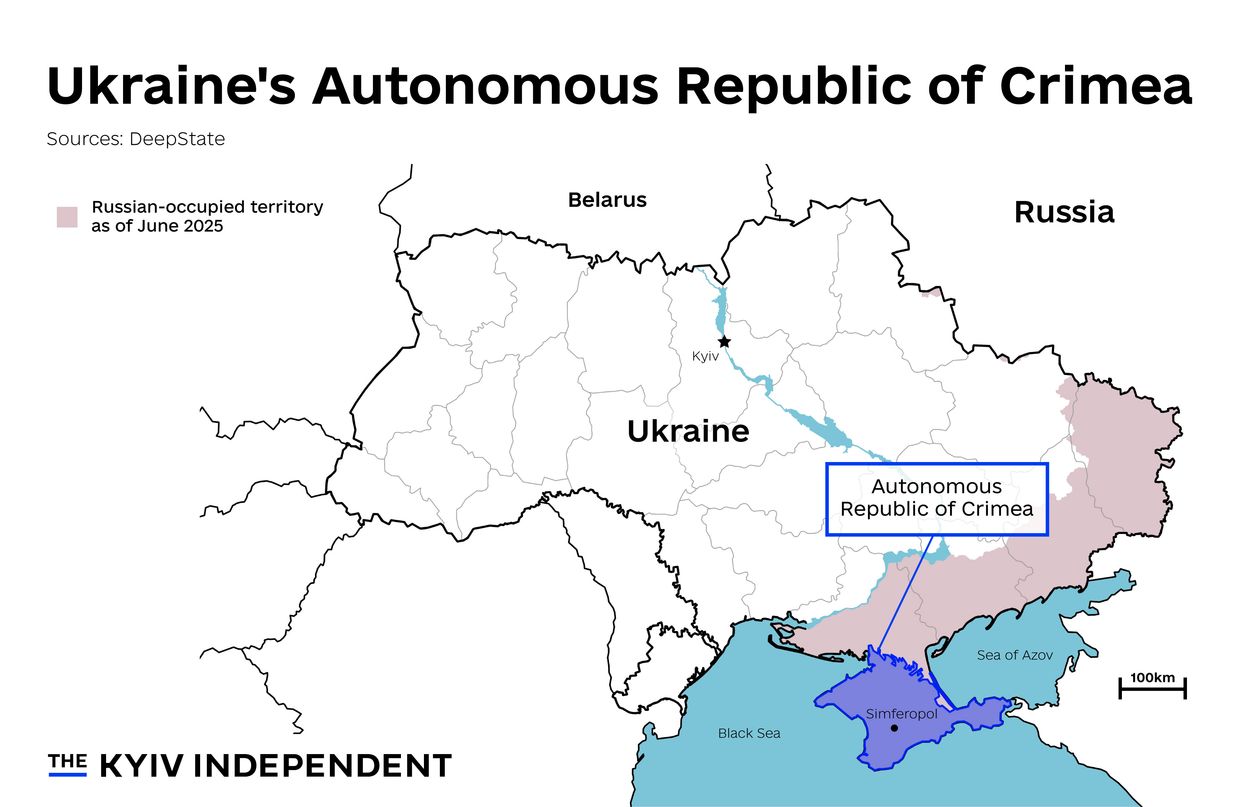
The strikes are part of Ukraine's ongoing efforts to degrade Russian military capabilities in Crimea, which has been under Russian occupation since 2014. Moscow reported Ukrainian drone strikes against the peninsula earlier on July 1, with the Crimean Wind Telegram channel reporting attacks in the vicinity of S-300/S-400 air defense systems.
Ukraine has increasingly deployed new drone systems to target Russian military assets on the front line and deep inside the Russian rear.
Ukraine's Autonomous Republic of Crimea. (Nizar al-Rifai/The Kyiv Independent)
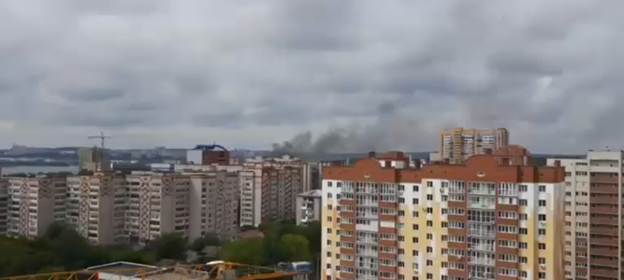
Editor's note: This story was updated with information shared by an SBU source.Ukrainian drones struck a major Russian military plant in the city of Izhevsk, over 1,300 kilometers (800 miles) from the front in Ukraine, a source in the Security Service of Ukraine (SBU) told the Kyiv Independent on July 1.The SBU source said the agency's long-range drones targeted the Kupol plant in Russia's Udmurt Republic on the morning of July 1. At least two confirmed strikes struck production and storage faci
Editor's note: This story was updated with information shared by an SBU source.
Ukrainian drones struck a major Russian military plant in the city of Izhevsk, over 1,300 kilometers (800 miles) from the front in Ukraine, a source in the Security Service of Ukraine (SBU) told the Kyiv Independent on July 1.
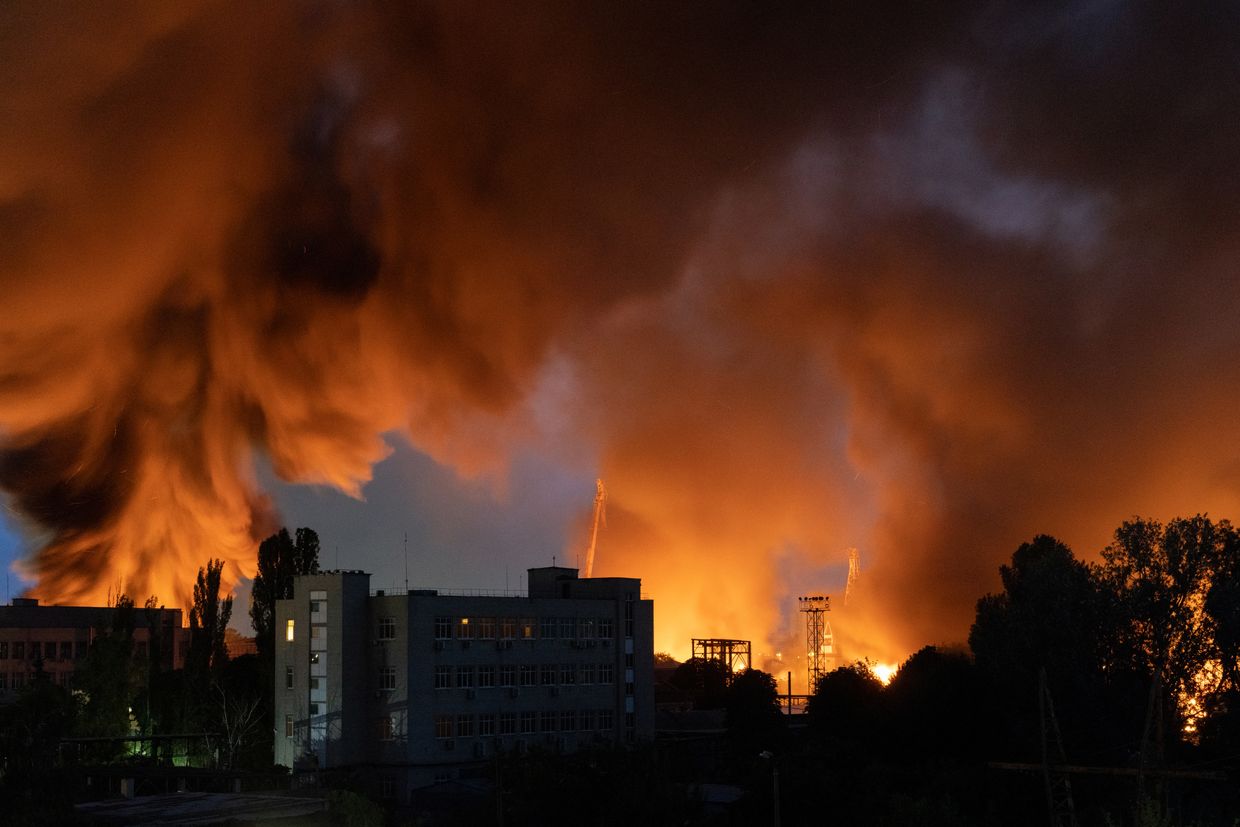
The SBU source said the agency's long-range drones targeted the Kupol plant in Russia's Udmurt Republic on the morning of July 1. At least two confirmed strikes struck production and storage facilities, starting a fire at the site, according to the source.
The facility produces Tor and Osa air defense systems, as well as Harpy attack drones for the Russian military, and is under international sanctions as part of Russia's defense-industrial complex.
"With surgical precision, the SBU continues to carry out strikes against Russia's military-industrial enterprises contributing to the war effort against Ukraine," the source said.
"Each such operation weakens (Russia's) offensive potential, disrupts weapons production chains, and proves that no part of Russia is a safe zone for its military infrastructure."
Residents of Izhevsk reported explosions early on July 1, while local authorities confirmed a drone strike on a facility in the city. Alexander Brechalov, head of Russia's Udmurt Republic, said emergency services had responded to the attack and that further information would be provided as it became available.
One of the facilities in Izhevsk was targeted by Ukrainian drones — local authorities
“All emergency services have arrived at the scene. I’ll share more details as they come in,” wrote Udmurt Republic head Alexander Brechalov on his Telegram channel.
Brechalov later reported casualties, citing deaths and serious injuries, but did not provide specific figures.
Russia's aviation agency temporarily suspended flights in and out of the city's airport following the incident.
Russian Telegram channels reported that no air raid siren was sounded before the drone attack on the Kupol plant. According to Astra, Izhevsk residents also could not access warnings via Telegram due to mobile internet outages, which locals say have persisted for nearly two weeks.
The city was previously targeted on Nov. 17, 2024, when a drone strike damaged a factory known for producing air defense systems, including Tor missile systems and radar components used by the Russian military. That strike marked the first known Ukrainian drone attack on the region during the full-scale war.
Russia's Defense Ministry said its air defenses shot down 60 Ukrainian drones overnight across several regions, including 17 over occupied Crimea, 16 over the Rostov Oblast, and 11 over the Sea of Azov. Others were reportedly downed over the Kursk, Saratov, Belgorod, Voronezh, and Oryol oblasts, as well as the Black Sea.
In occupied Crimea, local Telegram channels reported explosions near the town of Kurortne on the Kerch Peninsula, where Russian S-300/S-400 surface-to-air missile systems and radar stations are allegedly located. A monitoring group cited NASA satellite data showing a large fire in the area overnight, though there was no official confirmation of any damage to the air defense assets.
Local residents reported explosions between 0:20 a.m. and 0:50 a.m. in the cities of Kerch and Feodosia.
The Kyiv Independent could not independently verify the claims.

 Connexion
 The Kyiv IndependentOleg Sukhov