❌

Vue normale

Russia is funneling the Ukrainian children it abducts into military camps and conscription. Ukrainian lawyer says world can legally call this genocide—but lacks the will
9 octobre 2026 à 20:13

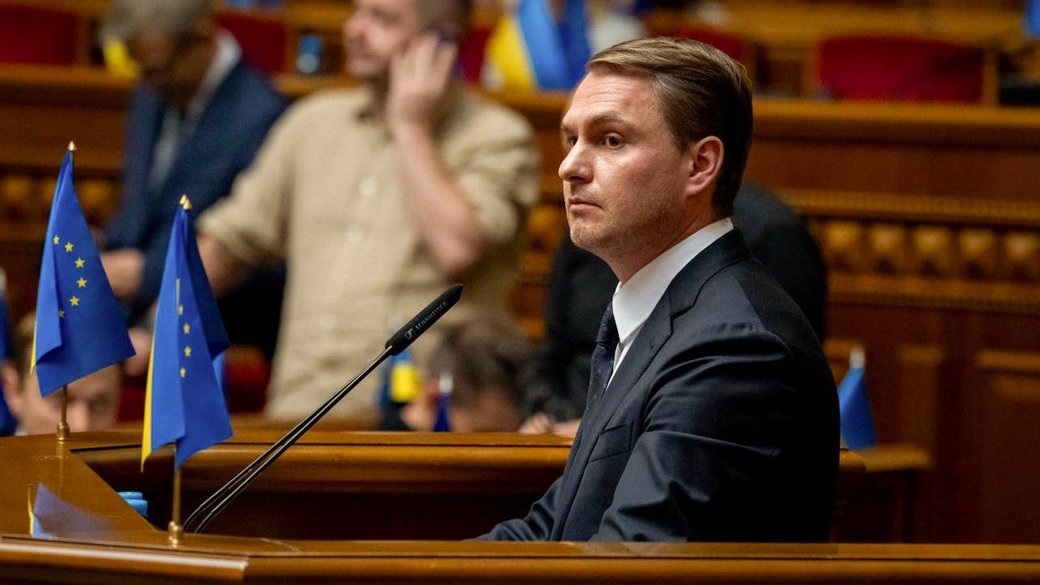
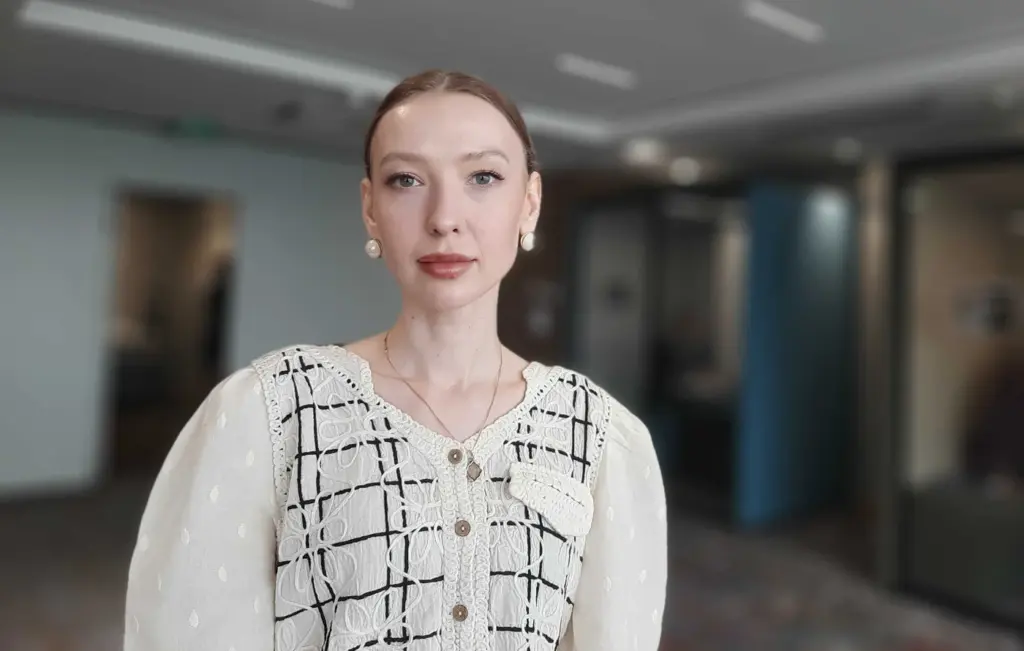
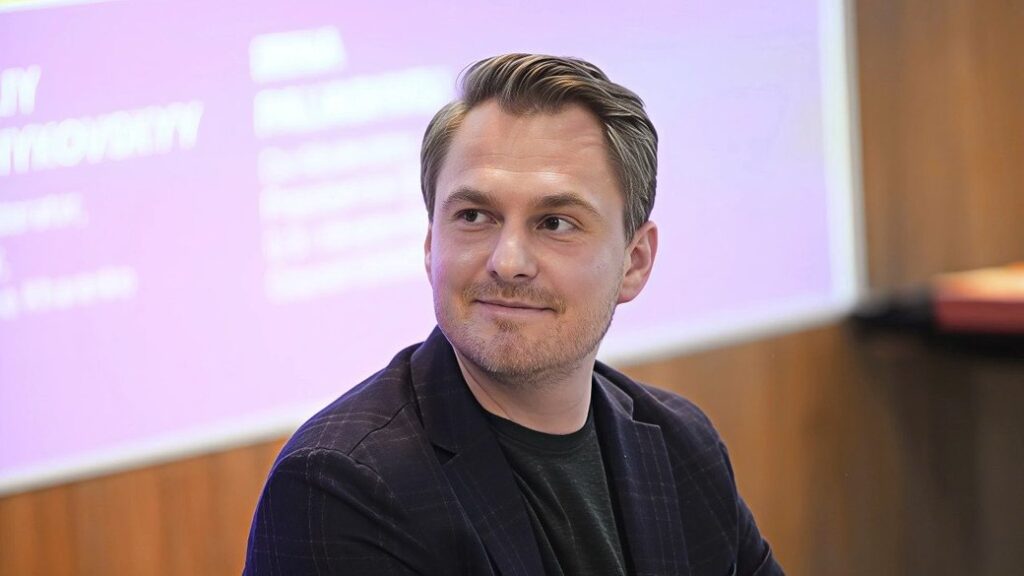
Kateryna Rashevska, legal expert at the Regional Center for Human Rights. Photo: Alya Shandra/Euromaidan Press

Kateryna Rashevska can trace exactly how one Ukrainian child disappears into Russia: the occupied-territory orphanage, the foster placement with a Kremlin-connected family, the re-education camp, the military uniform, the draft notice that arrives at sixteen. A legal expert at Ukraine's Regional Center for Human Rights, she has filed submissions to the International Criminal Court, documented the cases behind recent EU sanctions, and spent years building the argument that this is not only a war crime but genocide.

The law, she says, is ready. In less than five years of war, Russia has forcibly transferred at least 20,651 Ukrainian children from occupied Ukraine, a crime that has already put President Vladimir Putin and his children's-rights commissioner Maria Lvova-Belova in the dock of the ICC. The 1948 Genocide Convention lists the forcible transfer of children as one of the acts that constitute genocide, and the ICC's Ukraine investigation has been mandated to examine the charge since 2022. More than 150 states have signed that convention. None has been willing to say the word about Russia.

"We don't need to change any legal framework," Rashevska says. "We simply still lack the political will to call the crimes by their proper names." She presses the point because, for her, justice is not an afterthought but a deterrent: "Without justice, Russia will feel this resentment in several years, and they will repeat their actions."

And the court that could deliver that justice is collapsing. The ICC is in the deepest crisis of its existence: its prosecutor, Karim Khan, removed, 13 of its judges and prosecutors sanctioned by the United States, and on 9 October 2026 the court itself sanctioned by Washington for the first time, with Secretary of State Marco Rubio vowing to dismantle it "brick by brick." The court called the move unprecedented and warned that "history will judge this moment."

Meanwhile the children remain. Of the more than 20,000 taken, only 2,665 have been returned, as of 7 October 2026. The rest are placed in Russia's adoption system and foster homes, taught to forget they are Ukrainian, to love Russia, and to be willing to die for it: Rashevska cites 344,000 Ukrainian children drawn into the Movement of the First and 55,000 into the Yunarmiya youth army.

Euromaidan Press spoke with Rashevska on the sidelines of GLOBSEC 2026 in Prague about the machine Russia built to steal a generation, and why the world still won't name it.


Alya: You say that Russia’s forcible transfer of Ukrainian children is the crime of genocide. In international law, genocide is defined by Article 6 of the Rome Statute. What would it take to change this legal framework to include the deportation and militarization of Ukrainian children? And is the Office of the Prosecutor in any position to do that work under current US sanctions and Karim Khan’s leave?

Kateryna: We don’t need to change any legal frameworks to prosecute what the Russians are doing with Ukrainian children. Militarization and political indoctrination, as well as Russification of young Ukrainians, is a part of Russia’s bigger strategy to destroy Ukraine as a sovereign state and to subjugate everything in the Ukrainian nation to the Russian influence and control. I don’t see legal problems; we simply still lack the political will to call the crimes by their proper names.

The UN’s 1948 Genocide Convention posits that all states that signed the convention, 154 as of today, should act to stop it—not only those affected by genocide. If the international community recognized what the Russians are doing as a crime of genocide, it would mean that yet another time in history the international community was not able to prevent genocide, to recognize some early warnings, to react properly to what the Russians did, for example, in occupied Crimea or Donbas before 2022. It is not easy, and the international community and world political leaders should be mature enough to face all these challenges, recognize that they were involved in the commission of these crimes through silence and inaction, and finally stop it.

So that is why, according to the Rome Statute, the Office of the Prosecutor can start an investigation of the crime of genocide in the Ukrainian context. It is possible: the ICC’s Ukraine-situation investigation in March 2022, supported by 43 states, included not only war crimes and crimes against humanity, but also the crime of genocide. So we have all the legal tools and means, but politically it is very difficult.

Recently, there has been a global shift towards this—in the context of the war between Arabian states and Israel, not Ukraine. But for example, Israel’s attacks against Gaza’s education have already been termed "scholasticide," so as a part of the genocidal intent, as a part of the crime of genocide. So for us lawyers and human rights defenders, this is the task—to push the international community to do the same with Russia. It is not easy because Russia is one of the five "world policemen" expected to maintain this international legal order.

I believe that, perhaps in decades, but we will see how Russia’s actions will be recognized as the crime of genocide. The forcible transfer of children from one group to another group is the fifth universally recognized element of the crime of genocide.

Kateryna Rashevska, legal expert at the Regional Center for Human Rights. Photo: Alya Shandra/Euromaidan Press

Alya: Your organization was involved in documenting this. How does this pipeline actually work?

Kateryna: Yes, let's take Olga Druzhinina, who fostered four children from the occupied territories of Ukraine. Her story is very interesting: first, it seemed that she could be just an ordinary Russian brainwashed by TV shows about children from Donbas. But then we found that Olga is very close to [former Russian President] Medvedev, and through Medvedev to President Putin. Olga is the head of one non-governmental organization, "Semia Arktiki" [Family of the Arctic], and this organization aims to find foster parents for orphans— now including orphans from occupied territories of Ukraine. The co-head of this organization also fostered Ukrainian children.

It is a very well-built, pre-planned architecture of people involved in the commission of this crime—not some sporadic reaction to the full-scale invasion. They planned to do it. And I will not be surprised if, in the future, we find that these families also adopted children from Crimea or from Donbas even before 2022.

Her husband is a veteran of the Russian Armed Forces. He participated in many wars of the Russian regime, including the wars in Chechnya. It was clearly against the child's best interest to be sent to the family of this Russian serviceman and his wife. So their case was widely publicized. We recorded many different details. Later, we found photos of these children in the "Warrior Center" camp in Novosibirsk, and her foster daughter from occupied Ukraine wearing a St.George’s [Russian imperial] ribbon and in military uniform.

So the Ukrainian identity of these children was completely eradicated. It was prohibited to mention that they were Ukrainians, and the main goal of this family was to repress their unloyalty to the Russian state, to re-educate them, mold them into Russian patriots. Unfortunately, I don’t know the fate of these teenagers from Mariupol, but as far as I know, they were not returned to Ukraine. And now they are already young adults—meaning they will soon be conscripted into the Russian army. They have this military duty because they were forcibly given Russian citizenship. And young children also remain under the control of Olga and his husband.

Olga and her husband are members of the so-called "Putin Team." They were recognized many times as the best family of the Yamalo-Nenets region. The governor of Yamal-Nenets is also Putin's person. His candidacy was supported by Putin for re-election to this position. And this governor has many times mentioned that Ukrainian children from the occupied territories of Ukraine were accepted by foster families from his region, even without the proper documents.
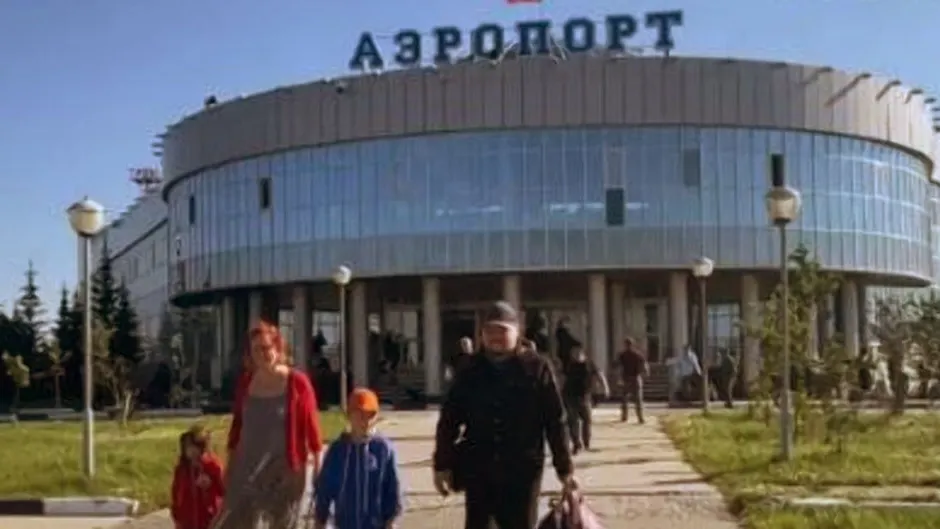
Olga Druzhinina and her husband at Salekhard airport with two children brought from occupied Donetsk Oblast, July 2022. Screenshot: Yamal-Media via Sever-Press

It is very difficult to influence their behavior without sanctions. In this sphere of foster care, the balance between placing children in Russian institutions and Russian families is hard to find. Russia presents only two options for the forcibly transferred Ukrainian children: Russian boarding institutions or Russian foster families. And of course, ordinary people think: a family is better than a boarding institution. The truth is that there is a third option: just return these children to Ukraine, to their homes.

And I would like to highlight that, according to the order of Ukrainian President Zelenskyy, these children from institutions will not be returned to boarding institutions in Ukraine. They will inevitably be placed with a foster family, and they can participate in choosing this family or changing it. Ukraine is doing its best to guarantee that its actions comply with the Convention on the Rights of the Child, but unfortunately, Russians are very hard to persuade to return these orphanage children.

Alya: On 11 May 2026, the EU Council sanctioned 16 individuals and seven entities for the systematic unlawful deportation, forced transfer, and forced assimilation of Ukrainian children, including through indoctrination and militarized education. Your organization pushed for these sanctions. Are they working?

Kateryna: In January–February 2026, we criticized the European Union’s sanctions policy. New persons were being added to lists, but we found that the level of coordination and harmonization of sanctions policies was only 5%. Only 13 individuals and three organizations were under sanctions in all jurisdictions analyzed by us: Ukraine, the United Kingdom, Canada, the United States, the European Union, Switzerland, and Japan. It was terrifying because sanctions exist, yet they are riddled by many loopholes and are actually inefficient.

That is why we started persuading them to do something with this system. And on 11 May, Canada, the United Kingdom, and the European Union synchronized their sanctions packages: the people are included in all jurisdictions. For us, this is a big achievement.
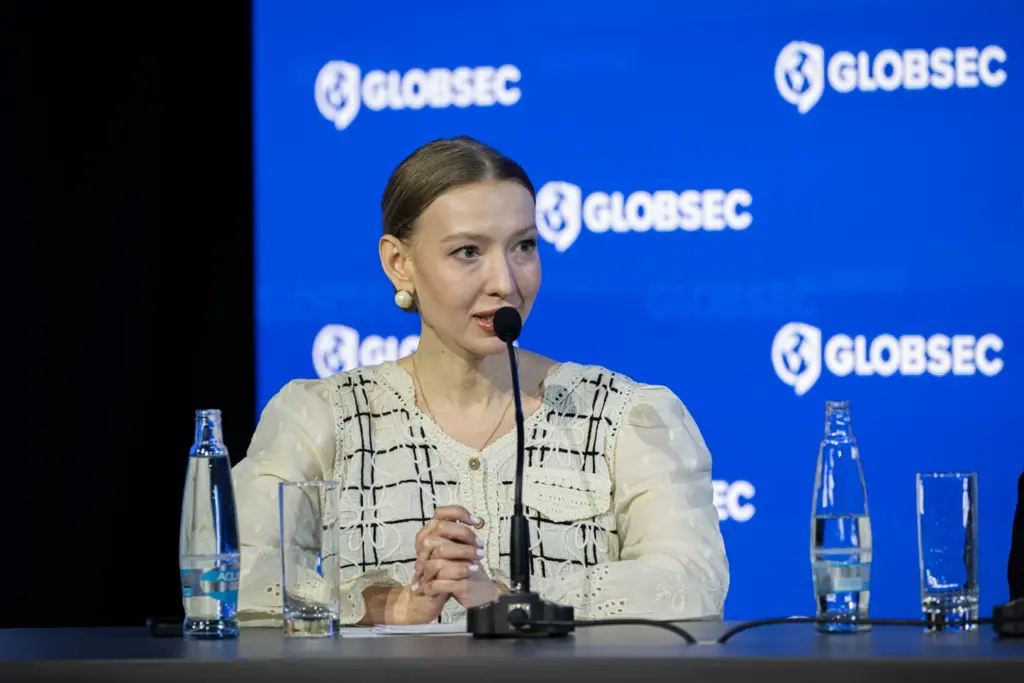
Kateryna Rashevska, legal expert at the Regional Center for Human Rights. Photo: GLOBSEC

Another achievement: a shift in their perception of where this vertical of guilty persons ends. Putin and Maria Lvova-Belova—okay; ministers, children's rights ombudspersons at the regional level, heads of the occupation authorities—okay. But what about the "ordinary" Russian people who fostered poor Ukrainian children and now contribute to their militarization? The 11 May sanctions saw the United Kingdom and Canada listing ordinary Russians, like the family from Yamalo-Nenets that fostered four Ukrainian children, including teenagers from Mariupol, and then sent them to re-education camps of the "Center Warrior" to be militarized as Russian soldiers.

If these results of our work seem small, we must remember that for the Russians, it is a very sensitive issue. They are mad because of the sanctions—and this was visible when the “Yolochka” boarding institution in occupied Crimea’s Simferopol, called a “concentration camp” by ordinary Russians, was sanctioned. Already in December 2014 [after Russia’s occupation of east Ukraine], the first Ukrainian orphans were sent to Russian foster families from this “Yolochka.” 12 years later, children from Kherson boarding institutions also went through “Yolochka.”

Alya: You've documented over 20,500 deported children. How many of that cohort are approaching Russian conscription age?

Kateryna: It is hard to tell because the way the Ukrainian side is collecting statistics is not good enough. So you should address this question to the competent bodies of Ukraine.

But according to our calculations, just to describe the situation in general: all Ukrainian teenagers under Russian control start receiving draft notices at the age of 16. According to the Russian legislation, it should be at the age of 17, but they're so afraid that these children will escape or will return to Ukrainian-controlled territories, that they start this process in violation of their own legislation.

Everything is organized around schools. They’re not about education under occupation, but have become additional buildings of the military commissariat. Specific teachers are responsible for this conscription process. Boys aged 16-17 are being brought to the military commissariat in organized groups. You cannot escape, you cannot refuse, because you will hear “knock-knock” on your door: the occupation authorities and your teacher will ask: “Where are you? You should go.”

Another problem: Russia and Belarus started exchanging data, meaning that if this child receives a draft notice at the age of 18, he will not be able to cross the border—which matters because the checkpoint of Mokrany-Domanove between Belarus and Ukraine is the main point of returning Ukrainian children from Russian control. Every year, the Russians amend their legislation to impose more obstacles to the repatriation process.

So the only way for a Ukrainian teenage boy to escape is to do this several days before a "povestka" [draft notice] comes to his house at 16 years.

Kateryna Rashevska, legal expert at the Regional Center for Human Rights. Photo: Alya Shandra/Euromaidan Press

According to our intelligence, since 2014, 48,000 Ukrainians from occupied territories were forcibly mobilized by Russians, including those from occupied Crimea. Some of them participated in the "special military operation.” Around 20% of all prisoners of war in Ukrainian camps for Russians are originally Ukrainians who were forced to sign a military contract. Many of them were forced, manipulated, or brainwashed, so it was not done of their own will.

But I would like to highlight that the average age of a Russian soldier is 35. This is not the war of young Ukrainians who reached the age of majority and were sent to the battlefield as cannon fodder. We see that the Russians’ main goal is to rebuild the army degraded by the Ukrainian side during the first month of the full-scale invasion, to have officers and other qualified personnel who will develop a strategy and conquer more and more territory. That is why they're investing in all these military patriotic movements and centers.

That is why I was really impressed when I saw that their All-Russian championship on drone racing will be for children aged seven. Should we next expect that children in kindergartens will assemble and disassemble a rifle? Their society is very militarized. This is the biggest problem. And now, Russian soldiers are those who are teaching Ukrainian children to fight tomorrow.

Alya: Thank you so much, Kateryna, for your time.
  • ✇Euromaidan Press
  • Ukraine’s chief prosecutor fled. Politicians still choose the man who can prosecute them.
    At 2:30 in the morning of 14 September, one week after he first claimed his innocence and then resigned, Ukraine's prosecutor general Ruslan Kravchenko crossed the border and left the country. Hours before he went, he used his office to sign a criminal suspicion against the chief of the anti-corruption bureau investigating him. His wife had crossed a day earlier. Such was the unglorious fate of President Zelenskyy's man, the prosecutor general who in July 2025 nearly leashed Ukraine's i
     

Ukraine’s chief prosecutor fled. Politicians still choose the man who can prosecute them.

22 septembre 2026 à 19:26

Ruslan Kravchenko, former Prosecutor General of Ukraine. Facebook

At 2:30 in the morning of 14 September, one week after he first claimed his innocence and then resigned, Ukraine's prosecutor general Ruslan Kravchenko crossed the border and left the country. Hours before he went, he used his office to sign a criminal suspicion against the chief of the anti-corruption bureau investigating him. His wife had crossed a day earlier.

Such was the unglorious fate of President Zelenskyy's man, the prosecutor general who in July 2025 nearly leashed Ukraine's independent anti-corruption agencies. Saved by mass street protests, the anti-graft institutions built after the Euromaidan revolution rebounded, and went first after President Zelenskyy's friend Tymur Mindich, then after his right hand Andriy Yermak.

And now they had reached the prosecutor general himself: in Ukraine, the one official who can veto any anti-corruption case against a member of parliament.

"For the first time in Ukraine, after a suspicion was announced, it was the prosecutor who fled abroad, not the suspect," anti-corruption campaigner Daria Kaleniuk wrote as it happened.

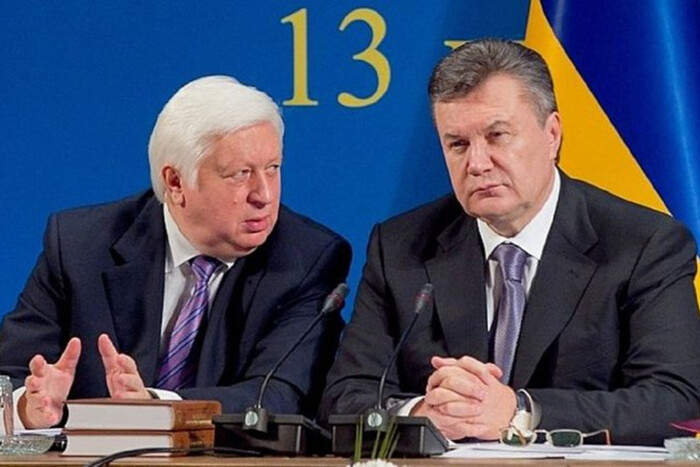
Victor Pshonka Yanukovych
Victor Pshonka, the prosecutor general who helped Yanukovych consolidate authoritarian power (left) and ex-President Viktor Yanukovych. Photo from open sources

Things are, of course, far better than in 2014, when then Prosecutor General Pshonka criminalized the Euromaidan revolution and pursued the political rivals of then President Yanukovych, before both fled to Russia. Papers later found in Pshonka's abandoned mansion, published by Ukrainska Pravda, showed his office drawing up plans to arrest MPs and open thousands of criminal cases against Maidan activists, using prosecution, in the office's own notes, as a political instrument.

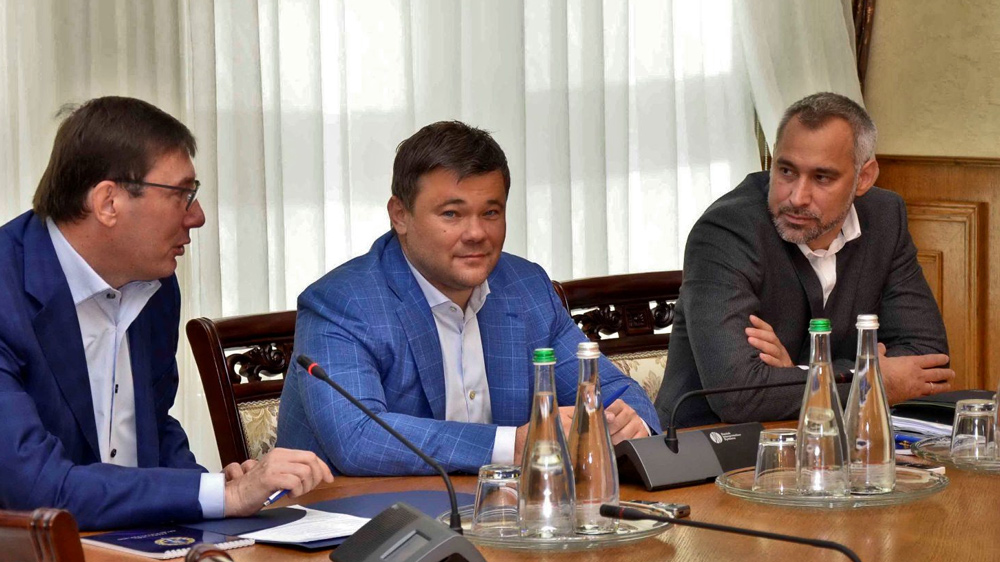
But things are still not as good as in 2019, the one time the office worked the other way. That year Ukraine's new chief prosecutor, Ruslan Riaboshapka, named fresh suspects in the PrivatBank case, which ran into Ihor Kolomoisky, the oligarch whose television channel had helped put Zelenskyy in office. He also refused to sign charges against Zelenskyy's political opponent Petro Poroshenko, calling them groundless.

Ukraine launches large-scale reform for its post-Soviet prosecutor's offices system
Head of president's office Andriy Bohdan (C) presents Ruslan Riaiboshapka (R) as a new Prosecutor General together with previous PG Yuriy Lutsenko. Kyiv, 30 August 2019. Photo: gp.gov.ua

Signature-gathering for Riaboshapka's dismissal began the next day. Parliament removed him in March 2020, and his successor rolled back the reforms he had tried to launch. David Arakhamia, the head of Zelenskyy's parliamentary faction, later named the refusal to charge Poroshenko as the last drop.

It keeps repeating. The official whose job is to hold the powerful to account ends up serving them instead.

Of the prosecutors general who followed Riaboshapka, two left under a cloud.

Andriy Kostin resigned in 2024 after investigators exposed a nationwide market in fake disability certificates used to dodge mobilization, a scheme that reached prosecutors inside his own service. And now Kravchenko, whom Ukraine's anti-corruption agencies had begun investigating over the alleged protection of an international network of fraudulent call centers.

2023: Ukrainian Prosecutor General Andrii Kostin during a meeting with Ukrainian representatives of law enforcement agencies in Kherson Oblast.

It keeps repeating. The official whose job is to hold the powerful to account ends up serving them instead. The problem is structural, and so is the fix: the same mechanism behind Ukraine's working post-Euromaidan reforms. A bill to have independent experts vet candidates for the Prosecutor General exists; it has sat in parliament since June, untouched.

Whether Zelenskyy's Servant of the People party, which holds the Rada majority, will let it move is unclear. What hangs on the answer is whether Ukraine finishes becoming a state of law, or stays a state of protection.

Unlimited power, total political control

Iryna Korzhenkova
Iryna Korzhenkova, parliamentary analyst at Chesno

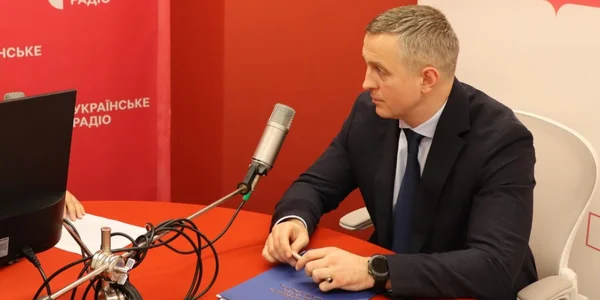
For the office meant to guarantee that everyone, including those in power, is equal before the law, real powers are necessary. The problem in Ukraine, said Iryna Korzhenkova, a parliamentary analyst at the Chesno movement for political transparency, is that those powers come bundled with total political control.

The president appoints the prosecutor general with the Rada's consent, under a procedure that provides neither transparent selection nor any assessment of competence. He can be dismissed by a simple 226-vote majority. No prosecutor general has served a full term, and the average tenure is under two years.

"The position that is supposed to keep politicians in check works as their insurance policy instead," Korzhenkova told Euromaidan Press.

Capturing the office is a tempting political prize. Under Article 482-2 of the Criminal Procedure Code, only the prosecutor general can register a criminal case against a sitting MP, and only he can approve a search, a wiretap, or a detention against one.

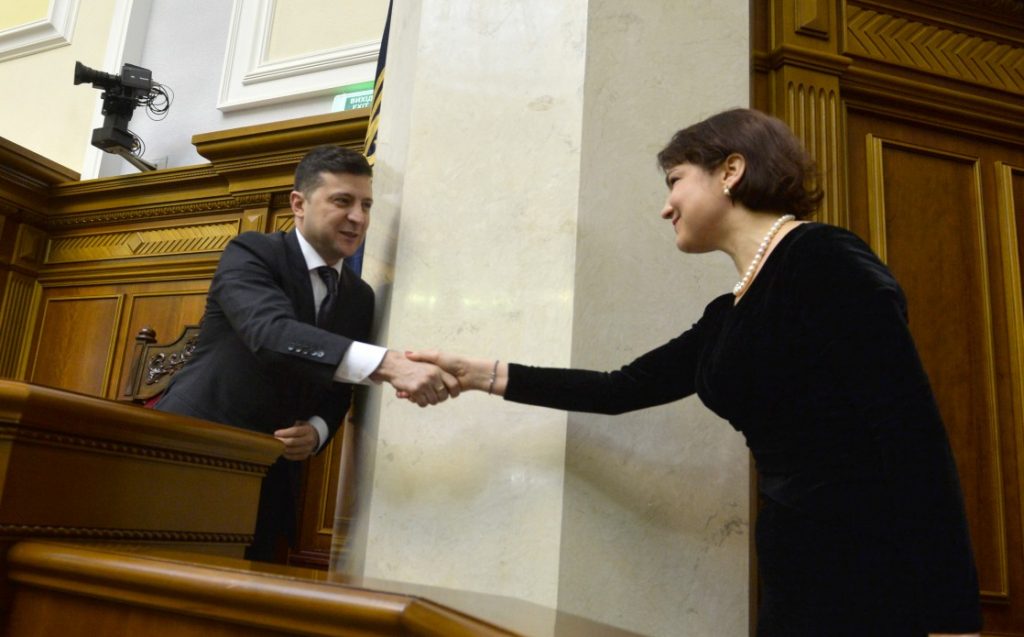
Since MPs lost their formal immunity in 2020, in the same reform that handed the prosecutor general sole power to open cases against them, this has become a kind of modified immunity: one politically appointed person can decline to open a case, and no court can challenge the refusal. This was the case in 2020, when then Prosecutor General Iryna Venediktova rejected a draft suspicion against an MP handed to her by NABU, reversing only under public pressure.

President Zelenskyy shakes hands with Iryna Venediktova, newly appointed Prosecutor General. Photo: president.gov.ua
March 2020: President Zelenskyy shakes hands with Iryna Venediktova, newly appointed Prosecutor General. Photo: president.gov.ua

So valuable is the office that in 2016 parliament stripped out the need for a law degree altogether, to fit the president's man, Poroshenko ally Yuriy Lutsenko; the press called it "the personal law of Lutsenko."

His appointment came as the old guard crushed a reform born on the wings of Euromaidan: a team of reformist prosecutors who had just exposed the "diamond prosecutors," senior officials caught with bags of cash and gems linked to the sitting prosecutor general, was purged, and the case died.

Explore further

How Ukraine’s old guard killed the prosecution reform

A demand the EU has made since 2014

Depoliticizing this chair has been an EU condition for Ukraine's membership path since 2014, and a live one since negotiations on the Fundamentals cluster, the first stage of accession talks and the one covering rule of law, opened in June.

This is why the day that Kravchenko fled, the EU issued a reminder that Ukraine promised to reform the Prosecutor General's Office and introduce a contest for the chair.

"The prosecutor general is the gateway to the criminal justice system for everyone in power," Korzhenkova explained.

Today, that gateway is held by the political majority: appointed by Zelenskyy, dismissable by his Servant of the People party, which controls parliament. Any case against that majority has to pass a filter the majority appoints.

EU summit Ukraine cyprus zelenskyy
Ukrainian President Volodymyr Zelenskyy, European Commission President Ursula von der Leyen, and European Council President António Costa meet during the informal EU summit in Cyprus, 23 April 2026. Credit: President.gov.ua

The EU's interest in prying the office loose is twofold, she said.

  1. Brussels sends Ukraine money and must be sure that money stolen gets prosecuted;
  2. and it has watched the reform reverse in Poland and Bulgaria, which is why it now wants the guarantees written in before the fact.

The internal price is steeper still: war raises the cost of a dependent prosecution, with defense procurement, mobilization, and aid flows all resting on it.

Europe's own standard, set out by the Council of Europe in its 2014 charter on prosecutors, prescribes no single model. Governments may have a hand in choosing the prosecutor general, so long as the method earns public confidence and the term is stable enough to make the office "independent of political changes."

On dismissal it is blunter: protection from "arbitrary or politically motivated dismissal" is "particularly relevant" for prosecutors general, and the law "should clearly define the conditions of their pre-term dismissal."

Ukraine fails at both ends, and, as Korzhenkova puts it, no version that leaves the president's discretion untouched can meet that standard.

The international expert lifehack

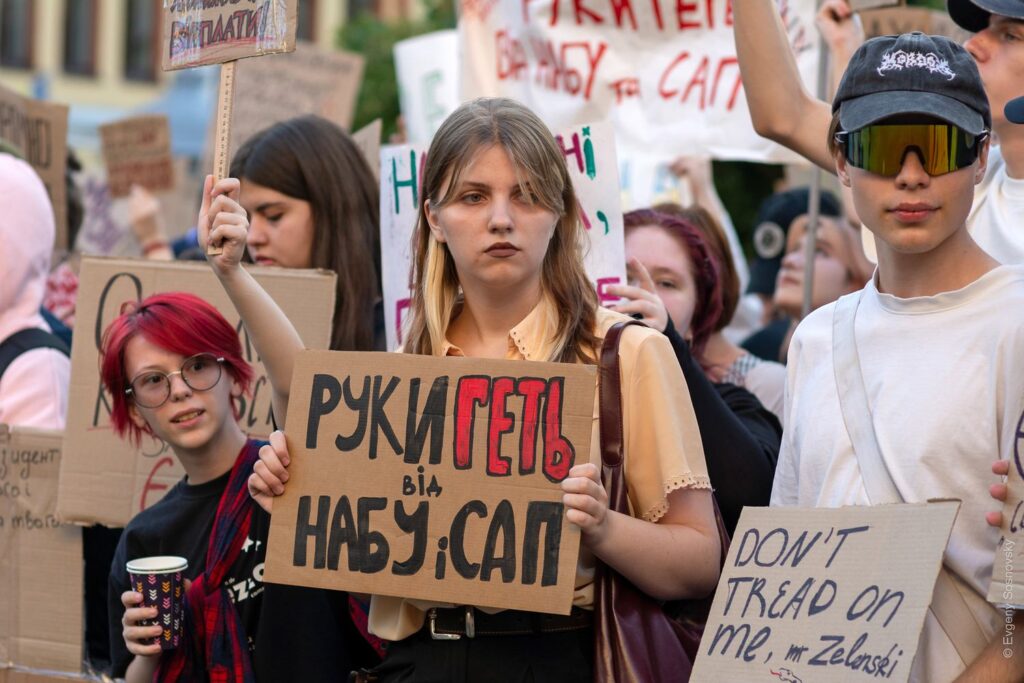
Ukraine protests against corruption NABU SAPO Zelenskyy Kyiv
"Hands off NABU and SAPO," says a cardboard poster of a young woman at protests against a law to curb the independence of Ukraine's anti-corruption agencies in Kyiv, late July 2025. Photo: Evgeny Sosnovsky

But how do you clean an office when cronyism runs through the class that appoints it? Ukraine has a partial answer, from the part of its post-Euromaidan reforms that worked.

The directors of the National Anti-Corruption Bureau (NABU), Special Anti-Corruption Prosecutor's Office (SAPO), and the National Agency on Corruption Prevention are chosen through open competitions in which a panel of independent experts, foreign ones among them with a decisive vote, can veto compromised candidates.

The Ukrainian half of a commission can be captured. The foreigners with a decisive vote are the part no Ukrainian official can phone up and instruct.

The success of those agencies, now breaking up the very rings of cronyism they were built to reach, is why the Venice Commission and Ukraine's Western partners have consistently defended the model.

In a 2021 joint statement, the EU, US, and partner embassies called the international experts' role "temporary but crucial," aimed at resisting "the influence of vested interests." When Zelenskyy's team moved to strip NABU and SAPO of their independence in July 2025, the G7 ambassadors publicly welcomed the reversal that restored it.

Those independently selected agencies produced Operation Midas, the case that reached Mindich and forced out Yermak, and, weeks later, Operation Forrest Gump.

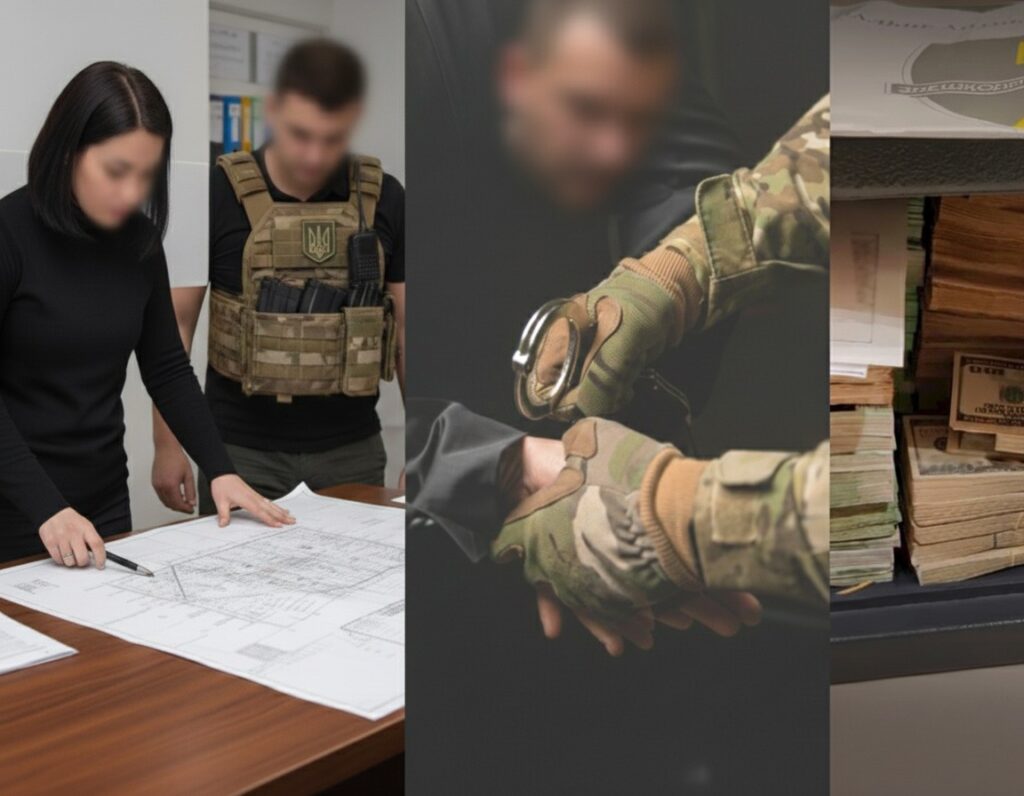
Composite image showing NABU anti-corruption operation: investigators reviewing documents at table, tactical officer conducting search, and stacks of seized currency bills from November 2025 raids into alleged $100 million kickback scheme at Energoatom nuclear operator
Composite image depicting NABU investigators examining documents, conducting searches, and seizing cash during raids targeting corruption schemes during Operation Midas. November 2025.

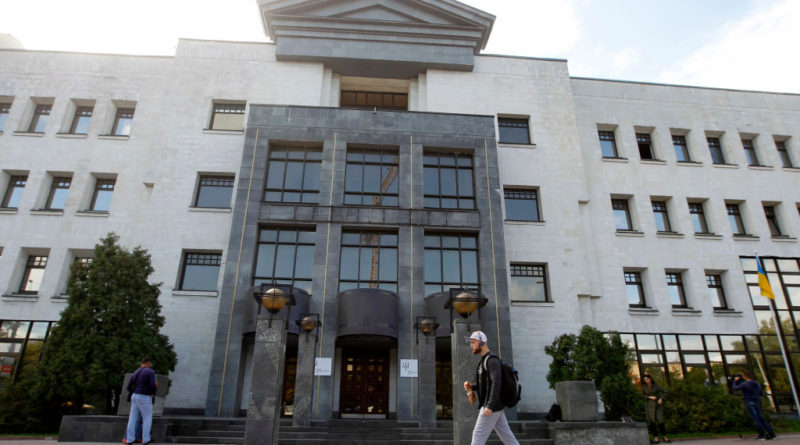
The High Anti-Corruption Court (HACC), created in 2018 through the same kind of expert council, reaches officials the courts never could: it convicted the highest-ranking judge in the country, Vsevolod Kniaziev, over part of a $2.7 million bribe. Before it existed, all of Ukraine's general courts together had delivered roughly 40 verdicts in NABU and SAPO cases; in seven years the specialized court has delivered 431, against 601 people, and for the first time a sitting MP drew a real prison term.

The High Anti-Corruption Court of Ukraine
Explore further

Ukraine’s Anti-Corruption Court is breaking the cycle of impunity

The foreign vote is not a hypothetical safeguard. At an August hearing for Olha Stefanishyna, the former deputy prime minister for European integration, a SAPO prosecutor read out messages in which, they say, she steered the very commissions that select Ukraine's watchdog agencies. To the head of the 2022 panel choosing the NABU director: "Do what you want, I need numbers 60 and 62 from the list. Postpone the sessions, I shouldn't have to think for you." Her influence reached three commissions at once.

ukraine anti-corruption
In 2015, the National Anti-Corruption Bureau and the Specialized Anti-Corruption Prosecutor’s Office were established in Ukraine to fight the top-level corruption. In 2019, the High Anti-Corruption Court completed the chain. The NABU agents are in the photo. Photo: nabu.gov.ua

She calls the case a storm in a teacup, and the charges are unproven. But it is the reformers' own argument: the Ukrainian half of a commission can be captured. The foreigners with a decisive vote are the part no Ukrainian official can phone up and instruct.

The model is no panacea, Korzhenkova warns:

"The international experts are not the motor of reform. They are a circuit breaker. They can keep out the worse candidate. They cannot make those in power want to do better."

The anti-corruption court convicts, but whether the guilty serve time is another matter. Of its 398 convictions in seven years, more than half were settled by plea bargain, others ended in fines or suspended sentences, and a stack of cases had simply run out the clock before any verdict. As of the last public tally, in spring 2026, only about 80 of the convicted had actually drawn real jail time.

For years, the court sat short of judges, which Ekonomichna Pravda read as quietly convenient for those in power: an understaffed court slows cases and lets them lapse without the visible fight of dismantling it. Most of the vacancies were only filled in August 2026, when the EU tied the appointments to money Ukraine needed.

What the bill would do, and the perennial objection

Ukraine's Prosecutor General Ruslan Kravchenko has resigned. Photo: Facebook
Ukraine's former Prosecutor General Ruslan Kravchenko. Photo: his facebook

Full depoliticization would mean amending the constitution, which martial law rules out, and the EU mandates no specific route. So the reformers' instrument is an ordinary law, bill 15343.

It adds a filter to the current system: the president would pick not freely, as now, but from candidates pre-selected by an open competition run by a six-member commission, three of them vetted by Ukraine's international partners. Four votes choose a candidate, two of them the internationals'.

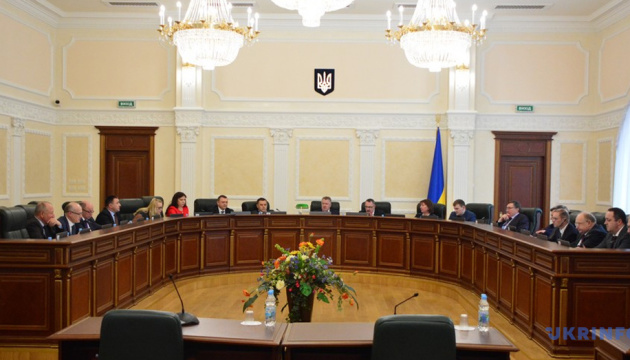
And it moves the power to discipline and dismiss a sitting prosecutor general to the High Council of Justice, the body that governs Ukraine's judges, itself reformed in 2021 through the same international-expert vetting, and the one disciplinary body not under the prosecutor general's own control.

If the mechanism works, and Ukraine has used it for its anti-corruption prosecution, bureau, and court, the obvious question is why the prosecutor general was left out.

The answer is not constitutional, though a constitutional objection has been raised. A legal analysis on the site Sud.ua argued the model has no analog in most of the EU and breaks the constitution: the president is reduced to a technical executor of the commission's choice, and the judges' council is handed power over the head of the prosecution, which is not the judiciary. Foreign experts with a veto over a constitutional office, one commentator wrote, are a gift to any populist and to Moscow.

The High Council of Justice, the key body of the judicial government, was considered the main enemy of real reform and was relaunched in 2021. Photo: ukrinform.ua

But this is the argument Ukraine's powerful always reach for when the anti-corruption bodies get close.

In 2020, when NABU accused the judge Pavlo Vovk of running a scheme to seize control of the courts, the same sovereignty-and-separation-of-powers reasoning was deployed to shield him, and EP reported at the time that the prosecutor general's own office was accused of moving to disrupt the case against him. The office meant to prosecute the powerful was protecting them instead, which is the whole reason reformers want it taken out of political hands.

There is no legal reason the reform cannot be done, Korzhenkova says. The same constitutional objections applied to the Constitutional Court and the High Council of Justice, both reformed through international vetting; the filter was added anyway.

"The constitutional argument suddenly appeared only for the prosecutor general," she said.

The real reason for the stall is political: the prosecutor general is the last great lever that decides who gets prosecuted, and the majority that would have to give up control of it is the same majority those prosecutions would reach.

The Rada's own tempo shows it. To save the system from a scandal, it found 317 votes to dismiss Kravchenko in a single day and installed an acting prosecutor general by decree. To limit the system, it has left the bill untouched for three months; in early September the relevant committee declined even to put it on the agenda, and moved only after individual MPs pushed.

At least 50 members of the current parliament, Chesno documents, are themselves under criminal suspicion.

What happens now

Kravchenko's replacement Anton Kovalskyi has worked in prosecution for 15 years. Photo: Khmelnytskyi regional prosecutor's office

The interim answer is Anton Kovalskyi, the Khmelnytskyi Oblast chief prosecutor, appointed acting prosecutor general by decree on 17 September, chosen the old way: hand-picked, from at least four candidates, with no public account of why him.

The Anti-Corruption Action Center laid out the rest in a dossier: property registered to relatives, a wife from Russia whose year-old sole proprietorship reported earnings of over UAH 500,000 ($11k) a month, a deputy whose father-in-law fled to Russia and was convicted in absentia of collaboration.

Asked whether the reform bill would have produced a different result, Korzhenkova declined to guess, and said the guessing is the problem. "I don't know, and neither does anyone else, and that is exactly it."

Under an open competition, his selection would have been vetted by international experts; everyone could have submitted data on the candidates.

The bill would not have guaranteed a good prosecutor general, but it would at least have made the appointed one checkable. This is what the Rada majority is, for now, declining to allow.

The case that finally reached Kravchenko had a name. NABU and SAPO called it Carthage: a scheme, run out of the Prosecutor General's Office itself, to shield a network of fraudulent call centers, with five officials handed suspicions.

Carthage put investigators inside his building, and Carthage he was answering when, on his way out, he turned the office's power to prosecute the man using it against him and signed a suspicion against Semen Kryvonos, the NABU director.

Ukraine's Prosecutor General Ruslan Kravchenko has resigned. Photo: Facebook
Explore further

Ukraine’s prosecutor general resigns as the watchdogs he was appointed to leash close in

Kryvonos says it never reached him; the office itself later conceded that the suspicion was legally void.

Kravchenko's last act as prosecutor general was a business trip he wrote for himself, five days in Paris for a hearing of the PACE parliamentary network, and he left by car on 13 September. He was due back on the 18th. He did not return, and his former office says it does not know whether he has asked for asylum in the EU.

Ukraine has spent a decade building institutions that reach the powerful. The prosecutor general's office is the one it never got to. The man who ran it signed his own exit papers and was across the border by half past two in the morning.

❌