
 Connexion
Osa air defense missile stocks are running low, but Ukraine has developed the RK-19 as a replacement
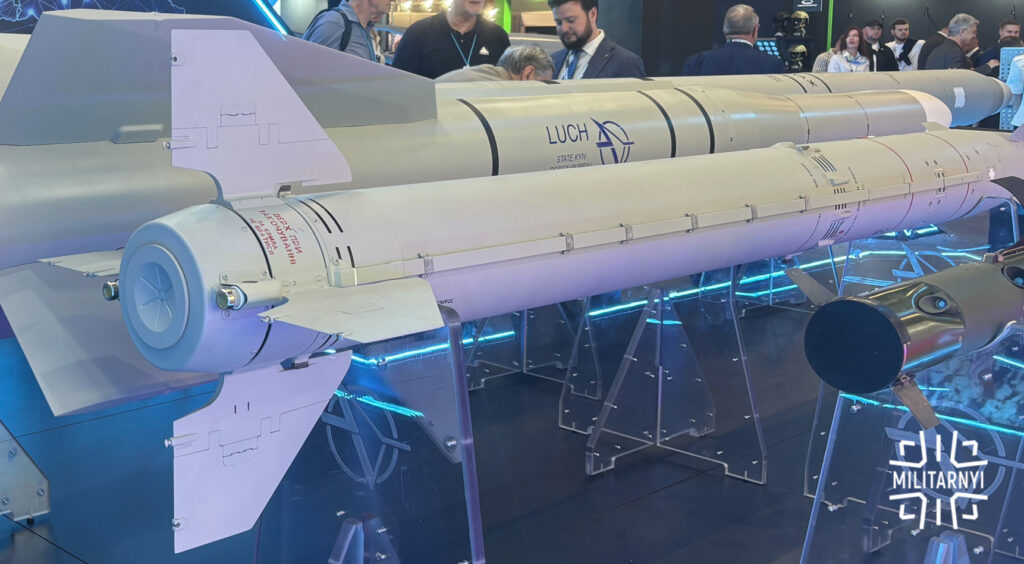
At the MSPO 2026 arms exhibition in Poland, the Luch Design Bureau, part of the state conglomerate Ukroboronprom, presented the RK-19 surface-to-air missile for the Soviet-made Osa air defense systems and disclosed its specifications for the first time, Defense Express reports.
The Osa-AKM forms the backbone of Ukraine's remaining Soviet Osa fleet, and it is the missiles rather than the launchers that are running out, so a Ukrainian-built interceptor lets those launchers keep engaging jet drones and cruise missiles as the Soviet stock runs down.
Its maker's materials describe the RK-19 as designed to intercept subsonic and supersonic targets "at medium range," Defense Express reports. The missile uses radio-command guidance and proximity detonation and carries a 14.3-kg high-explosive fragmentation warhead.
The missile is similar to the original, but slightly faster
On its main specifications, the RK-19 is similar to the standard missile used by the Osa-AKM, although its maximum speed is somewhat higher, Defense Express notes. Both engage targets at ranges of up to 10 km and altitudes of up to 5 km.
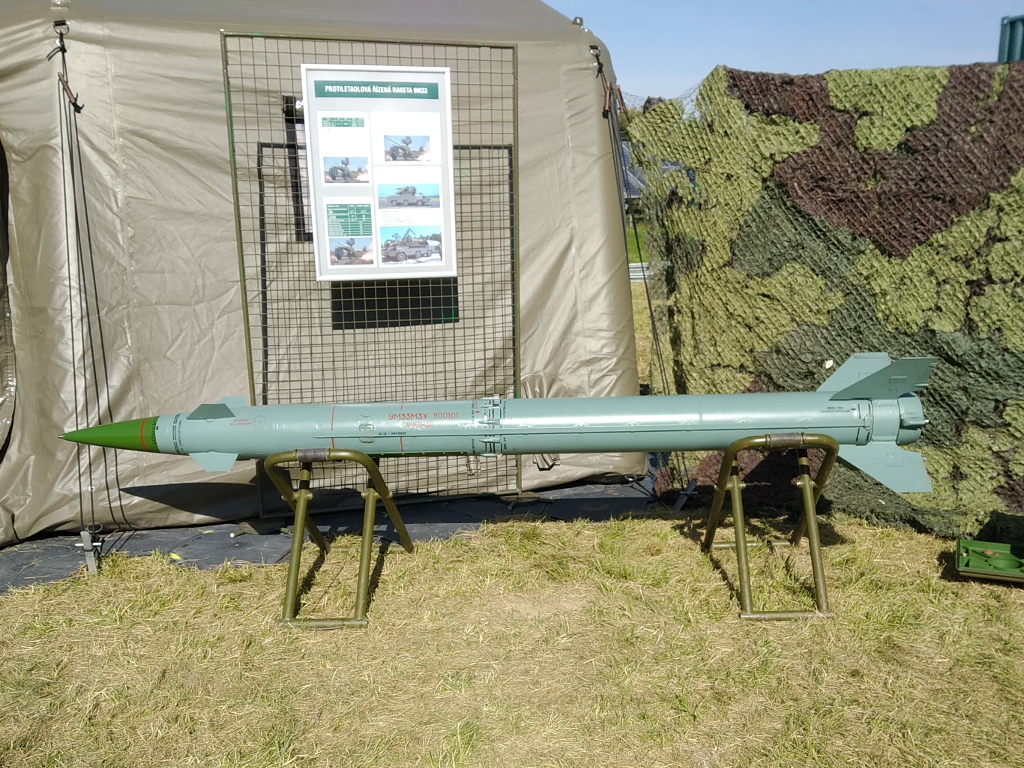
However, their speeds differ: the upgraded missile reaches 600 m/s, while the standard 9M33M3 reaches 500 m/s. Their weights also differ: the transport-launch container with the new missile weighs 163 kg, compared with 157 kg for the standard missile, the outlet reports.
Domestic missile keeps Osa launchers firing at jet drones
The RK-19 will allow the older air defense systems to continue protecting Ukrainian skies and intercepting aerodynamic targets, including jet-powered drones and cruise missiles such as the Banderol, according to Defense Express. The price of the Ukrainian surface-to-air missile for the Osa systems and its production volumes have not yet been disclosed.
The Osa systems were effective through 2022 and into 2023, destroying a significant number of Russian drones and cruise missiles, Militarnyi notes. However, the stock of standard missiles for the Osa systems later began to run out, significantly reducing the intensity of their use, the outlet reports.
With interceptors limited, Ukraine's Armed Forces had to use older missiles for the Osa systems, which had poorer specifications, and integrated short-range air-to-air missiles such as the R-73. That route carried its own drawbacks: reduced range, and reliance on the missile's own seeker, Defense Express reports.
Read Also
-
Romania trailed a Russian agent for seven months—then revealed what he was filming
-
A drone nearly hit Zelenskyy’s plane taking off from Moldova on his way to a king’s funeral, Norway’s PM says
-
Mines and unexploded munitions have harmed 1,688 civilians since Russia’s full-scale invasion, Ukraine says
