❌

Vue normale

45 seconds of voting in the Lviv Oblast Council sparked a new dispute with Poland: Warsaw says Kyiv promised the UPA year decision will not take effect
23 octobre 2026 à 10:05

45 seconds voting lviv oblast council sparked new dispute poland warsaw says kyiv promised upa year decision take effect · post roman shukhevych commander-in-chief ukrainian insurgent army (upa) 1943 1950

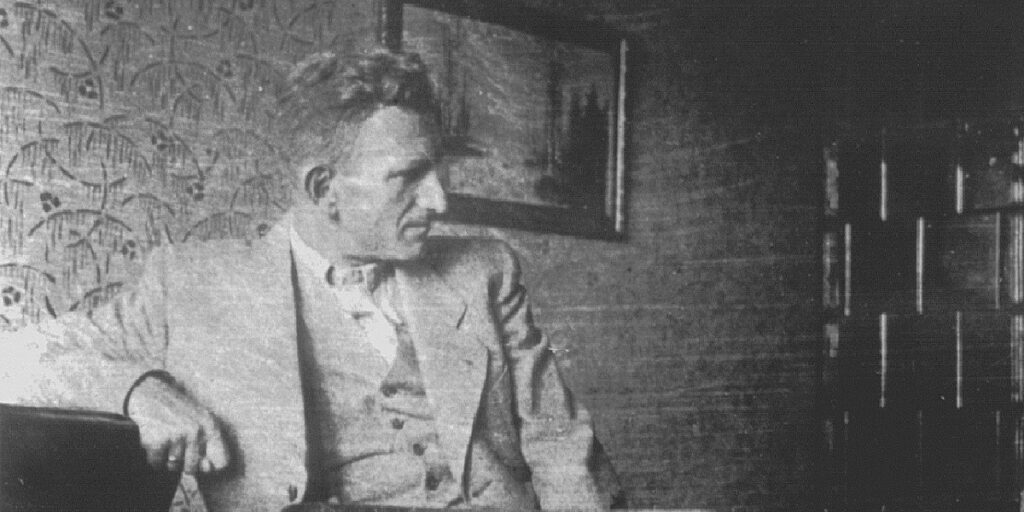
On 20 October, the Lviv Oblast Council voted to declare 2027 the year of the Ukrainian Insurgent Army (UPA), its commander Roman Shukhevych, and Oleh Olzhych, a poet and member of the Organization of Ukrainian Nationalists (OUN). The vote on the UPA and Shukhevych took 45 seconds, Ukrainska Pravda reported, citing the council's online broadcast. It reopened a dispute Kyiv and Warsaw had only just settled. In May, President Volodymyr Zelenskyy gave a special operations unit the honorary name "Heroes of the UPA," and Polish President Karol Nawrocki later stripped him of the Order of the White Eagle in response.

Poland is the main hub for Western aid to Ukraine, and that role rests on Polish trust, which every new fight over the two nations' shared past erodes. Since 2022, Poland has also paid for nearly 30,000 Starlink terminals for Ukraine, Rzeczpospolita reported. The sorest point is the UPA. Poland recognizes the UPA's 1943 Volhynia massacres of Poles as genocide, a classification Ukraine disputes, pointing to the broader Polish-Ukrainian conflict of World War II, in which both sides killed civilians.

A batch vote, then a "catastrophe"

The resolution honoring the UPA commander and his fighters passed with 52 of the 55 deputies who voted, none against. The one on Olzhych passed 49 of 54. A source in the council told Ukrainska Pravda that, after a lunch break and an air raid alert, deputies voted through 30 to 40 minor items one after another without discussion, and the UPA year passed among them.

A source in the Office of the President called the situation a "catastrophe."

"Ukraine looks irrational. We only just settled the previous crisis, and now this. Everyone knew it was not allowed, the head of the oblast knew about it personally. But the chase for cheap one-day hype won out. The consequences are already here, and they will only grow," the source told Ukrainska Pravda.

The same source said the decision put the next Polish military aid package at risk. Polish Defense Ministry spokesperson Janusz Sejmej said this was "not true," and Deputy Defense Minister Cezary Tomczyk said Poland would keep helping Ukraine.

Ukraine's Foreign Ministry called the decision counterproductive, noted that oblast deputies are not subordinate to central authorities, and urged Poland to refrain from sharp steps that could hinder the normalization of relations. "Only Russia stands to gain from tension in our relations with Poland," Iryna Vereshchuk, deputy head of the Office of the President, wrote.
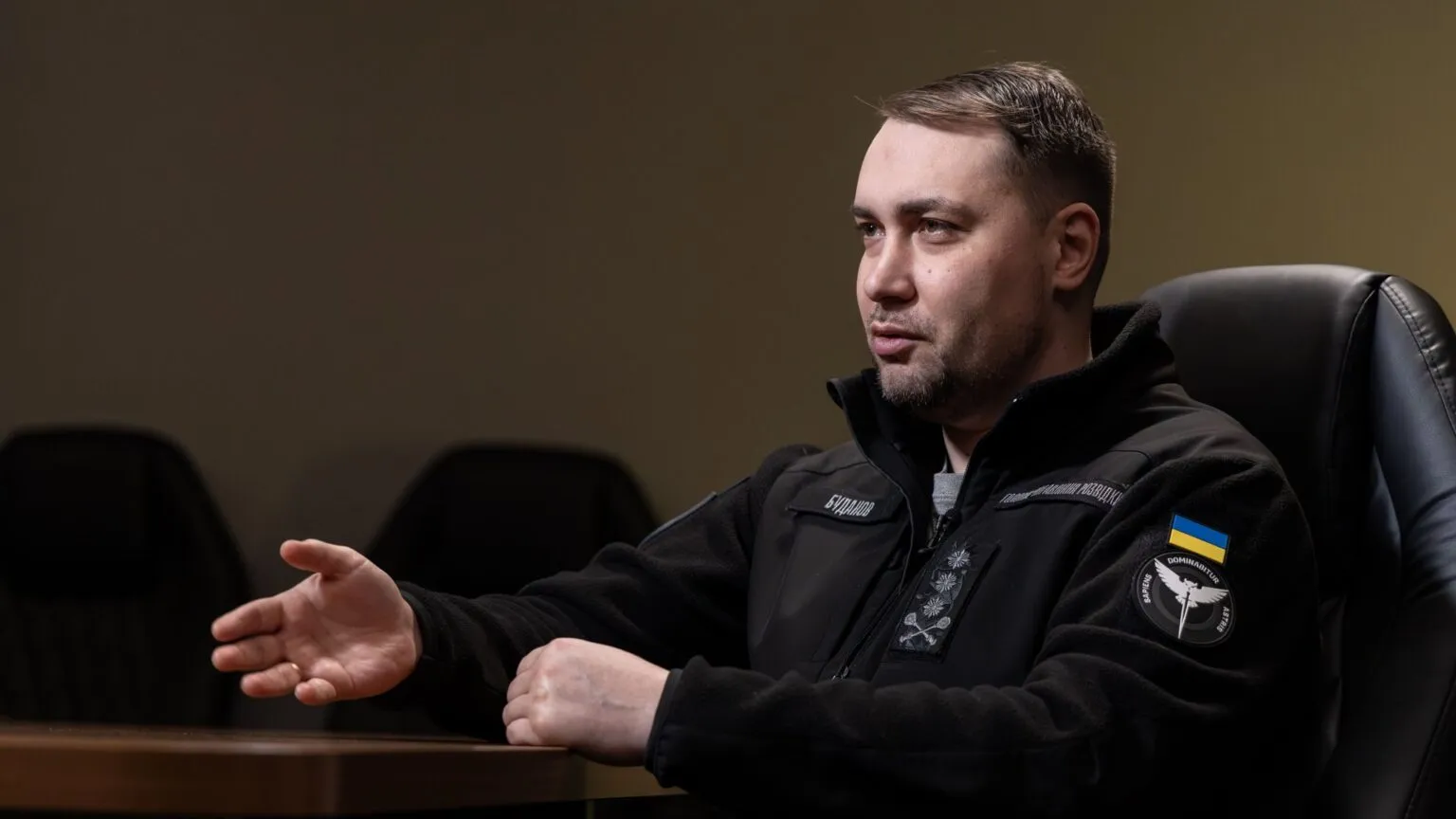
Kyrylo Budanov, head of Ukraine's Office of the President, gestures while speaking during an interview, wearing a black fleece marked with his name and the HUR insignia.
Explore further

“Heroes of UPA” unit will keep its name, Budanov’s office says despite Polish pressure

Warsaw holds Kyiv to its word, but Lviv won't budge

Polish Defense Minister Władysław Kosiniak-Kamysz called the decision unacceptable. Deputy Foreign Minister Marcin Bosacki told Polsat News on 21 October that it was hard to imagine a worse decision for Polish-Ukrainian relations. He said Zelenskyy's aides had assured Warsaw it would not take effect, and that the resolution had disappeared from the council's website after Poland intervened, which he called promising. Warsaw would hold the Ukrainian authorities to their word, he added.

The council itself does not plan to revoke or revise the decision, its representatives told Liga on 21 October.

On 23 October, Polish Prime Minister Donald Tusk said he had received a signal from Zelenskyy that he "will in no way support this decision" if further steps depend on him. "Ukraine will simply have very serious problems with integration if it does not also respect our sensitivity," Tusk said.

Poland bans proposal's initiator, who took part in search in Łasków, from Schengen Area

Poland has barred Sviatoslav Sheremeta, the Lviv Oblast Council deputy who initiated the decision, from entering the Schengen Area for five years, until 20 October 2031. Polish Interior Minister Marcin Kierwiński announced the ban on 21 October at the request of Foreign Minister Radosław Sikorski. Sikorski described Sheremeta as a reenactor of the Galizien Waffen-SS division.
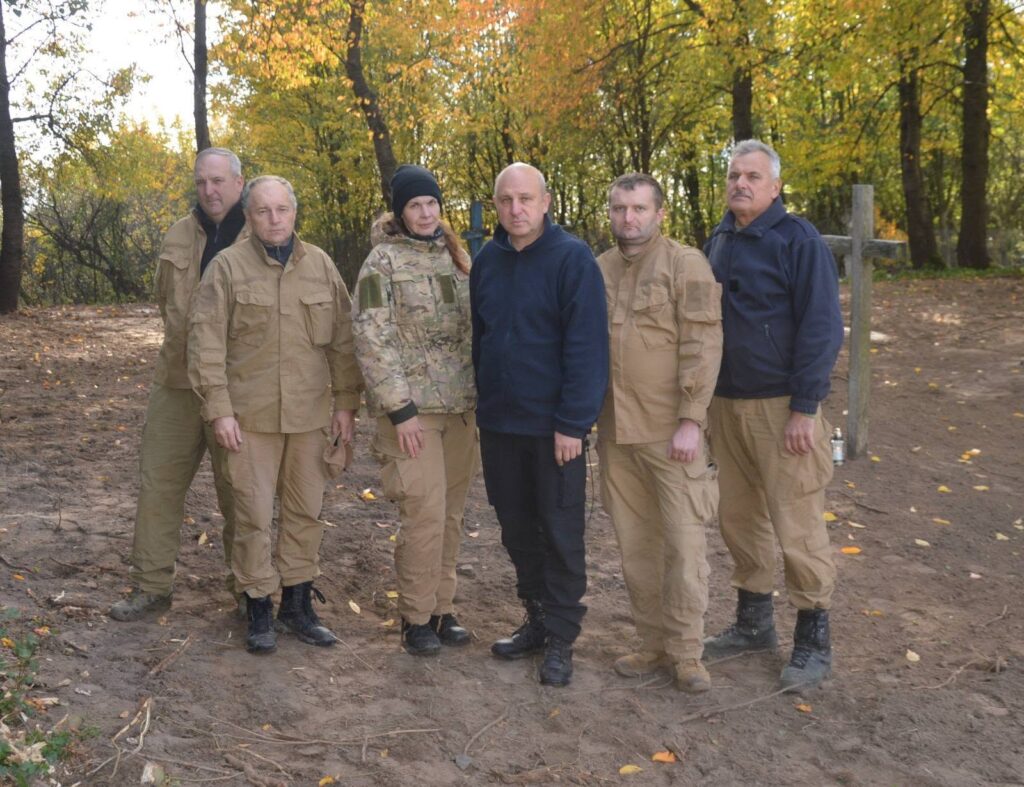
Sviatoslav Sheremeta (center), initiator of the proposal to declare a Year of the UPA in Lviv Oblast, with his team during a search for the remains of Ukrainians killed in 1944 in the village of Łasków, Lublin Voivodeship, Poland, October 2026
Sviatoslav Sheremeta (center), initiator of the proposal to declare a Year of the UPA in Lviv Oblast, with his team during a search for the remains of Ukrainians killed in 1944 in the village of Łasków, Lublin Voivodeship, Poland, October 2026. Photo: Ukrainian Institute of National Memory

Before the ban was announced, Sheremeta told Zaxid.Net that he had never taken part in military-historical reenactment, and noted that Sikorski's post had at first named a "P. Sheremeta." He found Polish officials' reaction strange, since Lviv and other oblast councils had declared years of the UPA and Shukhevych before. "This is nothing new," he said. He added that the decision was not aimed at anyone, least of all Poles or Poland, and that a ban would hurt the two countries' cooperation on commemoration.

Ukrainians have the right to choose their own heroes and honor them, Sheremeta believes. He suggested that recent statements by Polish officials may be linked to the discovery of Ukrainian civilians killed by Polish armed groups in Łasków in 1944.
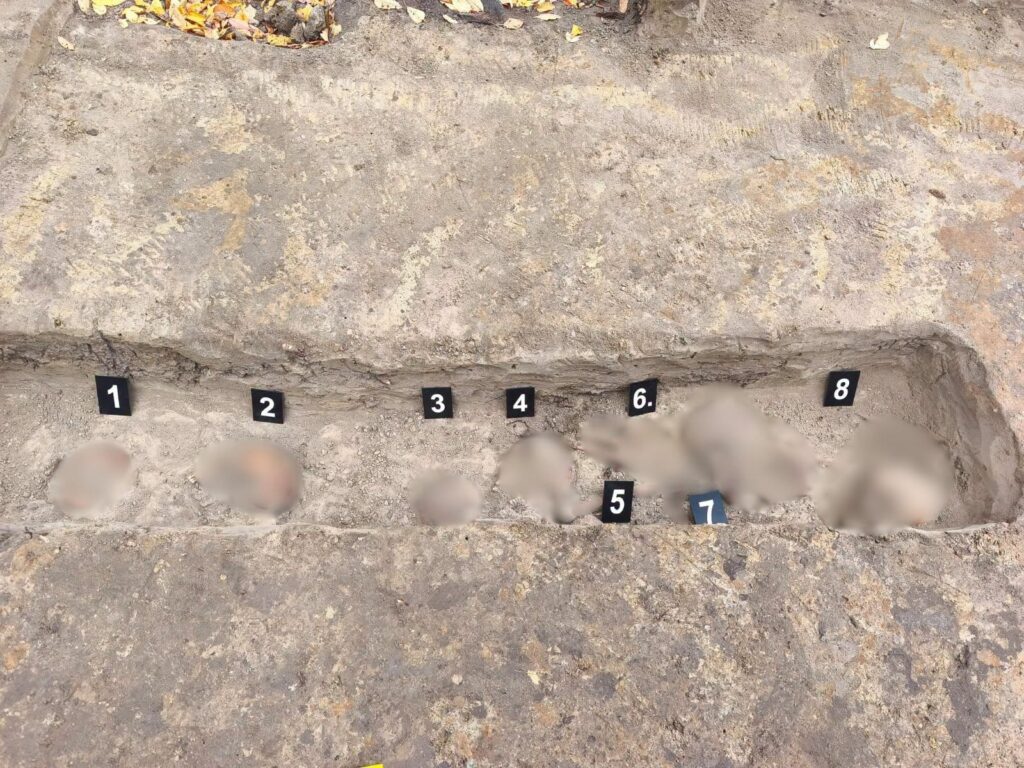
Human remains, likely belonging to a Ukrainian killed in 1944 in the village of Łasków, Lublin Voivodeship, Poland, October 2026
Human remains, likely belonging to a Ukrainian killed in 1944 in the village of Łasków, Lublin Voivodeship, Poland, October 2026. Photo: Ukrainian Institute of National Memory

Sheremeta also directs Dolia, a memorial search center. In October, Dolia carried out a search in Łasków, a village in Poland's Lublin Voivodeship, and found the remains of more than 40 Ukrainians, including women and children. The Ukrainian Institute of National Memory, which commissioned the search, says they were killed by units of the Polish Home Army and the Peasants' Battalions in an attack on 10 March 1944 in which more than 300 people died. Exhumation is planned for spring 2027.

The dispute over shared memory has shaped relations between Kyiv and Warsaw for a decade. After local authorities in Hruszowice removed a UPA monument in 2017, Ukraine's Institute of National Memory halted exhumations of Poles in Ukraine. Despite a 2019 pledge by the institute to stop blocking them, the first exhumation took place only in April 2025, in Puzhnyky, after Tusk announced a breakthrough.
Poland paused a military aid package over Lviv’s vote honoring WWII nationalists, Ukrainian source says. Polish ministry denies it

22 octobre 2026 à 05:24

polish defense

Poland has paused the delivery of a large military aid package to Ukraine after a Lviv regional council honored the Ukrainian Insurgent Army (UPA), a WWII nationalist force, a source in the Ukrainian government told European Pravda on 21 October. A Polish Defense Ministry spokesperson told Fakt the report was untrue, though he told WP he knew nothing about a possible delay in shipment.

If confirmed, the freeze would carry a history dispute into Poland’s military aid. The row flared in May, when Kyiv named a special forces unit after the UPA, and in June Poland’s president stripped Zelenskyy of Poland’s highest honor. Even so, Ukraine’s ambassador said in August that Polish military aid was still flowing.

A vote and a disputed freeze

The Lviv Oblast Council voted on 20 October to name 2027 the year of the UPA, its commander Roman Shukhevych, and nationalist activist Oleh Olzhych. The UPA fought Nazi Germany and the Soviet Union, but Poland holds it responsible for mass killings of Poles in Volhynia and Eastern Galicia in 1943–1944. The resolution disappeared from the council’s website late that evening, RMF24 reported.

The source blamed what it called the councilors’ irresponsible actions, saying the vote came as Poland prepared the shipment and that work through closed channels is underway. The ministry spokesperson, Janusz Sejmej, called the report untrue. Asked whether it could reflect a delay in shipment, he said he knew nothing about that.

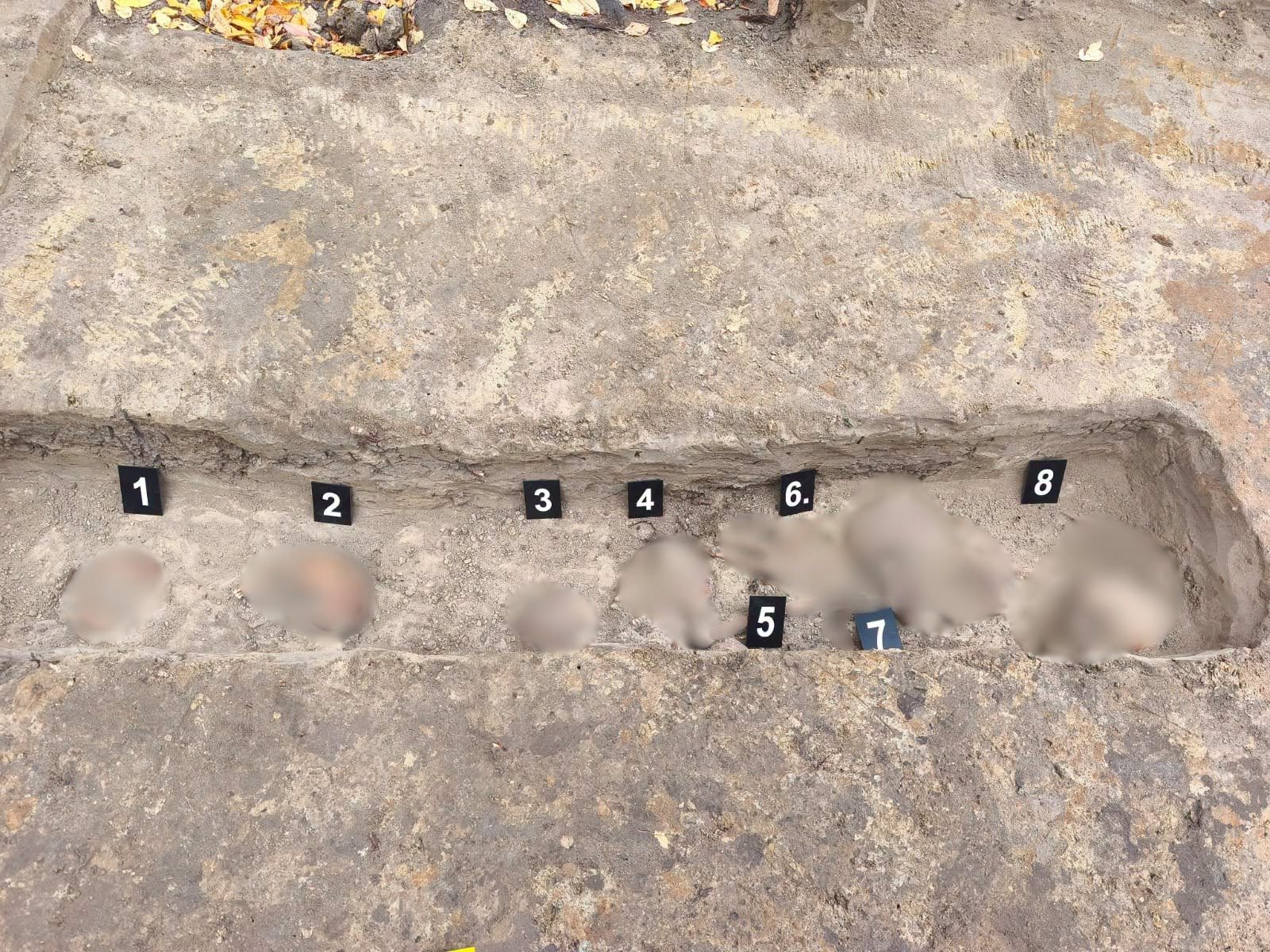
Human remains, likely belonging to a Ukrainian killed in 1944 in the village of Łasków, Lublin Voivodeship, Poland, October 2026
Explore further

Progress on a sore point for Ukraine and Poland: remains of over 40 Ukrainians killed by Polish WWII units found in Łasków

Polish officials push back

On 20 October, Defense Minister Władysław Kosiniak-Kamysz wrote that Ukraine’s authorities must distance themselves from the council’s position.

The next morning, Prime Minister Donald Tusk called the vote unwise and harmful above all to Ukraine. He said he had warned Zelenskyy earlier that such gestures hinder Ukraine’s friends, though the president was not responsible for this vote. At such moments, Tusk said, Russians always rub their hands.

Foreign Minister Radosław Sikorski then requested that councilor Sviatoslav Sheremeta, who proposed the resolution, be added to Poland’s list of unwanted persons. That afternoon, Interior Minister Marcin Kierwiński said the decision had been made. Sheremeta is barred from the Schengen zone until 2031, RMF24 reported. Poland had already barred him once, in 2017, the outlet said.

Kyiv asks for restraint

Earlier on 21 October, before the ban, Ukraine’s Foreign Ministry called the vote counterproductive in a reply to journalists and urged Warsaw to avoid abrupt steps. Zelenskyy’s closest aides had also promised the resolution would not take effect, Deputy Foreign Minister Marcin Bosacki told TVN24.

Progress on a sore point for Ukraine and Poland: remains of over 40 Ukrainians killed by Polish WWII units found in Łasków

21 octobre 2026 à 10:43

Human remains, likely belonging to a Ukrainian killed in 1944 in the village of Łasków, Lublin Voivodeship, Poland. October 2026. Photo: Ukrainian Institute of National Memory

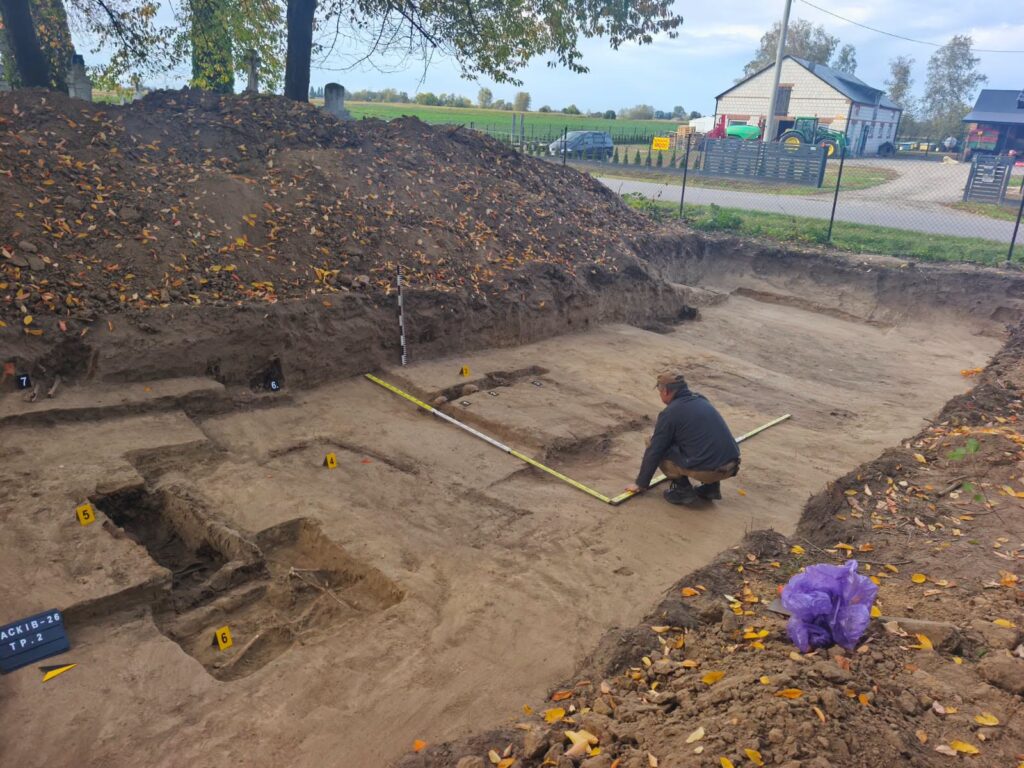
During an expedition from 2 to 16 October in the Polish village of Łasków, a Ukrainian team uncovered the remains of more than 40 Ukrainians, including women, men, and children, the Ukrainian Institute of National Memory, which commissioned the search, said on 20 October.

Ukraine and Poland disagree over how to interpret their shared history. One of the most contentious issues is the Volhynia tragedy, a series of massacres of Polish and Ukrainian civilians during World War II, the largest of which took place in Volhynia. Amid unresolved disputes over this history, Ukraine halted Polish search and exhumation work on its territory. Both sides have since resumed the work, and Łasków is the first Ukrainian search in Poland to find remains since 2016, the institute said.

During Poland’s 2025 presidential campaign, Karol Nawrocki said that unresolved historical issues could stand in the way of Ukraine's accession to the EU and NATO. The dispute is still live: on 20 October, Polish Defense Minister Władysław Kosiniak-Kamysz called on Kyiv to distance itself from the Lviv Oblast Council’s decision to declare 2027 the year of the UPA and Shukhevych. The searches, meanwhile, continue on both sides of the border.

More than 300 Ukrainians were killed in Łasków

On the final day of the investigation, specialists partially uncovered a mass grave containing the remains of eight people and documented all the findings. The victims’ ages, sexes, and causes of death will be established during exhumation work planned for spring 2027.

An expert photographs human remains, likely belonging to a Ukrainian killed in 1944 in the village of Łasków, Lublin Voivodeship, Poland. October 2026.
An expert photographs human remains, likely belonging to a Ukrainian killed in 1944 in the village of Łasków, Lublin Voivodeship, Poland. October 2026. Photo: Ukrainian Institute of National Memory

“According to witness accounts, a large number of the Ukrainian victims were buried—or, in fact, simply covered with a thin layer of soil—in hiding places, fields, and the yards of their own homes in the village of Łasków. They were buried only 10 days later by Ukrainians from the neighboring village of Smolihiv, who were then also killed and shot near the forest,” director of the Dolia memorial search center Sviatoslav Sheremeta said, according to Istorychna Pravda.

Search operations to locate the remains of Ukrainians killed in 1944 in the village of Łasków, Lublin Voivodeship, Poland. October 2026.
Search operations to locate the remains of Ukrainians killed in 1944 in the village of Łasków, Lublin Voivodeship, Poland. October 2026. Photo: Ukrainian Institute of National Memory

The Ukrainians were killed in an attack by units of the Polish Home Army (Armia Krajowa) and the Peasants’ Battalions (Bataliony Chłopskie), the institute said when the search began.

“Most of the graves are located at a depth of 40–70 centimeters from the ground surface,” Sheremeta said.

Historical records indicate that more than 300 people were killed in the Polish village of Łasków on 10 March 1944, the media outlet reported. Ukrainian and Polish historians and experts have identified 327 village residents who were killed, although some researchers estimate the death toll at around 350, the report said. Further historical research and search operations may help establish the final number of victims.

Ukraine imposed a ban on exhumations but allowed the work to resume several years later

In response to the widespread destruction of Ukrainian monuments in Poland between 2015 and 2017, and what the Ukrainian side considered an inadequate investigation into these incidents, Ukraine imposed a moratorium on search operations and the exhumation of Poles killed by Ukrainian Insurgent Army (UPA) fighters in 1943–1945, Ukrainska Pravda reported.

In January 2025, Polish Prime Minister Donald Tusk announced a “breakthrough,” saying there was a decision on the first exhumations of Polish victims of the UPA.

By April 2025, exhumations of Polish residents killed in 1945 had begun in Ukraine’s Ternopil Oblast. A joint Polish-Ukrainian team of experts took part in the work.

Searches in Ukraine have found mostly Polish soldiers from 1939, while Ukraine waits for permits in Poland

Most of the Polish remains recovered in Ukraine since the moratorium ended belong to soldiers killed fighting the Germans in September 1939, not to victims of the Volhynia killings. In Lviv, searchers exhumed at least 31 soldiers at Zboiska in 2025 and found 113 more at Holosko this autumn.

Of the 1943–1945 victims, joint Polish-Ukrainian teams have recovered 42 in Puzhnyky, Ternopil Oblast, which were reburied in September 2025, and 55 in Ostrówki and Wola Ostrowiecka in Volyn Oblast, which they found this summer. Polish historians attribute the Puzhnyky killings to a UPA unit. Ukraine’s Institute of National Memory first described the dead as victims of Soviet repression, then changed the wording to victims who died in 1945 after Poland’s Foreign Ministry objected. A search in Uhly, Rivne Oblast, this spring found no mass grave.

Ukraine’s first search in Poland in years, for UPA fighters in Jureczkowa in autumn 2025, found no remains. The Ukrainian team waited more than a year for permission to work in Łasków, which came on 31 August. Its requests for Sahryń, where Home Army units killed between 200 and 800 people on the same day, according to PAP, and for Przemyśl were still pending in July, with Poland’s Institute of National Remembrance asking for more documents.

The history row reaches the search permits

Kyiv has said it will keep issuing permits for Polish searches despite the tensions. In August, before the Łasków permit came through, Ukraine’s ambassador to Poland, Vasyl Bodnar, said Ukraine could not get a single permit to search for its dead in Poland while it kept approving Polish work in Ukraine.

Meanwhile, Warsaw has kept raising the stakes over how Ukraine remembers the UPA. Nawrocki stripped President Volodymyr Zelenskyy of Poland’s Order of the White Eagle in June after Zelenskyy named a military unit after the “Heroes of the UPA.” In July, the head of Nawrocki’s chancellery, Zbigniew Bogucki, spoke in the Sejm of genocide “in Volhynia and Eastern Lesser Poland,” using the interwar Polish name for what is now western Ukraine. In August, Deputy Foreign Minister Marcin Bosacki warned that placing Stepan Bandera or Roman Shukhevych in Ukraine’s National Pantheon would damage relations with Poland and Europe.

Nawrocki has also sent the Sejm a bill that would punish promoting the ideology of the OUN and the UPA, which had its first reading on 3 July. Polish members of the European Parliament proposed adding the Volhynia tragedy and the UPA to the parliament’s report on Ukraine’s progress toward EU membership.

The two sides also disagree on the numbers the exhumations are meant to help settle. Polish estimates put the number of Poles killed in Volhynia and Eastern Galicia at about 100,000. Ukraine’s Institute of National Memory counts about 30,000 Polish and 10,000 Ukrainian victims identified so far.

❌