
 Connexion

How can Ukraine defend against 190 ballistic missiles a month? In October, it stopped 7%

- Russia could launch up to 190 ballistic missiles a month at Ukraine this winter
- Essentially out of Patriot missiles, Ukraine shot down just 11 of the roughly 150 ballistic missiles Russia fired in October, about 7%
- A new order for 500 fresh Patriot missiles might not begin arriving in Ukraine for three years
Desperately short of long-range surface-to-air missiles and with no easy way to fill the gap, Ukraine is at the mercy of Russia's ballistic missiles as the weather grows colder and reliable access to electricity and heat becomes a matter of life and death for millions of Ukrainians.
All that is to say, the coming winter "will likely be the hardest" since Russia widened its war on Ukraine in February 2022, according to German missile expert Fabian Hoffmann and his co-writer, Kyiv-based analyst Anastasiia Lapatina.
It's not just that Ukraine is effectively out of its best air defense missiles. At the same time, Russia has diversified its own stocks of land-attack missiles and increased the supply.
More Russian offensive missiles. Fewer Ukrainian defensive missiles. "We don’t know exactly how difficult the coming months will be for Ukraine, but forecasts look bleak," Hoffmann and Lapatina wrote. "Russia, it appears, is determined to make living in Ukraine as difficult as possible for the civilian population."
Ukraine and the Netherlands team up on missile defense as Europe plans its own missile killer, free of US approval
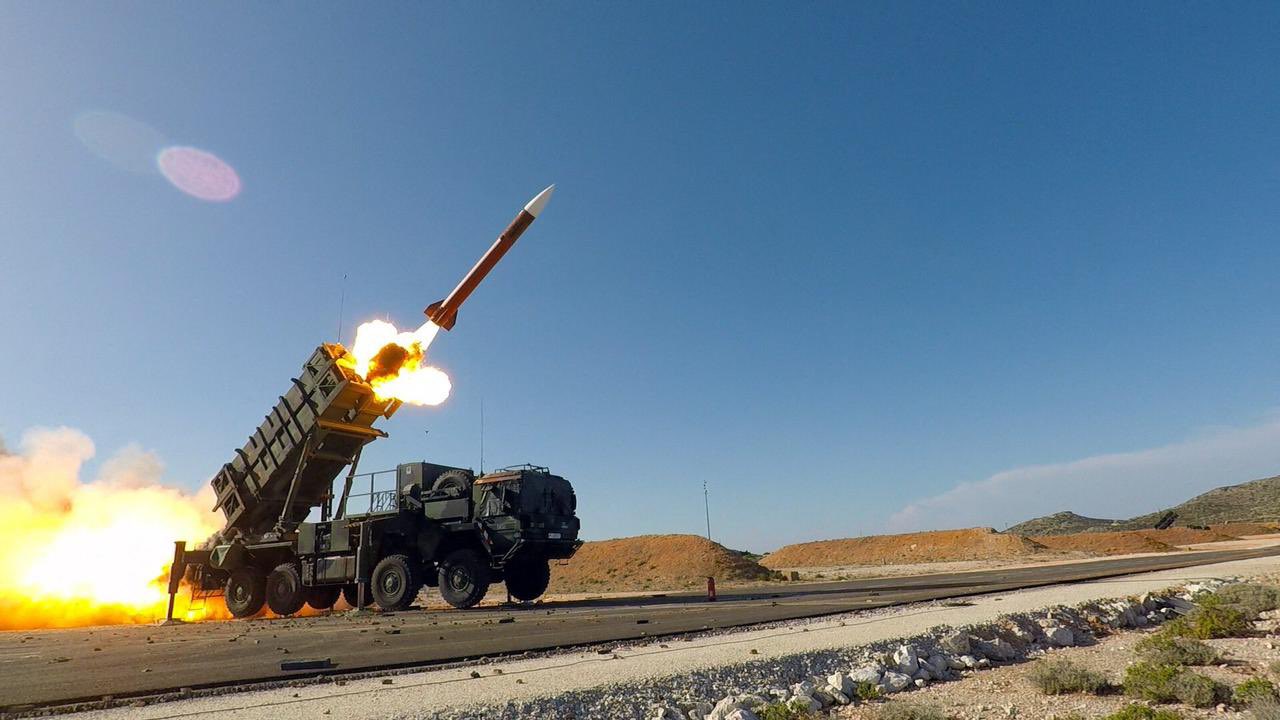
The crisis has loomed for months. In February, the United States launched a war of choice on Iran. As Iran fired back with ballistic missiles and one-way attack drones, the United States, Israel, and various Persian Gulf countries began launching Patriot surface-to-air missiles at an unsustainable rate.
Before the war on Iran, US forces had around 2,300 PAC-2 and PAC-3 missiles for their Patriot batteries. Just two months into the war, the Americans had fired no fewer than half of the multi-million-dollar missiles, which are some of the only air defense munitions that can swat down cruise missiles, drones, and ballistic missiles.
Missile-maker Lockheed Martin is ramping up Patriot missile production from just 600 missiles annually to 2,000, but the expansion takes time. And even with more components, more factory space and more workers, there's the problem of time. It takes nearly four years from payment for Lockheed to deliver a PAC-2 or PAC-3.

Too few missiles
For Ukraine, that's a problem. The Ukrainian air force has around eight Patriot batteries, each capable of hitting all but the most powerful Russian munitions. The only missile Russia had fired at Ukraine that the Patriot can't intercept is the heavy Oreshnik, a non-nuclear version of an intermediate-range nuclear missile.
By October, Ukraine's Patriot batteries were out of missiles as often as they weren't. Ukraine's European allies were clinging to their own Patriot missile stocks, and the Pentagon was prioritizing its own Patriot batteries and those of America's Gulf allies for any new missiles rolling off the Lockheed production line.
On 31 October, the US State Department approved the sale of 500 new PAC-3 missiles to Ukraine under a $2.1-billion deal financed by Ukraine's European allies. But the first of the missiles isn't expected to arrive in Ukraine for several years. Far too late to save Ukraine from not just one hard winter, but potentially two or three.
Ukrainian Pres. Volodymyr Zelenskyy was aghast. "Five hundred PAC-3 interceptors is a substantial number, and very soon—this winter—they COULD make for a highly effective defense package. However, it has been stipulated that deliveries may begin ONLY IN A FEW YEARS,” Zelenskyy wrote.
"The United States, our European partners and other partners around the world have sufficient stocks of PAC-3 interceptors in their warehouses," Zelenskyy insisted. "Providing them to Ukraine right now—in the winter of 2026–2027—and replenishing our partners’ arsenals LATER, in THE FOLLOWING YEARS, through this production already contracted and paid for by Ukraine and our partners would be the right approach."
"And it is entirely feasible," Zelenskyy stressed.

Ukraine’s answer to Russia’s jet Shaheds: a jet drone named Bars, built to strike Russia and now turned around to hunt them
But the increasingly Russia-friendly administration of US Pres. Donald Trump hasn't signaled any willingness to prioritize missile deliveries to Ukraine. And some key European countries, namely Greece and Spain, have declined to give away missiles they claim are necessary for their own self-defense.
Time is running out for Ukraine to find some defenses against the coming winter barrages. Yes, Ukrainian forces can step up their strikes on Russian bomber bases and missile factories, suppressing the aircraft that launch some missiles and the industrial base that keeps fresh missiles flowing to front-line forces.
But deep strikes are no panacea. Point defenses still matter—a lot. And in Ukraine, these defenses are failing. According to Zelenskyy, a steady supply of 100 Patriots a month for five months "would be enough to protect our skies."
It's not clear that's actually true, however. Russia launched around 150 ballistic missiles at Ukraine in October, the Ukrainian air force said. Ukrainian air defenses shot down 11 of them, or about 7%. And by tapping stockpiles and sustaining elevated production rates, Russia "could plausibly launch between 360 and 440 ballistic missiles at Ukraine over the next four months," Hoffmann and Lapatina wrote.
"S-400 surface-to-air missiles fired in ground-attack mode will likely add another 60 to 200 ballistic missile projectiles," the analysts added. "Although less accurate and powerful, these weapons still pose a threat to human life and Ukraine’s infrastructure. Russia’s 3M22 Zircon aeroballistic missiles, which continue to be produced in small albeit steady quantities, could add another five to 15 ballistic missiles per month."
Altogether, Ukraine "could face an average of 130 to 190 ballistic missile projectiles per month" through the winter of 2026–2027, the analysts estimated, up from around 150 in October. Ukraine's military intelligence said this week that Russia holds up to 700 ballistic missiles and can build up to 110 a month. If no additional Patriots arrive, and soon, it's likely many of those missiles will strike their targets, including the power plants Ukrainians depend on to stave off the lethal winter cold.
With significant fresh Patriot deliveries potentially years away, Ukraine is scrambling for alternatives. The air force has two Franco-Italian SAMP/T batteries that can also hit incoming ballistic missiles, but it's possible MBDA builds at most a few hundred Aster missiles for the SAMP/T every year. Few of the Asters end up in Ukraine.
Ukraine is developing its own long-range surface-to-air missile with anti-ballistic capability under the Freyja initiative. But while Ukrainian industry can produce the missile bodies and propellant, it relies on European industry for seekers, ground radars, command systems, and integration.
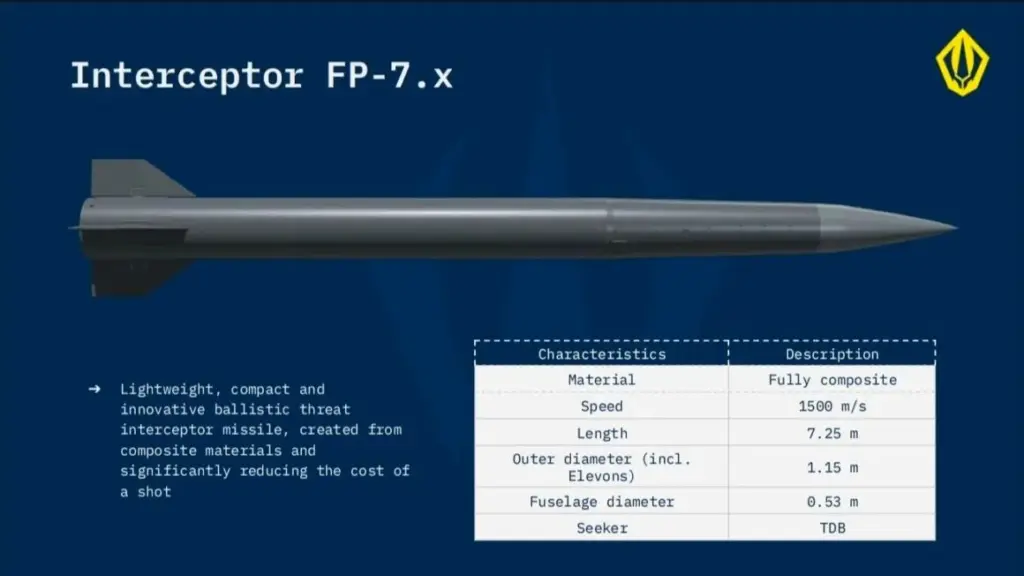
According to Ukrainian missile-maker Fire Point, the Ukrainian share of Freyja is ready. The European share ... isn't.
