Vue normale

Reçu — 30 août 2026 US news | The Guardian
  • ✇US news | The Guardian
  • The Guardian view on rare earths: it’s common sense to secure essential supply chains | Editorial
    Outsourcing the industry to China cannot continue, but Europe knows it can no longer count on the US for a solutionThe alarm sounded 16 years ago. In 2010, China blocked exports of key rare earths to Japan in a row over disputed islands in the East China Sea. The critical minerals are essential to everything from advanced weaponry and iPhones to electric vehicle batteries and wind turbines, so the rest of the world took note. But it didn’t take much action. China still accounts for about 70% of
     

The Guardian view on rare earths: it’s common sense to secure essential supply chains | Editorial

Par : Editorial
30 août 2026 à 12:30

Outsourcing the industry to China cannot continue, but Europe knows it can no longer count on the US for a solution

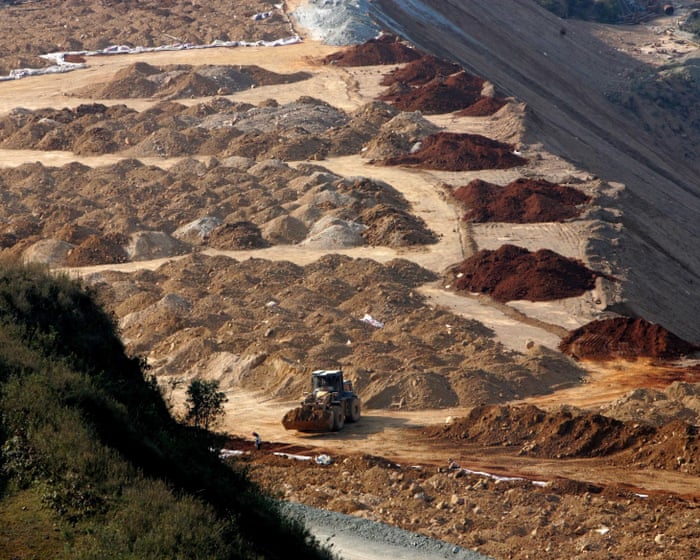
The alarm sounded 16 years ago. In 2010, China blocked exports of key rare earths to Japan in a row over disputed islands in the East China Sea. The critical minerals are essential to everything from advanced weaponry and iPhones to electric vehicle batteries and wind turbines, so the rest of the world took note. But it didn’t take much action. China still accounts for about 70% of rare-earth mining globally and 90% of separation and processing.

Then, last year, Beijing forced Donald Trump to back away from his trade war – not with its retaliatory tariffs, but the curbing of rare-earth exports. A scramble for new supplies began in earnest. The year-long trade truce is due to expire in November. The price of erbium, an element essential to communications infrastructure, has already jumped because of fears that export controls will soon be renewed.

Continue reading...
© Photograph: Imaginechina Limited/Alamy
© Photograph: Imaginechina Limited/Alamy
© Photograph: Imaginechina Limited/Alamy
Reçu — 25 août 2026 US news | The Guardian
  • ✇US news | The Guardian
  • The Guardian view on Trump’s economic threats: bullies can overplay their hand | Editorial
    Tariffs on Canada, threats against Iran’s partners and bond market intervention show a president weaponising US power while making Americans poorer at homeThree moves in the last week have exposed the limits of Donald Trump’s economic bullying. The US slapped 50% tariffs on another $20bn of Canadian goods – then threatened the same rate on the cars, trucks, parts and steel that America Inc depends on. On Monday, the Treasury secretary, Scott Bessent, menaced Iran’s trading partners with exclusio
     

The Guardian view on Trump’s economic threats: bullies can overplay their hand | Editorial

Par : Editorial
25 août 2026 à 13:27

Tariffs on Canada, threats against Iran’s partners and bond market intervention show a president weaponising US power while making Americans poorer at home

Three moves in the last week have exposed the limits of Donald Trump’s economic bullying. The US slapped 50% tariffs on another $20bn of Canadian goods – then threatened the same rate on the cars, trucks, parts and steel that America Inc depends on. On Monday, the Treasury secretary, Scott Bessent, menaced Iran’s trading partners with exclusion from the US financial network, hoping that coercion can deliver what months of war have not. And as the costs of war, tariffs and pro-billionaire tax cuts helped send US bond yields higher, the Treasury stepped in to tame long-term rates. These are not contradictory policies but a gamble: that US economic power can be repeatedly weaponised without reducing others’ willingness to depend on it.

The Trump administration’s “D-day” sanctions are potentially the most consequential because they expose the scaffolding of American financial power. While markets shrugged off the immediate threat, that calculation might change were the US to target a major Chinese refinery or bank. Such an escalation could spark a trade war with Beijing. The US has leverage. But China has pressure points – especially farmers in Republican states – that make using it costly. In the long run, there is a price to pay. Nations hold one another’s currencies partly because they trust the political relationship. Mr Trump is testing what happens when they don’t.

Continue reading...

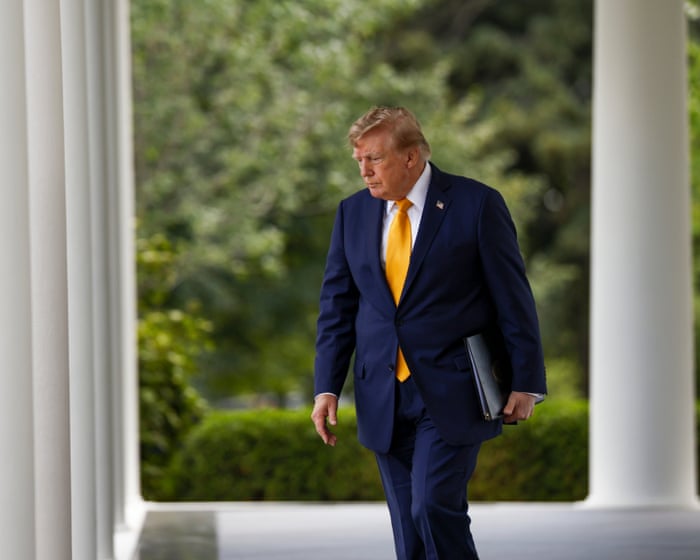
© Photograph: Will Oliver/UPI/Shutterstock

© Photograph: Will Oliver/UPI/Shutterstock

© Photograph: Will Oliver/UPI/Shutterstock

Reçu — 20 août 2026 US news | The Guardian

The Guardian view on Trump’s MMR executive order: endangering the children he claims to care about | Editorial

Par : Editorial
20 août 2026 à 13:46

The president’s empty advice that children should receive separate jabs against measles, mumps and rubella will only lead to less take-up by parents

Nobody wants to hurt a child. The howl of pain, the tears, the look of betrayed shock all make it very hard to deliver a cherished small person to the needle-wielding nurse. But that’s part of being a responsible parent. It becomes a lot tougher if mum or dad is being fed mixed and erroneous messages about the benefits and harms of vaccination.

Parents have to make a lot of decisions about what’s right for their child, from the school they should go to and the food they should eat to the hours they should spend on the phone or watching TV. In the US, Donald Trump wants them to add another: do they choose to give their children separate jabs against measles, mumps and rubella, involving six visits to the clinic, or should they opt for the combined MMR vaccine, which does the job in two? For decades, the vast majority of families have been taking the advice of doctors, accepting their assurance that the MMR vaccine is safe and very effective. But what are they to think when a US president announces that the triple jab could be “quite lethal” and signs an executive order advising states to offer separate vaccines?

Continue reading...

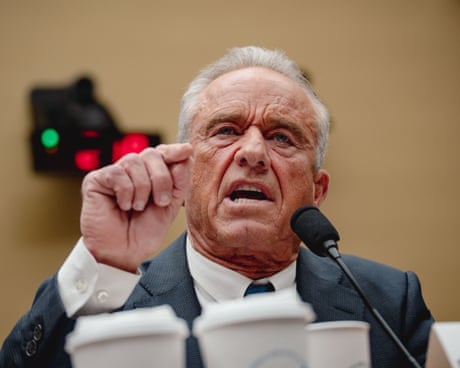
© Photograph: Raphael Liy/ZUMA Press Wire/Shutterstock

© Photograph: Raphael Liy/ZUMA Press Wire/Shutterstock

© Photograph: Raphael Liy/ZUMA Press Wire/Shutterstock

❌