Connexion
Two rubles for the army for every one on welfare, schools, and hospitals: Russia’s 2027 wartime budget
Russia's spending on everything except the military, security forces, and interest on its debt will fall next year to about 9% of GDP, its lowest level since 2005, Alfa-Bank analysts estimated, The Moscow Times reported on 30 September. The war will take a record share of the 2027 budget while welfare, schools, and hospitals face cuts. Analysts see stagnation and slow decay rather than collapse.
Russia's economy is not on the brink of collapse, but it is stalling: output grew just 0.6% in the first half of 2026, civilian industry kept shrinking while military plants expanded, and one economist expects stagnation for the foreseeable future. The proposed budget comes as Russia faces a wider deficit and rising borrowing needs, while the government is increasing military spending to its highest level since the start of its full-scale war against Ukraine in 2022.
Civilian spending at its lowest share since 2005
Non-interest, non-defense spending stood at just over 10% of GDP this year and last, around 12% in 2023–2024, and 13% in 2021, the last year before the full-scale invasion, Alfa-Bank's analysts calculated. It peaked at 16–18% of GDP in 2009–2010. The analysts called the new structure of spending a "challenge."
The war takes a record share
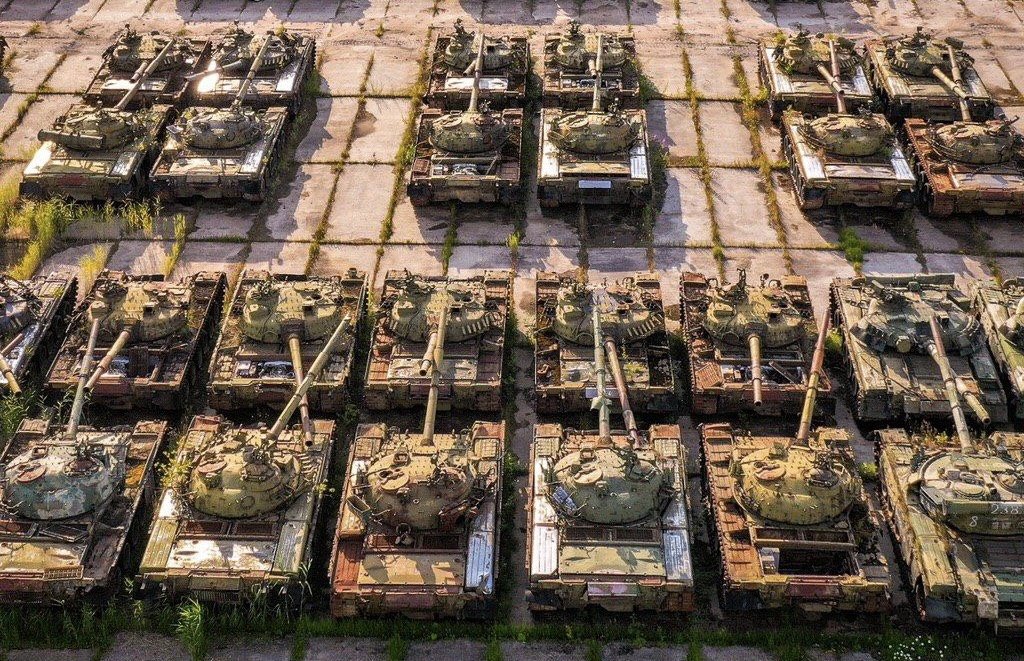
The "national defense" line will receive 17.1 trillion rubles ($202.6 billion) in 2027, according to budget documents seen by Reuters and carried by The Moscow Times. That is 35% of all federal spending, a record since Soviet times, Alfa-Bank's analysts noted. The sum is about 27% more than Moscow originally planned, part of 50 trillion rubles ($592 billion) in defense spending projected over 2027–2029. Early this year, Russia was already pouring nearly half of its budget into the military as revenue fell.
Welfare, schools, and hospitals face cuts
Key civilian lines will lose 900 billion rubles ($10.7 billion) to pay for the war. Compared with the current budget law, social support will fall 7%, education 6%, healthcare 6.8%, and environmental protection 5.8%. Spending on the "national economy," which covers roads, other infrastructure, and subsidies for agriculture and other sectors, will drop 7.4%, according to a second Reuters report. The Finance Ministry has planned a further 2 trillion rubles ($23.7 billion) in cuts for 2028, Reuters reported.
Russo-Ukrainian war, day 1679: Russia raises its war budget by 27% to a record as it looks to grow its war in 2027
For every budget ruble spent on social policy, healthcare, and education in 2027, two will go to the army, police, Rosgvardia, and the security services, Aleksandra Prokopenko, a senior fellow at the Carnegie Russia Eurasia Center in Berlin, wrote. Combined with higher taxes, tariffs, inflation, and sanctions, such a budget dooms the economy to stagnation, she argued. Aleksandr Kolyandr of Eurasia Group likened the approach to the Soviet Union's and described Russia's economy as being in a "stage of rot."

Russia’s four-month budget deficit hit $75.4 billion — 50% above what Moscow planned for entire year
More borrowing, more debt
To cover the gap, the Finance Ministry has raised its 2027 borrowing plan by 2.3 trillion rubles ($27 billion), and next year almost every tenth budget ruble will go to interest on state debt. Debt servicing is projected to take 9.4% of total spending in 2027 and 10.6% in 2029, according to Reuters.
The squeeze builds on strains already visible. Moscow has raised its 2026 deficit forecast to 3.2% of GDP, cut its expected oil and gas revenue, and plans a windfall tax on metals and mining companies, while state debt is projected to pass the 20% of GDP level authorities consider safe. Earlier this year, it told its regions to raise taxes on residents and businesses to plug a record budget hole.
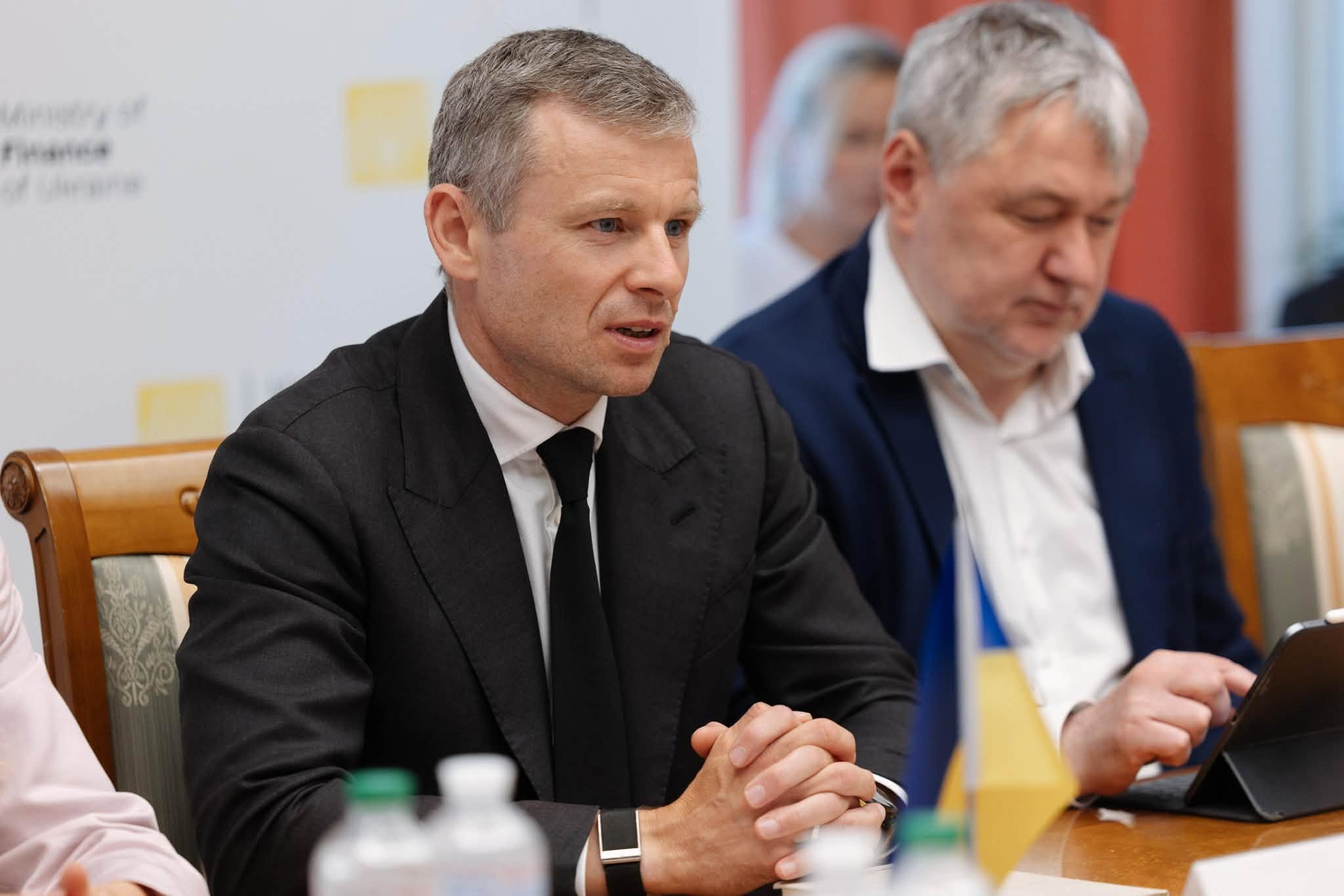
EU wants reforms before more money. Kyiv wants Europe to touch Russia’s frozen billions
Ukraine faces its own funding gap
The Russian spending plans come as Kyiv faces a $27 billion funding gap in its 2026 military spending. Prime Minister Serhii Koretskyi said on 1 September that the shortfall included funding needed for financial support for Ukrainian service members, according to the Cabinet of Ministers of Ukraine.
Ukraine's total war-related expenditures, including Western military aid delivered as hardware, are projected to reach $155 billion in 2026, with the government seeking to close the $27 billion gap to support military operations into early 2027, Koretskyi said on 30 September.