
 Connexion
Defender Media: Ukraine’s battle-tested drone makers reach no top slot in Pentagon’s $1.1 billion Drone Dominance program, but some Ukrainian technology wins anyway
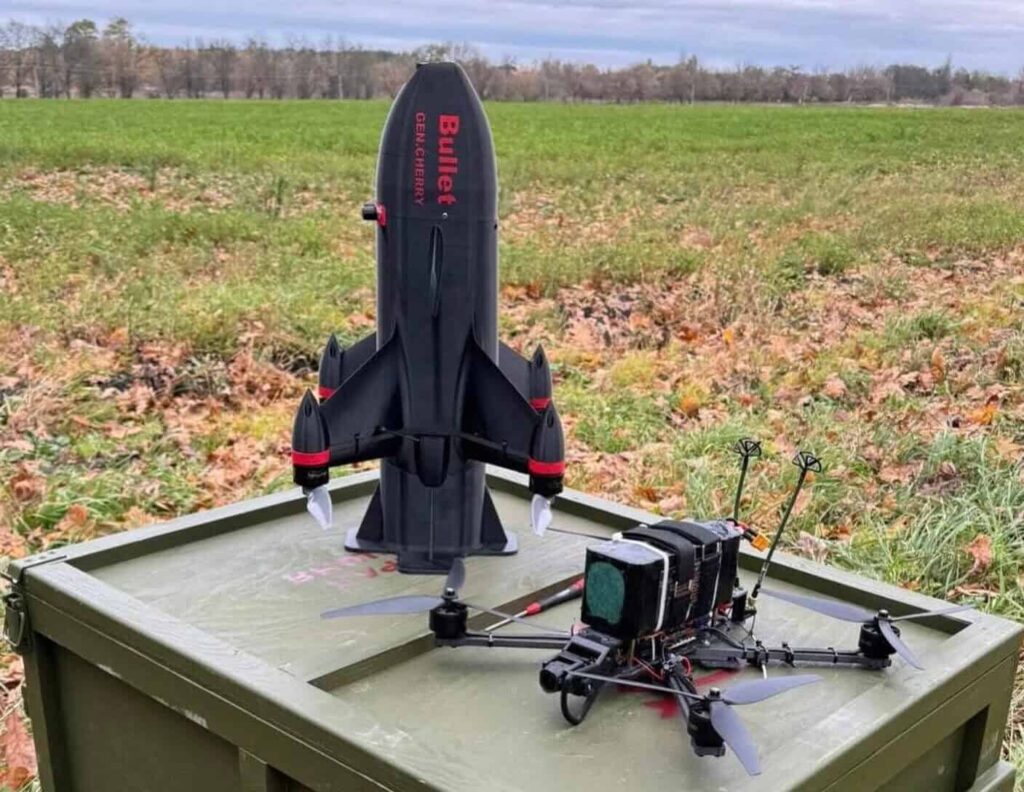
Ukraine's battle-tested drone makers did not win a single top slot in the Pentagon's latest drone contest. But some Ukrainian technology won anyway, competing quietly under the names of Western partners, The Defender Media reports.
The Pentagon's $1.1 billion Drone Dominance program does not allow direct purchases from Ukrainian firms, which must set up a US legal entity to bid.
The Ukrainians who competed under their own names were hampered by export licenses, the hunt for non-Chinese components, and visa issues, and none of the four cracked the top five in either category.
American firms sweep the top slots
The Pentagon picked five winners each in two categories, long-range strikes out to 15 kilometers and close-in assault. Eric Schmidt's Perennial Autonomy topped the long-range field with its Hornet drone, on 80.1 points, and Neros led the close-in category with 88.1. Neros already supplies Ukraine with 6,000 of its Archer FPV drones.
The rest of the winners, from ORQA's US arm to XTEND and ModalAI, were American as well. All will receive Pentagon supply contracts, with order sizes to be set later.
Ukrainians win under other flags
The Ukrainian firms that announced their entries, F-Drones, General Chereshnya, Grim Tech, and Stellarion, all missed the cut, though General Chereshnya had reached the program's second round earlier in the year.
Bureaucracy tripped the open entrants
Stellarion laid out what went wrong. Getting export permits and moving hardware took so long that integrating American parts, including warheads, and adapting the finished system on schedule became "complicated," its representatives said.
Finding NDAA-compliant, non-Chinese components ate up more time, and visa delays kept its specialists from fixing technical problems on site.
Firms that missed the top five can enter later rounds: a Gauntlet 2.5 contest for bomber drones is set for October, and a third phase begins in February 2027, with missions built to test control of several drones at once.
Read also
-
Trump announced a “massive” potash deal with Belarus—Lukashenka said the same day there is no spare potash to sell
-
Russia is holding Ukraine’s south with convicts: 69 percent have records. And they’re fighting where civilians live
-
Egypt shifts wheat purchases away from Russia and Ukraine as Black Sea trade costs rise
