
 Connexion
Scientists Gave Mice Cocaine. This Is What It Did to Their Brains
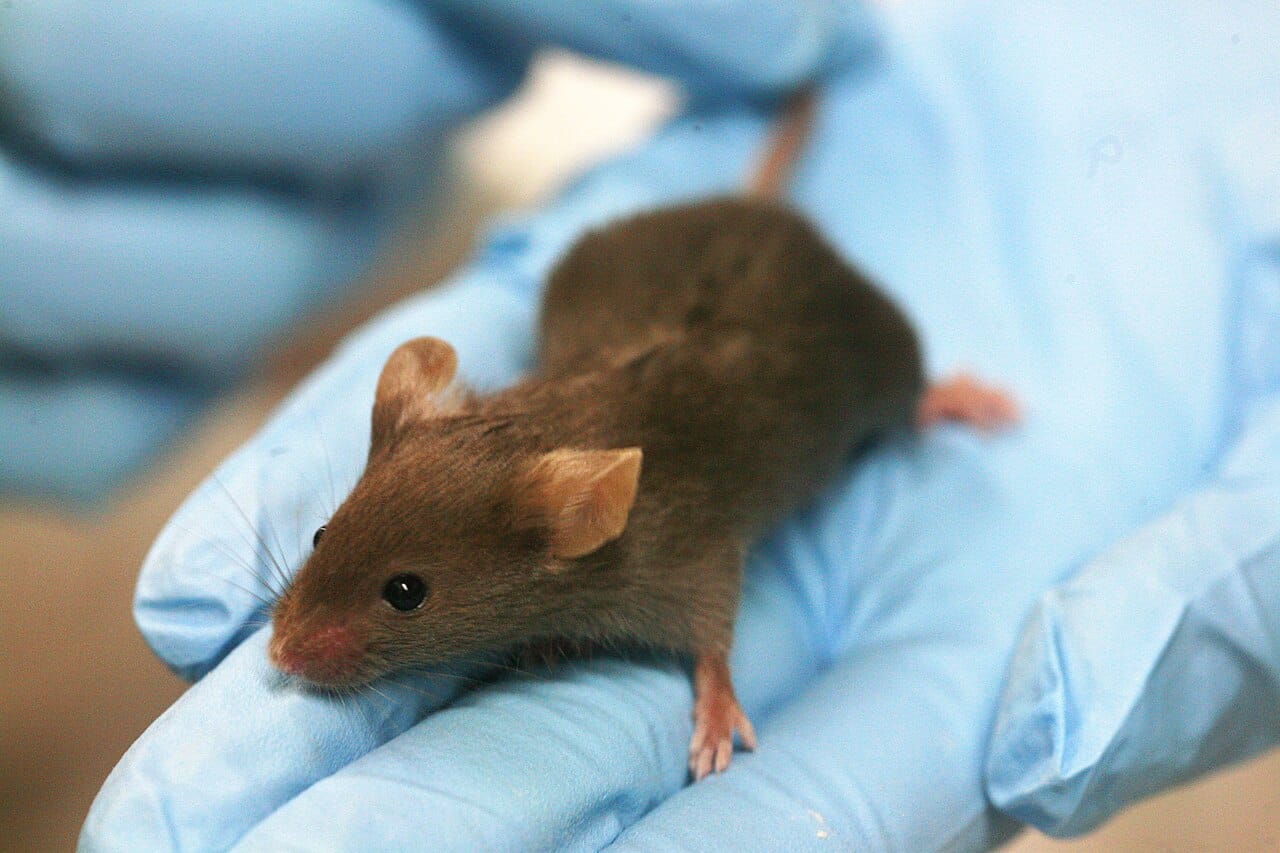
Just one exposure to cocaine produces changes to the brains of mice that persist for at least two weeks, and perhaps longer, according to research that will be presented at the Federation of European Neuroscience Societies (FENS) Forum 2026 on Tuesday.
The results suggest that cocaine, a popular drug used by an estimated 25 million people around the world, may rewire the genomes inside cells of the brain’s reward system, called dopaminergic neurons. The finding that could shed light on the mechanisms that drive addiction, and possibly inform treatments in humans.
People can become hooked to cocaine the first time they try it, but it is far more common for addiction to set in on repeated exposures. Decades of research has identified many of the neurochemical pathways activated by cocaine, but much less is known about the disruptive impacts, also known as brain “insults,” on the genomes inside neurons.
