Vue lecture

Romania found two Russian drones bobbing in its sea—and didn’t wait to ask questions
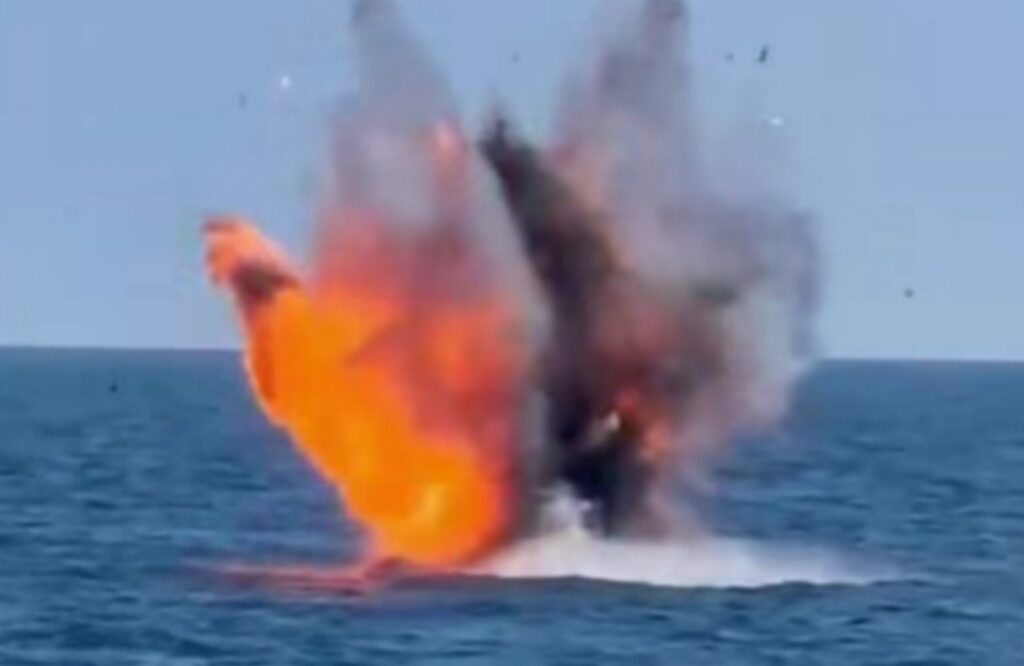
romania found two russian drones bobbing its sea—and didn't wait ask questions · post floating aircraft joined run uncrewed systems drifting neighboring countries' land waters знищення дрейфуючого дрона в чорному

Russia's war drifted into Romania's Black Sea waters again, and this time the country's military blew the intruders up, acting Defense Minister Radu Miruță saidA vessel near an offshore gas field spotted two floating Russian drones, and army bomb-disposal divers destroyed them. Ukraine confirmed the aircraft were not its own.

Wreckage from the air war over Ukraine now keeps turning up on the land and in the waters of nearby NATO states, dragging their forces into a fight they never joined.

A ship raised the alarm

Miruță announced the operation on Facebook, sharing a video. Crews working near the gas platform first noticed the drones in the water. Miruță identified both as Gerberas. A coast guard vessel carrying Romanian army sappers then sailed to the scene. The divers found two uncrewed aircraft adrift, along with several other fragments.

The drones lay in Romania's exclusive economic zone, roughly 90 nautical miles (about 167 km) east of Constanța, Militarnyi reported. Miruță said Romania's Defense Ministry then contacted Kyiv: 

"The Ministry of National Defense contacted the Ukrainian partners, who confirmed the systems do not belong to them."
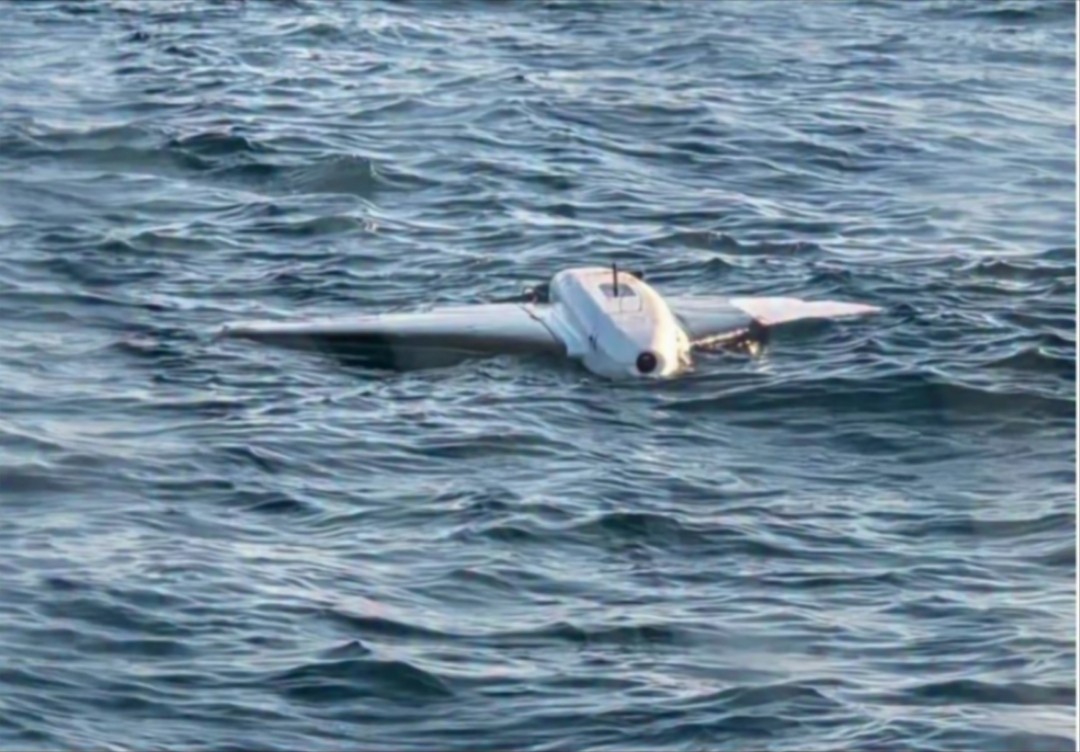
romania found two russian drones bobbing its sea—and didn't wait ask questions · post one drifting spotted black sea before destruction 11 2026 один з виявлених дронів у чорному морі
One of the drifting Russian drones spotted in the Black Sea before its destruction, 11 August 2026. Photo: Romanian Defense Ministry

To protect the shipping route and the work around the platform, the military destroyed the drones in a controlled blast, Suspilne relayed.

Russia designed the Gerbera as a decoy. The cheap foam aircraft forces Ukrainian air defenses to waste time and interceptors, and helps Russian crews locate those defenses. Later, Russia fitted some Gerberas with warheads, turning the decoy into a strike drone. The same model can also carry smaller attack drones or gather intelligence.

Custom Code

The attack on Ukraine

Ukraine's Air Force reported that last night Russia hit Ukraine with an Iskander-M ballistic missile, a Kh-31P anti-radar missile, and Kh-35 guided missiles, plus 138 Shahed-type strike drones — among them jet-powered ones, Gerberas, and Parodiya decoys — fired from several sites inside Russia and from occupied territory. 

The main targets were Sumy Oblast in the northeast and Odesa Oblast, Ukraine's Black Sea coastal region that lies northeast of Romania's shore. By morning, air defenses had downed or suppressed 112 of the drones, though strikes hit 16 locations.
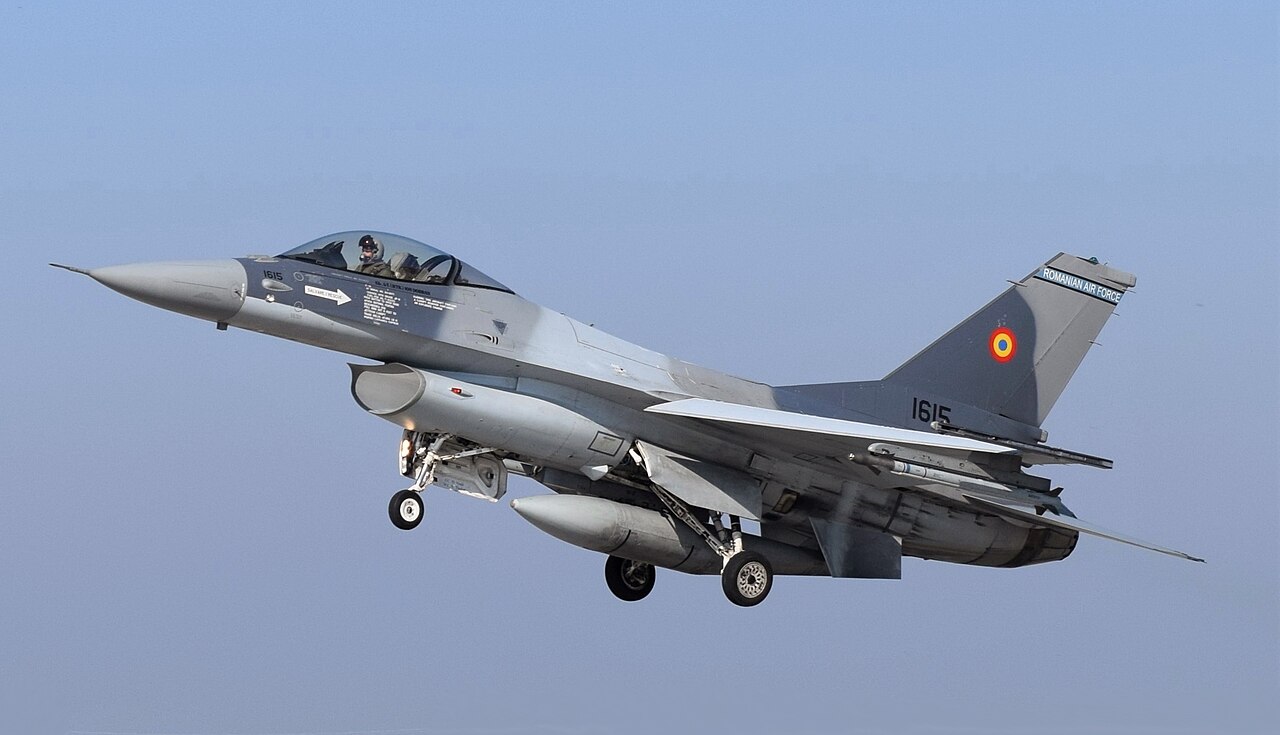
romania knocks third drone its sky 72 hours · post romanian air force f-16 fighting falcon fighter jet lands borcea base 2023 dvidshubnet romanian_f-16_fighting_falcon_lands_at_borcea_air_base_romania ukraine news ukrainian reports
Explore further

Romania knocks a third Russian drone from its sky in 72 hours

Adrift far from any front

The drones surfaced far from any battlefield. Russian uncrewed aircraft have repeatedly drifted into neighboring states during Moscow's attacks on Ukraine. Romania itself has shifted from escorting stray drones to shooting them down.

Neptun Deep is Romania's largest offshore gas project, due to start production in 2027. Bucharest is counting on the field to cut its reliance on outside supply and to feed neighbors that still lean on Russia. The two drones drifted into the waters around it.
  •  

Six explosions, four fires: Ukraine hit one of Russia’s five largest refineries, 700 km from border

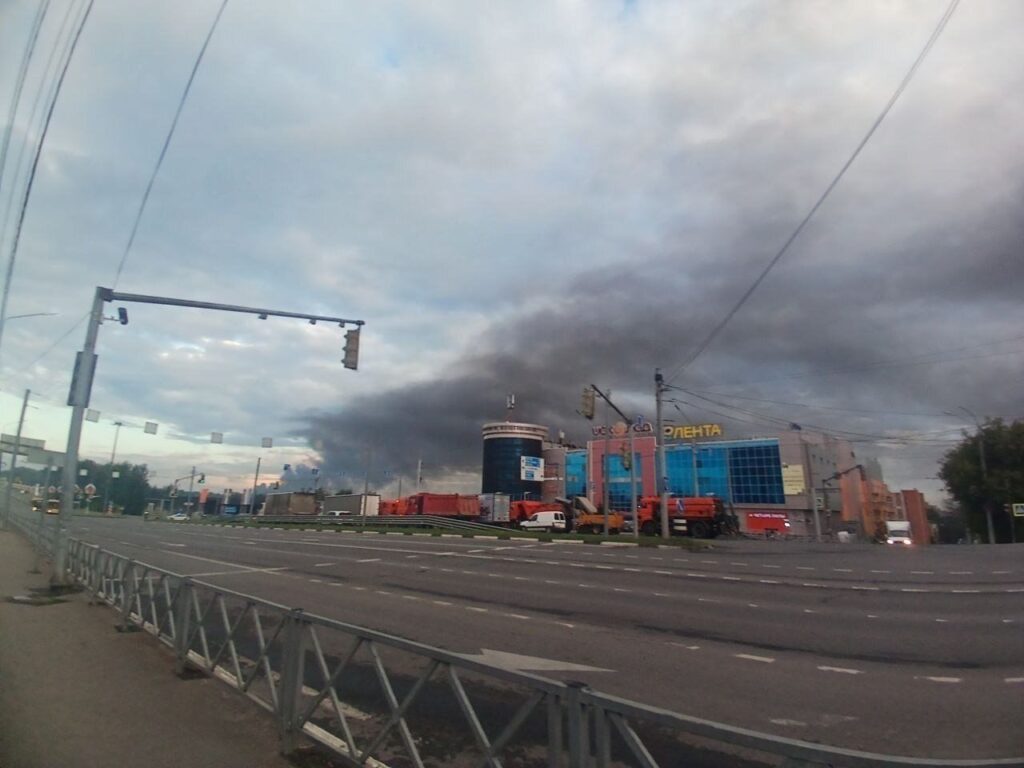
10% russia's refining half siberia's fuel omsk plant just lost its 2500-km protection · post smoke rises over yaroslavl russia after ukrainian drone strike slavneft-yanos refinery 6 2026 supernova+ ukraine

Ukraine reached one of Russia's largest refineries and hit its coast guard in occupied Crimea in one operation. The Security Service of Ukraine (SBU), together with the Defense Forces, struck the Slavneft-YANOS refinery in Yaroslavl, over 700 kilometers from Ukraine's border, the SBU reported.

The refinery is a major node in Russia's fuel supply to its capital region. The Yaroslavl refinery is one of the five largest oil-refining enterprises in Russia, with a capacity of nearly 15 million tons of oil per year, producing gasoline, diesel, aviation kerosene, and other strategically important products for central Russia and the Moscow metropolitan area.

The refinery took multiple hits

The strike set several parts of the plant on fire. At least six explosions were heard on the refinery's grounds, and fires broke out in four different parts of the plant.

The damage hit both storage and processing. According to preliminary information, four crude oil tanks were damaged, resulting in a spill. Two tanks were engulfed in fire, and key processing units were also damaged and set alight. Striking both the tanks that hold the crude and the units that refine it degrades the plant's ability to produce fuel, not just store it.

The Kerch strike hit FSB coast guard ships

The second target was in occupied Crimea. Drone strikes on the port in Kerch damaged two Project 10410 "Svetlyak" patrol ships of the FSB coast guard, the "Balaklava" and the "Kerch".

Hitting the FSB's patrol vessels chips at Russia's ability to guard the waters around occupied Crimea and the Kerch Strait, the same maritime chokepoint Ukraine's shadow-fleet campaign has targeted.

The strikes fit the campaign against Russia's war economy

The operation extends Ukraine's sustained effort to drain Russia's fuel revenue and military logistics. The SBU said it consistently works to reduce Russia's military-economic potential, and that military sites, fuel-and-energy enterprises, and other legitimate targets working for Russia's aggression will keep coming under fire.

  •  

Coast Guard Vows to Protect Crews From Brain Injuries Caused by Rough Seas

The head of the Coast Guard said “decisive action” would be taken so the injuries would be recognized, treated and prevented.

© Ruth Fremson/The New York Times

U.S. Coast Guard students training near Cape Disappointment in Washington in 2023.
  •  
❌