Judge Lets Case Against Tyler Robinson, Charlie Kirk Shooting Suspect, Go to Trial

© Pool photo by Trent Nelson

© Pool photo by Trent Nelson

A car bomb killed a lieutenant colonel of Russia's Aerospace Forces in St. Petersburg on the morning of 27 August, the local outlet Fontanka reported. His wife survived and reached hospital in serious condition. Russia's Investigative Committee opened a criminal case, and nobody has claimed responsibility for the attack.
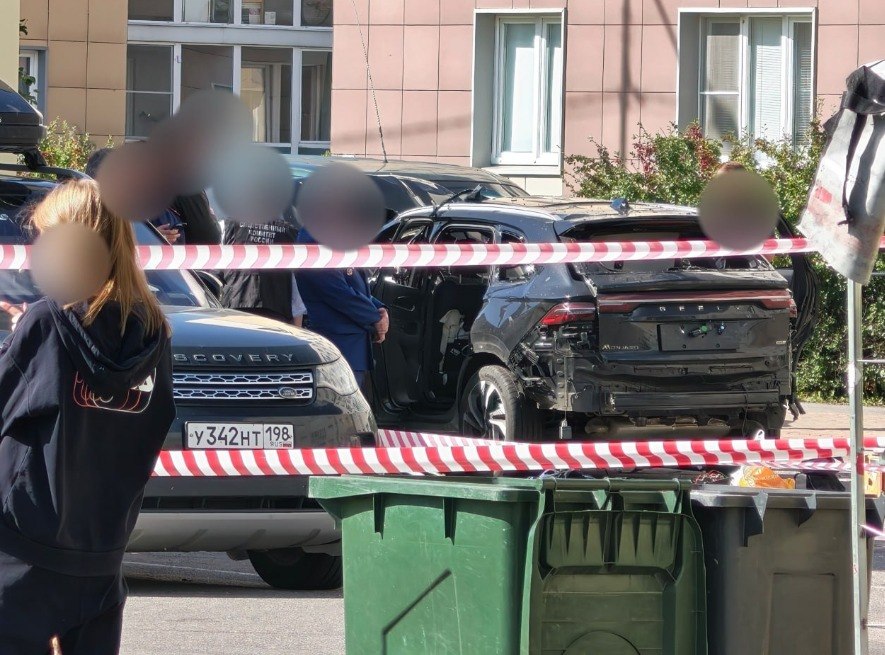
Witnesses said the officer and his wife were pulling away from their house in a southern suburb of the city at around 10 a.m. when an improvised explosive device went off inside the car, Militarnyi reported. The officer died on the spot, and the blast tore off the legs of both spouses. Fontanka placed the dead officer in Russia's Air Force and Air Defense branches, which sit within the Aerospace Forces.
Russian channel Ren TV published a video of the wreckage and said the explosion followed the driver starting the engine. The Geely lost its rear window, hood, and rear bumper, and its body was badly deformed, and parts landed dozens of meters away, according to the channel. Footage from the site shows debris across the roadway and emergency crews arriving.
A car bomb killed a Russian Aerospace Forces lieutenant colonel in St. Petersburg
— Euromaidan Press (@EuromaidanPress) August 27, 2026
The unnamed officer died where he sat on the morning of 27 August. The Geely's hood and rear bumper ended up on the road, and parts landed dozens of meters away. Investigators opened the case as… pic.twitter.com/g132U7Oaft
Witnesses told the Russian news Telegram channel Ostorozhno Novosti that the blast wave badly deformed the driver's door and damaged cars parked alongside. Ukrainian monitoring Telegram channel Exilenova+ posted several clips from the site and described the dead man as a military pilot.
The Investigative Committee's St. Petersburg directorate said it had opened a criminal case over the burning of a car in which two people were hurt. It confirmed that one of them died and one was hospitalized, and it did not name the article of the criminal code.
Russia's Defense Ministry bought a significant share of the housing in that part of the city for servicemen and their families, according to available information.
The killing follows a run of blasts against people tied to Russia's war. Earlier this month, a bomb under the car of Vladimir Tkachuk, who heads the plant making Upyr first-person-view drones, killed his bodyguard and put Tkachuk in intensive care. Major General Valery Plokhotnyuk reportedly died on 1 August in a blast at an Italian restaurant in Moscow.
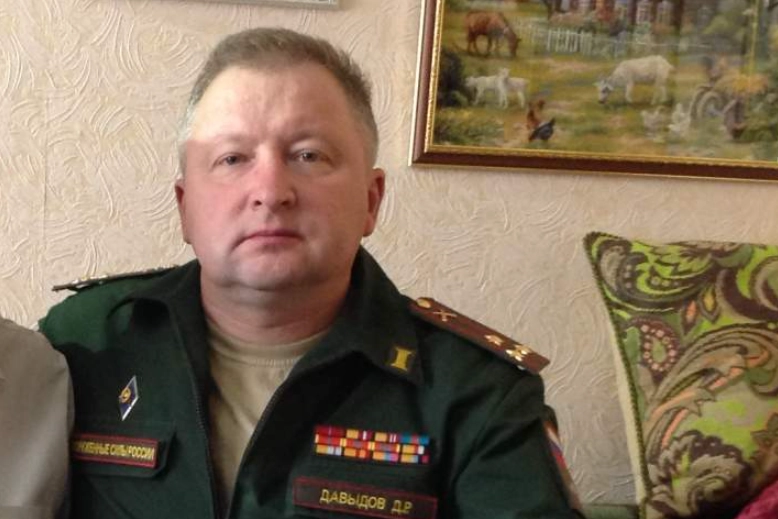
At least four senior officers have died in bombings in and around the capital since late 2024, including chemical defense chief Igor Kirillov, General Staff officer Yaroslav Moskalik, military planner Fanil Sarvarov, and Damir Davydov, who ran missile and shell deliveries for the Defense Ministry. Ukraine's security service claimed the Kirillov operation openly and, through a source, a 2024 Sevastopol car bombing that killed a Black Sea Fleet brigade commander. Kyiv has stayed silent on most of the rest.

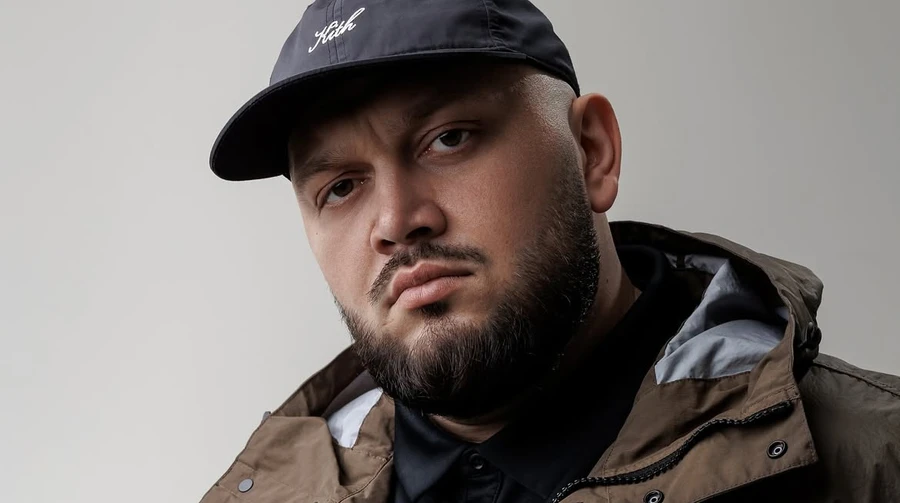
On 14 August 2026, Polish broadcaster RMF FM identified American-Ukrainian rapper and video blogger Kyivstoner as the previously unnamed target of an alleged Russian-directed assassination plot in Warsaw. The case comes as European authorities investigate suspected Russian attacks and sabotage across the continent.
The alleged plot against Kyivstoner comes amid attacks on Kremlin critics abroad, including the fatal shooting of a Russian opposition artist in Poland in June.
Polish authorities disclosed the Kyivstoner's case on 13 August but withheld the target’s identity. RMF’s identification points to a possible motive, though it relies on unverified allegations from the FSB, Russia's domestic security agency that Kyivstoner of managed drone deliveries intended for attacks near Moscow.
Kyivstoner was born Albert Vasiliev and uses the name Slevin Dadyan on his US passport. He gained attention through humorous videos and the Ukrainian group Hryby before releasing solo tracks, including “Leto” (Summer) and “Zvuk” (Sound).
In a 2025 interview, Vasiliev voiced support for Ukrainians and opposition to Russian occupation, saying Russian ruler Vladimir Putin made him angry and that he wanted civilians and soldiers to stop dying.
In July 2026, Russia’s FSB accused Kyivstoner of overseeing logistics for a foiled drone attack on a defense enterprise near Moscow.
The agency alleged that 35 drones assembled in Kyiv were concealed in a shipment of ceramic tiles and smuggled into Russia through Slovakia, Poland, and Belarus. Russian authorities also added Vasiliev to a register of people they label as involved in extremist or terrorist activity.
Vasiliev responded on Instagram by mocking Russia's allegation, saying he had been relaxing and playing video games rather than organizing an attack.
Russian authorities also accuse him of cooperating with Ukrainian intelligence. He denies the accusations, and RMF offered no independent evidence to substantiate them.
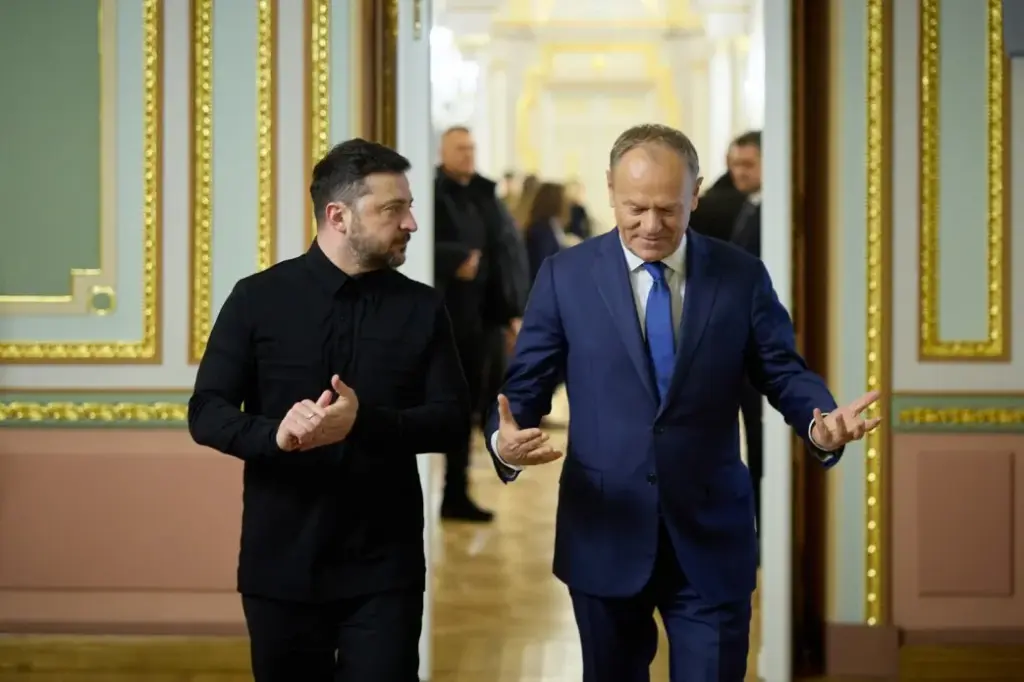
Prime Minister Donald Tusk said Polish services detained the Russian suspect on 7 August, stopping the alleged attack “at the last minute.” US services assisted the operation. A Polish court remanded the man in custody for three months.
The journalists described the Russian citizen as a native of Donbas in eastern Ukraine. Tusk said the target, who holds Ukrainian and US passports, was “inconvenient to the Putin regime.”
The prime minister called it the first Russian-ordered attempt of its kind against a US citizen in another NATO country.
Throughout Europe, Russia has tried to hunt down and kill anti-Kremlin critics and supporters of Ukraine. In June, Russian opposition artist Robert Kuzovkov, known as Semyon Skrepetsky, was shot dead in eastern Poland. Hours earlier, he had reported threats from “Russian patriots.” Polish authorities detained two Belarusian nationals, but have not attributed the killing to Moscow.
US and German services also reportedly foiled a Russian plot against Rheinmetall CEO Armin Papperger in 2024. German intelligence later treated the surveillance of Bavarian drone manufacturer Donaustahl’s CEO as a suspected planned assassination.

Polish Prime Minister Donald Tusk said authorities had detained a Russian citizen recruited by Moscow to kill a man in Warsaw. The target holds US and Ukrainian passports, the Associated Press (AP) reported on 13 August. Tusk said Polish security services stopped the alleged attack “at the last minute.”
Since 2022, AP has mapped about 200 acts of sabotage, arson, and disruption across Europe that officials have linked to Russia. European governments say the campaign aims to intimidate Ukraine’s supporters and disrupt military aid, while Ukrainian authorities report similar recruitment tactics inside Ukraine.
The suspect was detained on 7 August and remanded for three months, Warsaw police said. Tomasz Siemoniak, the minister overseeing Poland’s intelligence services, said the operation involved US services.
PM Tusk called it the first Russian-ordered attempt of its kind against a US citizen in another NATO country. He said the target was “inconvenient to the Putin regime,” without explaining why.
In their bulletin, Reuters reported that Russia’s Warsaw embassy did not immediately respond to a request for comment. Moscow denies conducting a sabotage campaign in Europe.
European authorities had already reported plots against arms-industry figures supplying Ukraine. CNN reported in 2024 that US and German services foiled a plot against Rheinmetall chief Armin Papperger.
Former Bellingcat investigator Christo Grozev said an intelligence insider told him he was on Russia’s kill list. He also warned Putin critic Garry Kasparov that a Russian agent trained in assassination had infiltrated exile groups to approach him.
Russia has also been accused of targeting Kremlin opponents abroad. In June, Kremlin critic Robert Kuzovkov was shot dead in Poland. Tusk said the killing resembled a political assassination, but Warsaw has not attributed it to Russia.
The alleged recruitment in Warsaw resembles tactics reported elsewhere in Europe. German investigators identified a former Ukrainian bricklayer and an untrained Romanian woman as the suspected operatives surveilling Stefan Thumann, head of Bavarian drone maker Donaustahl. German intelligence later classified the case as a suspected planned assassination.
Ukrainian authorities have reported similar recruitment at home. The SBU said an FSB-directed foreign pair killed Colonel Ivan Voronych in Kyiv in July 2025. Both suspects later died in a shootout with law enforcement.
Ukrainian police say Russian recruitment can escalate from surveillance and simple deliveries to arson, terrorism, and murder. Since the start of 2026, police and the SBU have registered 31 terrorist attacks and prevented another 14.