
 Connexion
Russia just accidentally crashed its first Tu-95 bomber in 11 years. Its missiles will keep striking Ukraine anyway

- A Russian Tu-95 bomber crashed on takeoff in Russia's Far East on Tuesday, the type's first crash in 11 years
- It's potentially the 11th Tu-95 the Russians have lost in the current wider war, and they can't build more
- But Russia still has enough bombers to keep up its missile raids on Ukraine
A Russian air force Tupolev Tu-95 Bear bomber crashed on takeoff, apparently from Ukrainka air base in Amur Oblast in Russia's Far East. The Russian defense ministry said the plane was on a training flight without munitions and blamed a technical fault. The crash, while reportedly accidental, is still a win of sorts for Ukraine. Every bomber the Russians lose is a bomber they can't immediately replace—and sortie for missile strikes on Ukrainian cities.
The problem for Ukraine is that Russia still has bombers to spare. It'll take more than a few crashes or drone raids on Russian bomber bases to cut into Russia's capacity to bombard Ukraine.
That's why Ukraine needs missile-armed fighters, ground-based self-propelled guns, speedy interceptor drones, and long-range surface-to-air missiles such as American-made Patriots, among other air defenses. The Ukrainians can't prevent missile attacks by destroying bombers or waiting for bombers to crash; they need to shoot down missiles as they near their targets.
A Russian Tu-95MS Bear heavy bomber crashed on takeoff in Amur this evening during a training flight.
— OSINTtechnical (@Osinttechnical) September 29, 2026
The airframe is a total loss, with no survivors reported. pic.twitter.com/tbujV6RVP5
A security camera on the ground recorded a large aircraft plunging toward the ground in Amur Oblast on Tuesday night. Video from the crash site confirmed it was one of the Russians' four-engine, propeller-driven Tu-95s, aging workhorses in Russia's escalating campaign of missile and drone attacks on Ukrainian cities.
The crash killed six crew and left one survivor injured, according to Russian state media. It is the first Tu-95 to go down in 11 years, Defense Express notes, and the first known non-combat loss of the type since the full-scale invasion.
It's potentially the 11th Tu-95 Russia has lost since widening its war on Ukraine in February 2022. Ukrainian drones caught two Bears on the ground at Engels-2 air base in Saratov Oblast in July and August. On 1 June 2025, Ukraine's Operation Spiderweb—coordinated strikes on Russian bomber bases by more than 100 small drones smuggled across Russia in trucks—destroyed as many as four Bears at Olenya air base on the Kola Peninsula and another four at Belaya air base in Irkutsk Oblast.
Now the Russian air force may be down to somewhere between 36 and 44 working Tu-95s, depending on the count, the youngest of which rolled out of the factory in the 1990s. That matters because the Tu-95 is, like the jet-propelled Tupolev Tu-22M bomber, out of production. Vendors have gone out of business. The skilled workers who assembled the types retired decades ago.
While the Russians can still build one or two Tupolev Tu-160 jet bombers every year, slowly growing a fleet that currently stands at around 18 active planes, that's far too few new bombers to replace combat losses as the wider war grinds through its 56th month.
On September 8, four Tu-95MS from Olenya Air Base and two Tu-160M from Ukrainka Air Base conducted a combat mission against Ukraine.
— AviVector (@avivector) September 8, 2026
The Tu-95MSs and Tu-160Ms launched Kh-101 cruise missiles from the airspace over the Leningrad and Smolensk oblasts. pic.twitter.com/xAZRc8EDO5
Slow attrition
The Russians have also lost at least nine Tu-22Ms, and possibly far more: Defense Express estimates losses at up to 70% of the combat-ready fleet since 2022. All told, Russia's bomber force has shrunk to around 105 planes since the wider war began, or fewer.
Equally problematically for the Russians, the old Tu-95s and Tu-22Ms that carry out the majority of air-launched cruise missile strikes on Ukraine are wearing out from heavy use; not all are available for front-line use as more airframes spend more time in deep maintenance.
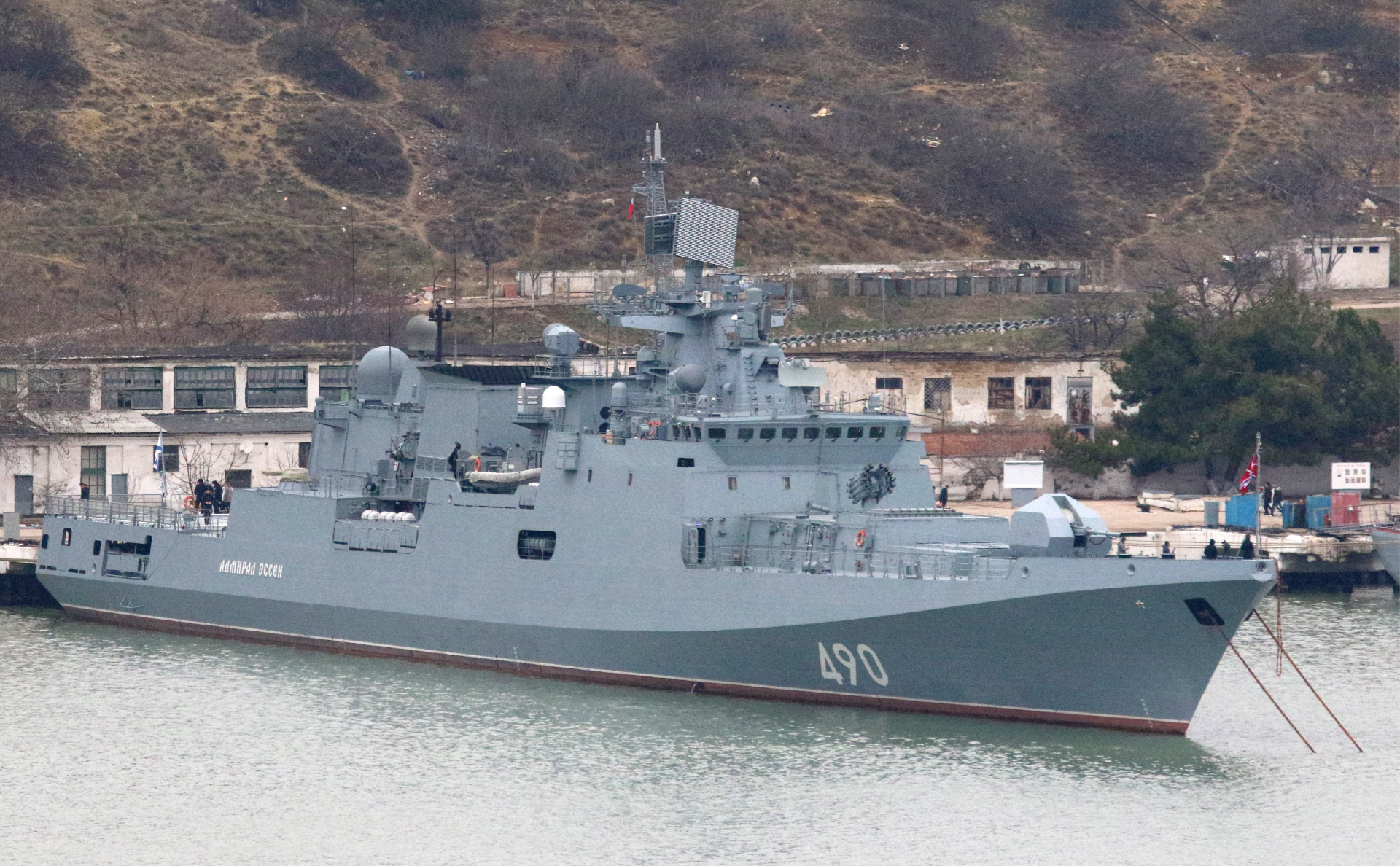
Ukraine is working down the short list of ships that shell its cities with cruise missiles. A Neptune reached one of them tied up at its own pier
But a Tu-95 carries as many as eight Kh-101 cruise missiles at a time; a Tu-22M carries up to three Kh-22s or Kh-32s. A Russian drone and missile strike might include just a dozen or so air-launched cruise missiles launched by a handful of bombers. A raid on 8 September involved just four Tu-95s and two Tu-160s.
The Russians don't need 105 bombers to sustain six-bomber raids once or twice a week, even as those bombers suffer more and more wear and tear. Ukraine would have to take out a lot more Russian bombers, and fast, to put a dent in Russian strikes.
Unless and until that unlikelihood happens, Ukraine will still need to defeat Russian raids inside Ukraine—by shooting down hundreds of incoming drones and missiles at a time. But that's getting harder as the Russians deploy faster jet-propelled Geran drones and more ground-launched Iskander missiles, combining them with the bomber-launched missiles in complex packages that routinely overwhelm ammunition-starved Ukrainian air defenses.
