
 Connexion
Ukraine finds American Nvidia Jetson micro-computer in Russia’s new missile that can’t reportedly tell truck from a bus with children
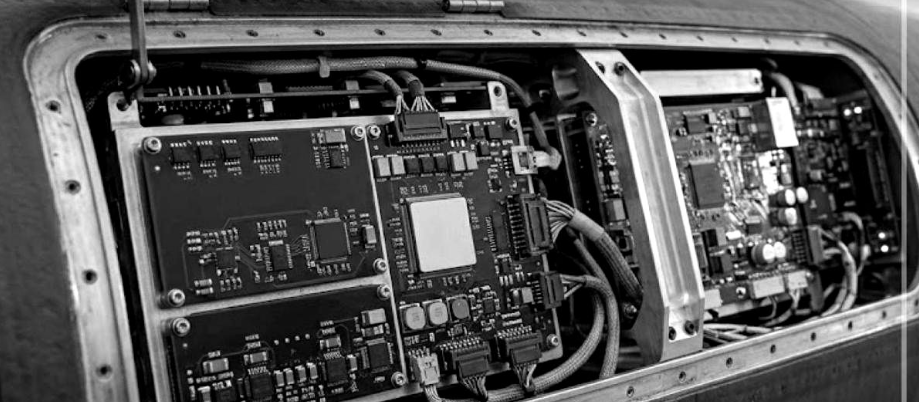
An American AI computer has turned up inside Russia's newest cruise missile. Ukrainian specialists has found an Nvidia Jetson micro-computer in Russia's new S-71 "Monokhrom" cruise missile, the Defense Ministry's Main Intelligence Directorate (HUR) reports.
S-71M “Monokhrom is the first fully autonomous long-range strike system designed to engage not only stationary but also moving targets. The system is designed to independently decide whether to destroy a target based on threat priorities. A significant problem for such autonomous systems is determining exactly what they are attacking — a military truck or a bus carrying children.
The discovery is the latest evidence that Russia's newest weapons still run on Western technology. Ukraine has already documented hundreds of foreign components in Russian missiles and drones reaching Moscow despite sanctions.
The AI chip is the standout find
The use of the Nvidia Jetson may indicate the application of AI technologies in the missile. This capability would let the weapon process visual or sensor data onboard to identify targets or navigate, functions that depend on exactly the kind of compact AI computing it provides.
The chip sits among many foreign parts. In total, 35 electronic components used by Russia in the missile were identified, making Monokhrom another Russian weapon built substantially from foreign electronics.
The same parts show up across Russia's arsenal
HUR's analysis linked the missile to Russia's wider weapons program. The identified components included parts of a passive radar seeker that Russia has begun installing on Geran-2 drones to detect and strike Ukrainian air-defense systems and radars.
Other finds tied the missile to Russia's newest strike systems. They included a Chinese Honpho TS130C-01 camera from the jet-powered Geran-4 drone and components of the active homing seeker of the Kh-47M2 Kinzhal aeroballistic missile.
The finding sharpens the sanctions case
HUR framed the discovery as an argument for tighter enforcement.
"The discovery of an Nvidia Jetson in a new Russian missile once again demonstrates the need to strengthen sanctions pressure and coordinate the efforts of the civilized world," HUR said.
HUR specialists and Ukrainian research institutions continue to study Russian weapons and trace the origin of their electronic components to strengthen measures to block them.
