❌

Vue lecture

Ukraine’s Defense Ministry says some suppliers cannot build weapons ordered, and drops contracts to free $346 million for front

The image shows Ukrainian marines. Source: The 34th Separate Marine Brigade of the Ukrainian Marine Corps

Ukraine is canceling part of its planned military purchases and moving the money to other priorities. Ukraine's Defense Ministry has announced that it, together with the General Staff and the Logistics Forces Command, will free about $346 million by terminating some weapons contracts and dropping some planned purchases.

What the army planned to buy in 2024 and 2025 may no longer be suitable for the front, the ministry noted, because technology and tactics change quickly. The review comes four days after the Ukrainian government drew about $1.1 billion from the defense reserve to pay soldiers in October amid a looming economic crisis.

The ministry gives five reasons for the review: some weapons no longer match combat tasks, certain suppliers cannot build the planned volume, certain models have not been codified, partners already cover some needs, and cheaper means can perform specific jobs in larger numbers.

"For us, there is one criterion: does the item work for results in combat today. Every hryvnia released from irrelevant contracts must reach the troops as the weapons needed right now and in the right place," Col. Yurii Pohribnyi, commander of the Logistics Forces, says.

The procurement agency calls each producer

The General Staff set the final list of purchases for review, and the ministry forwarded the documents to the Defense Procurement Agency to implement the decision. For specific items, delivery volumes were adjusted rather than canceled, which the contracts allow when needs change.

Affected producers have been informed, and the agency is discussing each item with suppliers based on the status and payments of each contract. Artem Romaniuk, acting director of the agency, has explained that further steps on each contract will depend on the army's current needs and the contract terms. The list of weapons stays secret for security reasons.

Funds freed up by terminating contracts and canceling planned purchases will be redirected to the urgent needs of Ukraine’s Defense Forces.

  •  

Ukraine turned ground robots into a frontline workhorse. Its first competitive tender may reward cheap copies over proven machines, an officer warns

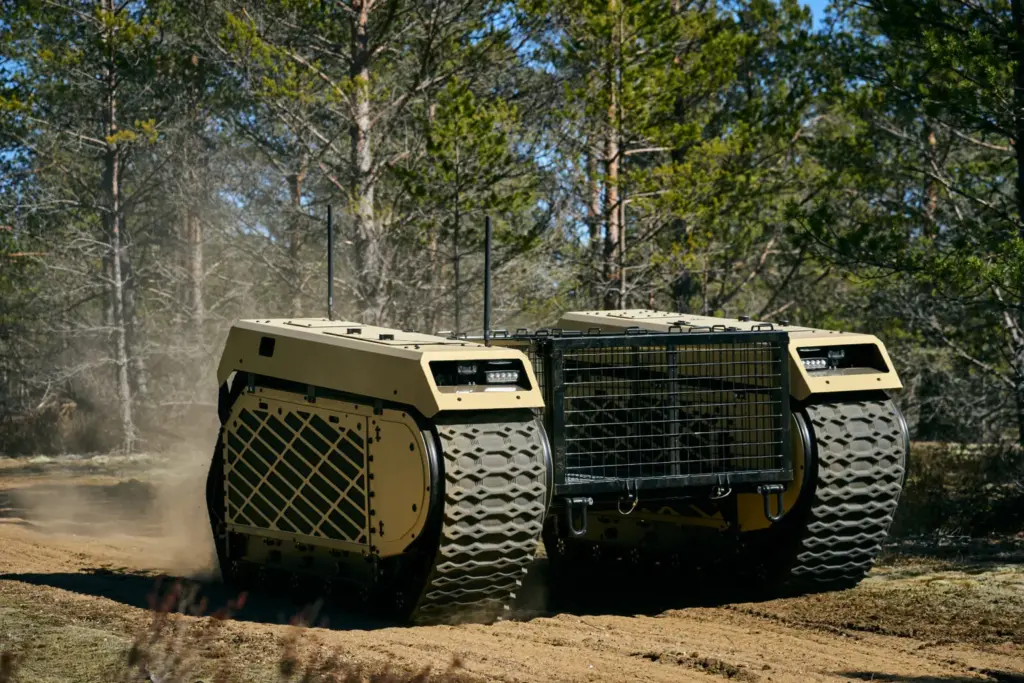
ukraine turned ground robots frontline workhorse its first competitive tender reward cheap copies over proven machines officer warns · post fifth-generation themis unmanned vehicle developed milrem robotics themis_5th_generation_ugv-1536x1024jpg news ukrainian

Ukraine has turned ground robots into a frontline workhorse, and the state is now trying to buy them at scale through its first competitive, ministry-spec tender. Viktor Pavlov, an officer of the 3rd Separate Assault Brigade's UGV battalion, laid out the risks of that model to Army Inform, the Defense Ministry's outlet, in an interview. Once a robot clears the military's technical requirements, price becomes the main criterion, Pavlov says. The order is split into lots, and no maker can take more than half a class. He warns the model may not tell a cheap, makeshift machine from one that actually survives at the front.

Robots now handle the war's deadliest chores—driving supplies through kill zones and reaching the wounded where people can't—and Ukraine has already contracted more than 22,000 for 2026. How the military buys them now shapes whether the push yields machines troops trust or a stockpile of cheap ones they don't.

From disposable drones to the next mass weapon

Aerial drones became disposable, mass-produced weapons years ago. Ground robots—the tracked and wheeled machines that haul supplies, pull out the wounded, and attack Russian positions—are only now reaching serial state supply. In August, the Defense Procurement Agency (DOT), the body that buys Ukraine's arms, opened its first competitive tenders for logistics and strike robots built to specs set by the Defense Ministry. Pavlov, founder of Ukraine's UGV School, calls it an experimental format that can work where market prices are inflated. Splitting the order into lots also gives smaller engineering teams a real chance, he said, because many large producers are already busy with state contracts.

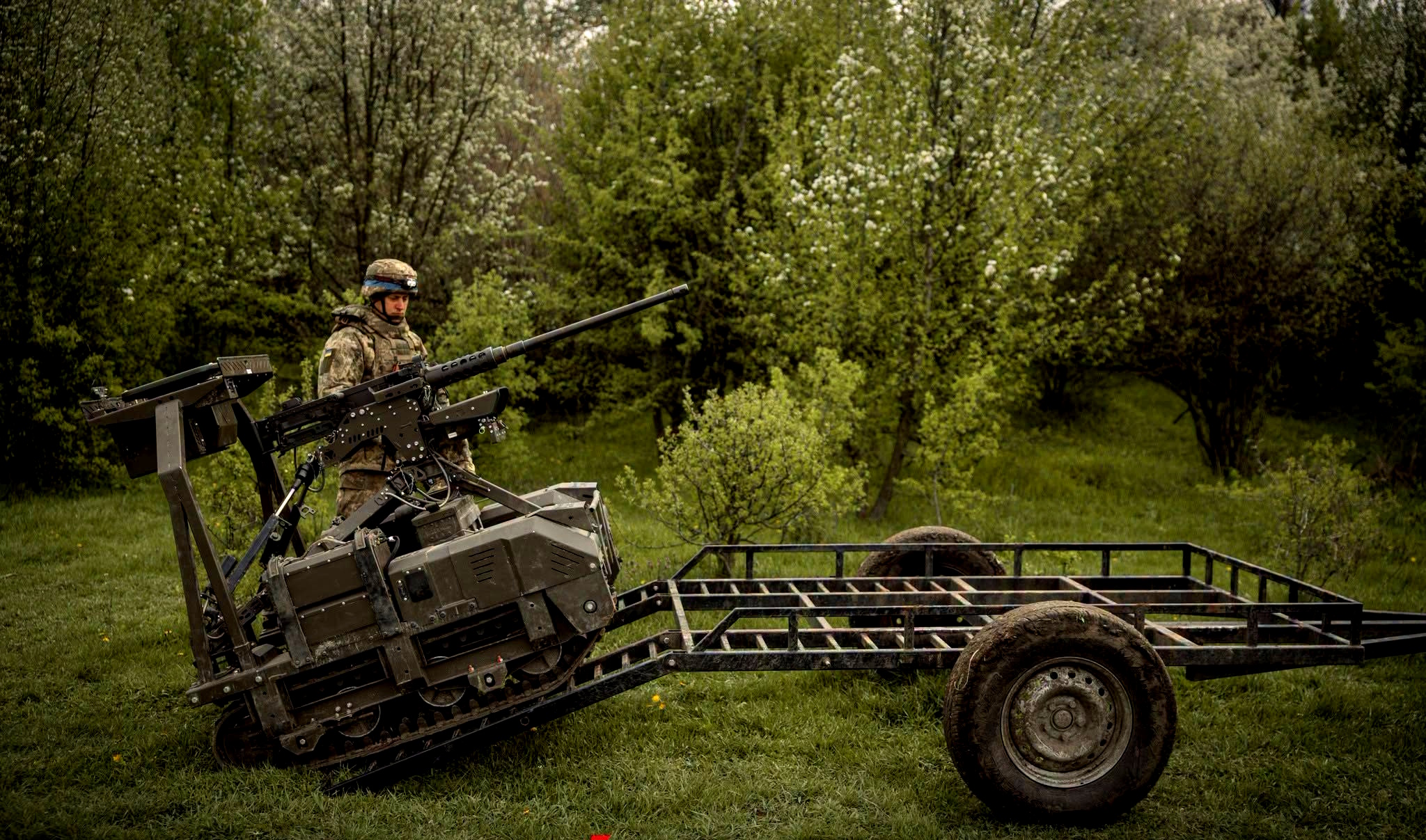
The image shows a Ukrainian soldier standing next to an unmanned ground robotic vehicle. Source: The General Staff
Explore further

New Vivaldi tactic: Ukraine’s ground robots, each carrying two Bullspike grenade launchers, attack Russian positions and then detonate inside their shelters

Why the lowest bid may beat the best robot

A tender rewards the cheapest product that formally meets the requirements, not the best one, Pavlov said. A thermal camera, for example, can be listed as desirable rather than mandatory, so a maker chasing the lowest price will most likely leave it off. On any given feature the machines diverge—suspension, cameras, comms channels, a winch—one has it, another doesn't, yet both can land in the same class.

The machines themselves are very different. One carries 250 kilograms, another up to 349, but both fall into the "200-plus" category. Unlike FPV drones, which share standard sizes and parts, ground robots have no common frame—Ukraine fields many local variants. Pavlov compared the choice to picking an iPhone over a cheaper Android: on paper the features match, but soldiers know which machine they can run and repair.

Ground drone UGV medical evacuations
Explore further

Four ground robots for one evacuation: Russia is targeting Ukraine’s robotic medevac missions

He also fears the model punishes innovation. A company can spend 18 months and a 20-person team building a robot, then watch a rival copy it, skip the research costs, and undercut it. A design troops already know how to run and repair—like the Ratel—is a known quantity. An untested bargain can break down mid-mission with no spare parts.

A mixed system, not tenders alone

Price competition should be one tool, not the only one, Pavlov argued. New robots should first reach units through pilot buys, letting soldiers test them and say what works. Proven systems can then be contracted in bulk, with tenders saved for classes where the offers are truly comparable. Ukraine's robots are too varied, he said, and what units need can't always be squeezed onto a spec sheet.

  •  

Ukraine’s new military AI does more than watch the battlefield—it helps commanders plan what comes next

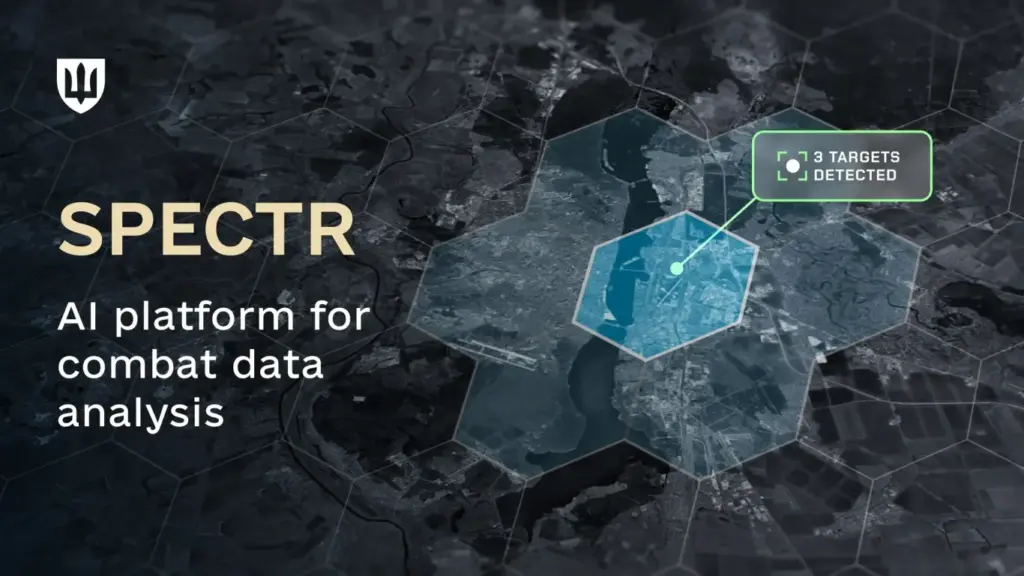
SPECTR.

Ukraine is building an artificial intelligence system to analyze battlefield data, help commanders plan operations, and forecast Russia's possible moves, its Defense Ministry said. The system keeps the data it runs on behind a protected perimeter.

The logic behind the project: Ukraine can already read the battlefield from drone footage and sensor feeds, but converting that picture into orders is the harder, still-human half where wars are decided.

What SPECTR is built to do

SPECTR comes from A1, the AI center inside Ukraine's Defense Ministry. Its head, Danylo Tsvok, said Ukraine holds a unique store of data on how this war is fought, and SPECTR is designed to help turn that into a real edge on the ground.

The system is built to analyze incoming information, spot patterns, draft recommendations for planning operations, and automate the routine work in headquarters. Troops would work with frontline information faster.

"Essentially, we are building an operating system for warfighting. It will help the military choose effective courses of action and predict the enemy’s possible moves," Tsvok said.

SPECTR will run inside systems the Defense Forces already use, and on local devices set aside for sensitive data.

The center behind an AI-driven army

The ministry set up A1 in March 2026 with backing from the UK government, aiming to turn AI into Ukraine's battlefield advantage and build an "AI-driven army." That effort runs along three tracks: faster, data-based decisions, AI built into weapons and less bureaucracy in the ranks. The center is working on three flagship projects. Some of its solutions are already being tested by units.

  •  
❌