
 Connexion
A fifth of Russian refining sits idle, and the sector’s earnings still grew
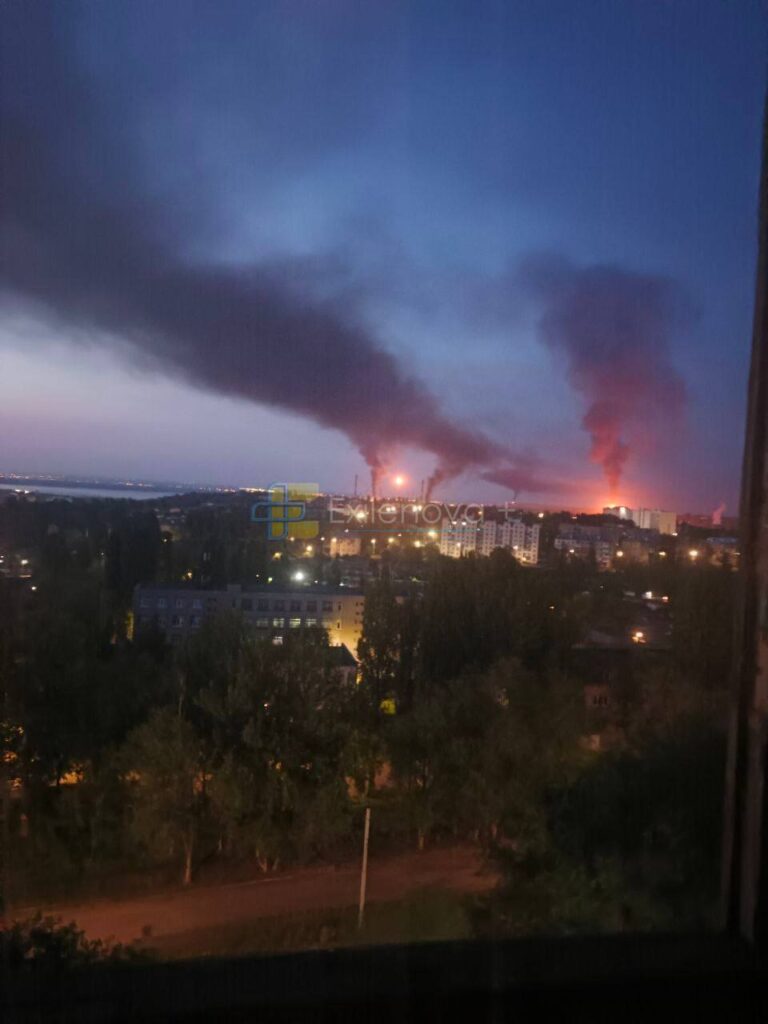
Russian oil refineries earned more in the first half of this year than in the same period a year earlier, even as Ukrainian drone strikes kept a fifth of the country's refining capacity out of action, The Moscow Times reported. Record wholesale prices and fast-growing payments from the federal budget have more than covered what the attacks and the repairs cost. Russian consumers are covering the rest at the pump.
Where the profits come from
Russian refineries earned 938 billion rubles ($11.1 billion) in the first half of 2026, 16.2% more than a year earlier, according to the state statistics service Rosstat. Ukrainian drone strikes have put a fifth of the country's refining capacity out of action.
Two things produced that result, according to Promsvyazbank analyst Yekaterina Krylova: high wholesale prices on the SPIMEX commodity exchange, and a sharp increase in state fuel subsidies.
Wholesale prices took off in March, after the war in the Middle East began: light petroleum products have risen 37% since late February and diesel by a third, with July bringing record exchange prices of 82,600 rubles ($982) per tonne of AI-95 gasoline. Crude got cheaper for the refiners over the same stretch, as the ruble price of Urals oil peaked in spring and fell through the summer while the products made from it kept getting dearer.

Ukraine says drones hit Russia’s gas heartland over 3,000 km from its border—a wartime record
The budget pays the difference, the country pays the bill
Russia's damper mechanism compensates oil companies for selling fuel cheaply at home rather than exporting it, and the payments grow as the gap between domestic and world prices widens.
The Finance Ministry paid out close to 350 billion rubles ($4.2 billion) a month in the second quarter, and 500 billion rubles ($5.9 billion) for July and August together. Krylova expects the subsidies and the prices together to widen net margins by 45% in the third quarter, to 35,000 rubles ($416) per tonne of gasoline.
Russia's retail prices tell the other half of the story. Gasoline has risen 21.2% since January and diesel 18.4%, well above Russian inflation. Budget money lets the majors, which own both the refineries and the filling-station chains, hold their own forecourt prices near inflation. Independent chains have no such cushion: they buy at the higher wholesale prices and sell dearer, which is how Russia has been squeezing them out of the market. For drivers, the crisis has been physical as well as financial, with rationing and dry pumps spreading across dozens of regions.

Kazakh refinery deal could ease Russia’s front-line fuel pressure—but it covers just 0.3% of demand
What the strikes have cost
Ukrainian drones have been hitting Russian refineries since 2024, and the campaign escalated sharply from August 2025, when strikes deep inside Russia became systematic. Russian refineries disclose none of their losses from it.
Ukraine's General Staff estimated the total damage to the Russian oil industry since August 2025 at $13.5 billion, in a count published in early July. The insurance broker Mains put direct losses to the oil and gas sector from drone strikes last year at more than 100 billion rubles ($1.2 billion), and above a trillion rubles once lost profit and indirect damage are counted.
Read also
-
Ukraine keeps hitting the fuel that Russia’s war runs on. Its latest target is the Slavyansk-EKO refinery, with an annual processing capacity of at least 3 million tonnes
-
Russia is squeezing independent gas stations out of its fuel market
-
Russia risks losing part of its grain harvest as Ukraine’s refinery strikes dry up diesel
