Vue lecture

Ukraine’s eastern kill zone is 25 km deep — corps commander expects 30 by year’s end
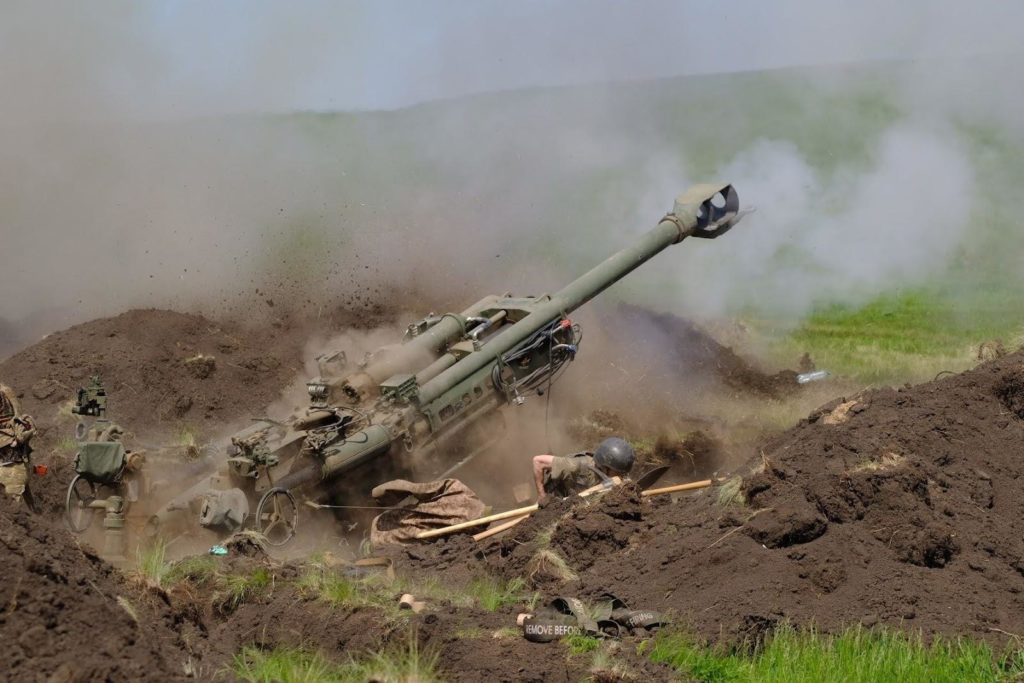
M777 howitzer on the battlefield. Source: US Embassy in Ukraine

The zone of mutual attrition along Ukraine's eastern front now extends 20–25 kilometers on both sides of the contact line — an area where neither side can move freely without drone exposure and the commander of the 7th Airborne Assault Corps expects it to reach 30 kilometers by the end of 2026, Brigadier General Yevhen Lasiichuk told RBC-Ukraine. His corps holds the northern approaches to the Pokrovsk-Myrnohrad agglomeration in Donetsk Oblast against Russia's Center Group of Forces, operating with its 41st and 51st armies.

Ukraine's drone campaign has reshaped the geometry of the eastern front, turning a defined contact line into an expansive zone where neither side can move without aerial exposure. The 7th Corps has described the character of the war in its sector as a slow war of drones, FPV systems, and reconnaissance.

What the corps commander said

Drones now account for 70-80% of the damage on both sides in the sector; artillery, under 30% — a ratio Lasiichuk says has inverted since 2022.

About 20,000 Russian troops have been destroyed in the 7th Corps sector. Across the entire front, Lasiichuk said. Russian losses now exceed 30,000 per month, more than Russia mobilizes, in his assessment — though Russian pressure continues on multiple axes.

Russian forces abandoned vehicle-borne assaults because the vehicles became easy targets.

"On an infantry fighting vehicle, 20–30 enemy troops could move as close as possible to our positions," Lasiichuk said.

Now that's unrealistic — it's a fairly easy target for the unit. The result is infiltration in groups of two or three, moving through terrain features and exploiting weather that suppresses Ukrainian drones.

Euromaidan Press has tracked this shift since January: a May analysis found 60–70% of Russian infiltrators die before reaching Ukrainian lines. Even so, Lasiichuk said, Russia has not stopped pressing — it has simply made the pressing more expensive for itself.

Ukraine's middle-strike campaign now reaches 100 kilometers from the contact line, hitting Russian logistics nodes, command posts, and approach routes toward Pokrovsk and Myrnohrad.

The Pokrovsk axis

Russia's Center Group of Forces has concentrated its largest eastern grouping on the Pokrovsk-Myrnohrad axis. The 7th Corps also faces the Rubiсon drone unit — Russia's dedicated drone assault formation that has used the Pokrovsk sector as a testing ground for new systems.

About five months after capturing the ruins of Pokrovsk, Russian forces are attempting to break out toward Dobropillia a gateway to Kramatorsk and Sloviansk, 50 km to the north.The natural geography of the area favors Russian infiltration: riverbeds, road networks, and green zones provide covered approach routes.
  •  

Ukrainians think their own security service is calling—it’s Russia recruiting saboteurs

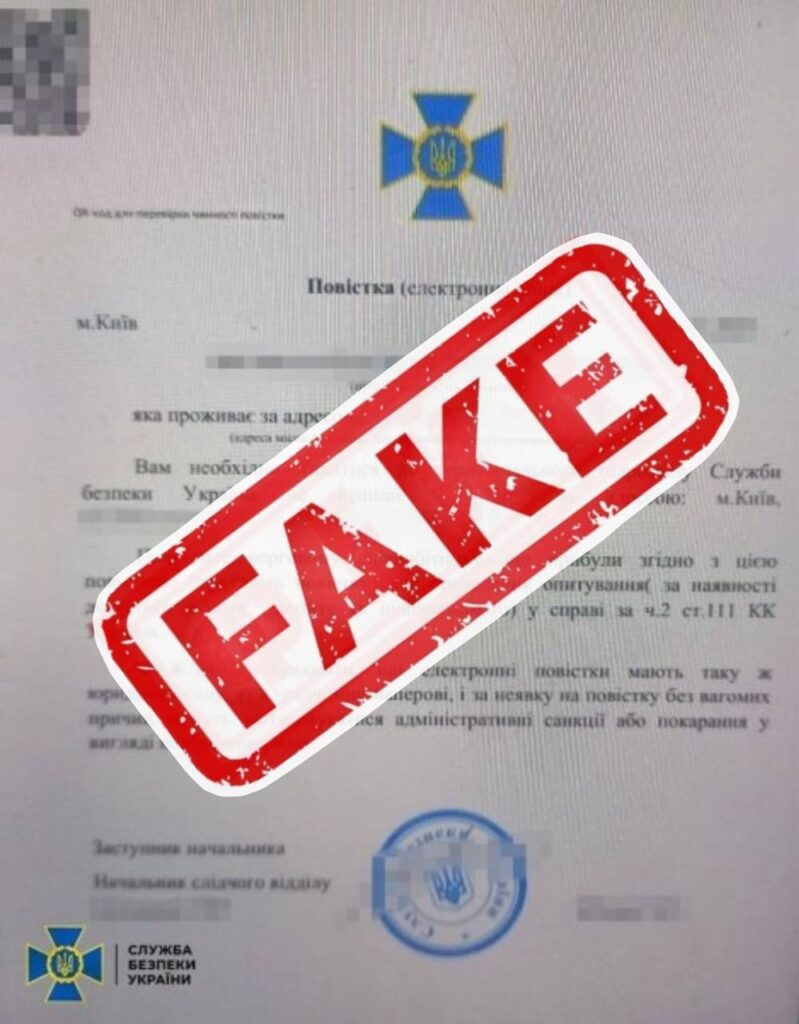
An example of a fake summons

Russia is recruiting civilians to commit arson, sabotage, and terrorist acts across Ukraine and Europe—and in Ukraine, its operatives have refined the playbook: they now forge official Security Service of Ukraine (SBU) summonses, complete with the signatures of senior SBU officials, to coerce targets who believe they are complying with their own government. The SBU and National Police warned on 3 July that dozens of such attempts have been uncovered in 2026 alone.

This isn't a new tactic—similar cases have been documented over the past few years. The warning arrives as Russia's civilian-recruitment campaign has spread across NATO territory on an industrial scale.

The Center for Strategic and International Studies counted 34 sabotage attacks in Europe in 2024, nearly triple the 2023 figure. A senior NATO official has described "a steady and growing pattern of hybrid attacks" against member states.

The targets are ordinary people—financially vulnerable, legally exposed, or simply contactable through commercial data obtained from online shops—manipulated into carrying out operations whose Russian origin they may never discover. Poland's Internal Security Agency (ABW) has described Russia as deploying "low-cost agents"—individuals recruited online quickly and cheaply, some unaware they are acting in Russia's interests.

Ukraine's SBU is now documenting a distinct variant of that model—one that manufactures state authority rather than merely offering money.

How the scheme works

Russian operatives contact targets by phone or messaging app, presenting themselves as SBU investigators, National Police officers, or other law enforcement. The entry point is a fake official summons sent by messenger—printed with forged signatures of senior SBU officials, directing the target to appear over a fabricated criminal case. A common invented charge: alleged purchase of pharmaceutical products on Russian websites.

Handlers then offer to close the invented proceedings in exchange for tasks. The escalation is structured:

  • surveillance of a named individual;
  • carrying packages between addresses or purchasing chemical components;
  • building an improvised explosive device;
  • burning a Defense Forces vehicle or administrative building;
  • preparing a terrorist act or sabotage of critical infrastructure.

Russian handlers sometimes also demand payment—transfers to Russian-controlled accounts or cash handed to a courier under the guise of "authenticity verification"—as an alternative to, or alongside, task assignments.

To find targets, Russian services use customer databases from online shops—turning leaked commercial data into a recruitment pipeline, the SBU notes.

What Ukraine's cases document

Elsewhere in Europe, the campaign usually runs on money and leverage—recruitment through Telegram, or pressure on people already compromised. In several Baltic cases, Estonian smugglers were blackmailed into spying after being caught at the border.

What Ukraine's cases document is a different lever: the forged summons manufactures state authority itself. The targets do not believe they are being recruited by Russia. They believe they are being contacted by their own government.

The SBU stated that it operates exclusively under Ukrainian law, does not issue tasks of the kind described, and does not send official documents via messaging applications. Citizens who receive suspicious contacts can report them via the SBU chatbot at t.me/spaly_fsb_bot or by calling the hotline at 1516.

  •  
❌