
 Connexion
Ukraine’s top general wants to end Soviet rules in army. But president’s wartime headquarters may still hold reforms, commander says
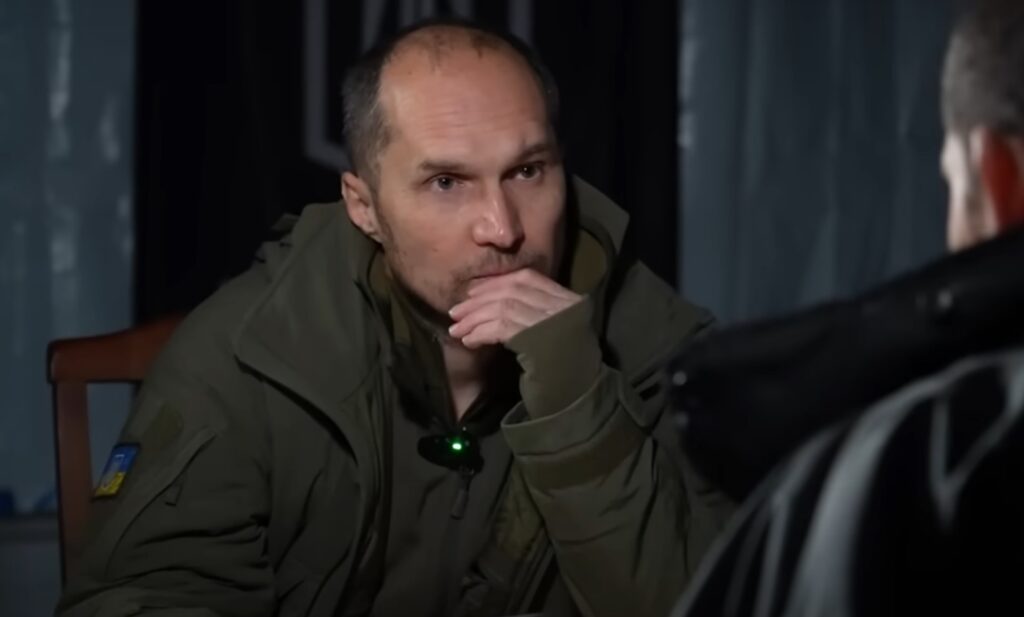
Ukraine's top general is held responsible for the entire army but cannot freely choose the people who run it, says drone company commander Yurii Butusov, according to Radio NV. Commander-in-Chief Mykhailo Drapatyi still lacks full power to form his own command team, with key appointments controlled by the president's wartime lead, which unbalances the force, he believes.
Drapatyi was named a commander-in-chief in July. Since then, he has moved fast where he can: cutting more than 30 obsolete, Soviet-era General Staff orders, pressing to give combat-tested sergeants real authority, and opening a review of the officer corps to weed out those without combat experience.
For the reform of the force, Butusov argues, he has to be able to build his own team, and that is just what he is not being allowed to do. Key appointments, from the Air Force to the Air Assault Forces, stay under the direct control of the Supreme Commander's headquarters.
The headquarters keeps control
"One person should be responsible for managing the General Staff. It is Mykhailo Drapatyi, if he is given the chance to really be the sole commander-in-chief," Butusov says.
Any leader, he continues, has the right to build a structure to his own standards. But when people are slotted into the chain of command without the commander's knowledge, it breeds dysfunction.
"If there are political appointments to the General Staff without his knowledge, to the commanders of the branches without his knowledge, there will be problems, opposition, internal conflicts," he says, the kind that have dogged the army for years.
One deputy stays 'acting'
The limits show in Drapatyi's own inner circle, Butusov says. One of his first moves was to name Serhii Sobko deputy chief of the General Staff, yet Sobko remains only "acting", the prefix never lifted.
Only the president, as supreme commander, can finalize such appointments, he notes, and the delay points to "artificial restraints." Drapatyi has been allowed to shape the Ground Forces, by his account, while other structures remain under the headquarters' control.
Blame outruns the power
The result, in Butusov's words, is a commander-in-chief who carries the responsibility without the authority: the public and leadership hold him answerable for an army he cannot fully command.
Read also
-
Russia’s drones keep targeting the bridges Kyiv can’t easily replace—now the Northern crossing is cratered
-
Moscow trains its military pilots at Khanskaya. Locals report a fire there after drones attacked overnight
-
Ukraine’s bomber drones, ones that dropped ground robots in its recent Donetsk counteroffensive, are getting 2.4-kilogram jammer to shield them from FPVs
