The conflict has opened a second front in the Middle East after the United States and Israel attacked Iran, adding to global uncertainty and turmoil in energy markets.
The conflict has opened a second front in the Middle East after the United States and Israel attacked Iran, adding to global uncertainty and turmoil in energy markets.
Trump’s mess has rekindled Yemen’s civil war and a years-long conflict between the Houthis and Saudi ArabiaWhen the US and Israel launched a war of aggression against Iran in late February, Tehran’s allies in the Middle East jumped into the fray. Lebanon’s Hezbollah militia fired rockets at Israel, while Shia militias in Iraq attacked US bases and diplomatic outposts. But the Houthis, who control large parts of Yemen, mostly stayed on the sidelines.Over the past few weeks, however, the Houthis h
Trump’s mess has rekindled Yemen’s civil war and a years-long conflict between the Houthis and Saudi Arabia
When the US and Israel launched a war of aggression against Iran in late February, Tehran’s allies in the Middle East jumped into the fray. Lebanon’s Hezbollah militia fired rockets at Israel, while Shia militias in Iraq attacked US bases and diplomatic outposts. But the Houthis, who control large parts of Yemen, mostly stayed on the sidelines.
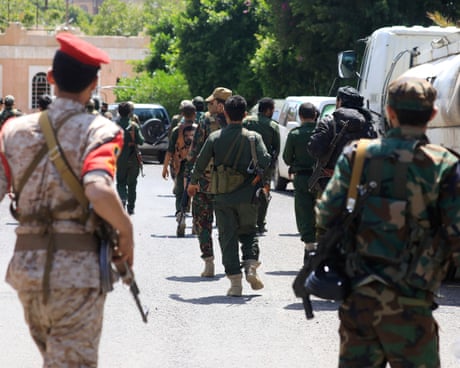
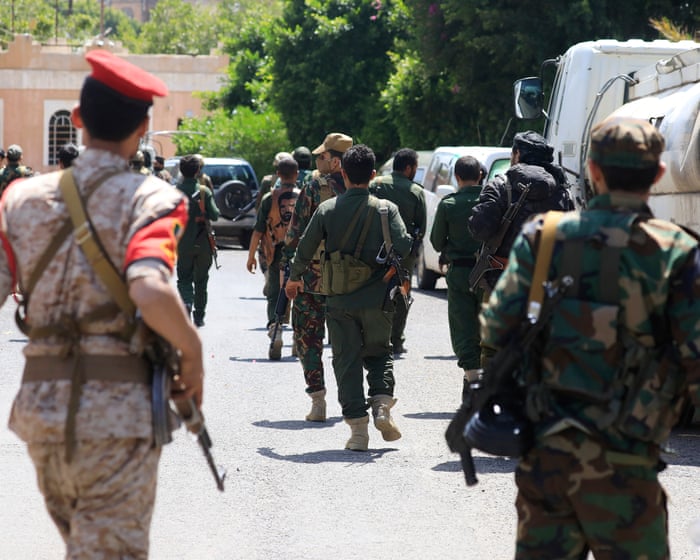
Over the past few weeks, however, the Houthis have changed their tactics and have entered the conflict in full force. They led a rapid advance along Yemen’s Red Sea coast, seizing a strategic port city and several islands that gave the militia control over the Bab al-Mandab strait, a vital waterway for energy shipments and other global trade. Thanks to Donald Trump’s war, Iran and its allies now dominate the Middle East’s two major regional energy chokepoints: Bab al-Mandab and the strait of Hormuz.

 Connexion