Connexion
Canada pledges more than $1 billion for Ukraine’s critical air defense as Russia intensifies missile and drone attacks
Editor's note: this article has been updated with new information.
Ukrainian President Volodymyr Zelenskyy said Canada will contribute technology to Ukraine’s European FREYJA anti-ballistic defense program and provide additional military assistance as Russia maintains near-constant ballistic missile and drone attacks.
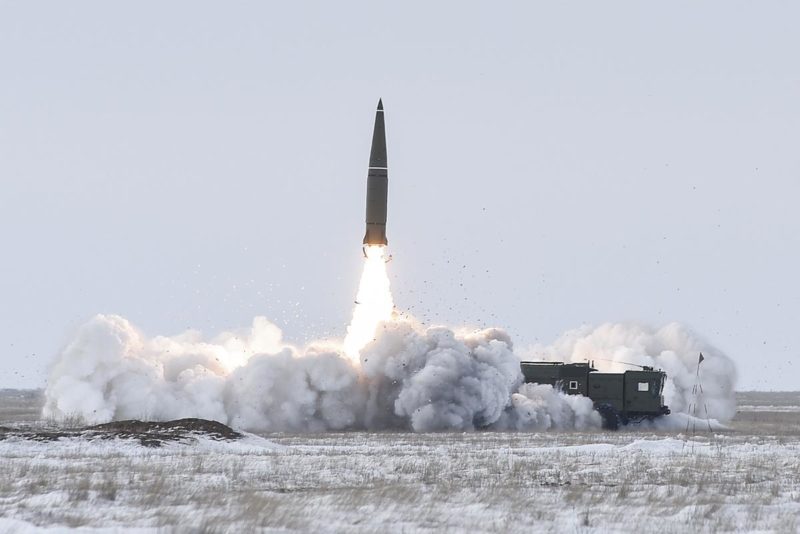
Russia has ramped up ballistic missile attacks on Ukrainian cities in recent months, increasingly combining them with large waves of drones and other weapons. The strikes have damaged civilian infrastructure and caused growing casualties, while Ukraine faces a shortage of the air defense systems and interceptor missiles needed to counter the evolving threat.
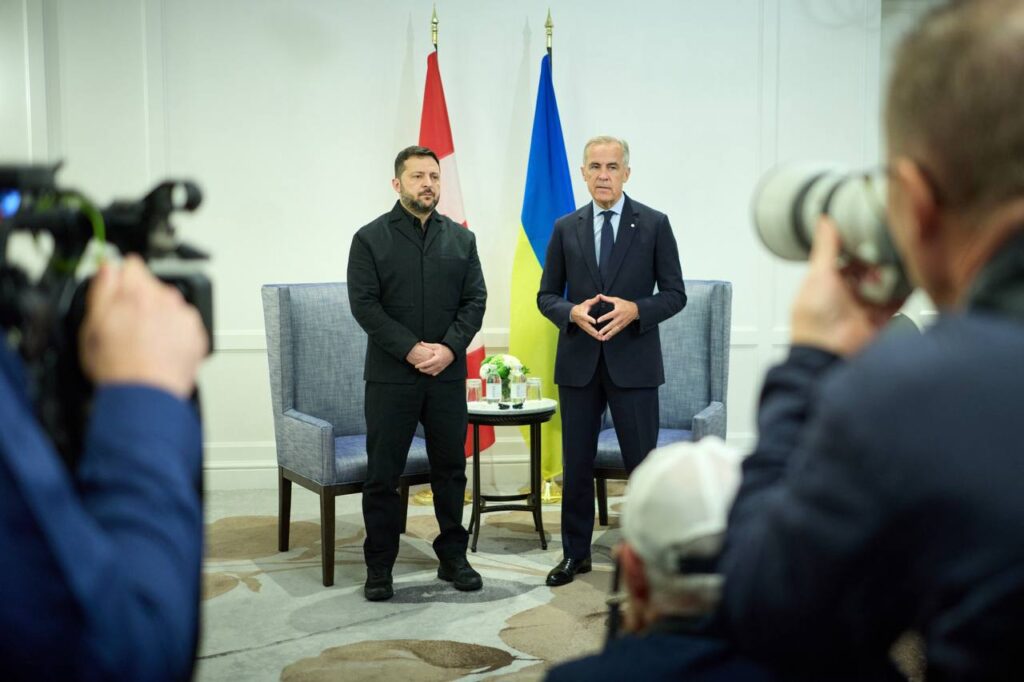
Zelenskyy made the announcement on 10 September during a visit to Canada, where he met Canadian Prime Minister Mark Carney. He said the talks focused on winter support, energy, Ukraine’s financial needs, and defense cooperation.
“Mark assured me that Canada is ready to join our European anti-ballistic program FREYJA with its technologies,” Zelenskyy said. “This is a necessary and timely step.”
Zelenskyy also said Canada had made an “important decision” on a major air defense assistance package, adding that there is a global shortage of air defense systems and missiles.
Update: Canada and Ukraine sign 100-year partnership declaration
Update 23:00: Zelenskyy and Carney also signed a declaration establishing a 100-year partnership between Ukraine and Canada, setting out long-term cooperation between the two countries.
Zelenskyy said that Ukraine and Canada had reached agreements worth more than $2 billion, including more than $1 billion in government defense assistance.
Canada will also contribute $40 million to a new Ukrainian veterans fund, while the two countries reached agreements on energy cooperation ahead of winter.
Zelenskyy said Canada’s support will strengthen Ukraine’s air defenses and its fighter aircraft, including those being used to intercept Russia’s jet-powered Geran drones. He added that 21 Ukrainian pilots are currently training in Canada.
Russia is changing its aerial attacks
The additional air defense comes as Russia has significantly expanded and adapted its aerial campaign against Ukraine.
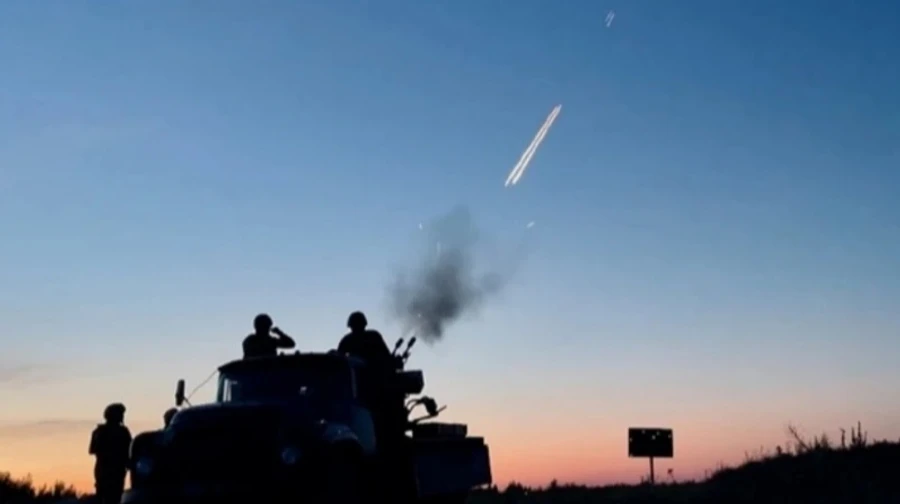
Russia is launching increasingly large waves of drones, including faster versions of the Shahed/Geran attack drone, while combining them with ballistic and other missiles. The changing speed, volume, and composition of attacks are putting greater pressure on Ukraine’s air defenses and interceptor stocks.
Zelenskyy said he had also discussed with Carney Russia’s “virtually constant” strikes with ballistic missiles and drones.
The Russian attacks increasingly reach deep into Ukraine, targeting cities, energy facilities, transport and logistics infrastructure, and industrial sites far from the front line.
That makes layered air defense increasingly important. Ukraine needs systems capable of intercepting different types of threats, from relatively slow attack drones to much faster ballistic missiles.
Air defense becomes critical ahead of winter
The need for additional air defense is particularly urgent as Ukraine approaches another winter under Russian attack. Russia has repeatedly targeted Ukraine’s energy system during previous winters, damaging power generation and distribution and threatening electricity, heating, and water supplies.
Ukraine therefore needs not only more interceptor missiles but additional systems and technologies capable of dealing with the increasingly complex mix of Russian aerial weapons.
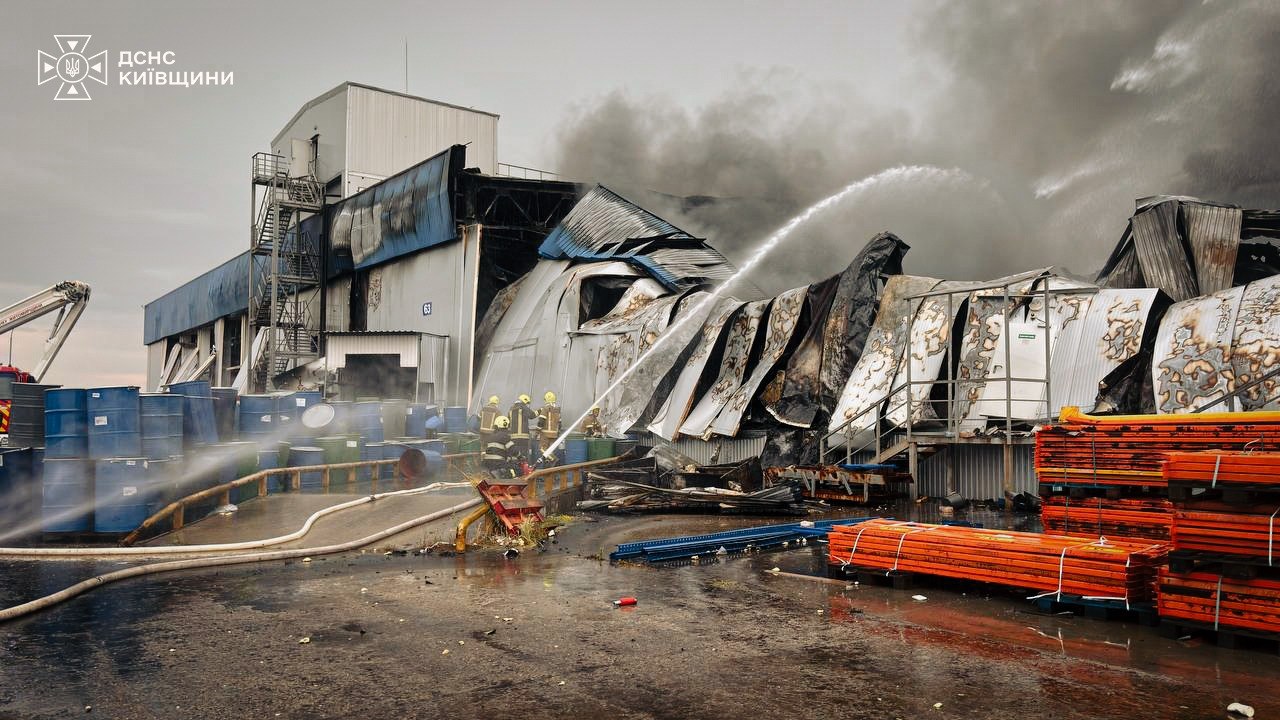
Kyiv stockpiles food and water as Russia’s new aerial tactics threaten a brutal winter
Zelenskyy said Canada would also provide additional defense supplies and that the two countries were working on a broader “Drone Deal” covering defense cooperation.
He thanked Canada for its support throughout the war, saying Ukraine needs to remain strong to achieve a “strong and lasting peace.”
Read also
-
EU has never sanctioned Russia’s nuclear sector. Activists say that gap just let Rosatom into German plant, and they’re suing to close It
-
Ukraine’s Third Army Corps won’t just hold Donetsk fortress cities. It’s building mission to pull civilians out of them
-
Fast kill but also long game: Russia is using AI-generated women and long conversations to lure Ukrainian soldiers to their deaths